Jaw-Dropping Solutions: 10 Ways to Stop Clenching Your Jaw at Night
February 19, 2026
Why Nighttime Jaw Clenching Demands Your Attention
How can I stop clenching my jaw in my sleep is a question millions of adults ask themselves after waking up with a sore jaw, pounding headache, or sensitive teeth. This unconscious habit, known as sleep bruxism, affects approximately 8.6% of adults and can generate up to 250 pounds of force on your teeth while you sleep—often without you even knowing it’s happening.
Quick Solutions to Stop Jaw Clenching at Night
- Use a custom-fitted night guard from your dentist to protect your teeth
- Practice stress-reduction techniques like meditation or deep breathing before bed
- Improve your sleep hygiene with a consistent schedule and calming bedtime routine
- Limit caffeine and alcohol, especially in the evening
- Try jaw relaxation exercises and gentle self-massage
- Optimize your sleeping position by sleeping on your back with proper neck support
- Address underlying causes like sleep apnea or anxiety with professional help
- Avoid hard or chewy foods that strain your jaw muscles
- Stay hydrated throughout the day to support muscle function
- Consider advanced treatments like Botox injections for severe cases
Many people don’t realize they grind their teeth until a partner mentions the grinding sounds or a dentist spots the telltale signs of tooth wear during a routine exam. The good news? You have multiple options to manage this condition, from simple lifestyle changes to professional dental interventions.
As Dr. Nina Izhaky, founder of Tribeca Dental Studio, I’ve helped countless patients understand and overcome sleep bruxism through personalized treatment plans. My experience with how can I stop clenching my jaw in my sleep has shown me that the most effective approach combines stress management, proper dental protection, and addressing any underlying sleep disorders.
Easy how can i stop clenching my jaw in my sleep glossary:
Understanding Sleep Bruxism: Why It Happens and What to Look For
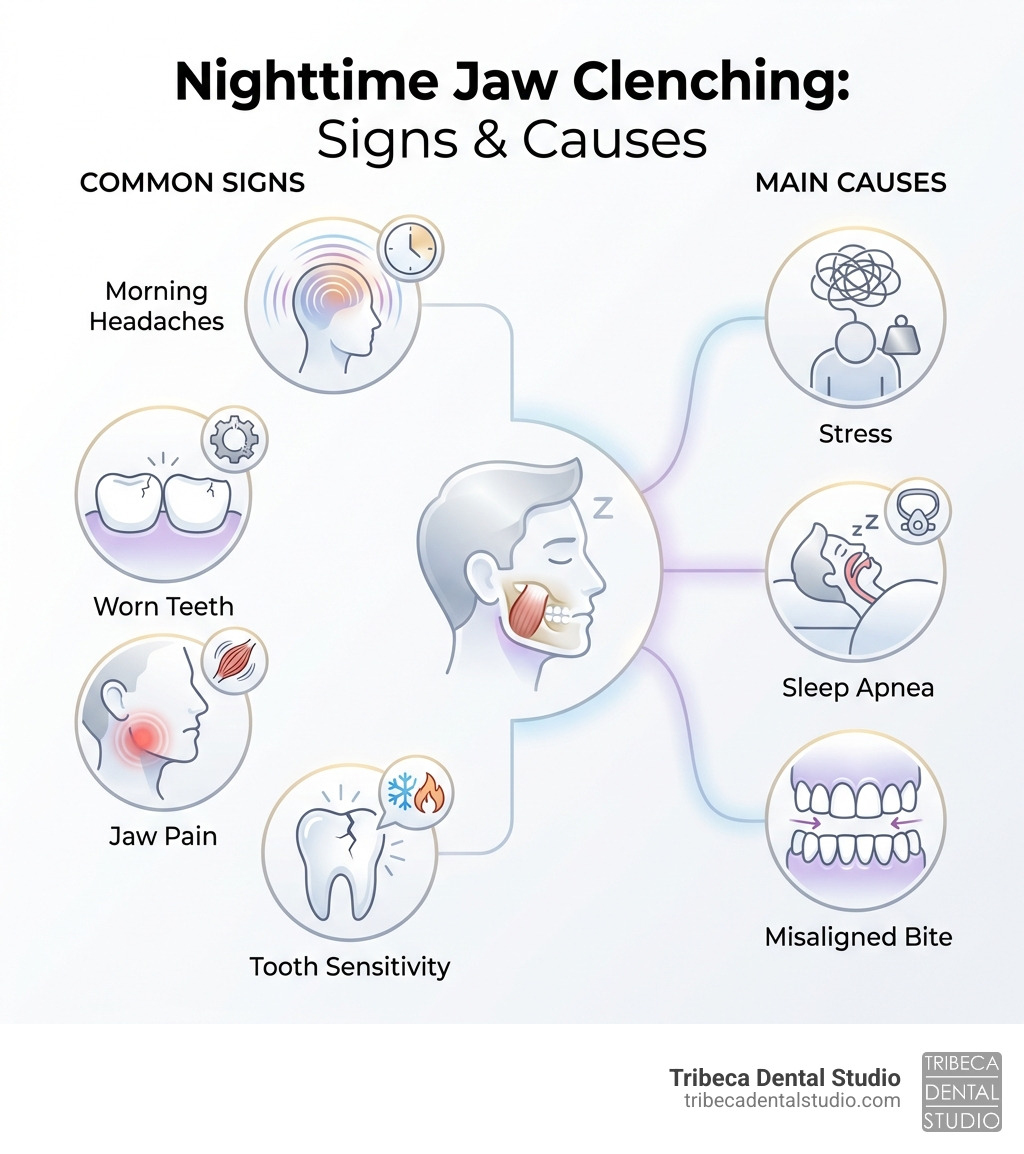
Sleep bruxism is the medical term for the involuntary clenching or grinding of your teeth during sleep. While you might be completely unaware it’s happening, this repeated jaw-muscle activity can exert immense pressure, up to 250 pounds of force, on your teeth and jaw. This can lead to a range of uncomfortable symptoms and, if left unaddressed, significant long-term damage. It’s a surprisingly common issue, with an estimated 8.6% of adults experiencing sleep bruxism. Recognizing the signs of jaw clenching, or bruxism, is the first step to addressing this condition.
The Telltale Signs and Symptoms
Because sleep bruxism occurs unconsciously, often the first indication is waking up with discomfort. Here are the common signs and symptoms we often see in our patients here at Tribeca Dental Studio:
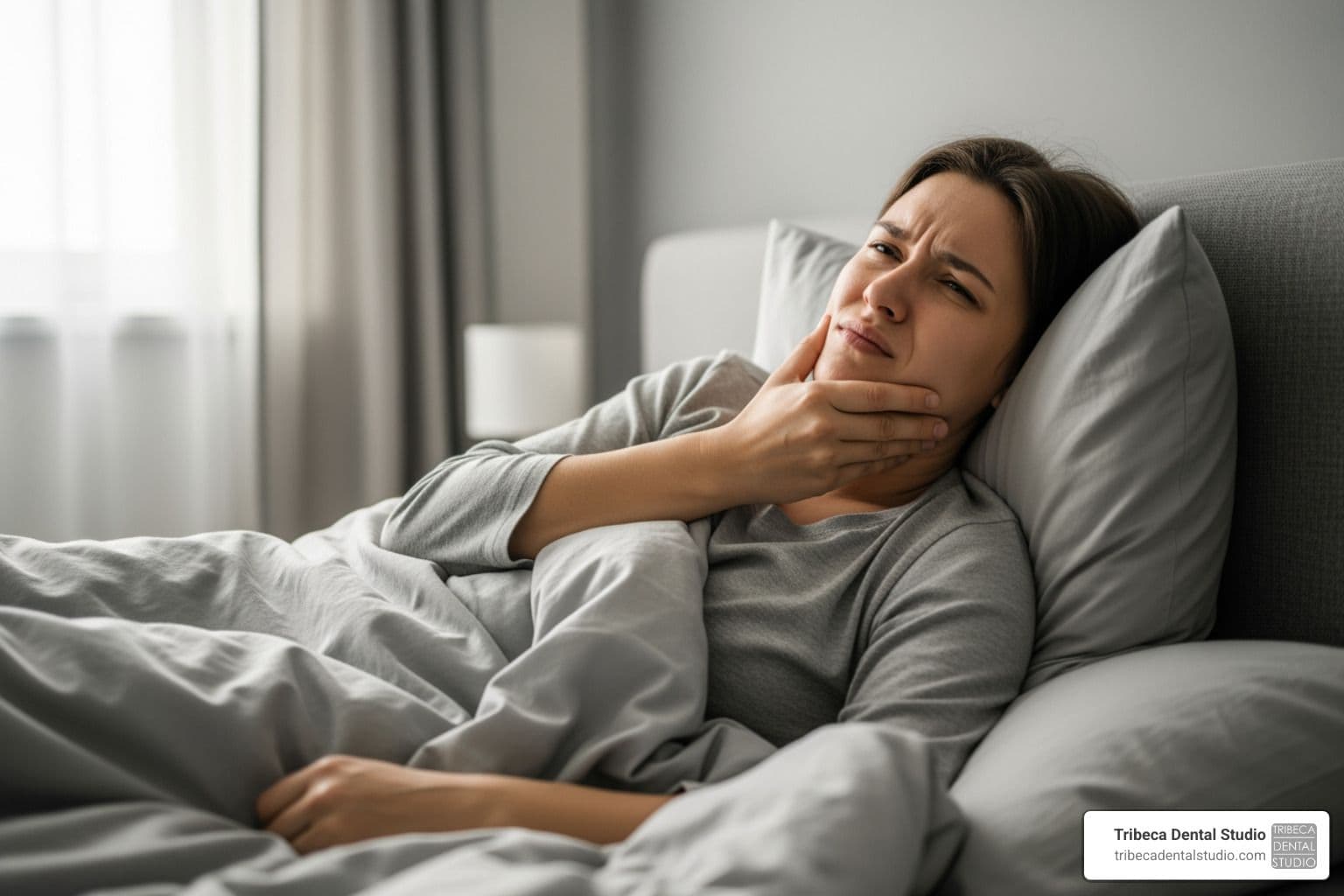
- Jaw Soreness and Facial Pain: You might wake up with tired, stiff, or tender jaw muscles, or a dull ache spreading across your face.
- Morning Headaches: Often described as a tension headache, feeling like a tight band around your head, these frequently occur due to the strain on your jaw muscles.
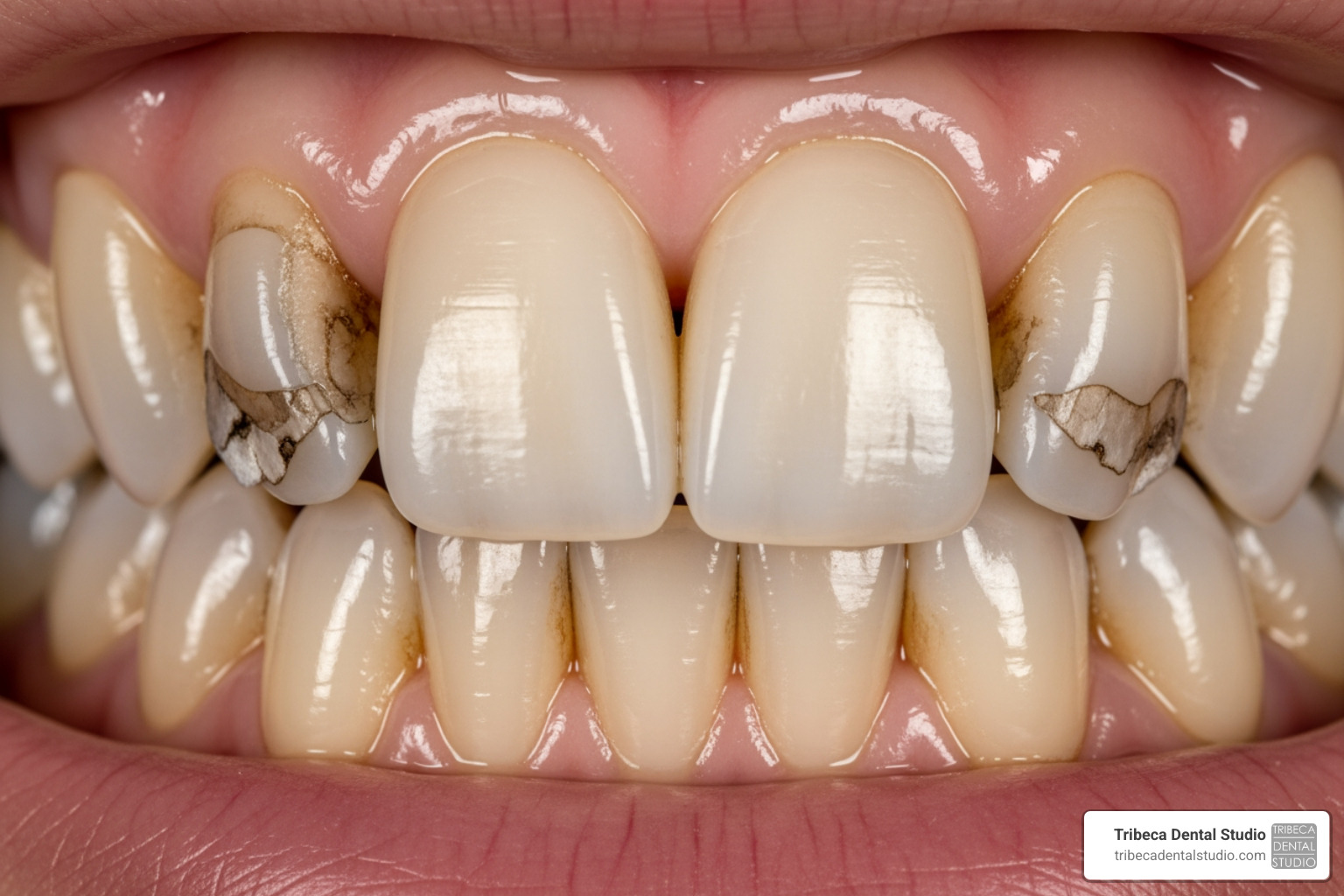
- Worn or Chipped Teeth: Over time, the constant friction and pressure can flatten, chip, or even fracture your teeth. We often see early cracks on the outer layer of teeth.
- Tooth Sensitivity: As enamel wears down, your teeth can become more sensitive to hot, cold, or sweet foods and drinks.
- Clicking or Popping Jaw Joint: Sounds from your temporomandibular joint (TMJ) when opening or closing your mouth can indicate strain or damage. In severe cases, your jaw might even lock.
- Partner Hearing Grinding Sounds: A sleeping partner might be the first to alert you to loud grinding noises, which can be quite disruptive.
- Scalloped Tongue: You might notice indentations or a “scalloped” appearance along the sides of your tongue, caused by pressing it against your teeth.
Uncovering the Root Causes
While the exact cause of sleep bruxism isn’t always clear, several factors are known to contribute. Understanding these can be key to figuring out how can I stop clenching my jaw in my sleep.
- Stress and Anxiety: This is arguably the most common culprit. Emotions like stress, anger, and anxiety play a significant role in jaw clenching. When you’re stressed, your body tenses up, and this can extend to your jaw muscles. We’ve seen a sharp increase in clenching-related damage, especially during periods of high stress like the recent pandemic. For more on this connection, read our article on Grind Teeth Anxiety.
- Sleep Disorders: Conditions like sleep apnea, a disorder where breathing repeatedly stops and starts during sleep, are strongly linked to increased jaw clenching. Research suggests people with sleep apnea clench their jaws more overnight than those without the disorder, possibly as an unconscious effort to open the airway. Other sleep issues, such as restless leg syndrome, can also be a factor.
- Misaligned Bite (Malocclusion): If your teeth don’t fit together perfectly, your jaw muscles might work harder to find a comfortable resting position, leading to clenching or grinding.
- Certain Medications: Some medications, particularly selective serotonin reuptake inhibitors (SSRIs) used for depression and anxiety, and stimulants, can have bruxism as a side effect.
- Lifestyle Factors: Excessive consumption of caffeine, alcohol, and nicotine, especially before bed, can increase jaw muscle activity and contribute to clenching. Certain illicit drugs, like cocaine and amphetamines, are also known to cause bruxism.
- Other Medical Conditions: Gastroesophageal Reflux Disease (GERD) and neurological disorders can also be risk factors.
The Long-Term Consequences of Untreated Bruxism
Ignoring sleep bruxism can lead to a cascade of problems that extend beyond simple discomfort. The constant, intense pressure on your oral structures can cause:
- Chronic Pain: Persistent jaw pain can spread to your ears, neck, and shoulders, leading to chronic headaches and discomfort that impacts your daily life and work performance.
- Temporomandibular Joint Disorders (TMJ): The TMJ connects your jawbone to your skull. Chronic clenching can strain and damage this joint, leading to pain, limited jaw movement, clicking, popping, and even jaw locking.
- Severe Tooth Damage: Beyond simple wear, teeth can become significantly flattened, chipped, fractured, or even loosened. In severe cases, this can necessitate extensive dental work like crowns, root canals, or even tooth extraction.
- Gum Recession: The excessive force can put stress on your gums, leading to recession and increased sensitivity.
- Tooth Loss: In the most severe and prolonged cases, untreated bruxism can ultimately lead to tooth loss. The financial cost of repairing such damage can be substantial, often tens of thousands of dollars.
At-Home Strategies: How Can I Stop Clenching My Jaw in My Sleep Naturally?
The good news is that there are many effective strategies you can try at home to reduce or even stop nighttime jaw clenching. These involve a combination of self-care, natural remedies, behavioral changes, and lifestyle adjustments. Let’s explore some of the most impactful approaches.
1. Master Stress Management & Relaxation
Since stress and anxiety are major drivers of bruxism, learning to manage them is crucial. The more relaxed you are, the less likely you’ll be to clench your jaw.
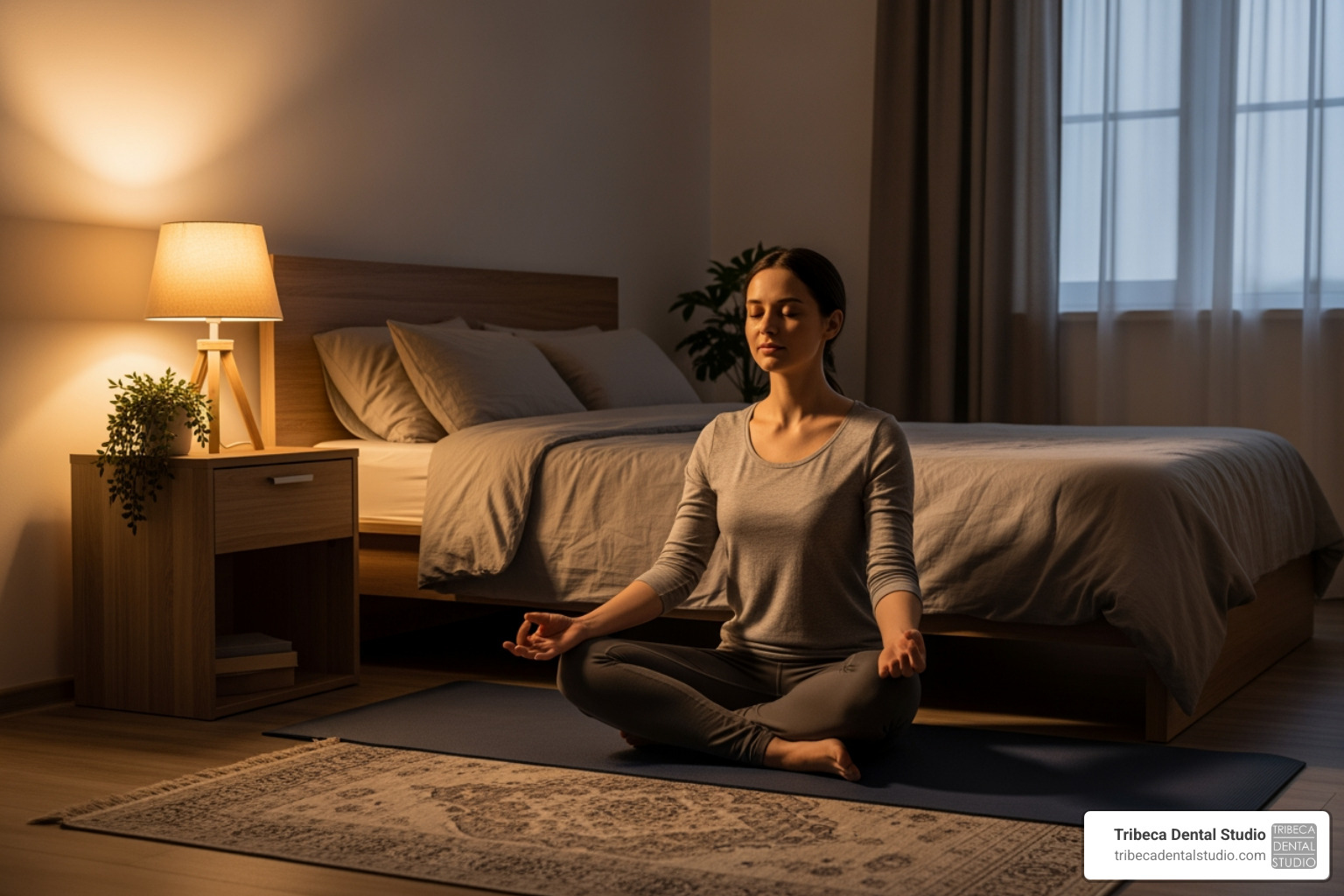
- Mindfulness and Deep Breathing: Consciously pay attention to your jaw throughout the day. When you notice tension, gently relax your jaw, ensuring your teeth are slightly apart and your tongue is resting gently on the roof of your mouth. Practice deep breathing exercises to calm your nervous system.
- Yoga and Progressive Muscle Relaxation: Incorporate calming activities like yoga or tai chi into your routine. Progressive muscle relaxation involves tensing and then relaxing different muscle groups, helping you become more aware of and release tension in your body, including your jaw.
- Calming Bedtime Routine: Create a ritual that signals to your body it’s time to wind down. This could include a warm bath, reading a book, or listening to soothing music. Avoid stimulating activities or difficult conversations before bed.
- Journaling: If negative thoughts or worries keep you up, try writing them down before bed. This can help you process and release them, preventing them from manifesting as jaw tension during sleep.
2. Make Smart Lifestyle and Dietary Changes
What you consume and how you live can significantly impact your bruxism.
- Limiting Caffeine: Caffeine is a stimulant that can increase muscle activity and tension. Try to limit your intake, especially in the afternoon and evening.
- Reducing Alcohol Consumption: While alcohol might seem relaxing, it can disrupt sleep patterns and worsen bruxism. Avoid alcohol close to bedtime.
- Avoiding Hard or Chewy Foods: Foods that require a lot of chewing can tire out your jaw muscles and exacerbate pain. Think about temporarily cutting back on nuts, tough meats, and chewing gum.
- Staying Hydrated: Dehydration can contribute to muscle cramps and tension. Drinking enough water throughout the day (around 11 cups for women and 15 cups for men) supports overall muscle function.
- Quitting Smoking: Nicotine is a stimulant and studies have linked smoking to an increased risk of bruxism.
3. Optimize Your Sleep Environment and Habits
Good sleep hygiene is fundamental for overall health and can directly impact sleep bruxism.
- Consistent Sleep Schedule: Going to bed and waking up at the same time every day, even on weekends, helps regulate your body’s internal clock.
- Cool, Dark, Quiet Room: Ensure your bedroom is conducive to sleep. A cool temperature, minimal light, and quiet surroundings promote deeper, more restful sleep.
- Sleeping on Your Back: Some experts suggest that sleeping on your back can help prevent jaw clenching by keeping your jaw in a more neutral position.
- Supportive Pillow: Use a pillow that properly supports your head and neck, as poor posture can contribute to jaw and neck tension.
- No Screens Before Bed: The blue light emitted from phones, tablets, and computers can interfere with melatonin production, a hormone essential for sleep. Avoid screens for at least an hour before bedtime.
4. Use Targeted Jaw Exercises and Self-Massage
Gentle exercises and massage can help relax tense jaw muscles and improve their flexibility.
- Jaw Relaxation Exercises:
- Tongue on Roof of Mouth: Place the tip of your tongue on the roof of your mouth, just behind your front teeth. Slowly open your mouth as wide as comfortable, hold for 5-10 seconds, then slowly close. Repeat 10-15 times. This helps teach your jaw to relax with teeth apart.
- Gentle Jaw Sliding: Gently slide your lower jaw forward until your bottom teeth are in front of your top teeth. Hold for 10 seconds, then return to a relaxed position. Repeat 10 times.
- Applying Warm Compresses: A warm, moist towel applied to the sides of your jaw for 15-20 minutes can help relax tight muscles and alleviate pain.
- Massaging Jaw Muscles: Gently massage the muscles around your jaw, cheeks, and temples. Use circular motions with your fingertips to release tension. You can also try massaging the muscles inside your mouth by pressing gently on the areas where you feel tension.
Professional Solutions for Persistent Jaw Clenching
While at-home strategies are a great starting point, sometimes professional intervention is necessary, especially when symptoms persist or worsen. As your dental team in Tribeca, NYC, we’re here to offer comprehensive diagnosis and advanced treatments.
When to Seek Professional Help
It’s important to know when it’s time to call in the experts. We recommend seeking professional help from a dentist or doctor if you experience:
- Persistent Pain: If jaw pain, headaches, or facial discomfort don’t improve with at-home remedies.
- Visible Tooth Wear: If you notice your teeth becoming visibly flattened, chipped, or fractured. Regular dental check-ups are crucial, as we can spot subtle signs of bruxism you might not even notice.
- Difficulty Opening Mouth: If you have trouble opening your mouth wide, or experience jaw locking or clicking that interferes with eating or speaking.
- Sleep Disruptions: If your partner reports loud grinding sounds that disturb their sleep, or if you suspect your bruxism is linked to a sleep disorder.
- Regular Dental Check-ups: Your dentist is often the first to identify signs of bruxism during routine examinations, even before you experience significant symptoms. Don’t wait for severe pain; early diagnosis can prevent extensive damage.
How can I stop clenching my jaw in my sleep with Dental Devices?
Dental devices are a cornerstone of managing sleep bruxism, offering protection and relief.
- Custom-Fitted Mouthguards/Night Guards/Dental Splints: These are the most common and effective dental solutions. A custom night guard is a small, personalized device made from durable plastic that fits precisely over your upper or lower teeth. It creates a physical barrier, preventing your teeth from grinding against each other and absorbing the intense forces of clenching. It protects your teeth from wear and tear and can significantly reduce jaw pain and headaches. It’s important to understand that a night guard is a protective device, not a cure; it won’t stop the muscle activity itself but will prevent damage and alleviate symptoms. We take impressions of your teeth to create a guard that offers the best fit and comfort.
- Mandibular Advancement Devices (MADs): These devices are primarily used to treat snoring and mild to moderate obstructive sleep apnea. They work by holding the lower jaw slightly forward, which helps keep the airway open. Because sleep apnea is often linked to bruxism, MADs can sometimes address both issues simultaneously. If we suspect a sleep disorder is contributing to your clenching, we might recommend exploring options like these. You can learn more about these solutions on our Services: Sleep Apnea Devices page.
How can I stop clenching my jaw in my sleep with Advanced Treatments?
For severe or persistent cases, we may explore more advanced medical and therapeutic options.
- Botox Injections: For some patients, Botox injections can be a highly effective treatment for severe bruxism. When injected into the masseter muscles (the primary chewing muscles), Botox temporarily immobilizes or weakens them, reducing the force and frequency of clenching. One useful treatment for bruxism is botox. It can relieve symptoms by immobilizing the muscles that cause tightness in the jaw. Patients often report significant pain reduction and less jaw muscle tension.
- Muscle Relaxants: In some cases, your doctor might prescribe muscle relaxants to help alleviate acute jaw pain and muscle spasms. However, research hasn’t consistently shown them to decrease grinding and clenching during sleep, and they are typically reserved for short-term use due to potential side effects.
- Physical Therapy: A physical therapist can provide specific exercises and techniques to stretch and strengthen jaw muscles, improve range of motion, and reduce pain. They might also use modalities like ultrasound or heat therapy.
- Addressing Underlying Conditions: If your bruxism is linked to an underlying sleep disorder like sleep apnea, treating that condition can significantly reduce or eliminate your clenching. This often involves a sleep study to properly diagnose the issue. We offer Services: Sleep Studies to help our patients get to the root of their sleep-related issues. Similarly, if severe anxiety or stress is the primary driver, a mental health professional may be recommended.
Frequently Asked Questions About Nighttime Jaw Clenching
We often get asked similar questions by our patients at Tribeca Dental Studio. Here are some common concerns about how can I stop clenching my jaw in my sleep:
Will a night guard completely stop me from grinding my teeth?
It’s a common misconception that a night guard will completely stop the act of grinding or clenching. The reality is that night guards are primarily protective devices, not a cure. They create a barrier between your upper and lower teeth, preventing them from grinding against each other and absorbing the immense pressure. This significantly reduces tooth wear, chipping, and damage, and alleviates symptoms like jaw pain and headaches. However, the underlying muscle activity of clenching may still occur, albeit without the damaging consequences to your teeth. Think of it like a helmet for your teeth – it protects you, but doesn’t stop the activity that might lead to an impact.
Is there a genetic link to teeth grinding?
Yes, there appears to be a genetic component to bruxism. Research suggests that between 20-50% of individuals who grind their teeth also have family members who experience the same issue. This indicates a hereditary predisposition, meaning you might be more likely to clench your jaw if one of your parents or siblings does. However, genetics are just one piece of the puzzle; lifestyle factors, stress levels, and other health conditions also play a huge role.
My child grinds their teeth. Should I be worried?
It can be unsettling to hear your child grinding their teeth at night, but it’s actually quite common, especially in younger children. Up to 40% of children experience bruxism, and most of them will outgrow it by adolescence without any lasting issues. Often, it’s a phase related to development or stress.
However, if your child complains of jaw pain, experiences frequent headaches, or if we notice significant wear or damage to their primary or permanent teeth during a dental check-up, it’s important to consult with a pediatric dentist. We can assess the situation, rule out other causes, and recommend appropriate interventions if necessary to prevent long-term damage.
Conclusion: Reclaim Your Nights and Protect Your Smile
Waking up with a sore jaw or a headache is no way to start your day, and it’s a clear sign your body is trying to tell you something. Understanding how can I stop clenching my jaw in my sleep involves a comprehensive approach that combines self-awareness, lifestyle adjustments, and professional dental care.
We’ve explored a range of strategies, from mastering stress management and optimizing your sleep environment to utilizing targeted jaw exercises and, when necessary, advanced dental and medical treatments. The key is to find the right combination of solutions that works for you. A custom-fitted night guard can be an invaluable tool in protecting your precious smile from the powerful forces of bruxism.
At Tribeca Dental Studio, we believe in a personalized approach to dentistry, treating each patient like family. If you’re experiencing symptoms of nighttime jaw clenching, don’t hesitate to reach out. Our team, led by Dr. Nina Izhaky, is here to provide comprehensive, advanced, and welcoming oral healthcare right here in Tribeca, NYC. Take action today for better sleep, reduced pain, and a healthier smile.
Learn more about our advanced sleep apnea and bruxism treatments.