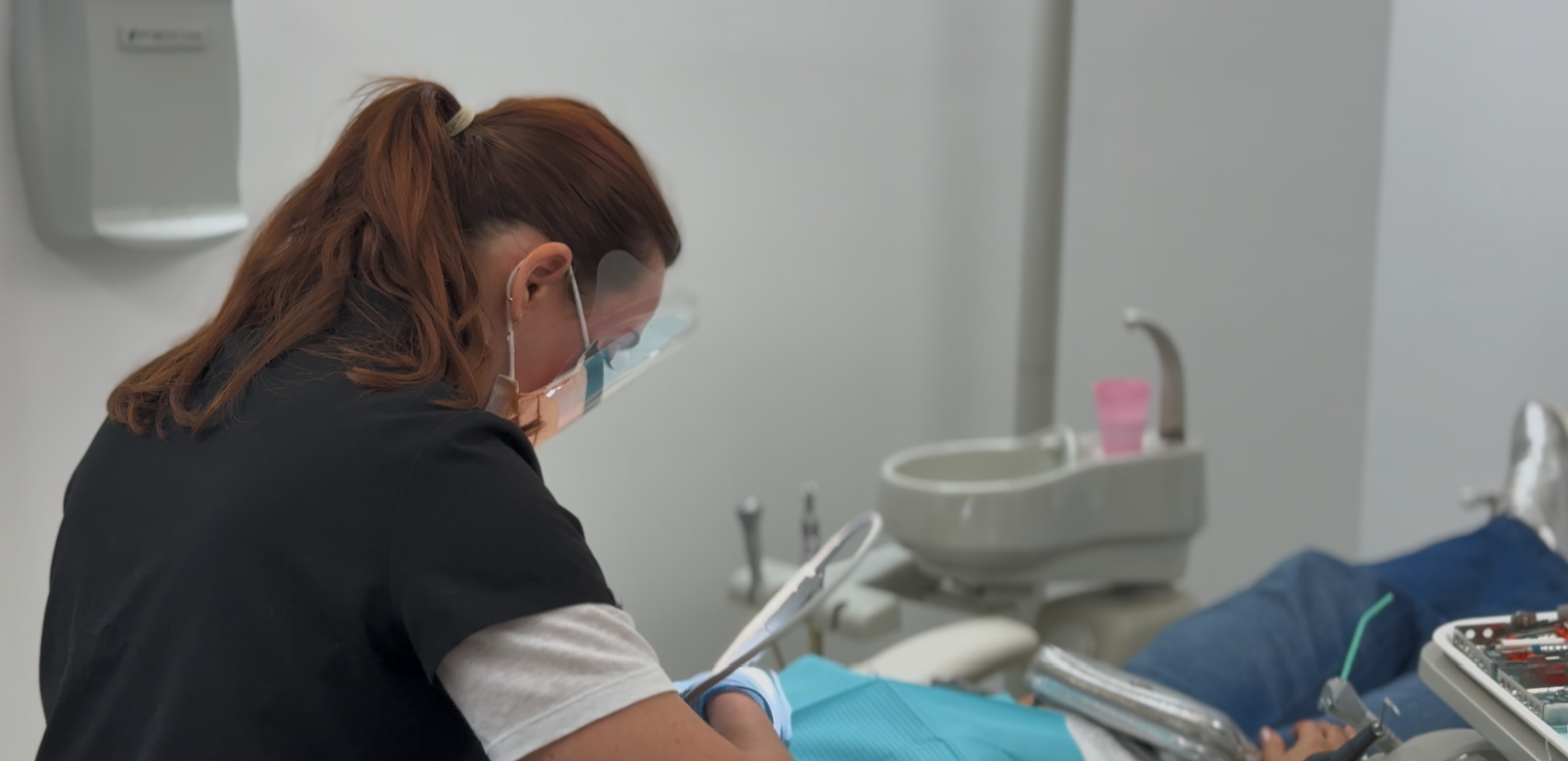
Your Child’s Smile: An Introduction to Pediatric Dentistry
Finding a pediatric dentist bronx families trust is a crucial step in safeguarding your child’s health. Pediatric dentistry is a specialized field focused exclusively on the oral health of infants, children, and adolescents. These dentists complete advanced training beyond general dental school, equipping them with the unique skills needed to manage a child’s dental development, from their first baby tooth to their permanent smile.
In a busy borough like the Bronx, where families juggle school, work, and activities across New York City, having a reliable pediatric dental partner simplifies an important part of your child’s healthcare. Instead of waiting until there is a problem, a pediatric dentist helps you stay ahead of issues with thoughtful prevention and clear guidance custom to your child’s age and stage.
Core Services of a Pediatric Dentist
A pediatric dental practice offers a comprehensive range of services custom to children’s needs:
- Preventive Care: This is the cornerstone of pediatric dentistry. It includes professional cleanings to remove plaque and tartar, fluoride treatments to strengthen enamel and prevent cavities, and the application of dental sealantsa thin, protective coating applied to the chewing surfaces of back teeth to block out decay. Crucially, it also involves personalized oral hygiene education for both parents and children.
- Restorative Treatments: When decay or injury occurs, pediatric dentists use child-friendly techniques to restore teeth. This includes tooth-colored fillings that blend seamlessly with natural teeth, durable dental crowns to protect weakened teeth, and pulpotomy (often called a “baby root canal”) to save a severely decayed baby tooth from extraction. Restorative visits are also opportunities to coach children and parents on how to reduce the risk of future problems.
- Early Orthodontic Evaluation: Pediatric dentists monitor jaw growth and tooth eruption patterns to identify potential orthodontic issues early. They may use interventions like space maintainers to hold space for a permanent tooth after a baby tooth is lost prematurely, preventing future crowding. Early collaboration with orthodontists can shorten or simplify future orthodontic treatment.
- Emergency Dental Care: Accidents happen. A pediatric dentist is prepared to provide same-day treatment for dental injuries like chipped or knocked-out teeth, as well as urgent care for severe toothaches, helping to alleviate pain and prevent further complications. Having an established dental home means you know exactly whom to call when a dental emergency occurs on the playground or at a weekend sports game.
- Special Needs Care: They receive specialized training to provide compassionate and effective dental care for children with complex health conditions, developmental disorders, or physical limitations, ensuring every child can receive treatment in a safe and supportive setting. This may include modified appointment times, quiet rooms, or gradual desensitization visits so children can adapt at their own pace.
- Sedation Options: To help anxious or fearful children receive necessary care, pediatric dentists are trained to safely administer sedation options, including nitrous oxide (“laughing gas”) and, when necessary, coordinating general anesthesia in a hospital setting. Sedation is always carefully evaluated and discussed with parents so that they can make informed choices.
With a population of approximately 100,000 children under the age of 10 in the Bronx, establishing a dental home is more important than ever. A dental home is a centralized, accessible place for all your child’s dental needs. Research consistently shows that children who have positive, regular dental experiences from a young age are far more likely to maintain these healthy habits into adulthood, significantly reducing their risk of cavities and gum disease.
A strong dental home also gives parents a trusted resource for day-to-day questions, such as which toothbrush is best, what to do if a child grinds their teeth at night, or how thumb-sucking might impact the bite. Instead of relying on guesswork or internet searches, Bronx parents can receive specific, clinically based answers that match their child’s needs.
Why early dental visits matter: In line with recommendations from the American Academy of Pediatric Dentistry, your child’s first dental visit should be scheduled by their first birthday or within six months of their first tooth erupting. This “first visit by first birthday” approach is not just about checking for cavities. It’s a proactive step that allows the dentist to monitor dental and facial development, identify any potential issues before they become painful or complex, and provide parents with essential guidance on everything from proper brushing techniques for tiny teeth to dietary advice and teething tips. This early partnership sets the stage for a lifetime of positive oral health.
During these early visits, the appointment often focuses more on education and comfort than on treatment. The dentist may perform a “knee-to-knee” exam with a parent, gently counting and examining the teeth while explaining what they see. Parents are encouraged to ask questions about pacifier use, bottle or breastfeeding habits, and how to transition to an open cup. These simple conversations can significantly reduce the risk of early childhood cavities.
As children grow, pediatric dentists continue to evaluate how habits, diet, and daily routines are affecting oral health. For example, they might help a Bronx family steer sports drinks and after-school snacks, or discuss how orthodontic needs may fit into a teenager’s busy schedule.
As Dr. Nina Izhaky, founder of Tribeca Dental Studio, I’ve dedicated my career to providing this exact level of compassionate, personalized dental care. We proudly serve families from across New York City, including those looking for a trusted pediatric dentist bronx residents can rely on. Our philosophy is to treat every patient like family, combining the expertise of pediatric specialists and orthodontists with advanced technology in a warm, welcoming environment. We aim to make every visit a positive, educational, and stress-free experience for you and your child.
Families who live or work in Manhattan, Tribeca, and nearby boroughs like the Bronx often appreciate the flexibility of being able to coordinate pediatric, orthodontic, and adult dental visits in one practice. At Tribeca Dental Studio, our team takes time to learn each child’s personality, preferences, and sensitivities so that care can be genuinely individualized rather than one-size-fits-all.
Why Choose a Pediatric Dentist? The Specialist Advantage
When it comes to your childs oral health, choosing a pediatric dentist offers a distinct advantage over a general or family dentist. These dental professionals are often called the “pediatricians of dentistry” for a good reason. After completing dental school, they undergo an additional two to three years of rigorous residency training. This specialized program is focused on the unique dental needs of infants, children, and adolescents, including comprehensive care for children with special healthcare needs. This advanced education covers topics not extensively addressed in general dentistry, such as pediatric sedation, hospital dentistry, advanced behavior management, and the treatment of complex dental-facial developmental issues.
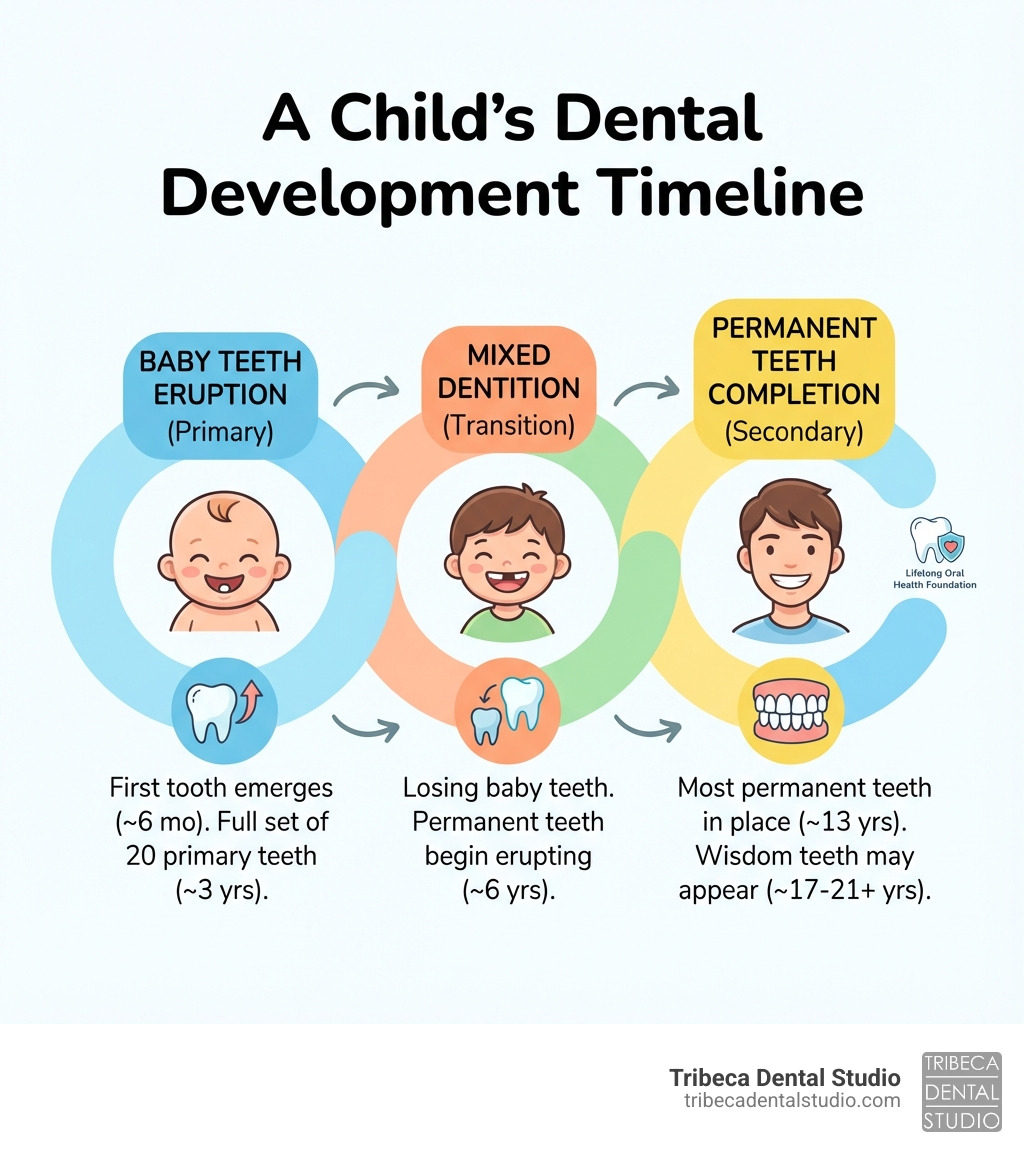
This specialized training equips them with a deep, nuanced understanding of child psychology, growth, and development. They know that a child’s mouth is not just a smaller version of an adult’s; it is a dynamic, rapidly changing environment. They can accurately track the eruption of baby teeth, guide the proper development of the permanent dentition, and assess jaw growth for potential orthodontic concerns. This expertise allows them to provide precisely age-appropriate care, from a baby’s first check-up to a teenager’s wisdom teeth evaluation.
Pediatric dentists also spend extensive time learning how to communicate with both children and caregivers in clear, reassuring language. They are trained to recognize age-specific fears, attention spans, and developmental milestones. For example, a toddler visit might focus on gentle acclimation, while an elementary-aged child might receive more detailed coaching about brushing and flossing independently.
Perhaps the most significant benefit of choosing a pediatric dentist is their mastery in creating positive dental experiences. A child’s early encounters with a dentist can profoundly shape their attitude towards oral care for life. Pediatric dentists are skilled in proven behavior management techniques, such as “Tell-Show-Do,” where they explain what they are going to do, show the child the tool, and then perform the action. They use positive reinforcement, child-friendly language (e.g., “Mr. Thirsty” for the suction tool), and create a welcoming, non-threatening environment. This focus on a child’s mental and emotional well-being is crucial for building trust, alleviating anxiety, and fostering the confidence needed to encourage good oral hygiene habits that last a lifetime.
In many Bronx and Manhattan families, siblings span a wide range of ages. A pediatric dentist understands how to tailor each visit to the child in the chair, but also how to keep the whole family engaged. They might invite an older sibling to demonstrate proper brushing for a younger child, or offer teens more autonomy and conversation about appearance, sports, and orthodontic care.
The Difference Between a Pediatric and Family Dentist
While a family dentist is qualified to treat patients of all ages, a pediatric dentist offers a specialized approach custom specifically to children. The differences in training, environment, and philosophy of care are significant. Heres a quick comparison:
| Feature | Pediatric Dentist | Family Dentist |
|---|---|---|
| Training | 2-3 years of specialized residency after dental school focusing on child-specific care, psychology, and development. | General dental degree; treats patients of all ages but without specialized pediatric residency. |
| Office Environment | Designed to be child-friendly with bright colors, toys, and smaller, less intimidating equipment. | Typically designed for adult patients, which can sometimes feel sterile or intimidating to a child. |
| Equipment | Uses child-sized instruments and equipment for a more comfortable and precise fit in smaller mouths. | Uses standard adult-sized equipment, which may be uncomfortable for children. |
| Approach to Care | Proactive and preventive, with a strong focus on behavior management, education, and creating positive experiences. | Primarily focused on treating existing dental problems across a wide age range. |
| Special Needs | Extensive training and experience in treating children with special physical, emotional, or medical needs. | May have limited experience or training in managing patients with special healthcare needs. |
Beyond these differences, pediatric dentists also structure appointments with children in mind. Visits are often shorter and more interactive, with frequent breaks and clear explanations. Waiting rooms typically include books, games, and visual aids that teach kids about healthy teeth while keeping them relaxed.
For Bronx parents who may travel into Tribeca or other parts of Manhattan for work, choosing a pediatric dental office that feels warm and engaging can be the difference between a stressful appointment and one that becomes a positive routine. A pediatric-focused team is used to welcoming nervous first-time visitors and helping them leave with a sense of pride and accomplishment.
The Importance of Early Dental Visits
The American Academy of Pediatric Dentistry emphasizes that a child should see a dentist by their first birthday or within six months of the first tooth erupting. This recommendation often surprises parents, but those first few teeth are vulnerable to decay, especially if a child frequently falls asleep with a bottle, sippy cup, or while breastfeeding.
Early dental visits allow the dentist to:
- Check for early signs of tooth decay, developmental concerns, or oral habits (like thumb-sucking or tongue thrusting) that could affect jaw growth.
- Review brushing and flossing techniques and suggest age-appropriate tools, such as finger brushes for infants or small, soft-bristled brushes for toddlers.
- Discuss nutrition and how snacks, juices, or frequent grazing may increase the risk of cavities.
- Provide guidance about fluoride, both in drinking water and in toothpaste, to balance protection against cavities with safety for young children.
For families in the Bronx, where schedules can be demanding and access to care may vary by neighborhood, establishing an early connection with a pediatric dentist means potential problems are spotted before they become painful or expensive. Instead of waiting until a child is in distress, parents can work with the dentist to build a preventive plan that fits their lifestyle.
At practices like Tribeca Dental Studio, early visits are designed to be relaxed and encouraging. Parents are welcome in the treatment area, and the team moves at the childs pace. When the first visit becomes a fun, short introduction rather than a long, complex appointment, children are more likely to view future dental care as normal and manageable.
Over time, regular six-month checkups create a detailed record of your childs growth. The pediatric dentist tracks how the baby teeth are spacing, when permanent teeth are erupting, and whether there are any early signs that braces or other orthodontic treatment may be needed. This long-term view is one of the biggest advantages of choosing a dedicated pediatric dentist for your childs smile.