Unlocking Your Smile: Everything About Pterygoid Implants
December 31, 2025
Understanding Pterygoid Implants: A Solution for Severe Bone Loss
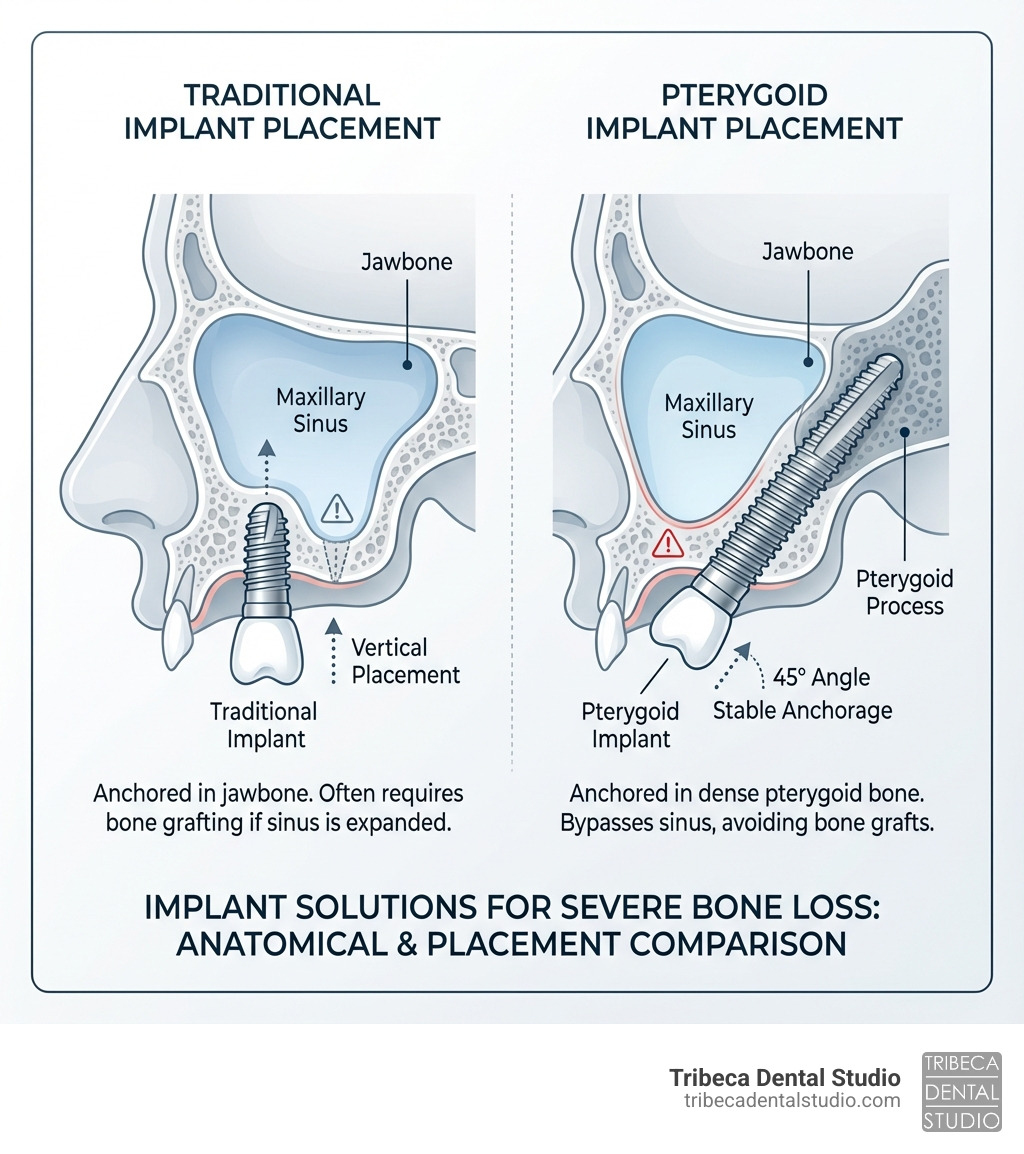
Pterygoid dental implants are specialized dental implants designed for patients with severe upper jaw bone loss. Unlike traditional implants that are placed vertically into the jawbone, pterygoid implants are anchored at a 45-degree angle into the pterygoid process of the sphenoid bone—a dense, stable area behind the upper jaw that resists bone resorption.
Key Facts About Pterygoid Dental Implants:
- What they are: Long implants (typically 16-20mm) placed at an angle through the maxillary tuberosity into the pterygoid bone
- Who needs them: Patients with severe posterior maxillary atrophy (upper jaw shrinkage) who cannot support traditional implants
- Main advantages:
- Avoid sinus augmentation and bone grafting procedures
- Shorter treatment timeline (no waiting for bone graft healing)
- Success rate over 95%
- Provide stable support for full-arch restorations
- Also called: Pterygo-maxillary implants or tuberosity implants
Why They Matter:
When you’ve been told you don’t have enough bone for traditional dental implants, pterygoid implants offer a graftless alternative. They bypass the weak, resorbed bone in your upper jaw and anchor into the strong pterygoid bone instead. This means you can often avoid months of bone grafting and get your new teeth faster.
How They’re Different:
Traditional implants go straight down into your jawbone. Pterygoid implants angle back at 45 degrees to reach stronger bone. This unique placement allows them to work even when the maxillary sinus has expanded and destroyed most of your natural jaw bone.
As Dr. Nina Izhaky, I’ve helped many patients at Tribeca Dental Studio who were told they weren’t candidates for dental implants due to severe bone loss, and pterygoid dental implants have often provided the solution they needed. Our state-of-the-art 3D imaging and experienced surgical team make these advanced procedures accessible and predictable.
What Are Pterygoid Implants and How Do They Differ from Traditional Solutions?
At Tribeca Dental Studio, we often encounter patients who have been told they are not candidates for conventional dental implants due to significant bone loss in their upper jaw. This is where pterygoid dental implants come into play as a remarkable, specialized solution.
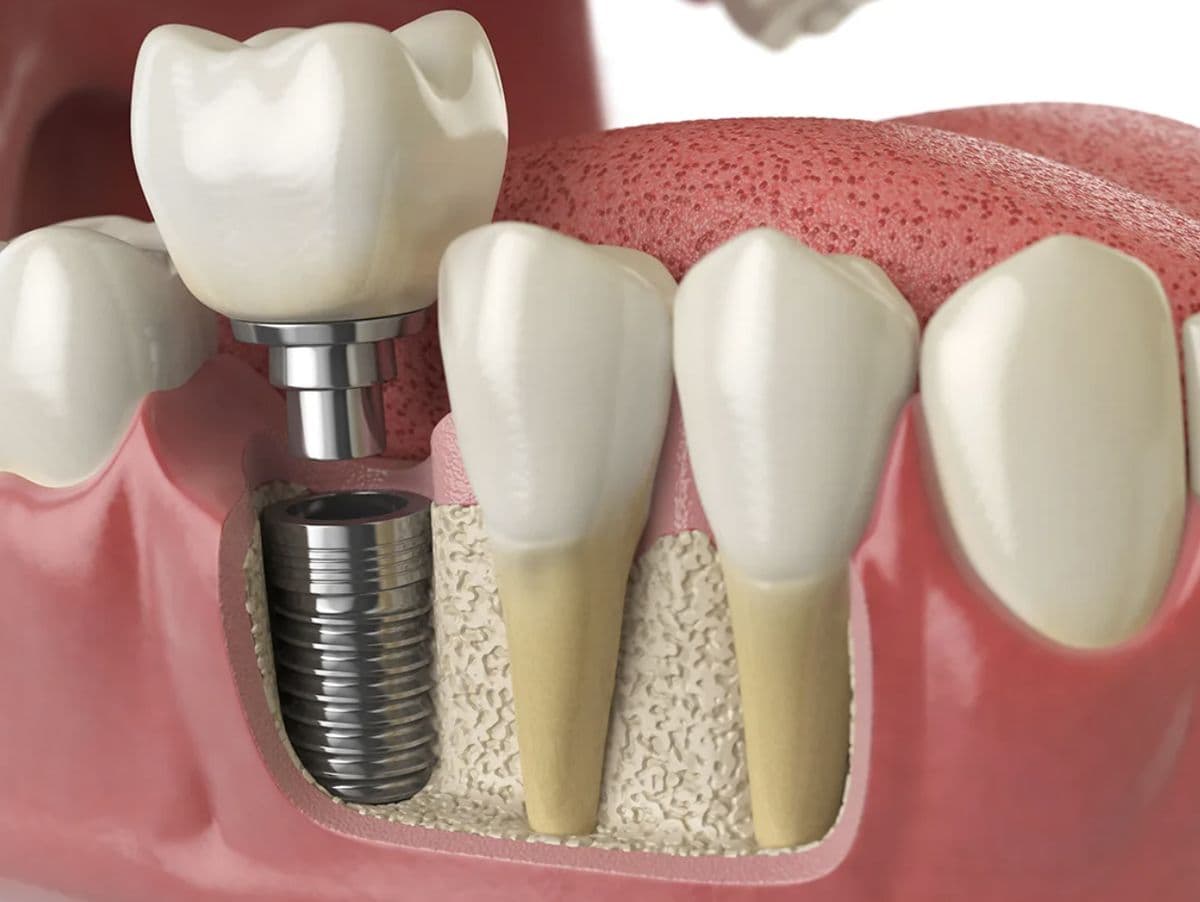
So, what exactly are they? Pterygoid implants are a unique type of dental implant designed for the most challenging cases of maxillary bone deficiency. Unlike traditional dental implants, which are typically placed vertically into the alveolar bone of the jaw, pterygoid implants are non-traditional and much longer. They generally range from 16-20mm in length, though some can be up to 25mm. Their distinctive feature is their placement: they are inserted at a specific, often 45-degree, angle through the maxillary tuberosity (the rounded prominence at the back of the upper jaw) and into the dense cortical bone of the pterygoid process of the sphenoid bone. This strategic anchorage point, located deep behind the upper jaw and bypassing the maxillary sinus, provides a robust and stable foundation for dental prosthetics.
You might also hear them referred to as pterygo-maxillary implants or tuberosity implants. Regardless of the name, their purpose remains the same: to offer a permanent, graftless solution for tooth replacement when conventional methods are not feasible. This advanced approach allows us to restore smiles and function even for patients with severe bone resorption, offering a path to permanent teeth that might have seemed impossible before. For more general information on dental implants and how they can restore your smile, please visit our Dental Implants page.
The Problem with Severe Maxillary Atrophy
The posterior maxilla (the back part of your upper jaw) presents unique challenges for dental implant placement. This area is often characterized by poor bone quality and quantity, which can be further exacerbated by several factors:
- Bone Resorption: After tooth loss, the jawbone naturally begins to resorb or shrink. This process can be quite severe over time, leading to significant jawbone shrinkage, also known as atrophic maxilla.
- Poor Bone Quality: The bone in the posterior maxilla is often less dense and more porous (Type IV bone) compared to other areas of the jaw, making it less ideal for supporting traditional implants.
- Pneumatization of the Maxillary Sinus: The maxillary sinuses, air-filled cavities located above your upper back teeth, tend to expand downwards after tooth loss. This “pneumatization” further reduces the available bone height for implant placement.
These conditions mean that traditional implants, which require a certain amount of healthy, dense bone for stability, often cannot be placed without extensive preliminary procedures. In such cases, patients are often told they lack sufficient bone volume, leading to disappointment and the belief that permanent dental implants are out of reach. For those dealing with severe bone loss in the Tribeca area, we offer specialized solutions, including zygomatic bone grafting alternatives, which you can learn more about on our Dental Implants for Severe Bone Loss in Tribeca: Zygomatic Bone Grafting Solutions page.
How Pterygoid Implants Overcome Bone Loss
This is where pterygoid dental implants shine as a true game-changer. They are specifically designed to circumvent the limitations posed by severe maxillary atrophy by utilizing a different, often untouched, source of bone.
Instead of relying on the compromised bone of the alveolar ridge, pterygoid implants achieve anchorage by engaging the dense cortical bone of the pterygoid process of the sphenoid bone. This bone is known for its hardness and compactness, providing excellent support and high primary stability for the implant. By anchoring into this robust structure, we can bypass the areas of weak maxillary bone and the enlarged maxillary sinus altogether.
This strategic placement provides a stable foundation for your new teeth, even when the rest of your upper jaw has significantly atrophied. The biomechanical stability offered by pterygoid implants is exceptional; once osseointegrated (fused with the bone), they can resist both axial and non-axial forces effectively. Furthermore, their ability to achieve high primary stability often allows for immediate loading, meaning you can potentially receive a temporary set of teeth on the same day as your implant surgery. The American College of Prosthodontists recognizes the value of this approach, highlighting the scientific validation of implants in this region in their Position Statement on Pterygoid Implants.
The Pterygoid Advantage: Who Is a Candidate and What Are the Benefits?
For years, patients with severe bone loss in the upper jaw faced limited options, often relegated to uncomfortable dentures or extensive, time-consuming bone grafting procedures. Today, pterygoid dental implants offer a transformative alternative.
Ideal Candidate Profile:
We find that the ideal candidates for pterygoid dental implants are typically individuals who:
- Have severe posterior maxillary atrophy, meaning significant shrinkage or loss of bone in the back of their upper jaw.
- Have been told they are not suitable for traditional dental implants due to insufficient bone volume or quality.
- Have experienced failed previous implant attempts in the posterior maxilla.
- Are looking for a graftless solution to avoid the need for sinus augmentation or bone grafting.
- Desire a fixed, permanent full-arch restoration without the extended healing times associated with bone grafts.
- Have long-term edentulism (missing all teeth in the upper arch) and require stable posterior support for their new prosthesis.
Key Advantages of Choosing Pterygoid Implants:
- Permanently Replace Missing Teeth: Pterygoid implants provide a stable, long-lasting foundation for a full set of fixed teeth, restoring your ability to chew, speak, and smile with confidence.
- Avoid Sinus Augmentation and Bone Grafting: This is perhaps the most significant advantage. By anchoring into the dense pterygoid bone, these implants bypass the need for invasive and time-consuming procedures like sinus lifts and bone grafts.
- Shorter Treatment Timeline: Eliminating the need for grafting drastically shortens the overall treatment period. Instead of waiting many months for bone grafts to heal, you can proceed directly to implant placement and often immediate loading.
- High Success Rate: Pterygoid implants boast an impressive success rate of over 95%, with some studies reporting as high as 99%, making them a highly predictable treatment option.
- Can Be Used with Traditional Implants: They integrate seamlessly into comprehensive treatment plans, often used in conjunction with traditional implants in the anterior maxilla or even with zygomatic implants for full maxillary reconstruction.
- Easy to Clean: Once restored, the prosthetics supported by pterygoid implants are generally easy to maintain with regular oral hygiene practices, similar to natural teeth.
- Reduced Morbidity, Lower Costs, Shorter Healing: Compared to complex bone augmentation surgeries, pterygoid implant surgery is typically associated with less overall discomfort, potentially lower treatment costs (by avoiding grafting expenses), and a quicker recovery.
Why Choose Pterygoid Implants Over Bone Grafting?
For many years, if you had insufficient bone in your upper jaw for traditional implants, the standard recommendation involved bone grafting procedures like a sinus lift. While effective, these procedures come with significant drawbacks:
- Avoiding Sinus Augmentation: A sinus lift, or sinus augmentation, involves adding bone material to the area of your upper jaw where your natural bone has receded due to an enlarged maxillary sinus. This is a common procedure, and you can learn more about it on our Sinus Lift page. However, it’s an additional surgery with its own healing period. Pterygoid dental implants are specifically designed to avoid this, as they anchor into bone far behind the sinus.
- Avoiding Bone Grafting Procedures: Similarly, other forms of bone grafting, where bone is added to rebuild the jaw ridge, are circumvented. This means less surgical intervention and a smoother journey to your new smile. For general information on bone grafting, visit our Dental Implants: Bone Grafting page.
- Shorter Treatment Timeline: This is a major advantage. Bone grafts require several months (often 6-9 months or more) to heal and integrate before implants can even be placed. By choosing pterygoid implants, you eliminate this waiting period, significantly accelerating your path to a fully restored smile.
- Reduced Surgical Morbidity: Fewer surgical sites generally mean less discomfort, swelling, and potential complications.
- Lower Overall Cost: While the initial cost of specialized implants can be a consideration, avoiding the separate surgical fees, materials, and healing time associated with extensive bone grafting can lead to a more cost-effective treatment plan in the long run.
The Role of Pterygoid Dental Implants in Full-Arch Restorations
When it comes to restoring an entire arch of missing teeth, particularly in the upper jaw, pterygoid dental implants are invaluable.
- Posterior Support for Full Bridges: They provide crucial posterior anchorage, which is essential for supporting a full-arch fixed dental bridge. Without strong support in the back, long dental bridges can experience excessive forces, leading to complications.
- Eliminating Distal Cantilevers: By extending the support to the very back of the arch, pterygoid implants help to eliminate or significantly reduce the need for “distal cantilevers”—sections of the bridge that extend unsupported beyond the last implant. This improves the biomechanics and longevity of the restoration.
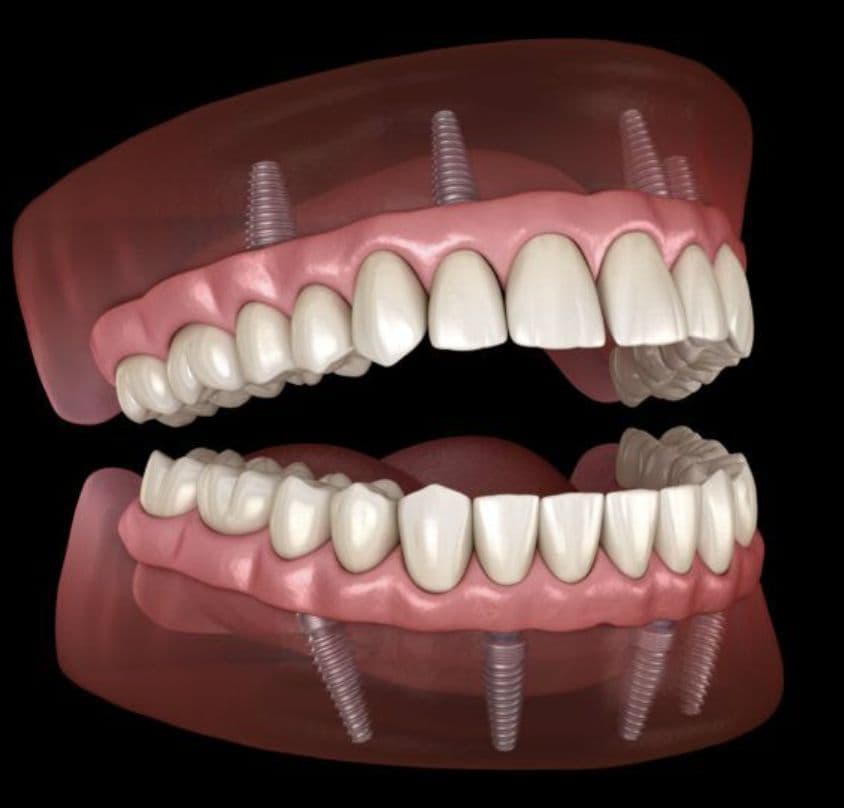
- Use with All-on-4 Concepts: While the All-on-4 concept typically uses four implants, sometimes additional posterior support is beneficial, especially in cases of severe atrophy. Pterygoid implants can be integrated into modified All-on-4 or All-on-6 protocols to improve stability and support. You can explore how we restore smiles with comprehensive solutions like All-on-4 Dental Implants.
- Combining with Traditional or Zygomatic Implants: Pterygoid implants can be part of a hybrid approach. They can be used alongside traditional implants placed in the anterior maxilla (if sufficient bone exists) or even combined with zygomatic implants in cases of extreme bone loss, achieving a robust framework for full maxillary reconstruction and better force distribution.
The Surgical Procedure for Pterygoid Dental Implants
Placing pterygoid dental implants is an advanced surgical procedure that requires meticulous planning and a highly skilled surgical team. At Tribeca Dental Studio, we prioritize your safety and the precision of your treatment.
Surgical Planning:
Our planning begins with state-of-the-art diagnostic tools:
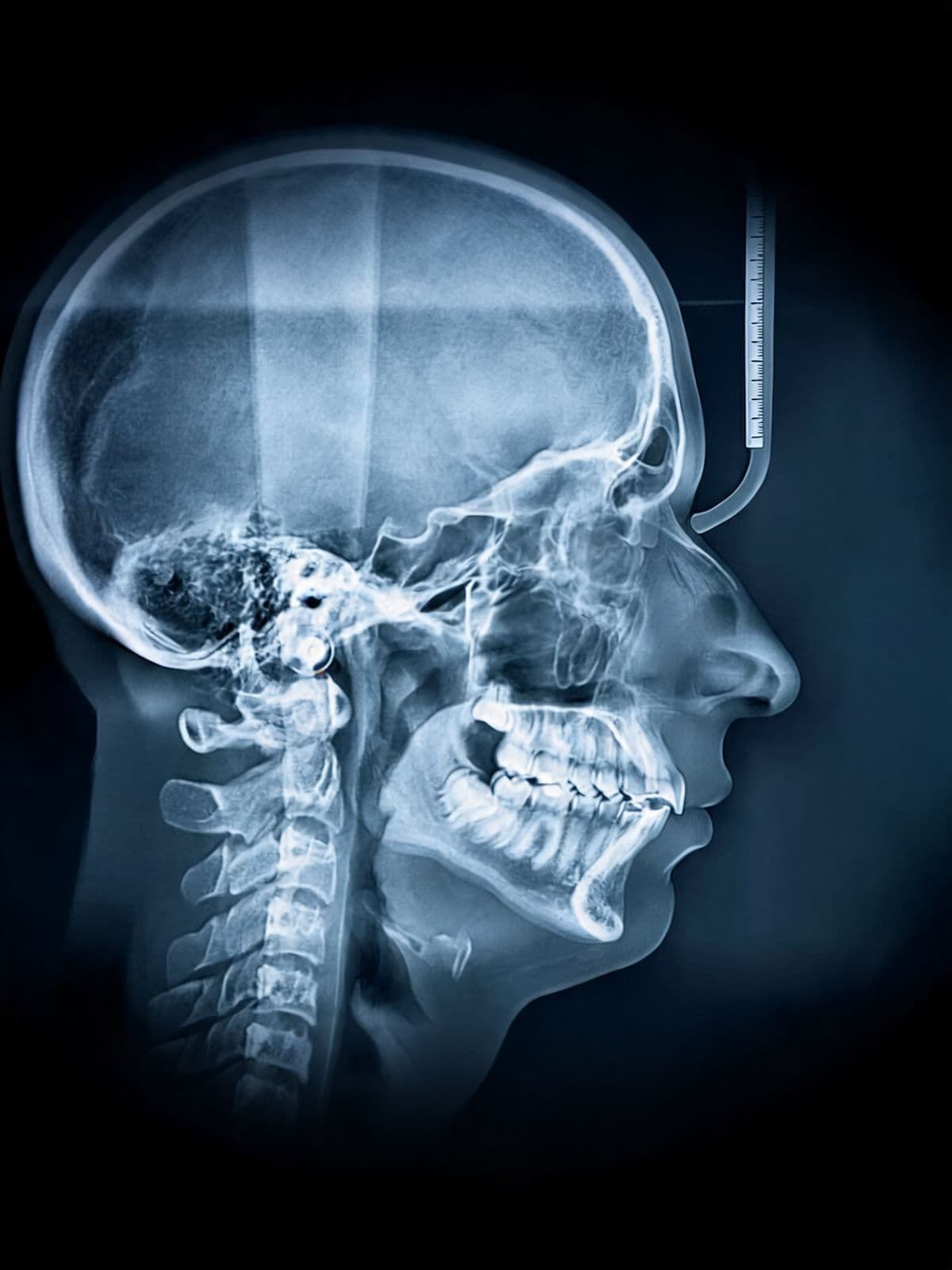
- CBCT Imaging: We use Cone Beam Computed Tomography (CBCT) scans, which provide detailed 3D images of your teeth, jawbone, and surrounding anatomical structures. This is vital for evaluating bone density, identifying the precise location of the pterygoid bone, and assessing proximity to vital structures like nerves and blood vessels.
- 3D Surgical Guides: Based on your CBCT scan and digital treatment planning software, we create custom-made 3D printed surgical guides. These guides act as a template during surgery, ensuring the exact angulation and depth for implant placement, maximizing accuracy and safety.
- Facially Generated Treatment Plans: We also incorporate facial scanning and digital smile design to ensure that the final restoration not only functions perfectly but also complements your facial aesthetics.
This comprehensive planning allows us to visualize the entire procedure before it even begins, ensuring predictable outcomes. Our expertise in Oral Surgery ensures that every step is handled with the utmost care.
Surgical Technique Overview:
The procedure is typically performed under local anesthesia, ensuring you are comfortable throughout. Sedation options are also available for those who prefer it.
- Preparation: After administering local anesthesia, the surgical site is prepared.
- Access: A small incision is made to expose the maxillary tuberosity area at the back of the upper jaw, typically around where your wisdom teeth once were.
- Osteotomy Preparation: Using specialized drills and the 3D surgical guide, a precise channel (osteotomy) is prepared. The entry point is often at the third molar position, with a specific inward angulation (around 30-45 degrees) directed towards the pterygoid bone. Our surgeons use tactile sensibility and anatomical landmarks, such as palpating the back of the tuber and the pterygoid hamulus, to guide the trajectory.
- Implant Insertion: The pterygoid dental implant is then carefully inserted into the prepared site, engaging the dense cortical bone of the pterygoid process. This unique angulation allows the implant to bypass the maxillary sinus and anchor into the strong, stable bone.
Key Anatomical Considerations
The success of pterygoid dental implants hinges on a thorough understanding of the complex anatomy of the pterygomaxillary region.
- Maxillary Tuberosity: This is the initial entry point, the rounded area at the very back of your upper jaw.
- Pyramidal Process of Palatine Bone: The implant then passes through this structure, which is adjacent to the maxillary tuberosity.
- Pterygoid Plates (of the Sphenoid Bone): The ultimate target for anchorage is the pterygoid process, specifically the medial and lateral pterygoid plates. This area is composed of dense cortical bone, ideal for implant stability.
- Pterygomaxillary Fossa: The implant’s apex often protrudes slightly into this space, ensuring maximum engagement with the dense bone.
- Proximity to Vital Structures: The region is in close proximity to important anatomical structures, including nerves and blood vessels. This necessitates extreme precision and an in-depth understanding of the anatomy to avoid complications.
The intricate nature of this region underscores the paramount importance of surgeon experience. As highlighted in anatomical considerations for pterygoid implants, the surgeon’s expertise is crucial for navigating these complexities and ensuring a safe and successful outcome.
Technical Aspects of Pterygoid Dental Implants
The design and technical specifications of pterygoid dental implants are custom to their unique placement and function:
- Implant Design Features: These implants are longer and often larger in diameter than traditional implants. They feature a tapered body and a narrower apex, which is specifically designed to engage the dense pterygoid process effectively, especially in cases where the implant passes through the sinus (trans-sinus cases). Many designs incorporate V-shaped threads for superior primary stability in trabecular bone and microthreads and cortical grooves to distribute the load evenly in the critical cortical region, reducing the risk of peri-implantitis.
- Longer Implant Length: As mentioned, their average length is typically 16-20mm, but can extend up to 25mm to ensure sufficient engagement with the pterygoid bone.
- Angled Abutments: Due to their angled placement, specialized angled abutments are often used. Some advanced systems offer features like a 36° angled prosthetic platform correction at the implant level (e.g., Co-Axis® Enabled) to ensure ideal prosthetic screw emergence and facilitate the restoration.
- Achieving High Primary Stability: The design, combined with the dense bone of the pterygoid process, allows for excellent primary stability immediately after placement. This is crucial for successful osseointegration and often enables immediate loading protocols.
- Torque Values: During placement, specific torque values (often around 35-45 Ncm) are targeted to confirm optimal primary stability, indicating the implant is securely seated in the bone.
Pterygoid vs. Zygomatic Implants: A Key Comparison for Severe Bone Loss
When dealing with severe maxillary bone loss, pterygoid dental implants are often discussed alongside another advanced solution: zygomatic implants. While both are excellent options for patients who lack sufficient bone for traditional implants, they differ significantly in their anchorage points, surgical approach, and indications.
Zygomatic Implants:
Zygomatic implants are much longer implants (typically 30-50mm) that are anchored into the dense zygoma, or cheekbone. They are primarily used in cases of extreme bone loss in the anterior and middle portions of the upper jaw, often extending beyond what pterygoid implants can address. You can learn more about this specialized solution on our Dental Implants: Zygomatic Implants page.
Key Differences:
Here’s a comparative look at how these two advanced implant types stack up:
| Feature | Pterygoid Implants | Zygomatic Implants |
| Pterygoid Implants | Zygomatic Implants | ||
|---|---|---|---|
| Anchorage Point | Pterygoid plate of the sphenoid bone (posterior to the maxillary sinus) | Zygoma (cheekbone) | |
| Surgical Invasiveness | Generally less invasive, often performed under local anesthesia in a dental office | More extensive, typically requires sedation or general anesthesia | |
| Common Use Case | Severe atrophy of the posterior maxilla (back of upper jaw) | Extreme atrophy of the entire upper jaw, often when pterygoid implants are not sufficient | |
| Prosthetic Position | Provides support for the posterior part of full-arch restorations, eliminating distal cantilevers | Provides broad support across the entire upper arch, often for full-arch fixed prostheses | |
| Key Advantage | Avoids sinus lifts and bone grafts in the posterior, quicker treatment | Avoids extensive bone grafting across the entire maxilla, immediate loading for full arches |
While both are excellent solutions for patients with significant bone loss, the choice between them depends on the extent and location of your bone deficiency. In some complex cases, we might even combine both types of implants to achieve the most stable and comprehensive full maxillary reconstruction. Our goal is always to find the most effective and least invasive path to a healthy, functional, and beautiful smile.
Success Rates, Care, and Long-Term Outcomes
When considering any advanced dental procedure, understanding its reliability and what to expect in the long term is paramount. For pterygoid dental implants, the news is overwhelmingly positive.
These specialized implants boast a high success rate, consistently reported to be over 95%. Some studies even indicate success rates as high as 99% for both pterygoid and zygomatic implants in patients with severe bone loss. This statistic is comparable to, and often exceeds, the success rates of implants placed in augmented (grafted) bone. This high success rate speaks volumes about their predictability and the stability they offer.
The long-term benefits for our patients are significant:
- Long-Term Stability: Anchored in dense cortical bone, pterygoid implants provide exceptional stability, contributing to the longevity of your new teeth.
- Patient Satisfaction: Our patients consistently report high levels of satisfaction, not just with the aesthetics of their new smile, but also with the restored function and comfort.
- Improved Chewing Function: With fixed, stable teeth, you can once again enjoy a wide variety of foods, improving digestion and overall nutrition.
- Restored Confidence and Quality of Life: Beyond the physical benefits, the ability to smile, speak, and eat without worry dramatically improves self-confidence and overall quality of life. For more insights into advanced implant solutions, you might find our guide on Best Dental Implants NYC 2025: Zygomatic vs. All-on-6 Guide helpful.
Potential Risks and Complications
While pterygoid dental implants offer remarkable advantages, like any surgical procedure, they do carry potential risks and complications. It’s crucial for us to discuss these openly with you:
- Technique Sensitivity: The primary limitation of pterygoid implant surgery is its technical sensitivity. It requires extensive experience, excellent anatomical knowledge, and advanced surgical skills to steer the complex pterygomaxillary region safely.
- Potential for Sinus Involvement: Although designed to bypass the sinus, there is a minimal risk of accidental sinus membrane perforation or involvement if the implant trajectory is not perfectly executed.
- Nerve Proximity: The surgical area is near certain nerves, requiring precise planning and execution to avoid any nerve irritation or damage.
- Vascular Structures: There are also blood vessels in the region that must be carefully avoided.
The good news is that with thorough preoperative planning using advanced imaging like CBCT, and by entrusting your care to a highly skilled and experienced implant specialist, these risks are significantly minimized. Our Dr. Sam is a dedicated Dental Implant Specialist with the expertise required for such specialized procedures. We are always prepared to manage any unforeseen complications, ensuring your safety and the best possible outcome.
Maintenance and Post-Operative Care
Proper care and maintenance are vital for the long-term success and longevity of your pterygoid dental implants. Just like natural teeth, they require consistent attention.
- Daily Brushing and Flossing: We recommend daily brushing twice a day with a soft-bristled toothbrush and regular flossing to keep the areas around your implants clean and free of plaque.
- Use of Water Flossers: Water flossers can be particularly effective in cleaning around implants and under fixed prostheses, reaching areas that traditional brushing and flossing might miss.
- Regular Professional Cleanings: Routine dental check-ups and professional cleanings at Tribeca Dental Studio are essential. Our hygienists are trained in cleaning dental implants and can help monitor your oral health, ensuring the health of your gums and the longevity of your implants.
- Monitoring by a Dental Professional: We will closely monitor your implants with periodic radiographic evaluations to ensure they remain integrated with your bone and that the surrounding tissues are healthy. Early detection of any issues is key to successful long-term outcomes.
For a comprehensive guide on how to care for your implants, please refer to our Dental Implant Post-Care: Complete Guide. Adhering to these best practices will help ensure your new smile lasts a lifetime.
Conclusion
At Tribeca Dental Studio, we believe everyone deserves a healthy, confident smile. For patients who have faced the daunting challenge of severe upper jaw bone loss, pterygoid dental implants represent a truly life-changing solution.
These advanced implants allow us to restore full function and aesthetics, even when traditional methods are impossible. By anchoring into the strong, dense pterygoid bone, we can bypass the need for extensive and time-consuming bone grafting or sinus augmentation procedures, offering a graftless alternative with a high success rate. This means a shorter treatment timeline, less surgical morbidity, and a quicker return to enjoying life with a complete set of fixed, permanent teeth.
We understand that considering advanced implant solutions can feel overwhelming. That’s why our personalized approach to dentistry, led by Dr. Nina Izhaky, focuses on treating you like family. We take the time to thoroughly assess your unique needs, explain all your options, and guide you through every step of the process with warmth and expertise. If you’ve been told that severe bone loss prevents you from getting dental implants, don’t lose hope. We’re here to explore every possibility and open up the smile you’ve always dreamed of.
We invite you to schedule a consultation for advanced implant solutions at Tribeca Dental Studio. Let us show you how we can help you achieve a stable, beautiful, and lasting smile.