How to Stop Grinding Teeth in 5 Easy Steps
February 6, 2026
Why Knowing How to Stop Grinding Teeth Matters
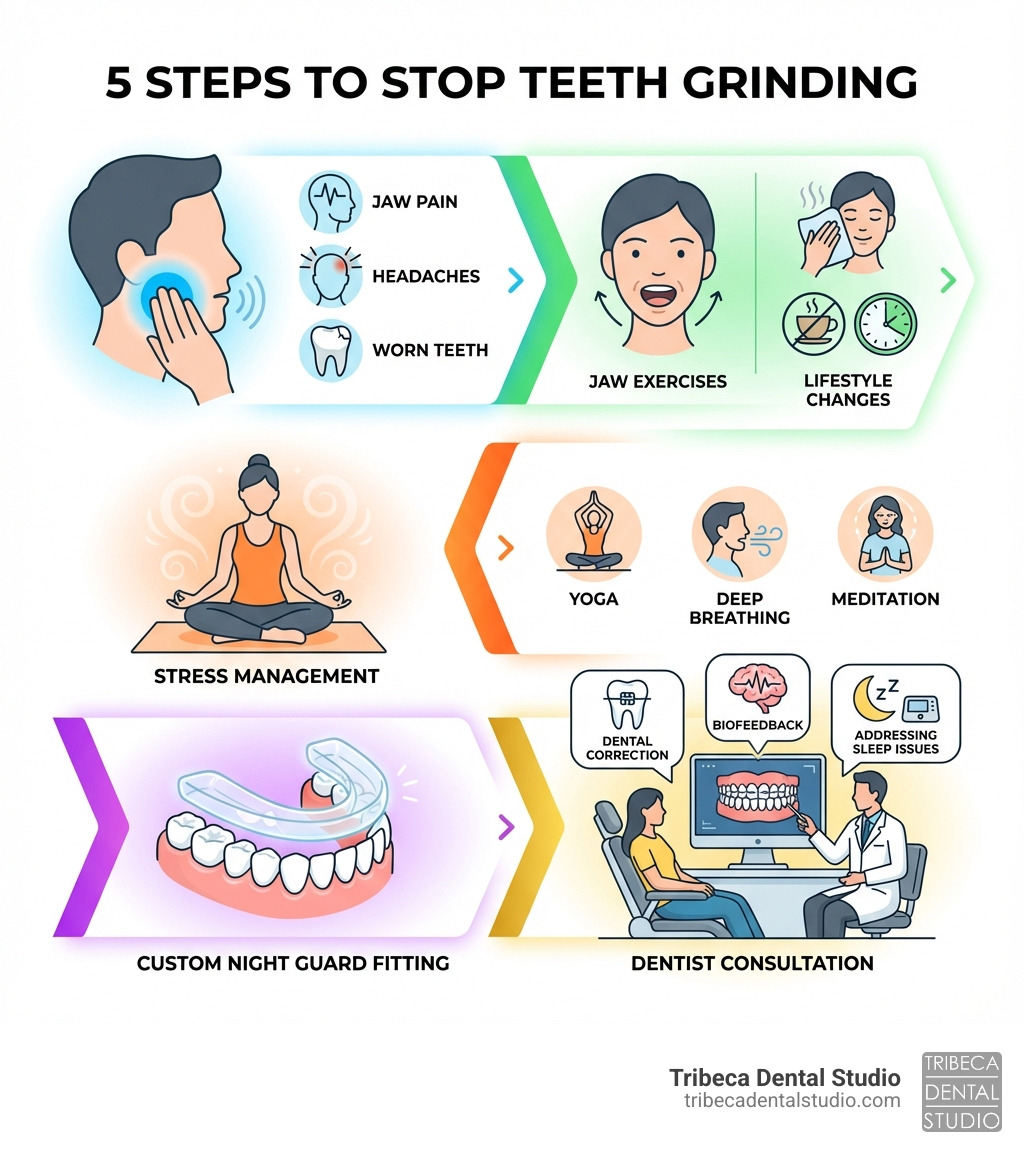
How to stop grinding teeth starts with understanding what you’re dealing with and taking action. Here’s what actually works:
5 Steps to Stop Teeth Grinding:
- Recognize the signs – jaw pain, morning headaches, worn teeth, and tooth sensitivity
- Try at-home remedies – jaw exercises, warm compresses, and dietary changes
- Manage stress – meditation, deep breathing, yoga, and better sleep routines
- Use a mouthguard – custom-fitted night guards protect your teeth from damage
- Seek professional treatment – dentists can address underlying causes like misalignment or sleep issues
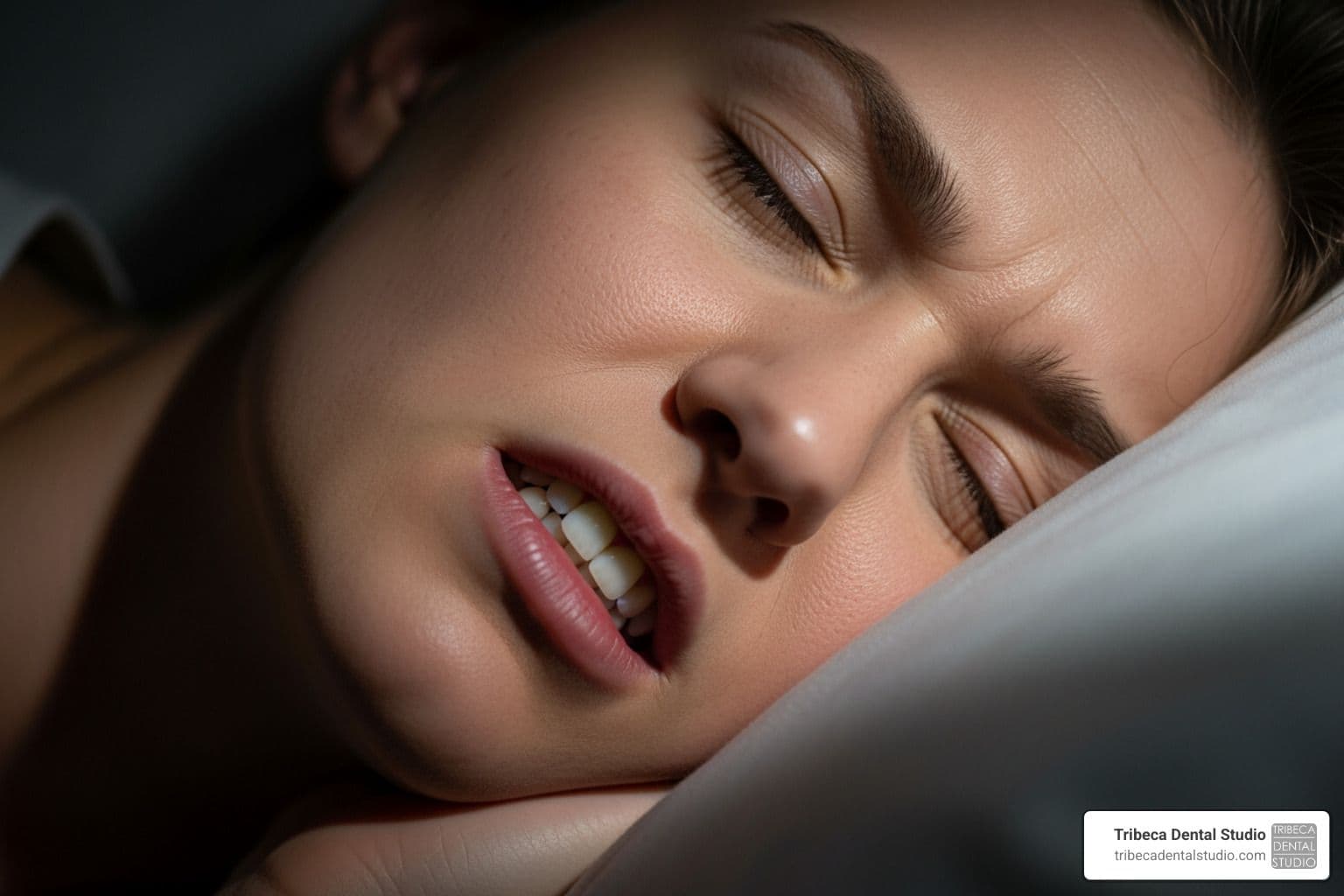
Teeth grinding, medically known as bruxism, is an unconscious habit where you clench or grind your teeth together. It happens during sleep (sleep bruxism) or while you’re awake (awake bruxism), often when you’re stressed, anxious, or deeply focused on something.
You’re not alone if you grind your teeth. Research shows that 8.6% of adults experience sleep bruxism, and many more do it during the day without realizing it. The concerning part? The pressure from grinding can reach up to 250 pounds of force – that’s 40 times stronger than normal chewing.
Left untreated, bruxism causes real damage. Your teeth wear down, chip, or crack. Your jaw muscles ache. You wake up with headaches. Over time, you might develop temporomandibular joint (TMJ) disorders that make it painful to eat, talk, or even open your mouth.
The good news? Bruxism is manageable. Whether your grinding stems from stress, a misaligned bite, or a sleep disorder, there are proven strategies to protect your teeth and reduce the habit. Some people need simple lifestyle changes. Others benefit from professional dental treatments. Most find that a combination approach works best.
I’m Dr. Nina Izhaky, and at Tribeca Dental Studio, I’ve helped hundreds of patients learn how to stop grinding teeth through personalized treatment plans that address the root cause, not just the symptoms. My team uses advanced diagnostic technology and a comprehensive approach – from custom night guards to airway orthodontics – to give you lasting relief.
Let’s walk through the five practical steps that will help you take control of your bruxism, protect your smile, and finally wake up without jaw pain.
Step 1: Recognize the Signs and Uncover the Causes of Bruxism
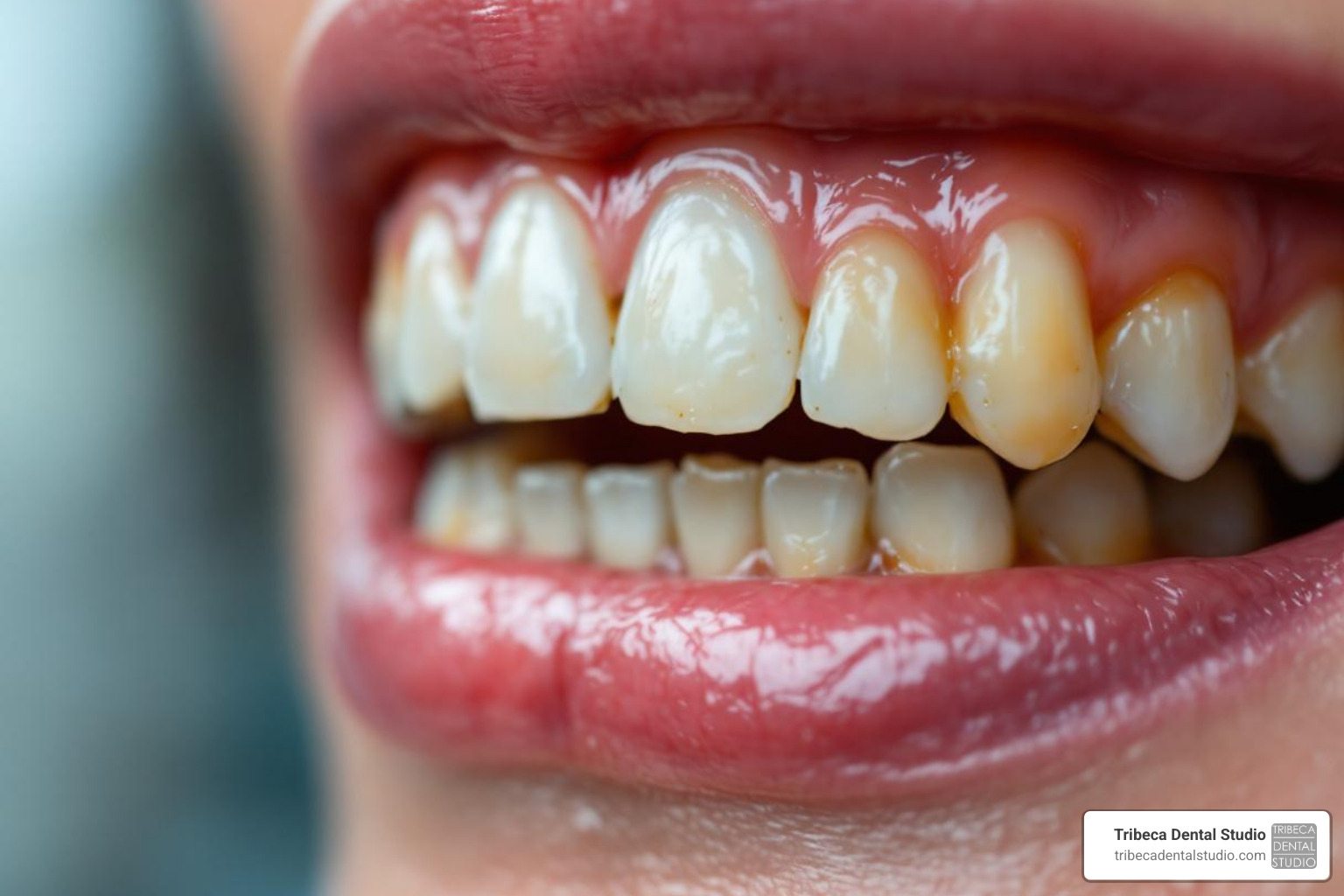
Many people are unaware they grind their teeth, as it’s often an unconscious habit, especially during sleep. A partner might be the first to notice the sound, or you might start seeing subtle signs. Recognizing these clues is the first crucial step in understanding how to stop grinding teeth.
What are the Telltale Signs of Teeth Grinding?
When you grind your teeth, the constant pressure leads to various symptoms. Our team at Tribeca Dental Studio is trained to spot these clues, sometimes even before you realize they’re connected to bruxism.
Here are the common signs we look for:
- Jaw Pain and Soreness: Waking with a tired, sore, or stiff jaw is a common indicator, as the muscles have been overworked all night.
- Morning Headaches: Dull headaches around the temples, feeling like a tight band, are a direct result of muscle strain.
- Facial Soreness: A general achiness in the face and cheeks can occur from constant clenching.
- Tooth Sensitivity: Increased sensitivity to hot or cold can mean enamel has worn away, exposing the sensitive layers beneath.
- Chipped or Cracked Teeth: The intense force of grinding can cause visible damage like chips, cracks, or fractures.
- Worn Enamel and Flattened Teeth: Over time, grinding sands down teeth, making them appear shorter or flatter. This damage is often irreversible.
- Scalloped Tongue: Indentations on the sides of the tongue can be caused by it pressing against the teeth.
- Clicking or Popping Jaw Joint: Sounds when opening or closing your mouth can indicate issues with the temporomandibular joint (TMJ), often worsened by bruxism.
- Partner Hearing Grinding Sounds: A sleep partner may be the first to alert you to the grinding sounds at night.
If you experience any of these symptoms, consult a dental professional. Regular dental exams are the best way to find out if you have bruxism. For more information, you can refer to the Cleveland Clinic’s comprehensive guide on Bruxism (Teeth Grinding).
What Causes You to Grind Your Teeth?
Understanding why you grind your teeth is key. It’s often a combination of factors:
- Stress and Anxiety: This is the biggest contributor, with up to 70% of bruxism cases linked to stress. Daily pressures, anxiety, and depression can manifest as clenching and grinding.
- Sleep Disorders: Conditions like sleep apnea (where breathing stops and starts) are strongly linked to bruxism. Grinding can be an unconscious attempt to open the airway during sleep.
- Misaligned Teeth (Malocclusion): An improper bite can cause the jaw to seek a comfortable position, leading to grinding.
- Lifestyle Factors: Certain habits can worsen teeth grinding, including:
- Caffeine and Alcohol: These stimulants can increase muscle activity and grinding, especially when consumed in the evening.
- Smoking: Nicotine is a stimulant that contributes to bruxism.
- Certain Medications: Some antidepressants (like SSRIs) and stimulants list teeth grinding as a side effect. Always consult your doctor before changing medications.
- Genetics: Bruxism can be hereditary, with 20-50% of grinders having a family history of the condition.
Identifying these causes often requires a thorough discussion with your dentist. Once we understand the “why,” we can better determine the “how” to effectively stop grinding teeth.
Step 2: Adopt At-Home Remedies and Lifestyle Adjustments
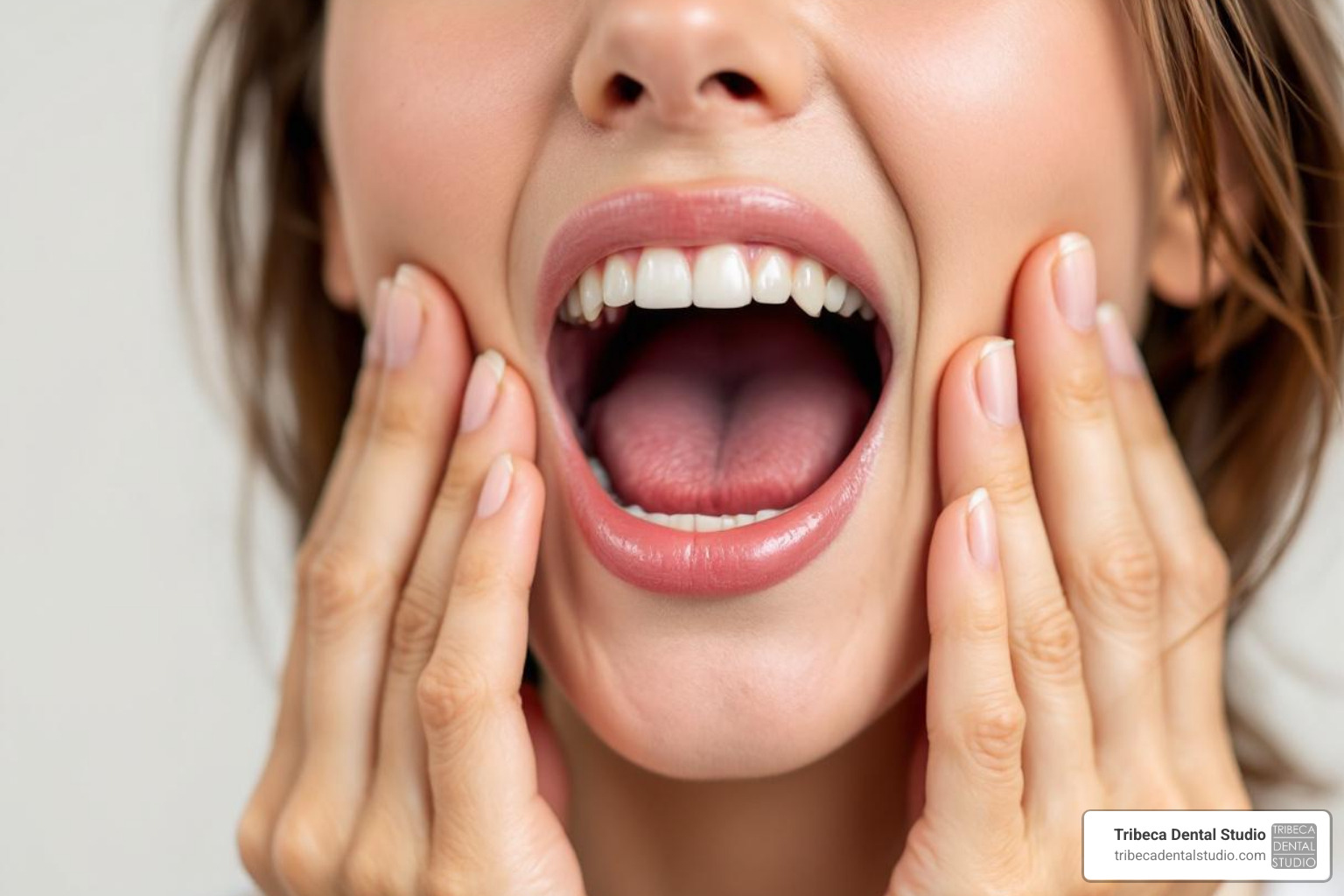
While some cases need professional intervention, many people can find relief and learn how to stop grinding teeth with simple at-home remedies and lifestyle changes. These strategies focus on relaxing jaw muscles, reducing triggers, and improving well-being.
Jaw Exercises and Physical Therapies to Try
Your jaw muscles can benefit from exercises to promote relaxation and proper function.
- Jaw Stretching Exercises: To loosen tight jaw muscles, place your tongue on the roof of your mouth, then slowly open wide and hold for 5 seconds before closing. Repeat 10-15 times. Practicing the letter “N” also helps keep teeth apart.
- Tongue Placement: Train your tongue to rest gently against the roof of your mouth to maintain a relaxed jaw position.
- Gentle Massage: Gently massage the large masseter muscles in your cheeks, temples, and jawline to release tension.
- Applying Warm Compresses: A warm, moist towel on the sides of your face for 15 minutes can soothe sore muscles.
- Myo Munchee Therapy: At Tribeca Dental Studio, we may recommend specialized therapies like Myo Munchee Therapy in NYC to help retrain oral and facial muscles.
Lifestyle and Dietary Changes for Relief
Your daily habits and diet can significantly impact bruxism. Making mindful changes can go a long way.
- Avoiding Hard or Chewy Foods: Give your jaw a break by avoiding tough meats, hard candies, and chewing gum, especially when your jaw is sore.
- Reducing Caffeine and Alcohol Intake: As stimulants, caffeine and alcohol can increase muscle activity. Limit or avoid them a few hours before bedtime.
- Staying Hydrated: Dehydration can contribute to muscle tension. Drink plenty of water throughout the day.
- Quitting Smoking: Nicotine is a stimulant that can worsen teeth grinding. Quitting offers numerous health benefits, including potentially reducing bruxism.
- Improving Sleep Posture: Sleeping on your back with a supportive pillow can help maintain a more neutral jaw position.
- Creating a Relaxing Bedtime Routine: Winding down before bed with reading, a warm bath, or calming music signals your body to relax.
For more advice, explore guidance in articles like Tips to Stop Teeth Grinding. Incorporating these steps can help reduce the frequency and severity of your teeth grinding.
Step 3: Master Stress and Anxiety Reduction Techniques
It’s no secret that stress and anxiety are major players in the bruxism game. For many, learning how to stop grinding teeth is intricately linked to managing their mental and emotional well-being. The mind-body connection is powerful, and stress often manifests physically, with jaw clenching and teeth grinding being prime examples. We’ve seen at Tribeca Dental Studio how intertwined these issues can be, often exploring the connection between Grind Teeth Anxiety and oral health.
How to Stop Grinding Teeth by Managing Stress
Reducing stress isn’t just good for your peace of mind; it’s a critical component of alleviating bruxism. Here are some effective techniques:
- Meditation and Mindfulness: These practices help you stay present and reduce rumination, which often fuels anxiety. Even a few minutes of guided meditation daily can significantly reduce stress levels. Research shows that Meditation may help reduce stress and alleviate anxiety, pain, and depression. There are many apps and online resources available to guide you.
- Deep Breathing Exercises: Simple, controlled breathing can calm your nervous system. Try diaphragmatic breathing: inhale slowly through your nose, letting your belly rise, hold for a few seconds, then exhale slowly through your mouth.
- Yoga or Tai Chi: These practices combine physical postures, breathing techniques, and meditation, making them excellent stress reducers. A small study even reported a significant reduction in mild to moderate depression following regular yoga practice.
- Regular Physical Exercise: Engaging in physical activity is a fantastic way to burn off stress hormones and release endorphins, which have mood-boosting effects. Just be mindful not to exercise vigorously too close to bedtime, as it can be stimulating.
- Talk Therapy or Counseling: If stress and anxiety feel overwhelming or chronic, speaking with a mental health professional can provide valuable coping strategies and address underlying emotional factors contributing to your bruxism.
Creating a Relaxing Evening Routine
The hours leading up to bedtime are crucial for preparing your body and mind for restorative sleep, which in turn can help with nighttime grinding. Developing a consistent, calming evening routine is a powerful tool in learning how to stop grinding teeth.
- Turning Off Electronics Before Bed: The blue light emitted from screens (phones, tablets, computers) can interfere with melatonin production, a hormone essential for sleep. Aim to disconnect at least an hour before you plan to sleep.
- Reading a Book: Instead of scrolling, pick up a physical book. This can be a soothing way to transition from your day to sleep.
- Taking a Warm Bath: The warmth helps relax muscles and can lower your body temperature slightly afterward, signaling to your body that it’s time for rest.
- Listening to Calming Music: Soft, instrumental music or nature sounds can help quiet a busy mind and promote relaxation.
- Practicing Good Sleep Hygiene: This means maintaining a consistent sleep schedule (even on weekends), ensuring your bedroom is dark, quiet, and cool, and avoiding large meals close to bedtime.
- Mindful Bedtime Practices: Before drifting off, you might try a gentle jaw relaxation exercise or simply focus on keeping your teeth apart.
For more insights into natural ways to manage nighttime grinding, we have a resource on How to Stop Grinding Teeth in Sleep Naturally. By prioritizing stress reduction and a peaceful evening routine, you’ll create a more harmonious environment for your jaw and your entire body.
Step 4: How to Stop Grinding Teeth with Professional Dental Treatments
While at-home remedies and stress management are vital, they aren’t always enough. When symptoms persist or teeth show significant wear, professional dental treatment is essential. Our team at Tribeca Dental Studio is equipped to guide you through the next steps in learning how to stop grinding teeth, following a comprehensive approach as highlighted in resources like Taking on Teeth Grinding and Clenching.
The Role of Mouthguards and Splints
Mouthguards, or occlusal splints, are a primary line of defense against the damaging effects of bruxism.
- Protecting Teeth from Damage: A mouthguard’s main function is to act as a physical barrier between your upper and lower teeth. This cushion protects them from wear, chips, and fractures caused by grinding.
- Custom-fitted vs. Over-the-counter: We strongly recommend custom-fitted mouthguards over generic OTC “boil-and-bite” options. Custom guards, made from impressions of your teeth at our Tribeca office, offer a precise, comfortable fit for optimal protection without negatively affecting your bite. As research indicates, Mouthguards are a kind of occlusal splint that can be highly effective.
- Hard vs. Soft Splints: Custom splints are available in different materials. Soft splints cushion mild clenching, while durable hard acrylic splints are better for severe grinders, providing a stable bite and distributing forces evenly.
- How They Work: Beyond protection, mouthguards can reduce muscle activity and strain by slightly separating the teeth. Some designs also help maintain an open airway, which is beneficial if sleep-disordered breathing is a factor.
Advanced Treatments and Dental Approaches
When bruxism is severe or linked to deeper issues, we explore advanced treatments:
- Dental Correction for Misalignment: If a misaligned bite (malocclusion) is a factor, orthodontic treatment like braces or clear aligners can realign the teeth and jaws, creating a better bite and reducing grinding triggers.
- Airway Orthodontics: We take a holistic view. If bruxism is linked to sleep-disordered breathing, we may recommend solutions to improve your airway. Our services in What is Airway Orthodontics? focus on optimizing jaw and facial development for proper breathing, which can reduce sleep bruxism.
- Botox Injections for Severe Cases: For severe, chronic bruxism causing significant pain, Botox injections can be a highly effective temporary solution. Injected into the large chewing muscles, Botox relaxes them, reducing grinding force and pain for three to four months. We discuss this option thoroughly with patients.
- Biofeedback Therapy: This technique uses electronic devices to provide real-time feedback (like a sound) when you clench, helping you become aware of and control the habit. It can be useful for short-term awareness.
- Addressing Underlying Conditions: A comprehensive approach involves working with medical doctors or sleep specialists to treat underlying causes like sleep apnea or medication side effects, which can alleviate teeth grinding.
At Tribeca Dental Studio, we believe in a personalized approach. We’ll thoroughly diagnose your condition and discuss the best combination of these professional treatments to help you effectively stop grinding teeth and protect your smile.
Frequently Asked Questions about Teeth Grinding
It’s natural to have many questions when you’re dealing with teeth grinding. Here, we address some of the most common inquiries our patients have when they visit us at Tribeca Dental Studio.
Can teeth grinding be cured completely?
For many, bruxism is more about management than a complete “cure.” The goal is to manage the condition and prevent damage by addressing its root causes. If grinding is due to stress, stress reduction techniques can help. If it’s linked to sleep apnea or a misaligned bite, treating those issues can provide significant relief. However, bruxism can return during stressful periods, which is why ongoing management and a personalized approach are key. With the right strategies, you can control the condition and prevent its harmful effects.
What vitamin deficiency causes teeth grinding?
While not caused by a single factor, some evidence links bruxism to deficiencies in calcium and magnesium. Magnesium is crucial for muscle relaxation, and low levels can lead to muscle tension and spasms, potentially contributing to grinding. To address this, we recommend:
- A Balanced Diet: Eat foods rich in magnesium (leafy greens, nuts, seeds) and calcium (dairy, fortified plant milks).
- When to Consider Supplements: Consult a healthcare professional before starting any supplements to see if they are right for you. Addressing nutritional gaps can be a supportive step in your journey to understand how to stop grinding teeth.
Will a night guard stop me from grinding my teeth?
This is a common misconception. A night guard’s primary role is protection, not prevention.
- Protection, Not Prevention: A night guard doesn’t stop the grinding habit itself. Instead, it creates a protective barrier between your teeth, preventing wear, chips, and cracks. The guard’s material absorbs and distributes the intense forces of grinding.
- Reducing Muscle Strain: A custom-fitted guard can also help relax the jaw muscles, reducing strain and alleviating soreness and headaches.
- Why it Doesn’t Stop the Grinding Habit Itself: The grinding habit often stems from deeper issues like stress or sleep disorders. A night guard protects your teeth from damage but doesn’t fix the underlying cause. That’s why a comprehensive approach, combining a night guard with other treatments, is most effective.
Think of it this way: if you’re driving on a bumpy road, shock absorbers protect your car, but they don’t fix the road. A night guard protects your teeth, but the other steps in this guide help address the “bumpy road” that leads to grinding.
Conclusion: Take Control of Your Oral Health
Learning how to stop grinding teeth is a journey that often requires a multi-faceted approach. We’ve walked through five essential steps, from recognizing the subtle signs and understanding the underlying causes to implementing effective at-home remedies, mastering stress reduction, and leveraging professional dental treatments.
The key takeaway is the importance of a personalized approach. What works for one person might not work for another, as the triggers for bruxism are as unique as each individual. At Tribeca Dental Studio in NYC, we believe in treating each patient like family, understanding your specific needs, and tailoring a treatment plan that addresses the root cause of your grinding.
Ignoring teeth grinding can lead to significant and often irreversible long-term consequences. Untreated bruxism can result in severely damaged teeth, including extensive wear, chips, fractures, and even tooth loss. It can lead to painful TMJ disorders, causing chronic jaw pain, clicking, and difficulty chewing. In extreme cases, it can even affect your ability to chew, speak, and swallow, profoundly impacting your overall well-being.
If you suspect you’re grinding your teeth, don’t wait for these serious complications to arise. Early intervention is crucial to protect your oral health and prevent chronic pain.
Our team at Tribeca Dental Studio is here to help. We offer comprehensive, advanced, and welcoming oral healthcare, utilizing state-of-the-art diagnostics and a range of treatments, from custom night guards and Myo Munchee Therapy to airway orthodontics and other solutions designed to address sleep-disordered breathing.
Take the first step towards a pain-free smile and better sleep. We invite you to reach out to us.
Schedule a consultation for sleep apnea and bruxism treatment with our expert team today, and let us help you take control of your oral health.