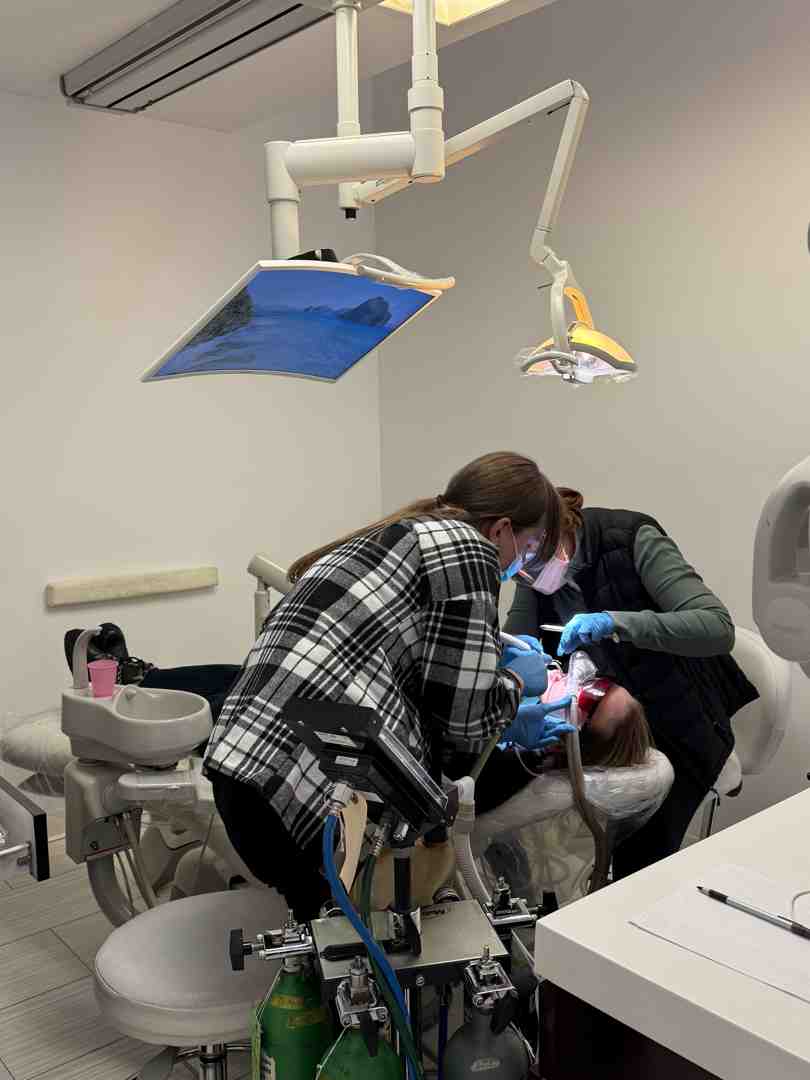
The Most Common Childhood Disease You Can Actually Treat
Cavity treatment for children is something millions of parents deal with every year — and for good reason. Cavities are the most common chronic childhood disease in the United States, according to the National Institutes of Health. In fact, dental decay is five times more common than asthma and seven times more common than hay fever.
Here is a quick overview of the main treatment options, from least to most invasive:
| Treatment | Best For |
|---|---|
| Fluoride varnish / SDF | Early-stage decay, white spot lesions |
| Dental filling | Mild to moderate cavities |
| Dental crown | Extensive decay or weakened tooth |
| Pulpotomy (baby root canal) | Decay reaching the tooth pulp |
| Extraction + space maintainer | Severe decay, tooth cannot be saved |
The right treatment depends on how far the decay has progressed and which tooth is affected. Catching it early almost always means a simpler, less invasive fix.
Decay starts quietly — first as invisible bacterial activity, then as white spots on the enamel, and eventually as visible holes or dark spots. By the time a child complains of pain, the cavity is often already well advanced. That is why early detection matters so much.
I’m Dr. Nina Izhaky, a graduate of New York University College of Dentistry and the founder of Tribeca Dental Studio, where our on-site pediatric specialists provide personalized cavity treatment for children in a modern, welcoming environment. In this guide, I will walk you through everything you need to know — from how cavities form to which treatment fits your child’s specific situation.
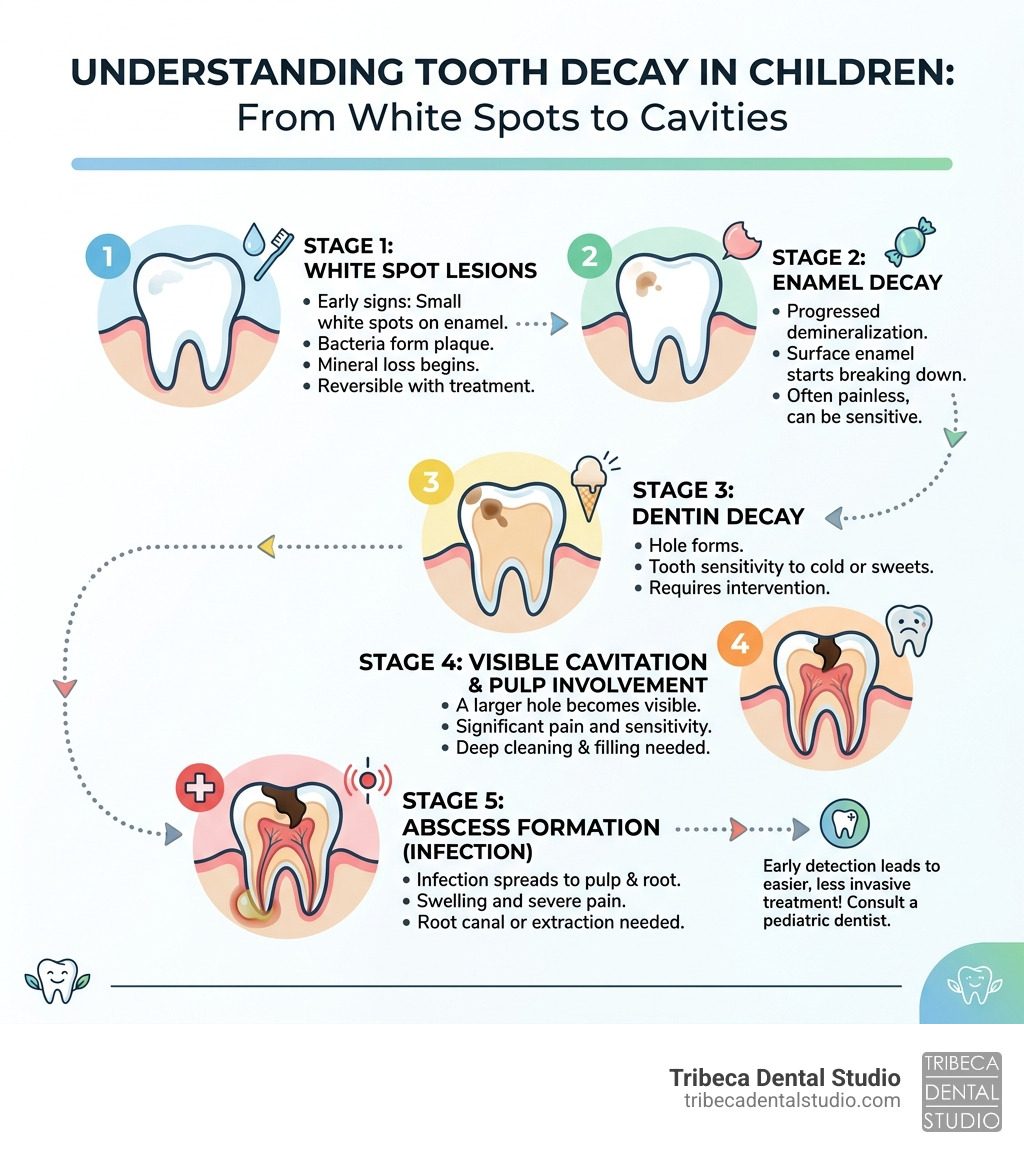
Cavity treatment for children terms explained:
Understanding Early Childhood Caries
To understand cavity treatment for children, we first have to understand the enemy: dental caries. It all starts with a sticky film called plaque. Plaque is a bustling metropolis of bacteria, food particles, acid, and saliva. The main troublemaker in this city is a bacterium called Streptococcus mutans.
When your child eats carbohydrates—sugars and starches found in everything from juice and candy to crackers and raisins—these bacteria go to work. They ferment the carbohydrates and produce acid as a byproduct. This acid is strong enough to eat away at the tooth enamel, the hard protective outer layer of the tooth. This process is known as enamel erosion or demineralization.
Recognizing the Signs
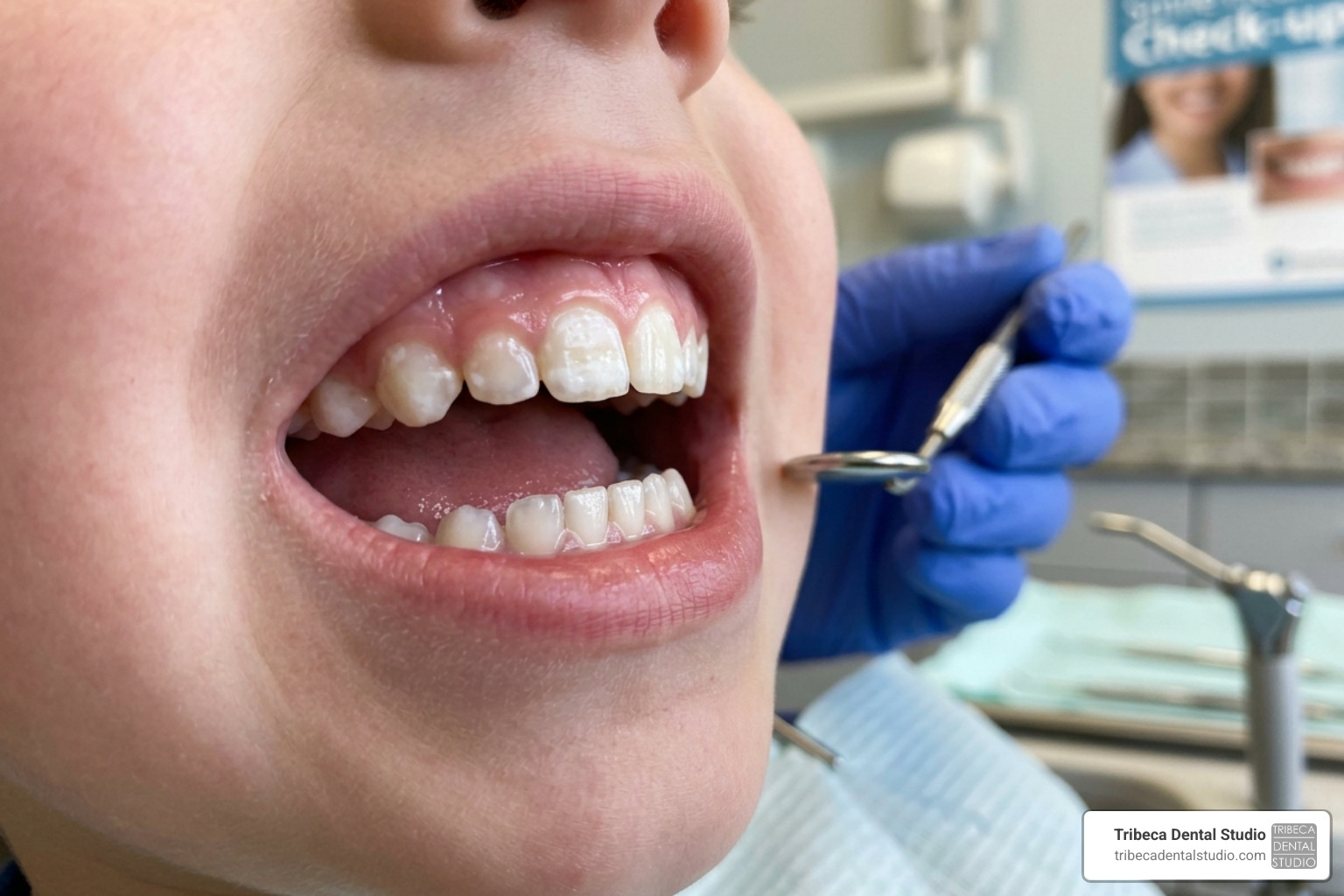
In May 2026, we still see many parents surprised by how quickly a cavity can progress. The first sign is often “white spots” on the teeth. These spots indicate that the enamel is beginning to break down but hasn’t formed a hole yet. If we catch it here, we might be able to reverse it!
As the decay progresses, you might notice:
- Bad Breath: Persistent “halitosis” that doesn’t go away with brushing.
- Sensitivity: Your child winces when eating something cold, hot, or very sweet.
- Visible Holes: Brown or black spots that look like tiny pits in the teeth.
- Behavioral Changes: If a non-verbal toddler is suddenly fussy, lethargic, or avoiding food, it might be a toothache.
The Diagnostic Process
When you visit us at Tribeca Dental Studio, we don’t just look for holes. We perform a comprehensive visual examination and risk assessment to see how likely your child is to develop more cavities. We also use diagnostic X-rays. Because cavities often start in the tight spaces between teeth where a toothbrush can’t reach, X-rays are essential for seeing what the naked eye misses. The Importance Of Early Dental Care cannot be overstated; establishing a “dental home” by age one allows us to monitor these changes before they become “ouchies.”
Restorative Cavity Treatment for Children: Fillings and Crowns
If a cavity has moved past the “white spot” stage and formed a physical hole (cavitation), we need to restore the tooth. The goal of restorative cavity treatment for children is to remove the infection and seal the tooth so it can function normally until it’s time for the adult tooth to take over.
Dental Fillings
For mild to moderate decay, a filling is the standard of care. We use a process called “tooth preparation” where we gently remove the decayed, softened part of the tooth.
At our Manhattan practice, we prioritize aesthetic preservation. We primarily use composite resin—a tooth-colored material made of plastic and glass. Unlike the silver (amalgam) fillings of the past, composite bonds directly to the enamel, which can actually help strengthen the remaining tooth structure. It’s also virtually invisible, so your child can smile with confidence.
Dental Crowns
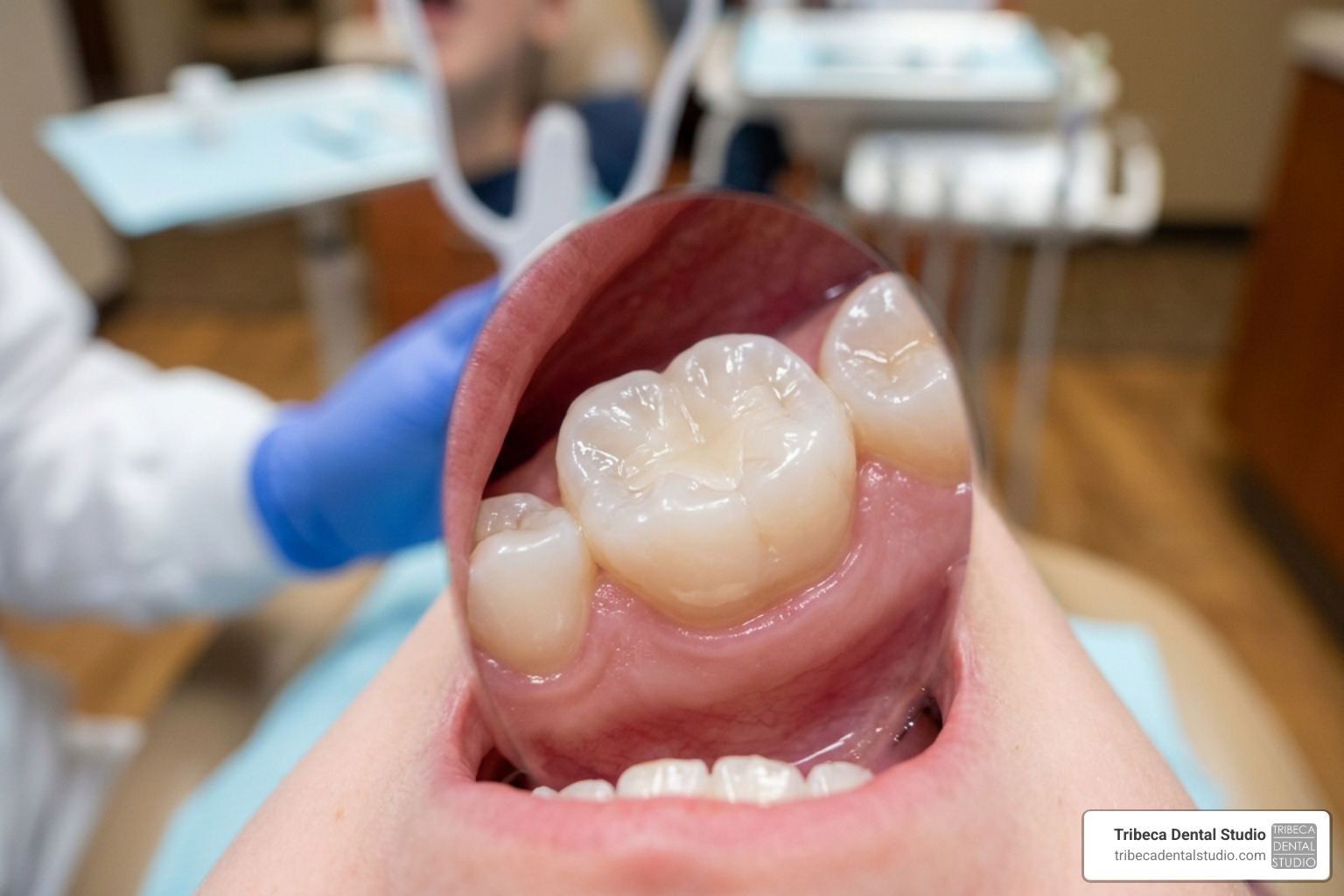
Sometimes, a cavity is so large that there isn’t enough healthy tooth left to hold a filling. In these cases, we recommend a dental crown (often called a “cap”). A crown covers the entire tooth, protecting it from further damage and preventing it from fracturing.
For back molars, stainless steel crowns are often used because they are incredibly durable and can withstand the heavy pressure of chewing. For front teeth, we offer more aesthetic options like zirconia or porcelain-fused-to-metal to keep that smile bright.
| Feature | Dental Filling | Dental Crown |
|---|---|---|
| Severity | Small to moderate cavities | Large cavities or fractured teeth |
| Procedure | Completed in one visit | Usually one visit for kids (pre-fitted) |
| Material | Composite resin or glass ionomer | Stainless steel or white zirconia |
| Longevity | Lasts several years | Lasts until the baby tooth falls out |
Whether your child needs a simple restoration or more complex Pediatric Dental Services In New York, the Diagnosis and treatment of cavities follows a strict protocol to ensure the best long-term outcome.
Non-Invasive Cavity Treatment for Children
Not every cavity requires a drill. For very young children, those with special needs, or very early-stage decay, we might use Silver Diamine Fluoride (SDF).
SDF is a liquid that we simply brush onto the affected tooth. The silver acts as an antimicrobial agent to kill the bacteria, while the fluoride helps with enamel remineralization. It “arrests” the decay, essentially freezing the cavity in its tracks. It is a painless, fast application that doesn’t require numbing. The only downside? It stains the decayed part of the tooth black. However, for a toddler who can’t sit still for a filling, it is a life-changing alternative. You can learn more in our Cavity Free Living: Fluoride Treatment Guide.
Ensuring Comfort During Cavity Treatment for Children
We know that the word “dentist” can be scary for little ones. That’s why we focus heavily on Pediatric Dentistry and Mental Health. We want your child to leave our office feeling brave, not traumatized.
To ensure a comfortable experience, we offer several levels of anxiety management:
- Nitrous Oxide (Laughing Gas): This is a safe, mild sedative breathed through a colorful mask. It helps children relax and feel “giggly” while remaining fully awake.
- Oral Conscious Sedation: For more anxious children, a liquid medication can help them feel very drowsy and relaxed during the procedure.
- General Anesthesia: In cases of extreme anxiety or when a very young child needs extensive work, we can perform treatment under general anesthesia in a controlled setting to ensure total safety and zero discomfort.
- Local Anesthesia: We use specialized techniques to numb the tooth so your child won’t feel a thing during the actual repair.
Advanced Care: Pulpotomies and Extractions
When a cavity is left untreated, it doesn’t just stay in the enamel. It travels deeper into the dentin and eventually reaches the “pulp”—the center of the tooth containing nerves and blood vessels. This is when the real “ouchies” start.
Pulpotomies (The Baby Root Canal)
If the decay has reached the pulp but hasn’t caused a full-blown abscess, we may perform a pulpotomy. We remove the infected part of the pulp, treat the area with a therapeutic medication to prevent bacterial growth, and then place a crown over the tooth. This is often the best way to save a tooth when When Cavities Go Deep.
Extractions and Space Maintainers
Sometimes, a tooth is so severely damaged that it cannot be saved. In these cases, an extraction is necessary to stop the infection from spreading to the jaw or the developing permanent tooth underneath.
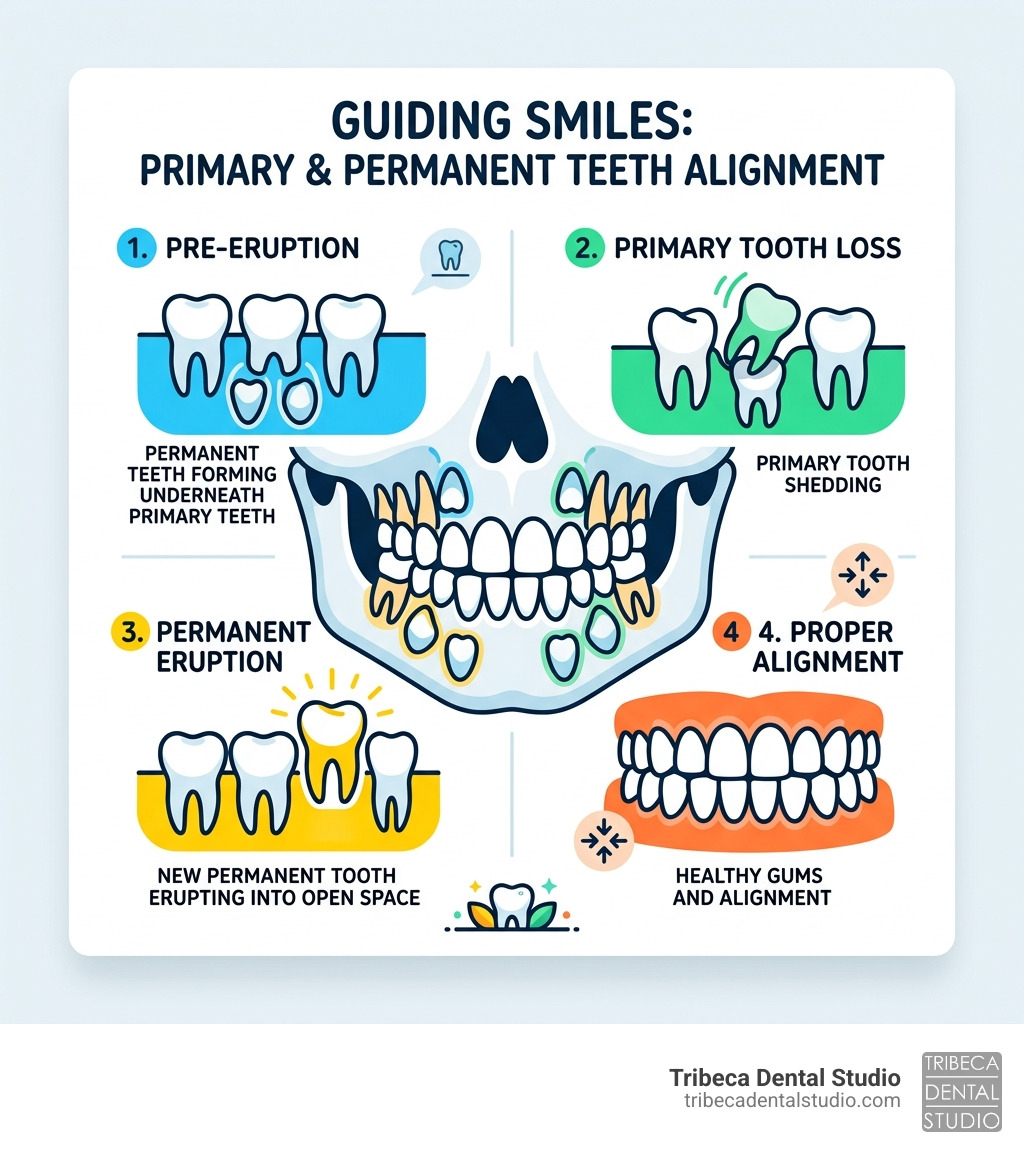
However, baby teeth aren’t just for chewing; they are placeholders. If a baby molar is lost too early, the surrounding teeth may shift into the empty space, blocking the permanent tooth from coming in. To prevent this, we use a space maintainer. This is a small metal appliance that holds the gap open, ensuring proper jaw development and permanent tooth eruption. More details on these conditions can be found in the Tooth Decay in Children | Health Library.
Prevention Strategies for a Cavity-Free Future
The best cavity treatment for children is the one they never need! Prevention is a team effort between our office and your home.
- The 2-Minute Rule: Brush twice a day for two full minutes. We recommend parents supervise or perform brushing until the child is about 6 years old, as they often lack the manual dexterity to do it alone.
- Fluoride is Your Friend: Use a smear of fluoride toothpaste (the size of a grain of rice) for kids under 3, and a pea-sized amount for those 3 and older.
- Flossing: Start flossing as soon as two teeth touch. This usually happens around age 2.
- Dental Sealants: These are thin, protective coatings we paint onto the chewing surfaces of the back molars. They act as a shield against acid and bacteria. Check out More info about dental sealants to see if they are right for your child.
- Dietary Choices: Limit sticky snacks like fruit leathers and gummies. Instead, opt for “mouth-healthy” snacks like cheese, which can help neutralize mouth acids.
- Routine Visits: The ADA and AAPD recommend visits every 6 months. This allows us to catch issues in the “white spot” stage. If you haven’t yet, it’s time to schedule Babys First Dentist Visit Nyc.
Frequently Asked Questions about Pediatric Dental Care
Why should we treat baby teeth if they just fall out anyway?
This is the most common question we hear! Primary teeth are vital for several reasons:
- Speech Development: Teeth are essential for forming sounds like “t,” “th,” and “s.”
- Nutrition: Decayed teeth make it painful to chew healthy, crunchy foods.
- Space Maintenance: As mentioned, they guide permanent teeth into the correct position.
- Infection Control: An infection in a baby tooth can actually damage the developing permanent tooth bud underneath it.
What is the recommended schedule for pediatric dental visits in 2026?
The standard remains the same: “First visit by age one, then every six months.” These Services/Dental Checkups are about more than just cleaning; they are about education and prevention. We check for proper jaw growth, assess Cavity Prevention NYC needs, and make sure those adult teeth are on the right track.
Is Silver Diamine Fluoride (SDF) safe for my toddler?
Yes! SDF is FDA-approved and has been used for decades globally. It is a non-invasive way to manage decay without the risks associated with sedation or general anesthesia. While it does cause a permanent black stain on the cavity itself, it is a safe and effective way to keep your child’s mouth healthy until the tooth naturally falls out.
Conclusion
At Tribeca Dental Studio, we believe that every child deserves a healthy, pain-free smile. Led by Dr. Nina Izhaky, our team combines advanced technology with a warm, family-centered approach to provide the highest quality cavity treatment for children in NYC. From our first-visit “happy visits” to advanced restorative care, we treat your children like our own.
If you suspect your child might have a cavity or if it’s simply time for a checkup, don’t wait for an “ouchie” to happen. Contact us today to learn more about our Pediatric Dentistry Services and let us help your child build a foundation for a lifetime of healthy smiles.