Dental Crown Cost: Average Prices and Insurance Tips
April 8, 2026
How Much Does a Dental Crown Cost in 2026?
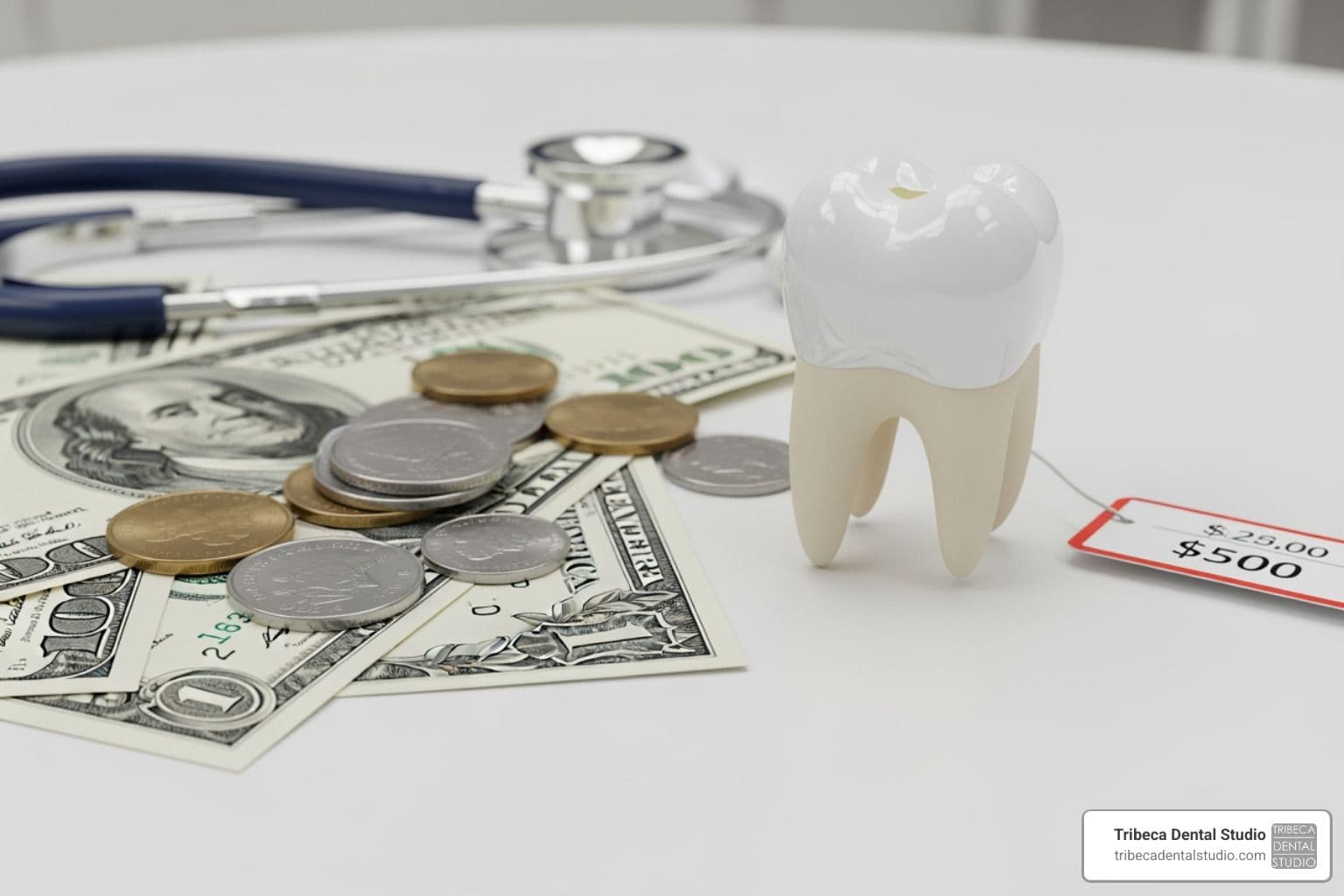
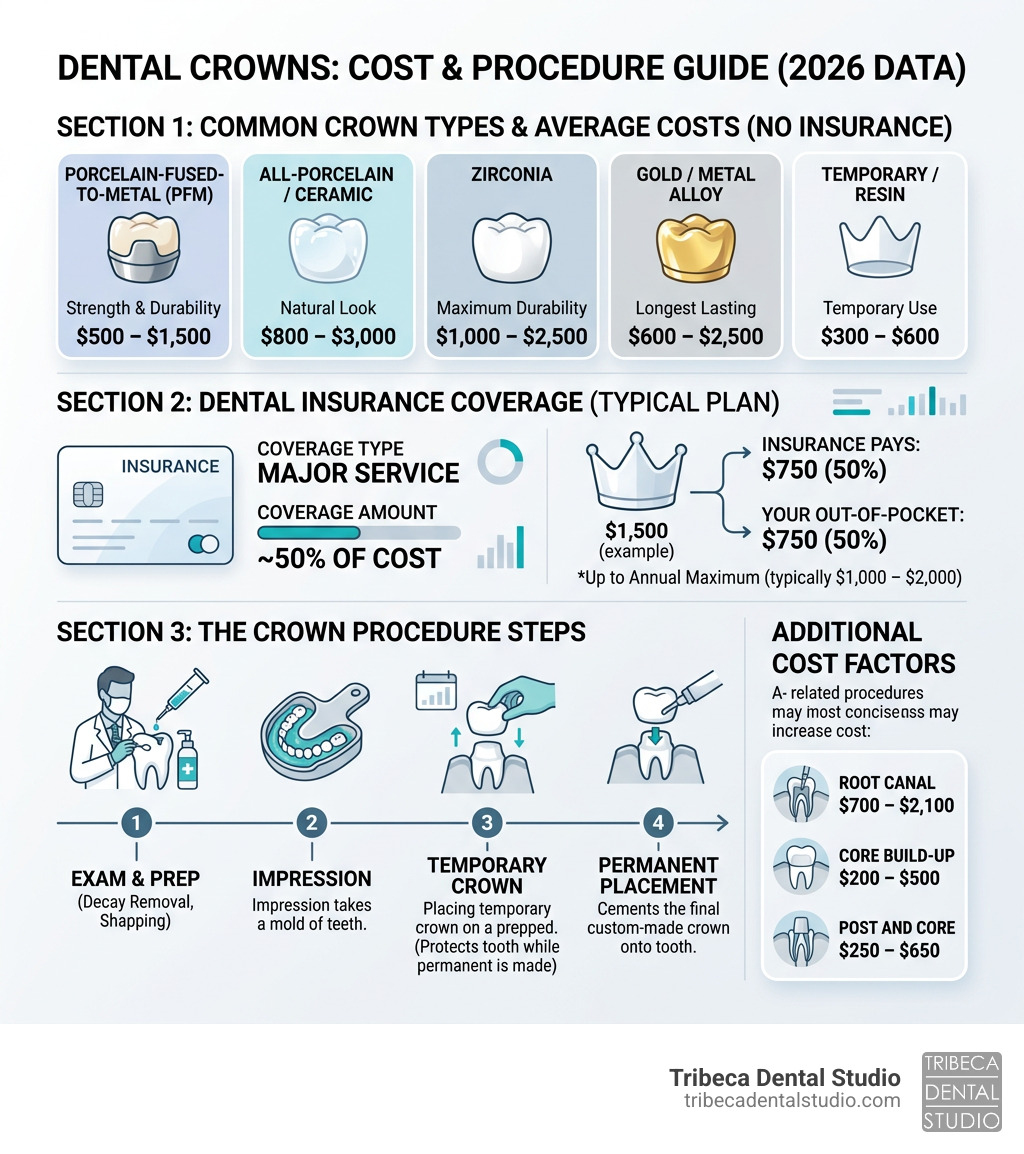
A dental crown typically costs about $800 to $3,000 per tooth without insurance, although the final price depends on the crown material, the tooth being treated, your location, and whether additional dental work is needed. Porcelain, ceramic, zirconia, and metal crowns all have different price ranges.
With dental insurance, many plans provide partial coverage for a medically necessary crown, but deductibles, annual maximums, waiting periods, and network status can significantly affect what you pay out of pocket.
Below, we compare average dental crown costs by material, explain prices with and without insurance, and cover additional expenses such as X-rays, core build-ups, post-and-core procedures, and root canal treatment.
Average Dental Crown Cost by Material
| Crown Type | Average Cost Without Insurance | Example With 50% Insurance Coverage | Common Use |
|---|---|---|---|
| Porcelain-Fused-to-Metal (PFM) | $500 – $1,500 | $250 – $750 | Molars and bridges |
| All-Porcelain / Ceramic | $800 – $3,000 | $400 – $1,500 | Front teeth and highly visible restorations |
| Zirconia | $1,000 – $2,500 | $500 – $1,250 | Back teeth and high-strength restorations |
| Gold / Metal Alloy | $600 – $2,500 | $300 – $1,250 | Back teeth where strength is a priority |
| Temporary / Resin | $300 – $600 | $150 – $300 | Temporary restorations |
The national average for a dental crown often falls around $1,100 to $2,000 per tooth before insurance, although actual fees vary widely. In major metropolitan areas such as New York City, treatment may fall toward the higher end of national ranges.
Many dental insurance plans classify crowns as a major restorative service and may pay a percentage of the negotiated fee after the deductible. Your actual out-of-pocket cost depends on your plan, annual maximum, waiting period, network status, and whether the crown is considered medically necessary.
Additional procedures can also increase the total treatment cost. Depending on the condition of the tooth, a patient may need a root canal, core build-up, post and core, diagnostic imaging, or other preparatory treatment before the crown is placed.
The price of a crown also depends on why the restoration is needed. A tooth may require a crown after a large filling, while patients comparing treatment options may want to learn more about dental crowns in Manhattan or the role of cosmetic dental crowns.
How Much Does a Dental Crown Cost Per Tooth?
Dental crowns are generally priced per tooth. For a single crown, patients paying without insurance may see costs ranging from roughly $800 to $3,000 or more, depending on the material, geographic location, laboratory fees, tooth condition, and the amount of preparation required.
If several teeth need crowns, the total treatment cost is usually calculated separately for each tooth. Additional procedures such as a core build-up, root canal, post, gum treatment, or extraction can significantly change the final estimate.
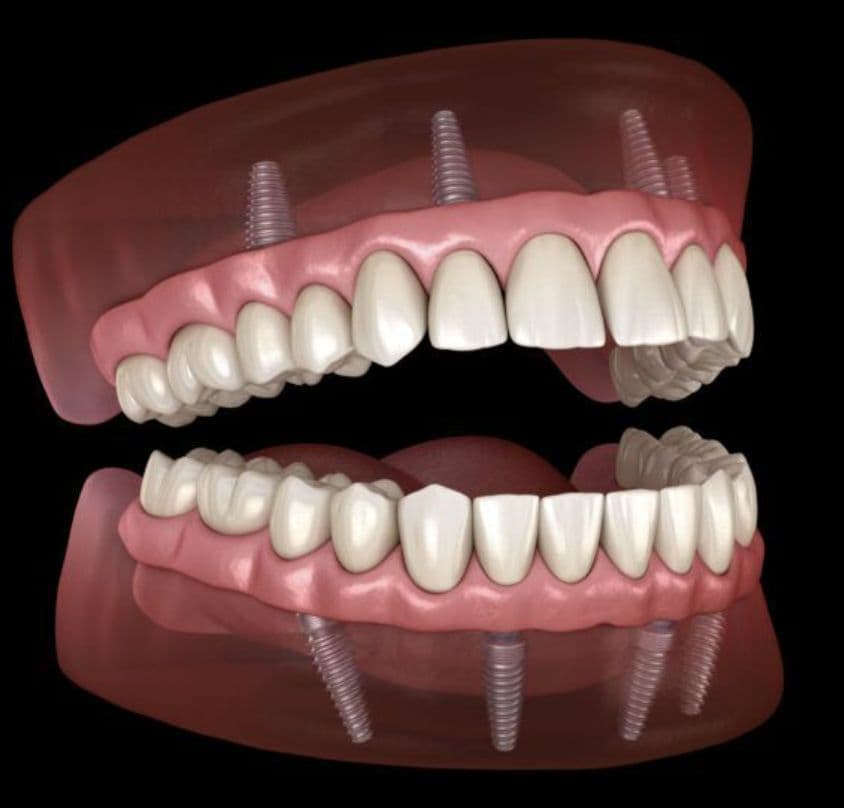
For patients who need several restorations, the dentist may also recommend comparing crowns with other restorative options such as inlays, onlays, bridges, or implants depending on how much healthy tooth structure remains.
What Is a Dental Crown and When Is It Needed?
A dental crown is a custom-made restoration that covers the visible portion of a damaged or weakened tooth. Unlike a filling, which repairs a specific area inside a tooth, a crown surrounds the remaining tooth structure to restore its shape, strength, function, and appearance.
A dentist may recommend a crown when a tooth no longer has enough healthy structure to support a large filling. In these situations, covering the tooth can help protect the remaining structure and improve long-term stability.
Common Reasons for a Dental Crown
- Severe Decay: When a cavity is too large for a traditional filling to reliably support the tooth.
- Cracked or Fractured Teeth: A crown can help hold weakened tooth structure together and protect it from additional damage.
- After Root Canal Treatment: Teeth treated with root canal therapy may require additional protection, particularly back teeth exposed to strong chewing forces.
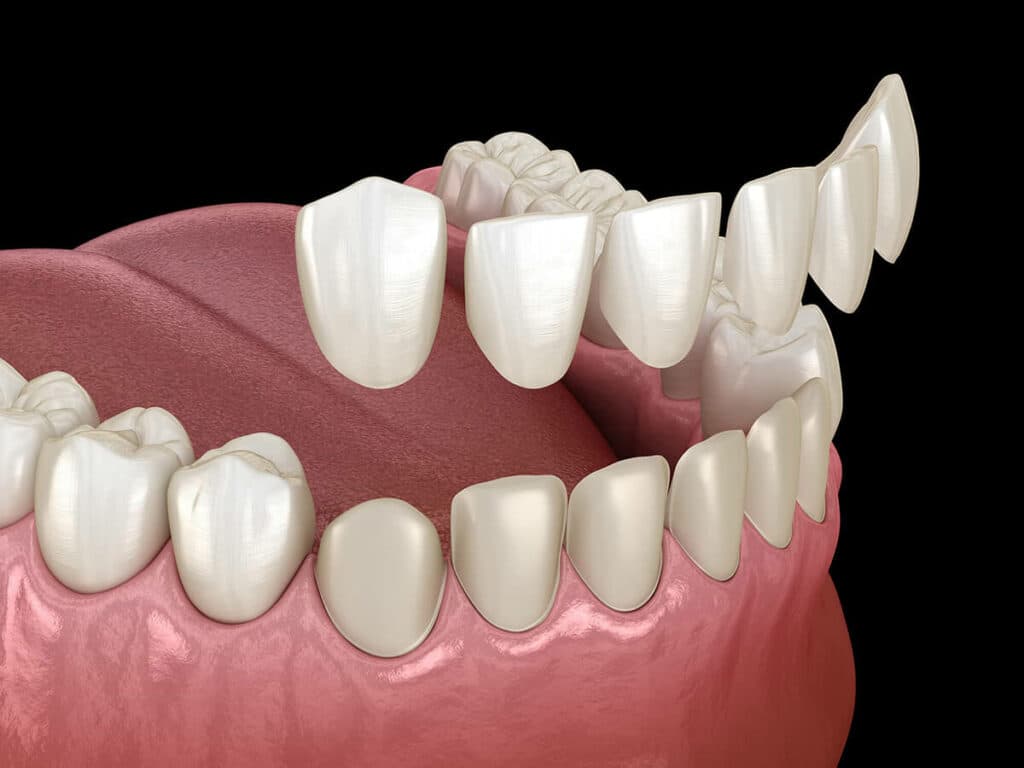
- Cosmetic Enhancement: Crowns may be used when a tooth is severely discolored, worn, damaged, or misshapen. Learn more about cosmetic dental crowns.
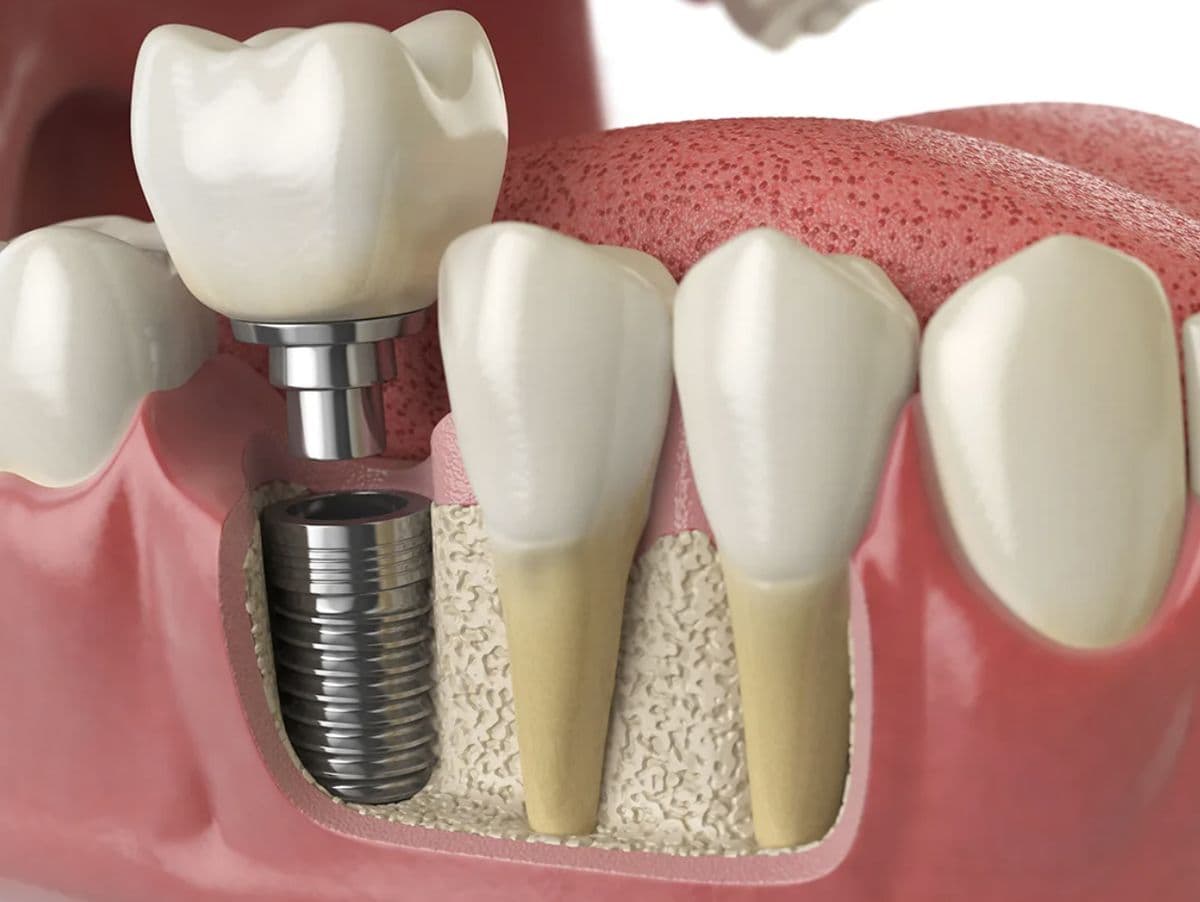
- Dental Bridges and Implants: Crowns can serve as part of a dental bridge or as the visible restoration attached to a dental implant.
How Much Does a Dental Crown Cost Without Insurance?
Without dental insurance, patients generally pay the full fee for the crown and any additional procedures required to prepare the tooth. Nationally, dental crown costs commonly range from approximately $800 to $3,000 per tooth, although some restorations may cost more depending on the material and complexity of treatment.
In Manhattan and other high-cost metropolitan areas, crown fees may be higher because of laboratory costs, staffing, technology, commercial rent, and other operating expenses.
According to Colgate's consumer guide, crown material is one of the main factors affecting treatment cost.
Dental Crown Price Breakdown by Material
- Porcelain-Fused-to-Metal (PFM): These crowns combine a metal substructure with a porcelain exterior and are commonly used for both strength and aesthetics. Typical fees may range from $800 to $1,500.
- All-Ceramic or All-Porcelain: These restorations are often chosen for visible teeth because they can closely resemble natural enamel. Costs commonly range from $1,000 to $3,000.
- Zirconia: Zirconia is known for its high strength and is frequently used for posterior teeth and patients with heavier biting forces. Typical costs range from $1,000 to $2,500.
- Gold and Metal Alloys: Metal crowns can be highly durable and may require less tooth reduction in some situations. Costs can range from approximately $900 to $2,500, depending partly on material prices.
- Resin Crowns: Resin restorations are frequently used as temporary crowns during the fabrication of a permanent restoration. Costs may range from $300 to $600.
For additional national pricing information, GoodRx provides an overview of dental crown costs with and without insurance.
How Crown Material Affects the Cost
Choosing a crown material involves more than price. Tooth location, appearance, bite force, available tooth structure, grinding habits, and the dentist's treatment plan can all influence the recommended material.
- E-Max / Lithium Disilicate: This ceramic material is known for its natural appearance and translucency and is often considered for highly visible teeth.
- Zirconia: Zirconia offers high strength and is commonly considered for molars, bridges, and patients who generate strong biting forces.
- Porcelain-Fused-to-Metal: PFM crowns combine strength with a tooth-colored exterior and may be used for individual crowns or bridges.
- Metal Alloys: Metal crowns are highly durable and may be considered for back teeth where appearance is less important.
Additional Dental Crown Costs and Preparatory Procedures
The crown itself may represent only part of the total treatment cost. Before a permanent crown can be placed, the tooth may need diagnostic imaging, decay removal, structural rebuilding, root canal treatment, or other procedures.
Common Additional Costs
- Evaluation and X-rays: Diagnostic exams and imaging are used to determine whether a crown is appropriate and whether the tooth has additional problems.
- Core Build-Up: If a significant amount of tooth structure is missing, restorative material may be used to rebuild the tooth before crown placement. This can add approximately $200 to $500.
- Post and Core: A tooth that has undergone root canal therapy and has limited remaining structure may require a post and core to support the restoration. This may add roughly $250 to $650.
- Root Canal Treatment: If the pulp of the tooth is infected or severely damaged, root canal therapy may be required before the crown is placed.
- Periodontal or Gum Treatment: In some cases, gum treatment or crown-lengthening procedures may be necessary to expose enough healthy tooth structure for a secure restoration.
What Factors Affect the Cost of a Dental Crown?
The total price of a dental crown can vary substantially between patients and dental offices. The main factors include crown material, tooth location, geographic area, treatment complexity, laboratory fees, technology, and whether additional procedures are required.
1. Geographic Location
Dental fees vary by region. Patients seeking dental crowns in Manhattan may encounter different pricing than patients in smaller cities or rural areas because operating costs, laboratory fees, and local market conditions differ.
2. Dentist Experience and Treatment Complexity
Complex restorative cases may require more preparation, planning, bite adjustment, diagnostic imaging, or coordination with a dental laboratory. The complexity of the tooth and surrounding structures can therefore affect the total treatment fee.
3. Dental Laboratory and Technology
Digital scanners, CAD/CAM systems, advanced ceramics, and specialized dental laboratories can affect both the treatment process and the final fee. Digital impressions may also help improve comfort and allow the dental team to communicate detailed information about tooth shape, bite, and shade to the laboratory.
How Much Does a Dental Crown Cost With Insurance?
Dental insurance can reduce the amount a patient pays for a crown, but coverage varies considerably between plans. Many policies classify crowns as major restorative treatment and may pay a percentage of the plan's negotiated fee after the deductible has been met.
A common dental benefits structure is sometimes described as a 100-80-50 model, although individual plans vary:
- Preventive care: often covered at the highest percentage.
- Basic restorative care: may receive partial coverage.
- Major restorative care: procedures such as crowns may receive a lower percentage of coverage.
Annual Maximums, Deductibles, and Waiting Periods
Even when a policy covers part of the crown fee, annual benefit maximums can limit how much the insurance company pays during the year. Deductibles, waiting periods, replacement limitations, and network status can also affect coverage.
For general information about dental benefits, the American Dental Association provides information about common dental plan benefits and limitations.
In-Network vs. Out-of-Network Crown Costs
In-network dentists typically agree to negotiated fees established by the insurance plan. As a result, the amount used to calculate your coinsurance may differ from the dentist's standard fee.
Before beginning treatment, ask the dental office for a written estimate and verify your benefits directly with your insurance carrier. An estimate is not a guarantee of payment, but it can help clarify deductibles, remaining annual benefits, and estimated patient responsibility.
Ways to Manage Dental Crown Costs
- Review Your Dental Benefits: Confirm your deductible, annual maximum, waiting periods, and whether your dentist participates in your plan.
- Ask for a Written Treatment Estimate: A treatment plan can help separate the crown fee from any additional procedures such as a build-up or root canal.
- Use HSA or FSA Funds When Eligible: Certain dental expenses may qualify for payment through eligible health savings or flexible spending accounts. See IRS Publication 502 for general information.
- Discuss Financing: Some dental practices offer third-party financing or payment options that allow patients to spread treatment costs over time.
- Compare Appropriate Treatment Options: Depending on how much healthy tooth remains, alternatives may include an inlay, onlay, filling, bridge, or implant. Learn more about crowns, bridges, and dental implants.
Dental Crown Procedure: What to Expect
Traditional dental crown treatment commonly involves preparation of the tooth, an impression or digital scan, a temporary crown, and placement of the final restoration.
Step-by-Step Dental Crown Procedure
- Examination and Preparation: The dentist evaluates the tooth, removes decay or damaged structure, and prepares the tooth so the crown can fit properly.
- Digital Impression or Traditional Impression: A scan or impression records the shape of the prepared tooth and surrounding teeth.
- Temporary Crown: When the final crown is fabricated by a dental laboratory, a temporary restoration may be placed to protect the tooth.
- Final Crown Placement: The permanent crown is evaluated for fit, contact with neighboring teeth, appearance, and bite before it is bonded or cemented into place.
Tribeca Dental Studio offers dental crown and bridge treatment for patients who need restorative care.
How Long Do Dental Crowns Last?
Dental crowns commonly last 5 to 15 years, and some may last longer with good oral hygiene and favorable bite conditions. Longevity depends on the crown material, tooth condition, brushing and flossing habits, grinding or clenching, diet, and routine dental care.
Frequently Asked Questions About Dental Crown Costs
How much is one dental crown?
A single dental crown may cost roughly $800 to $3,000 or more without insurance. The final price depends on the crown material, location, tooth condition, laboratory work, and whether additional treatment is necessary.
How much does a dental crown cost without insurance?
Without insurance, you generally pay the full dental office fee for the crown plus any necessary diagnostic or preparatory treatment. Additional procedures such as a core build-up or root canal can increase the total.
How much does dental insurance pay for a crown?
Coverage varies by policy. Many dental plans classify crowns as major restorative care and may cover part of the negotiated fee after the deductible. Annual maximums, waiting periods, network status, and replacement limitations can reduce the amount paid by the insurer.
Why are dental crowns expensive?
The cost of a crown reflects multiple parts of treatment, including tooth preparation, restorative material, laboratory work or digital manufacturing, impressions or scanning, temporary restoration, final fitting, bite adjustment, and the dentist's clinical time.
How long do dental crowns typically last?
Many dental crowns last approximately 10 to 15 years, although some last longer. Crown longevity depends on material, oral hygiene, tooth condition, bite forces, grinding habits, and routine dental maintenance.
Why does a crowned tooth hurt years later?
Pain or sensitivity around an older crown can develop for several reasons, including:
- Recurrent Decay: Decay can develop around the edge of the crown if bacteria reach the underlying tooth structure.
- Gum Recession: Gum recession can expose sensitive root surfaces near the crown.
- Cracks or Fractures: The tooth or root underneath the crown may develop a fracture.
- Bite Changes: Grinding, clenching, or changes in the bite may place additional stress on the crowned tooth.
For more information, read our guide about why a crowned tooth may hurt years later and our article about crown sensitivity to cold and hot.
Are there alternatives to a dental crown?
In some cases, yes. If enough healthy tooth structure remains, an inlay, onlay, filling, or bonding procedure may be appropriate. If a tooth cannot be predictably restored, extraction followed by a bridge or dental implant may be considered. The appropriate option depends on the amount of remaining tooth structure, location of the damage, bite forces, symptoms, and overall oral health.
Dental Crown Cost: Final Considerations
The cost of a dental crown depends on the crown material, tooth condition, geographic location, insurance benefits, and whether additional procedures are required. For many patients, the most useful starting point is a dental examination followed by a written treatment estimate that separates the crown fee from any additional restorative or endodontic procedures.
If you believe you may need a crown, having the tooth evaluated early can help determine whether a crown, filling, onlay, root canal, or another treatment is appropriate.
Learn more about dental crowns and bridges at Tribeca Dental Studio and schedule an evaluation to receive a treatment plan based on your individual dental needs.