When Do You Need a Deep Dental Cleaning?
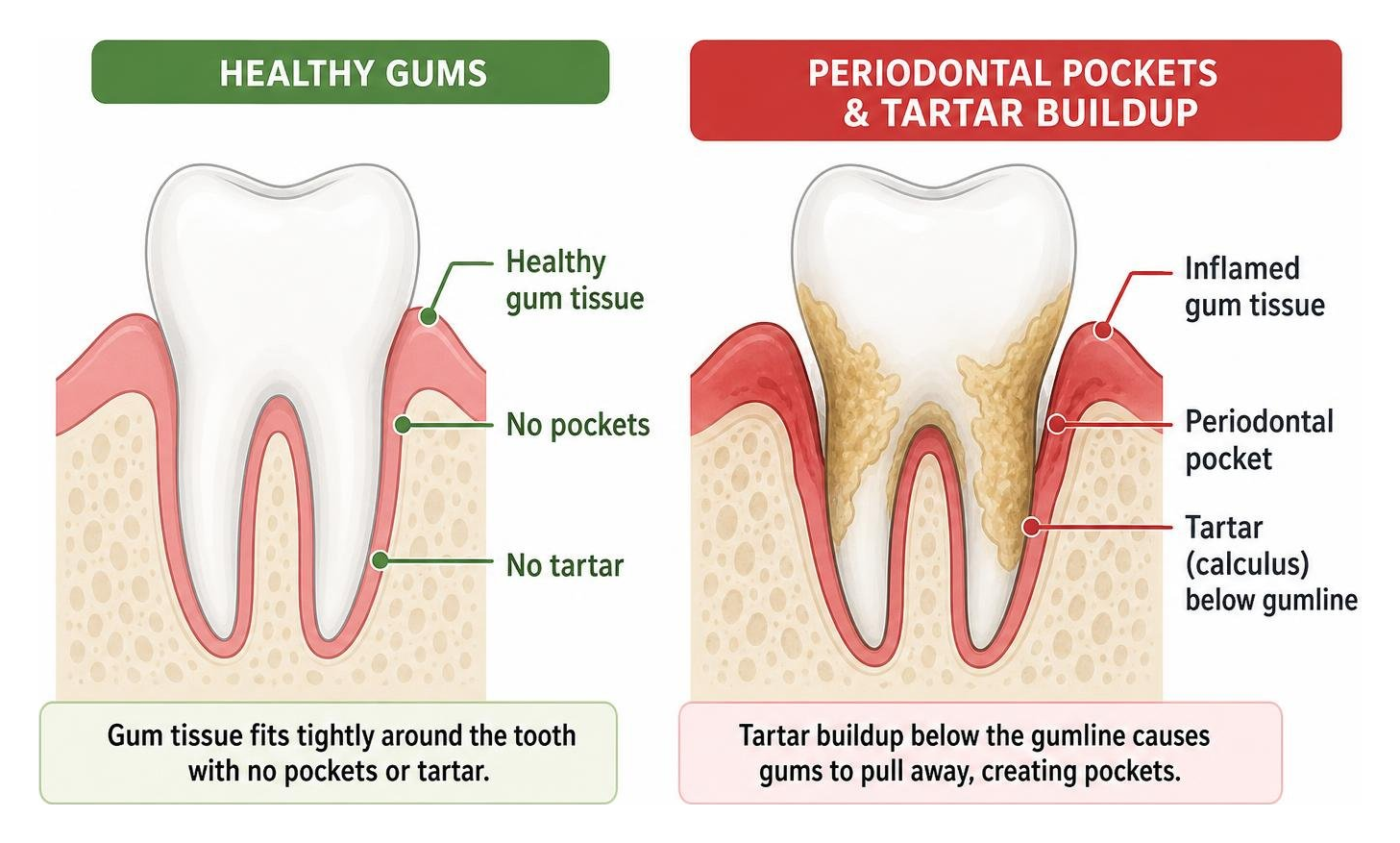
While a routine professional teeth cleaning (prophylaxis) focuses on the visible surfaces of your teeth above the gumline, a deep cleaning dives much deeper. Over time, bacterial plaque hardens into tartar (calculus). When tartar collects below the gumline, it triggers an inflammatory response in your gum tissue. This causes the gums to pull away from the teeth, creating small spaces called periodontal pockets.
Standard cleanings clean the surface, but once these pockets form, manual brushing, flossing, and prophylactic polishing cannot reach the deep root surfaces. That is where periodontal scaling and root planing comes in.
During scaling, our hygienists use specialized manual hand scalers and ultrasonic scalers to vibrate away stubborn tartar and plaque deposits from root surfaces. During root planing, we carefully smooth out the rough spots on the tooth roots. Smooth root surfaces make it much harder for plaque-causing bacteria to cling to the area in the future, giving your gum tissue a clean foundation to heal and reattach tightly to your teeth. To explore our general preventive services, view our Preventive Dentistry offerings and discover how we keep your mouth healthy year-round.
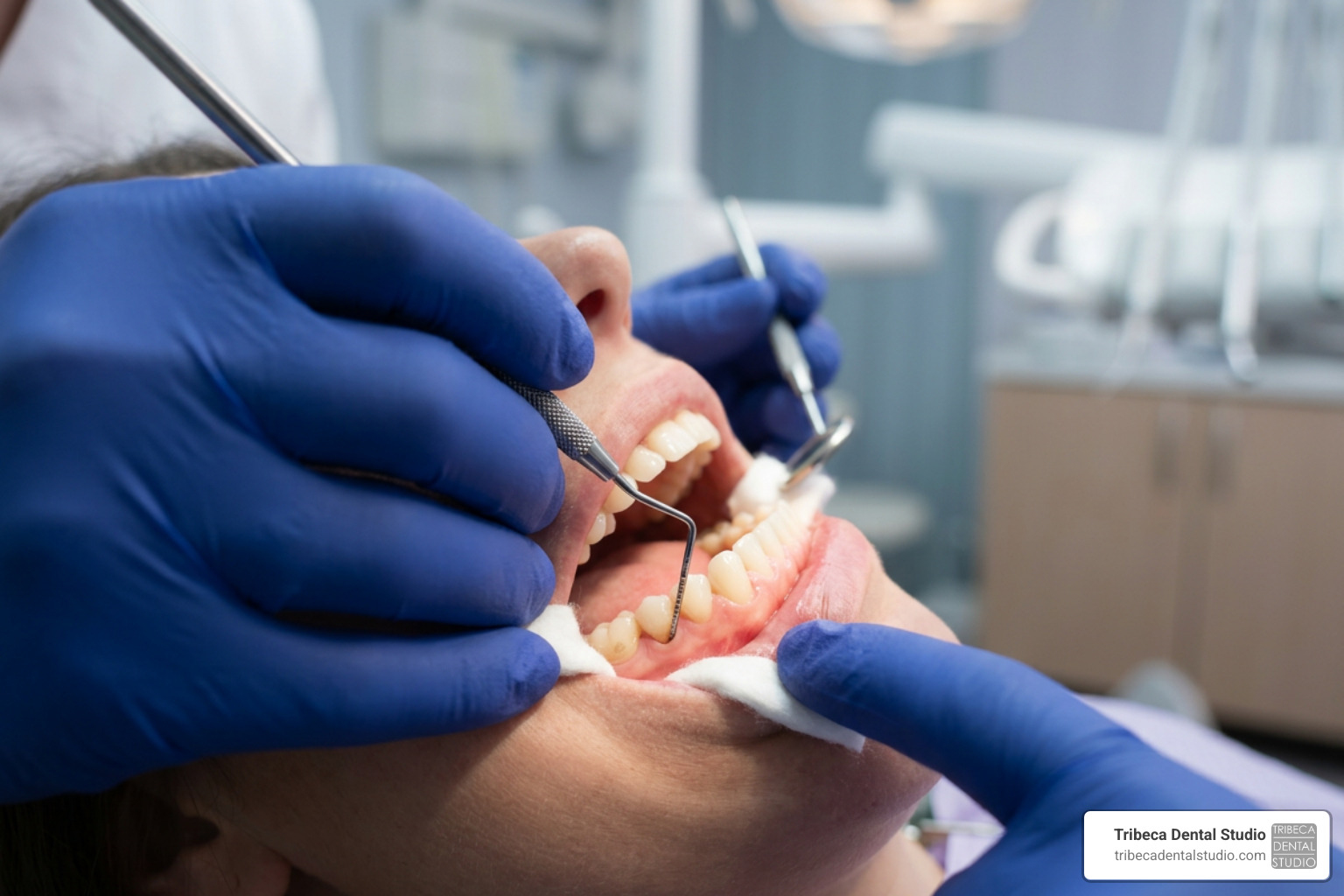
How do you know if you are a candidate for a deep cleaning? It usually begins with a comprehensive periodontal evaluation during your regular checkup. We use a tiny, specialized ruler called a periodontal probe to gently measure the depth of the space between your teeth and gums.
- 1 mm to 3 mm: Healthy gum tissue that fits snugly around the tooth.
- 4 mm or deeper: Indicates gum tissue inflammation, attachment loss, and active periodontal pockets where bacteria thrive.
When deep pockets are detected, standard routine care is no longer sufficient. If you are noticing warning signs at home, check out our Early Signs of Gum Disease You Should Never Ignore guide, as well as our helpful Cheat Sheet to Early Gum Disease Signs & Deep Cleaning. Common signs that you may need periodontal therapy include:
- Gums that bleed easily when brushing or flossing
- Red, swollen, or tender gum tissue
- Persistent bad breath (halitosis) or a unpleasant taste in your mouth
- Gums that appear to be pulling away from your teeth, making teeth look longer
- Visible bone loss on diagnostic dental X-rays
Systemic Health and Medical Risk Factors
Your mouth does not exist in isolation; it is intimately connected to your overall body health. Chronic systemic conditions like diabetes and heart disease have a strong, bidirectional link with periodontal disease. Systemic inflammation from untreated gum infections can make blood sugar harder to control in diabetic patients, while active cardiovascular disease increases the risk of severe gum infections.
Because deep cleanings access subgingival tissue, a small amount of bacteria can temporarily enter your bloodstream during treatment. That is why thorough pre-procedure coordination is essential for your safety:
- Blood Thinners: If you take medications such as Plavix, Eliquis, Warfarin, or Pradaxa, we consult directly with your prescribing physician to coordinate your appointment safely.
- Joint Replacements & Heart Conditions: Patients with artificial joint replacements, specific heart conditions, or compromised immune systems may require prophylactic antibiotics prior to their deep cleaning.
The Step-by-Step Scaling and Root Planing Procedure
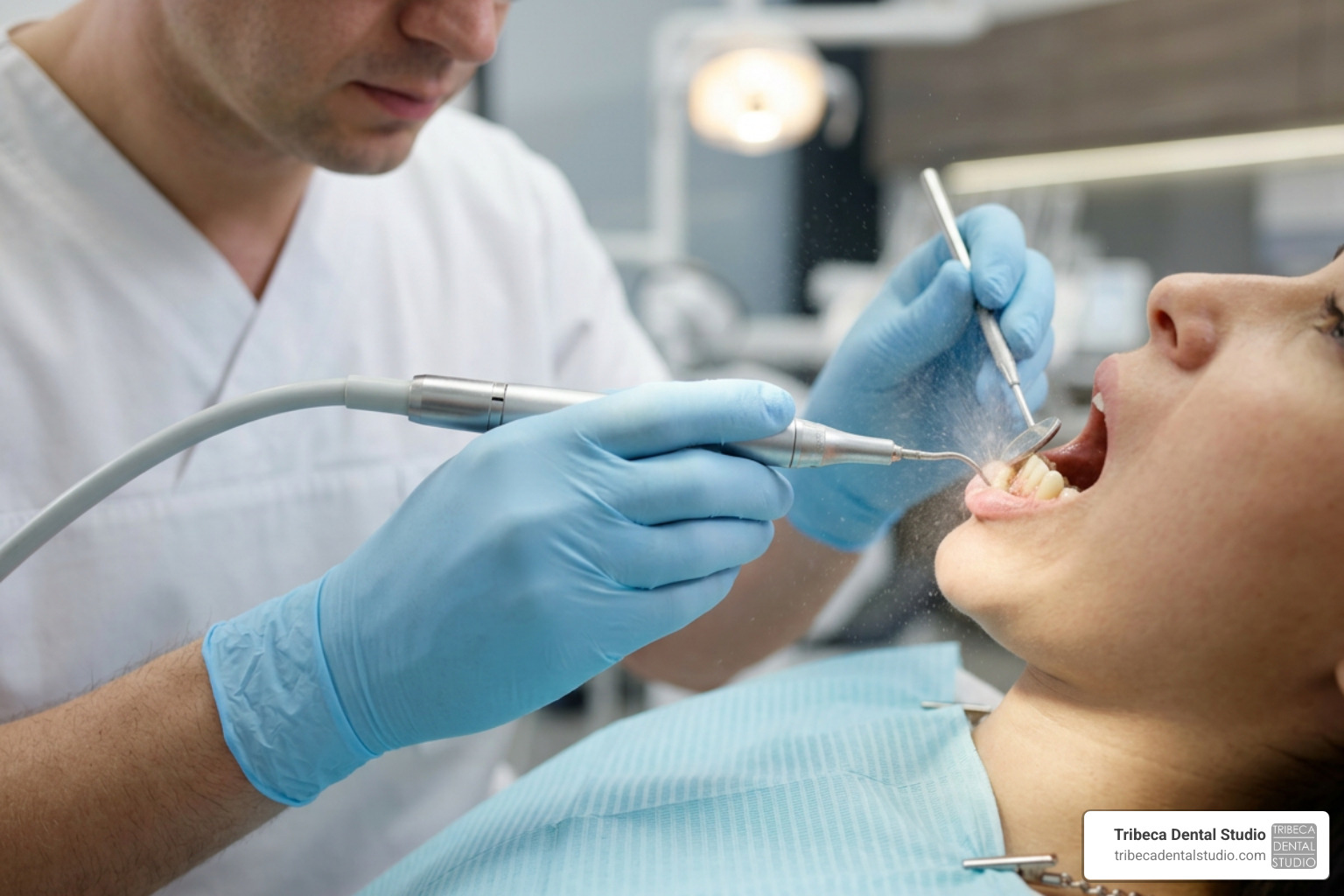
At Tribeca Dental Studio, we prioritize your absolute comfort. Before we begin the scaling and root planing process, we apply a gentle local anesthetic to completely numb the gums and tooth roots in the targeted area. You won’t feel pain during the treatment — just mild pressure.
Once you are completely comfortable, the step-by-step cleaning begins:
- Ultrasonic Scaling: We utilize advanced ultrasonic scalers that use high-frequency sound vibrations combined with a cooling water mist. This quickly breaks apart heavy tartar deposits and flushes away subgingival bacterial debris.
- Manual Hand Scaling: Our skilled hygienists follow up with precise hand instruments to clear away fine tartar remnants from hard-to-reach pockets.
- Root Planing: We carefully smooth out rough, exposed root areas. Removing these rough spots removes trapped bacterial toxins and provides a smooth surface for your gums to reattach.
- Antibacterial Irrigation: To promote rapid healing, we often flush the freshly cleaned periodontal pockets with an antimicrobial rinse, eliminating any lingering bacteria.
Depending on the extent of your gum disease, we may treat your entire mouth in one thorough 1 to 2-hour visit, or divide the treatment into quadrants across two separate appointments (for example, treating the right side during one visit and the left side during the next).
Preparing for Your Deep Dental Cleaning
Preparing for your deep cleaning appointment is simple and stress-free:
- Provide a Full Medical History: Inform us of all current health conditions, recent surgeries, and medications (including over-the-counter supplements).
- Coordinate Medications: If you take blood thinners or require pre-procedure antibiotics, follow the guidance provided by our clinical team and your primary physician. Never stop taking prescribed medication without consulting your doctor first.
- Eat a Light Meal: Since your mouth will remain numbed for a few hours after treatment, having a light meal beforehand keeps you comfortable.
Advanced Technologies: Laser Periodontal Therapy
In addition to traditional scaling and root planing, modern periodontics offers advanced technological solutions. For patients with deep pockets or advanced periodontitis, we offer laser gum care.
Laser technology uses focused light energy to target and eliminate diseased tissue and subgingival bacteria with extreme precision, leaving healthy tissue untouched. This minimally invasive approach reduces bleeding, minimizes post-procedure swelling, and promotes faster tissue regeneration. To learn more about how we utilize state-of-the-art laser care in Manhattan, visit our Laser Gum Treatment NYC page and explore our specialized LANAP Laser Gum Therapy options.
Aftercare, Recovery, and Ongoing Periodontal Maintenance
Proper home care following your deep dental cleaning is crucial for optimal healing. As your local anesthetic wears off, it is completely normal to experience mild gum tenderness, minor bleeding during brushing, and temporary temperature sensitivity for a few days to a couple of weeks.
To keep recovery seamless and comfortable:
- Manage Sensitivity: Use a desensitizing toothpaste containing potassium nitrate to soothe sensitive tooth roots.
- Eat Soft Foods: Stick to soft, warm or cool foods (like soups, yogurt, scrambled eggs, and smoothies) for the first 24 to 48 hours. Avoid sharp, crunchy, or heavily spiced foods.
- Gentle Oral Hygiene: Continue brushing and flossing daily, but be extremely gentle around tender gum tissues. For detailed home tips, check out The Ultimate Guide to Keeping Your Teeth Squeaky Clean at Home.
- Saltwater Rinses: Rinse gently with a warm saltwater solution (1/2 teaspoon of salt in warm water) three times daily to soothe tissue and keep the area clean.
We typically schedule a follow-up re-evaluation appointment 4 to 6 weeks post-cleaning. During this visit, we remeasure your gum pocket depths to confirm that your tissue is healing and reattaching properly.
Moving forward, patients who have undergone a deep cleaning transition from standard twice-yearly cleanings to periodontal maintenance every 3 to 4 months. Because periodontal bacteria can repopulate deep pockets within 90 days, 3-to-4-month maintenance visits prevent relapse and preserve your bone structure. For further insights on long-term management, read our guide on How to Reverse Gum Disease.
Understanding Insurance Coverage and Procedure Costs
Understanding the financial side of periodontal treatment helps you plan with confidence. Deep cleanings are categorized as therapeutic medical procedures rather than routine preventive maintenance, meaning dental insurance policies process them under periodontal benefits.
Most dental plans cover a significant portion of scaling and root planing — often between 50% and 80% of the cost after your annual deductible is met. Insurance plans typically bill deep cleanings per quadrant (up to four quadrants total for a full mouth).
| Coverage Category | Typical Out-of-Pocket Range (With Insurance) | Typical Range (Without Insurance) |
|---|---|---|
| Per Quadrant | $50 – $150 | $200 – $450 |
| Full Mouth (4 Quadrants) | $200 – $600 | $800 – $1,800 |
| Periodontal Maintenance Visit | $30 – $75 | $150 – $300 |
To learn more about maximizing your dental plan benefits and exploring payment options in NYC, read our comprehensive Teeth Cleaning Cost & Insurance Guide and our detailed overview on Teeth Cleaning Without Insurance Cost.
Frequently Asked Questions About Deep Dental Cleaning
Does a deep dental cleaning hurt?
Thanks to local anesthesia, the procedure itself is virtually painless. We ensure the treatment area is thoroughly numbed before we begin. Afterward, you may feel mild tissue tenderness or temporary tooth sensitivity to hot and cold, which can be managed easily with over-the-counter pain relievers and desensitizing toothpaste.
How long does a deep dental cleaning take?
A complete full-mouth deep dental cleaning generally takes between 1 and 2 hours. If your periodontitis is extensive or if you have sensitive tissues, we may divide the care into two separate 1-hour sessions, treating two quadrants per visit.
How often will I need follow-up maintenance?
Most patients only require one initial scaling and root planing treatment. However, to keep gum disease in remission and prevent recurrent infections, you will need periodic periodontal maintenance cleanings every 3 to 4 months instead of standard 6-month preventive cleanings.
Restoring Your Health with Comprehensive Dental Care
At Tribeca Dental Studio in New York City, we believe that exceptional dentistry combines advanced clinical expertise with a warm, personal touch. Led by Dr. Nina Izhaky, our multidisciplinary team — including top-tier specialists like periodontist Dr. Sam Morhaim — treats every patient like family.
Whether you require advanced periodontics, full-mouth reconstruction, or specialized restorative care, we stand behind the precision and quality of our work. Our practice is widely known for excelling in custom, conservative smile design, including expert no-prep veneers in NYC that enhance your smile without altering your natural enamel structure.
In addition to state-of-the-art gum disease management, our Tribeca practice offers a full spectrum of advanced, long-term oral healthcare solutions designed for optimal durability:
- Precision Dental Implants: Patient-centered implant dentistry focused on long-term stability and aesthetics, including complex full-arch restorative options and zygomatic implant care.
- Full-Mouth Reconstruction: Comprehensive, customized treatment plans to rebuild function and beauty for complex dental needs.
- Custom Dental Crowns & Restorations: High-strength, natural-looking porcelain crowns engineered for functional longevity and seamless aesthetics.
- Cosmetic Smile Design: Leading cosmetic solutions ranging from conservative no-prep veneers to advanced whitening treatments.
If you are experiencing gum tenderness, bleeding, or have been told you need a deep cleaning, do not wait until bone loss occurs. Learn more about our comprehensive Periodontal Disease Treatment at Tribeca Dental Studio and schedule your personalized consultation with our team today!