The Ultimate Guide to Keeping Your Teeth Squeaky Clean at Home
May 22, 2026
Why Cleaning Your Teeth at Home Is the Foundation of Good Oral Health
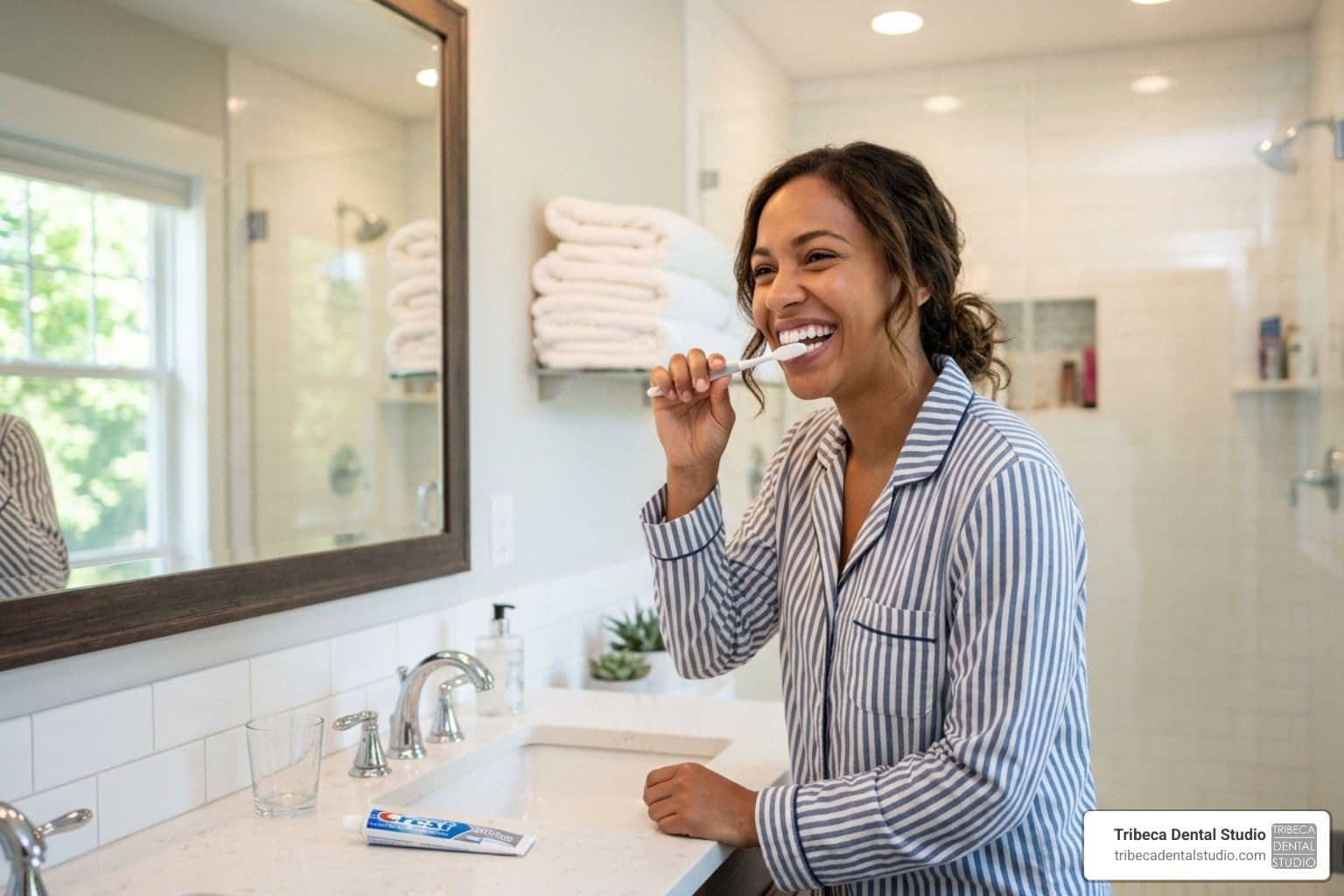
Clean teeth at home starts with a simple daily routine — and doing it right makes a bigger difference than most people realize.
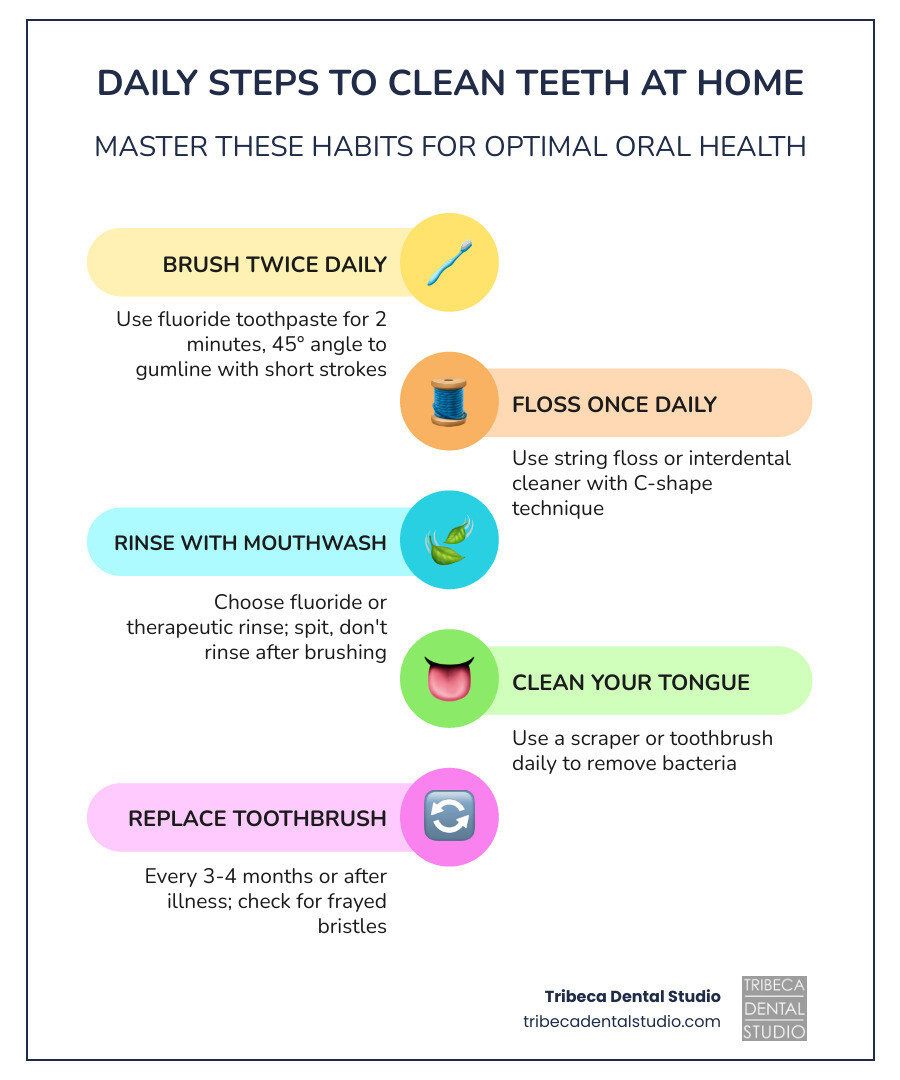
Here’s a quick summary of how to clean your teeth at home effectively:
- Brush twice a day for 2 minutes with fluoride toothpaste
- Hold your brush at a 45-degree angle to the gumline and use short strokes
- Floss or use an interdental cleaner once daily
- Rinse with mouthwash at a different time than brushing
- Clean your tongue daily with a scraper or your toothbrush
- Replace your toothbrush every 3-4 months
Think about this: if you visit the dentist twice a year, you spend roughly 2 hours in the chair annually. But your daily brushing and flossing routine adds up to around 30 hours per year. That time at home is where your oral health is really won or lost.
And the stakes go beyond just a bright smile. Nearly half of adults over 30 have gum disease. Research has linked gum disease and mouth infections to a higher risk of Alzheimer’s disease and dementia. Your mouth is a window to your overall health — and what you do at home every day matters enormously.
I’m Dr. Nina Izhaky, a graduate of New York University College of Dentistry and founder of Tribeca Dental Studio, where I’ve helped hundreds of patients build better routines to clean teeth at home as part of their personalized care plans. In this guide, I’ll walk you through everything — from the basics of brushing technique to advanced tools, safe home remedies, and special considerations for different life stages.
Terms related to clean teeth at home:
- best whitening for sensitive teeth
- natural teeth whitening
- professional teeth whitening for sensitive teeth
The Foundation: How to Clean Teeth at Home Effectively
To truly clean teeth at home, we must look at the “how” and “why” behind our daily habits. It isn’t just about moving a brush around; it’s about mechanical plaque removal. Plaque is a sticky film of bacteria that constantly forms on your teeth. If left alone, it produces acids that eat away at your enamel and irritates your gums.
According to Scientific research on home oral care evidence, the gold standard is brushing twice a day for a full two minutes. Studies show that brushing for two minutes reduces significantly more plaque than brushing for just one minute. We often suggest dividing your mouth into four quadrants (top-left, top-right, bottom-left, bottom-right) and spending 30 seconds on each.
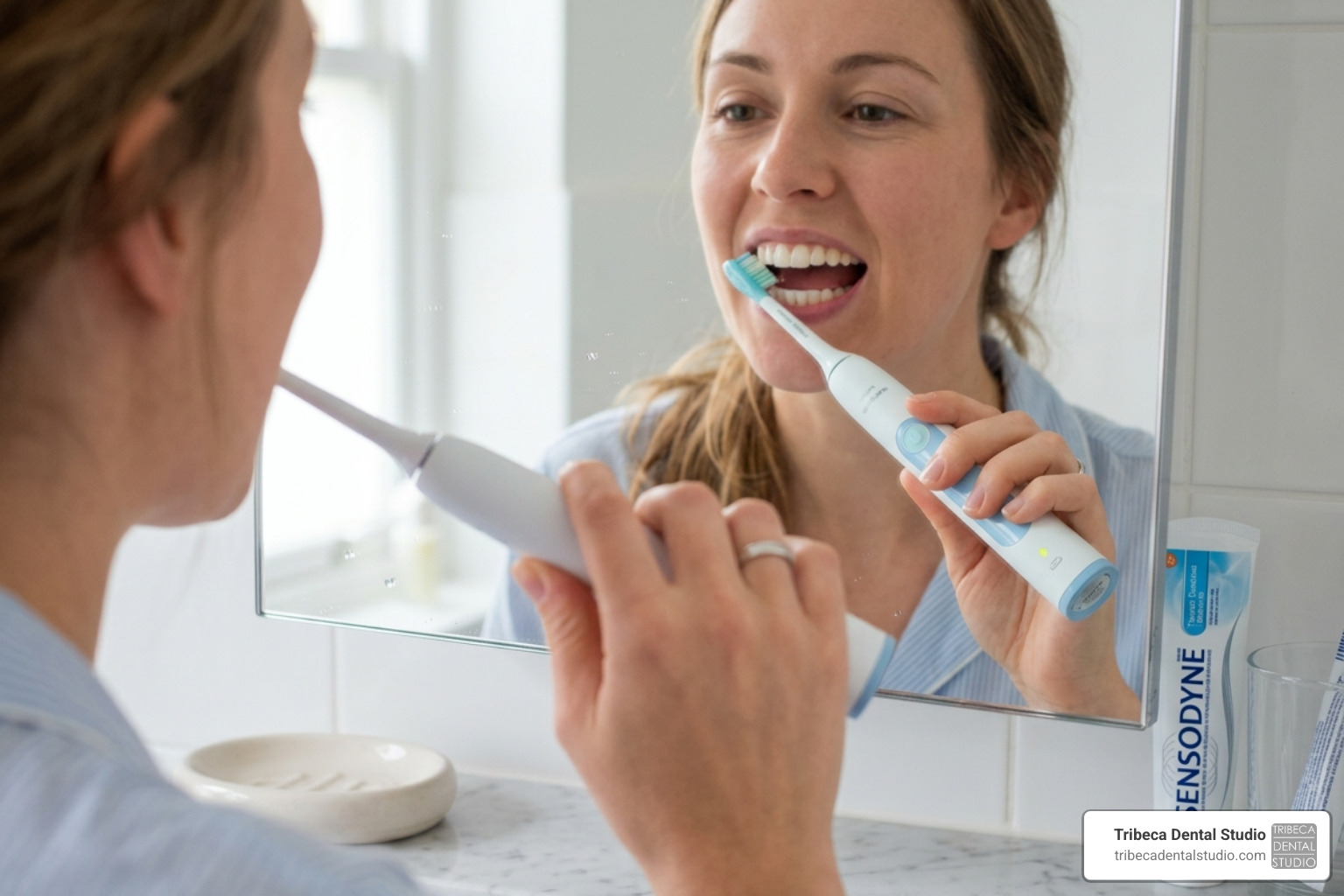
The presence of fluoride is non-negotiable for an effective routine. Fluoride is a naturally occurring mineral that strengthens tooth enamel and can even “re-mineralize” small soft spots before they become full-blown cavities. Research indicates that fluoride toothpaste prevents between 16% and 31% of cavities compared to non-fluoride options. For more specialized advice on keeping your smile intact, you can explore more info about preventive dentistry.
Mastering the Proper Brushing Technique to Clean Teeth at Home
Most of us were taught to brush as kids, but many adults still “scrub” their teeth horizontally. This can actually lead to gum recession and enamel abrasion. Instead, follow these steps for a professional-level clean:
- The 45-Degree Angle: Place your toothbrush at a 45-degree angle to the gums. This allows the bristles to reach slightly under the gumline where bacteria love to hide.
- Short, Gentle Strokes: Use short, vibrating, or circular motions. Think of it as massaging your teeth rather than scrubbing a floor.
- The Inner Surfaces: Don’t forget the “tongue side” of your teeth. These areas are just as prone to tartar buildup. To clean the inside of your front teeth, tilt the brush vertically and make several up-and-down strokes.
- Chewing Surfaces: Use a flat, back-and-forth motion on the tops of your molars.
- The Tongue: Lightly brush your tongue or use a scraper to remove odor-causing bacteria.
By following this How to Brush Your Teeth and Floss Properly | Colgate® method, you significantly lower your risk of decay. For those particularly worried about tooth decay, check out more info about cavity prevention.
Choosing the Right Tools to Clean Teeth at Home
Is an electric toothbrush better than a manual one? While both can be effective if used with perfect technique, studies often favor electric models. A 2021 study found that electric toothbrushes removed more plaque from molars, and another study showed an 86% reduction in plaque and gum bleeding after 12 weeks of electric brush use.
| Feature | Manual Toothbrush | Electric Toothbrush |
|---|---|---|
| Plaque Removal | Effective with high skill | Highly effective (oscillating/sonic) |
| Ease of Use | Requires manual dexterity | Does most of the work for you |
| Built-in Timers | Rare | Common (ensures 2-minute limit) |
| Cost | Low | Moderate to High |
| Portability | Excellent | Good (requires charging) |
Regardless of the “engine,” always choose a soft-bristled brush. Medium or hard bristles can be too aggressive for your gums and enamel. Additionally, ensure your toothpaste contains at least 1350 ppm (parts per million) of fluoride for adults.
Advanced Tools and Interdental Strategies
Brushing only cleans about 60% of your tooth surfaces. The remaining 40% lies between the teeth, where a toothbrush simply cannot reach. This is why interdental cleaning is vital to clean teeth at home.
Traditional string floss is the most common tool. The key is the C-shape technique: wrap the floss around the side of the tooth in a “C” shape and gently slide it up and down, going slightly beneath the gumline. If your gums bleed at first, don’t stop! This is usually a sign of mild inflammation (gingivitis) that will improve with consistent cleaning.
For those who find string floss difficult, there are excellent alternatives:
- Water Flossers: These use a pressurized stream of water to flush out debris. They are clinically proven to reduce gum inflammation and are great for people with braces or dental work.
- Interdental Brushes: These tiny, Christmas-tree-shaped brushes are often more effective than floss for people with larger gaps between their teeth.
- Floss Picks: While not as flexible as string floss, they are better than not flossing at all.
For a deeper dive into timing, read more info about how often to floss. You can also find official guidance on How to keep your teeth clean – NHS.
The Role of Mouthwash and Rinsing
Mouthwash is a great “extra credit” step, but it shouldn’t replace brushing or flossing. Therapeutic mouthwashes can kill bacteria, strengthen enamel, or help with sensitivity.
The Golden Rule of Rinsing: Do not rinse your mouth with water or mouthwash immediately after brushing. If you do, you wash away the concentrated fluoride from your toothpaste. Instead, spit out the excess toothpaste and wait at least 30 minutes before using mouthwash.
If you struggle with discomfort during your routine, you might find more info about why gums hurt after flossing helpful.
Prevention: Stopping Plaque and Tartar Before They Start
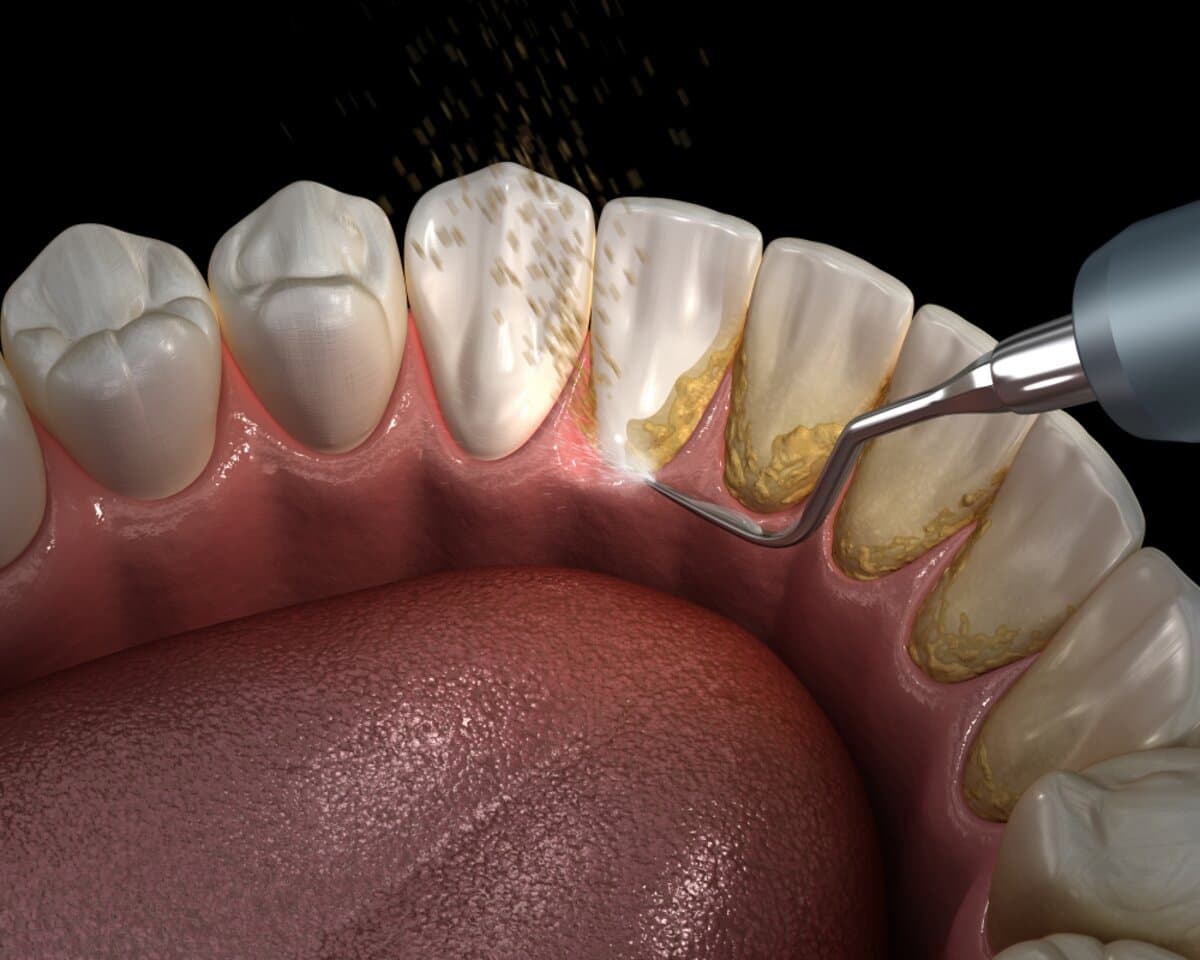
The ultimate goal of learning how to clean teeth at home is to prevent plaque from turning into tartar. Plaque is soft and can be brushed away. However, if plaque sits on the tooth for more than 24-48 hours, it can mix with minerals in your saliva and harden into tartar (calculus).
Once tartar forms, it is like concrete—no amount of brushing or flossing at home will remove it. Only a dental professional with specialized scaling tools can safely clear it away.
To prevent this buildup:
- Limit Sugary and Acidic Foods: Bacteria thrive on sugar. Limit soda, candy, and even excessive fruit juices.
- Eat “Detergent” Foods: Crisp, raw vegetables like carrots and celery can help mechanically “scrub” teeth as you eat.
- Drink Fluoridated Water: This provides a constant, low-level fluoride treatment for your teeth throughout the day.
The Scientific research on fluoride toothpaste efficacy confirms that consistent home care is the best defense. However, if you already notice hard yellow or brown deposits, you’ll need more info about professional teeth cleaning.
Safe Home Remedies vs. Dangerous DIY Trends
In the age of social media, many “natural” hacks for clean teeth at home have gone viral. Some are safe, while others can be devastating to your enamel.
- Baking Soda: Occasionally brushing with a paste of baking soda and water can help remove surface stains. It is mildly abrasive and alkaline, which helps neutralize acids. However, using it too often can wear down enamel.
- Oil Pulling: This ancient practice involves swishing coconut or sesame oil in your mouth for 10-20 minutes. While some users report fresher breath, there is limited scientific evidence that it “detoxifies” the body or replaces brushing.
- Hydrogen Peroxide: A very diluted solution can help with whitening, but it can also cause significant tooth sensitivity and gum irritation if used incorrectly.
- Avoid Charcoal and Lemon Juice: Charcoal is often too abrasive, and lemon juice is highly acidic. Both can permanently damage your enamel, making your teeth look more yellow as the underlying dentin is exposed.
For safer ways to brighten your smile, see more info about natural teeth whitening.
Special Considerations: From Children to Older Adults
Oral care needs change as we age. For children, the focus is on developing habits and protecting new enamel. We recommend parents supervise brushing until at least age seven to ensure the child isn’t just “chewing” on the brush.
For older adults, new challenges arise. Arthritis can make holding a toothbrush or floss difficult. In these cases, an electric toothbrush with a thick handle or an automatic flosser can be a lifesaver. Furthermore, many medications for blood pressure or depression cause dry mouth. Without saliva to wash away acids, the risk of rapid tooth decay skyrockets. We recommend sipping water frequently and using alcohol-free mouthwashes designed for dry mouth.
The Scientific research on gum disease and cognitive decline is particularly relevant for seniors. A 2020 study of over 6,000 adults found that those with gum disease were significantly more likely to develop Alzheimer’s. Keeping teeth clean isn’t just about the mouth; it’s about protecting the brain.
Maintaining Dental Work and Orthodontics
If you have braces, Invisalign, or dental implants, your “clean teeth at home” routine needs a few upgrades.
- Invisalign: Aligners should be cleaned every time you take them out. A simple, cost-effective method is soaking them in 3% hydrogen peroxide for 30 minutes, then brushing them with a soft brush. Avoid using colored mouthwash for soaking, as it can stain the plastic.
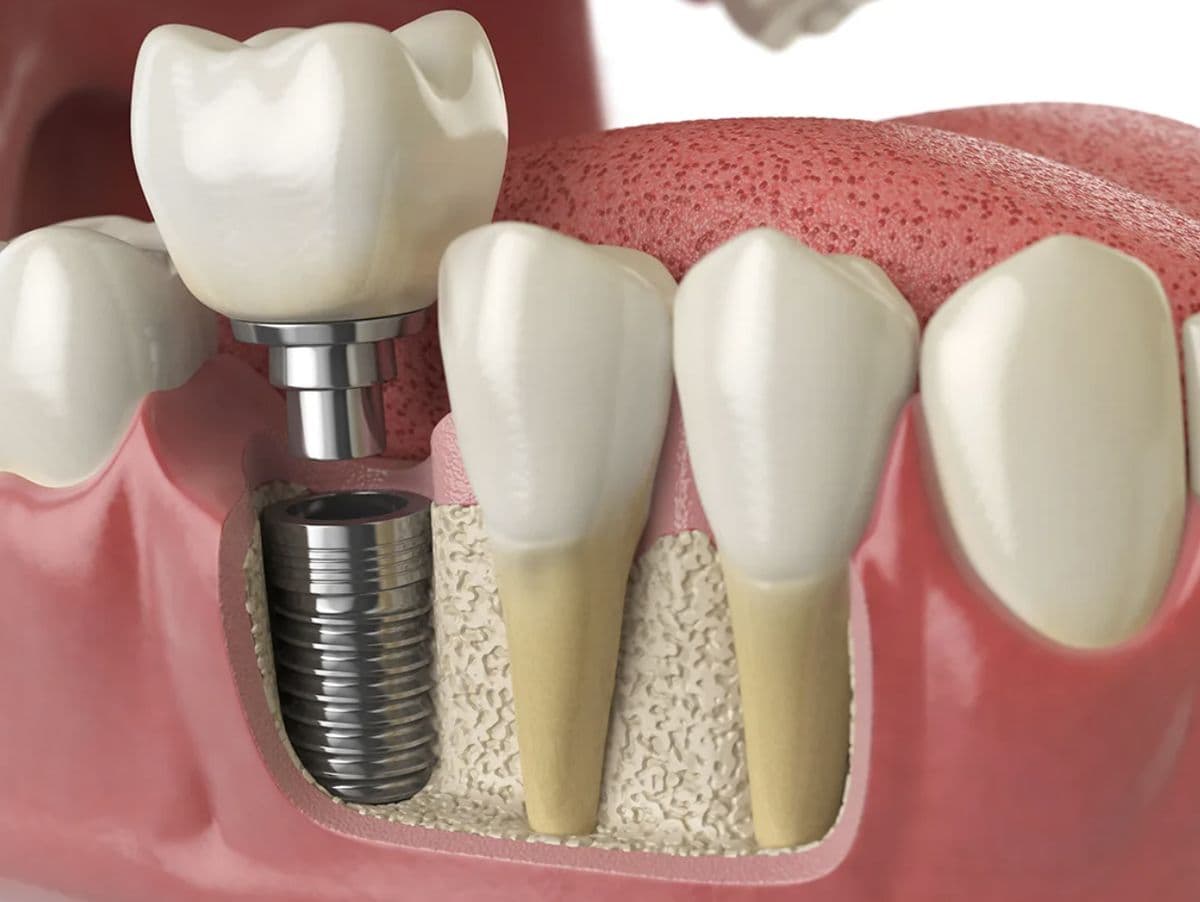
- Bridges and Implants: Bacteria can still gather around the base of an implant or under a bridge. Use a water flosser or “superfloss” (floss with a stiff end) to navigate these areas.
- Dentures: Dentures should be removed and cleaned daily with a non-abrasive cleanser. Leaving them out overnight allows your gum tissues to “breathe” and prevents infections.
Frequently Asked Questions
Can you deep clean your teeth at home like a professional?
The short answer is: No. While you can maintain an incredibly high standard of hygiene, you cannot “deep clean” in the clinical sense. A professional dental hygienist uses “scaling” to remove tartar from beneath the gumline—areas you cannot see or reach safely. Attempting to scrape your own teeth with “DIY dental kits” found online can lead to permanent gum damage and scratched enamel. To understand the value of a professional visit, see more info about the cost of teeth cleaning.
How often should I replace my toothbrush?
We recommend replacing your toothbrush (or electric brush head) every 3 to 4 months. If the bristles are frayed or splayed out, replace it sooner; a worn brush won’t clean effectively. It’s also a good idea to swap for a new one after you’ve been sick with a cold or flu to avoid re-introducing bacteria.
What are the risks of poor home oral hygiene?
Neglecting to clean teeth at home leads to a predictable chain of events:
- Gingivitis: Red, swollen, or bleeding gums.
- Periodontitis: The infection spreads to the bone supporting your teeth.
- Tooth Loss: As the bone dissolves, teeth become loose and eventually fall out.
- Systemic Issues: Bacteria from the mouth can enter the bloodstream, potentially contributing to heart disease, stroke, and diabetes complications.
For a deeper look at these risks, refer to the Oral Hygiene: Best Practices & Instructions | Cleveland Clinic.
Conclusion
Mastering how to clean teeth at home is the single best investment you can make in your long-term health. By combining the right tools—like a soft-bristled electric brush and fluoride toothpaste—with the proper 45-degree technique, you can prevent the vast majority of dental issues before they ever start.
At Tribeca Dental Studio, Dr. Nina Izhaky and our entire team are here to be your “coaches” in this process. We don’t just treat problems; we provide personalized NYC dental care to help you maintain your smile for a lifetime. While home care is the foundation, regular professional checkups are the “inspections” that keep everything running smoothly.
Ready to take your oral health to the next level? Discover the power of professional teeth whitening or schedule your next cleaning with us in the heart of Tribeca. We treat every patient like family, ensuring your journey to a healthy smile is as welcoming as it is effective.