Cheat Sheet to Early Gum Disease Signs & Deep Cleaning
July 1, 2026
What Are Early Gum Disease Signs — and Do You Need a Deep Cleaning?
Early gum disease signs and deep cleaning go hand in hand — catching the warning signals early is exactly what helps you avoid more serious treatment down the road. Here is a quick overview of what to watch for and when a deep cleaning becomes necessary:
Early gum disease signs:
- Gums that bleed when you brush or floss
- Red, swollen, or tender gum tissue
- Persistent bad breath that does not go away
- Gums that look like they are pulling away from your teeth
- Teeth that feel loose or have shifted position
When is a deep cleaning needed?
- Periodontal pockets measuring 4 mm or deeper
- Visible bone loss on dental X-rays
- Bleeding on probing combined with active inflammation
- Hardened tartar (calculus) buildup below the gumline
Nearly 47.2% of adults over 30 in the United States have some form of periodontal disease — and many do not know it, because early gum disease is often painless.
The good news: caught early, gum disease is highly manageable. A deep cleaning (scaling and root planing) is a proven, non-surgical first step that removes the infection below the gumline and gives your gums a real chance to heal.
I’m Nina Izhaky, a New York University College of Dentistry graduate and the founder of Tribeca Dental Studio, where I and my highly experienced team provide personalized periodontal care — including evaluation of early gum disease signs and deep cleaning treatment — for patients who want both precision and compassion in one place. If you have ever wondered whether your gums are trying to tell you something, this guide is for you.
Common early gum disease signs, deep cleaning vocab:
- clean teeth at home
- best whitening for sensitive teeth
- professional teeth whitening for sensitive teeth
Understanding Periodontal Disease: From Gingivitis to Periodontitis
To truly understand why your gums might need a little extra help, we have to look at how gum disease actually starts. It is a slow, quiet process that begins with something we all have in our mouths: bacteria.
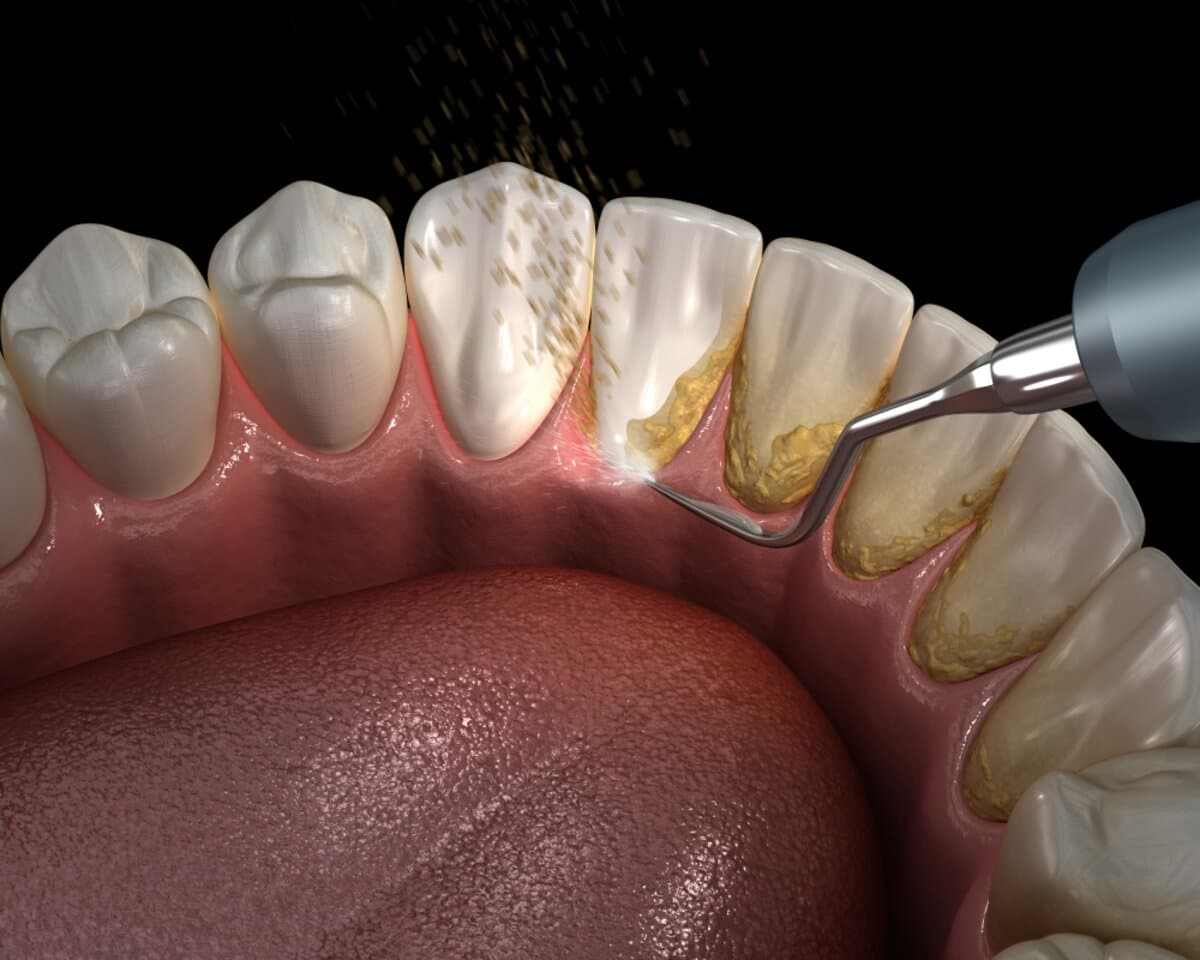
Every single day, a sticky, colorless film of bacteria called plaque forms on our teeth. When we brush and floss properly, we sweep most of this plaque away. However, if plaque is left undisturbed for more than 24 to 72 hours, it reacts with the minerals in your saliva and hardens into tartar (clinically known as calculus). Unlike plaque, tartar is incredibly tough. You cannot brush it off at home; only a dental professional using specialized tools can remove it.
When plaque and tartar sit along the gumline, they irritate the delicate tissues of your gums, triggering the first stage of gum disease: gingivitis.
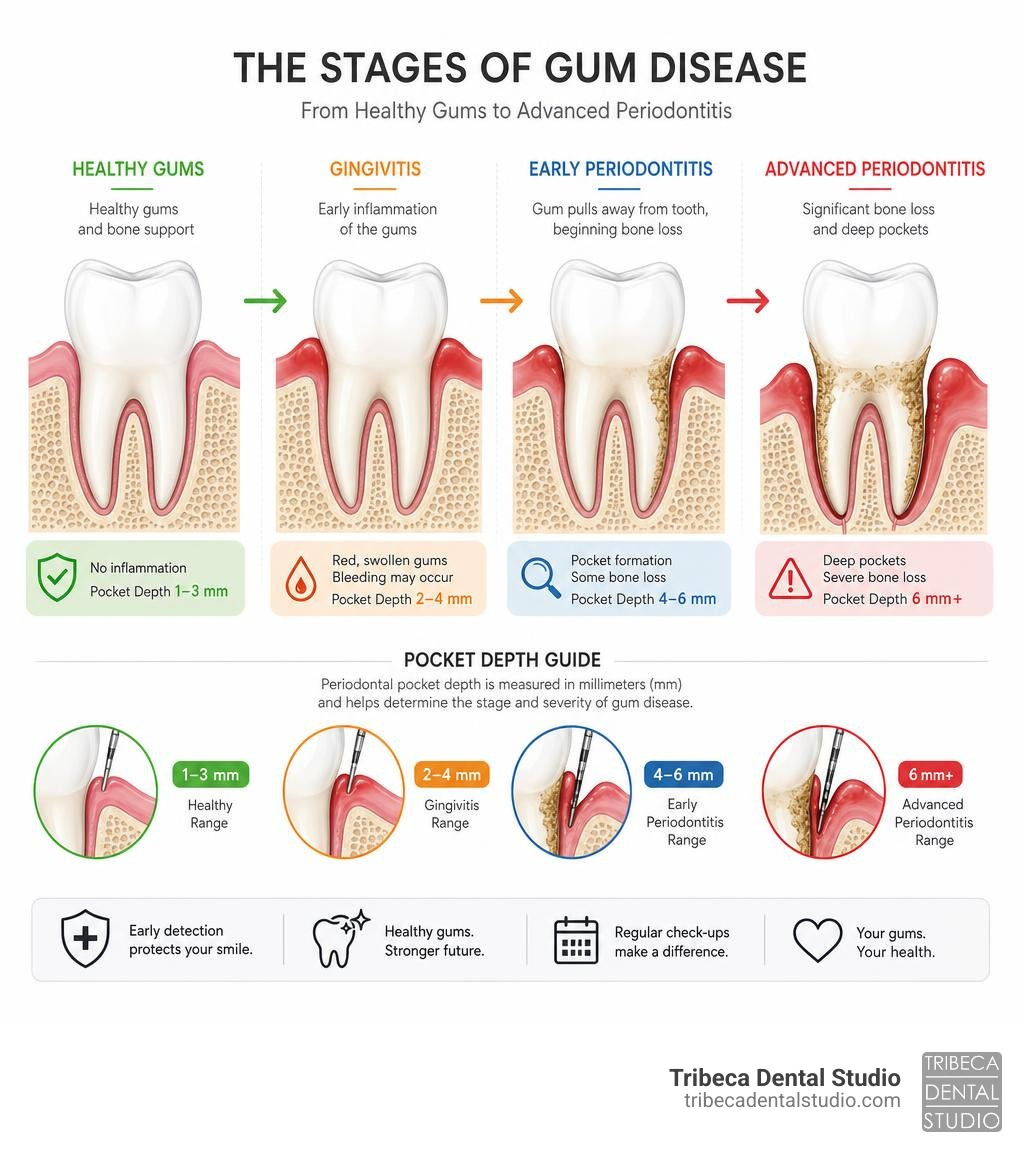
During gingivitis, your gums become inflamed. They may look slightly red, puffy, or tender, and they might bleed when you brush or floss. The most important thing to know about gingivitis is that it is the only fully reversible stage of gum disease. Because the bacteria have not yet attacked the underlying bone or ligaments supporting your teeth, you can completely restore your oral health. If you are wondering how to turn things around at this stage, read our guide on How to Reverse Gum Disease.
However, if gingivitis is ignored, the inflammation spreads deeper. The bacteria begin to migrate below the gumline, breaking down the attachment between your gums and your teeth. This transition marks the onset of periodontitis, which progresses through three distinct stages:
- Mild Periodontitis: The infection reaches the bone. Small pockets (4 mm deep) begin to form between the gums and teeth, and you may experience up to 15% to 20% bone loss around the tooth roots.
- Moderate Periodontitis: The pockets deepen (5 mm to 6 mm), allowing more destructive anaerobic bacteria to thrive in an oxygen-poor environment. The ligaments and bone that hold your teeth in place continue to erode.
- Advanced Periodontitis: Pocket depths exceed 6 mm, and bone loss becomes severe. Teeth may begin to shift, feel loose, or even fall out entirely.
According to the Cleveland Clinic’s guide on Periodontal Disease (Gum Disease): Causes, Symptoms & Treatment, gum disease is the leading cause of tooth loss in adults. Furthermore, the chronic inflammation associated with periodontitis does not just stay in your mouth. The bacteria can enter your bloodstream, creating a strong connection to systemic health conditions, including heart disease, stroke, respiratory issues, and diabetes. This is why addressing the infection early is so vital for your entire body.
Identifying Early Gum Disease Signs, Deep Cleaning Needs, and Risk Factors
Because early gum disease is usually painless, you cannot rely on a toothache to warn you that something is wrong. Instead, you have to look for more subtle visual and sensory clues.
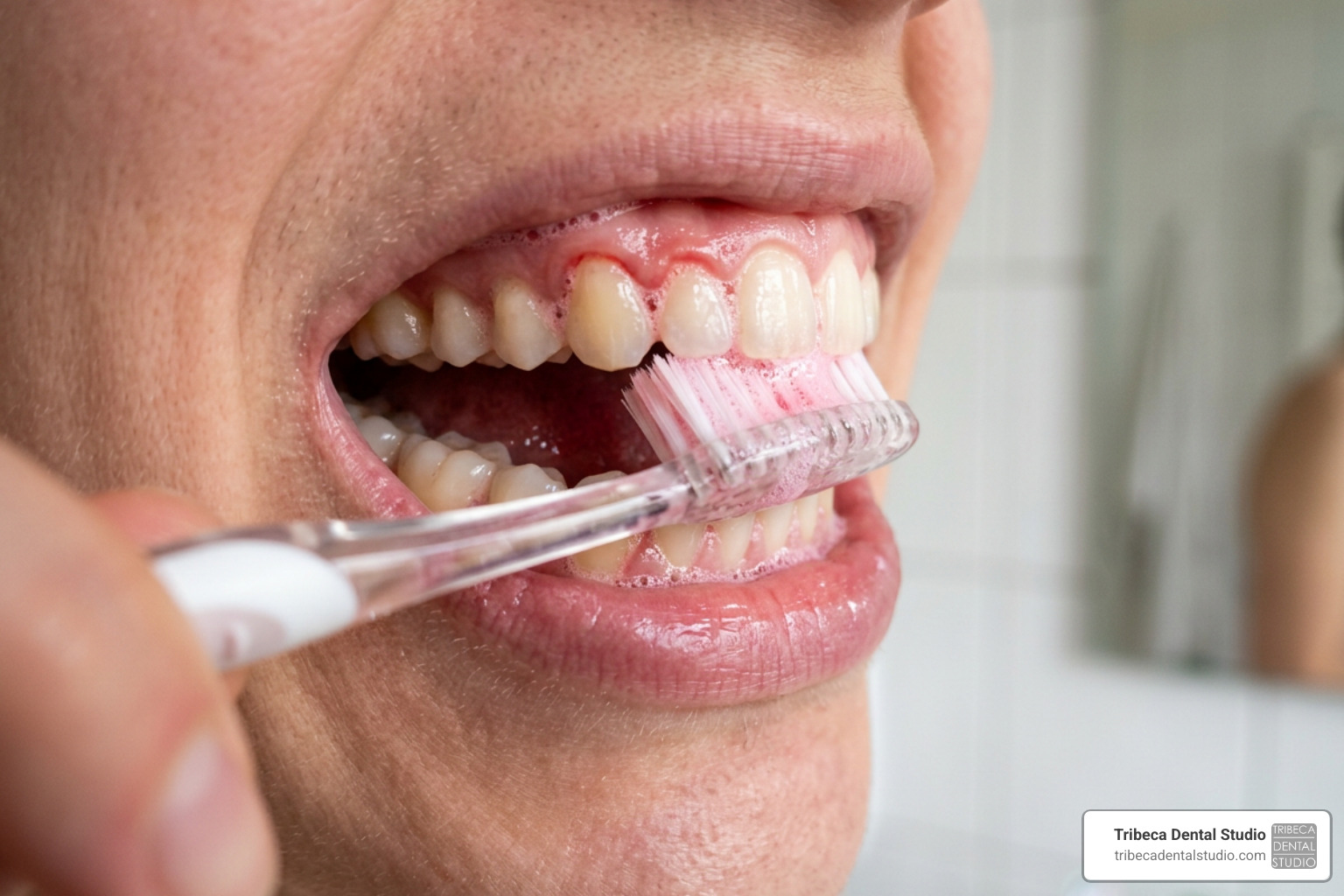
The most common warning signs include:
- Bleeding Gums: If you spit pink into the sink when brushing or flossing, your gums are sending a distress signal. Healthy gums do not bleed. Bleeding is a sign that your gum tissue is compromised and inflamed.
- Persistent Bad Breath (Halitosis): If you have a constant bad taste in your mouth or bad breath that does not go away even after brushing and using mouthwash, bacteria may be hiding deep below your gumline, releasing smelly sulfur compounds.
- Swollen, Red, or Tender Gums: Healthy gums are firm and pale pink. If yours look puffy, bright red, or purplish, they are actively fighting off an infection.
- Gum Recession: If your teeth suddenly look longer, or if you feel a tiny notch near your gumline, your gums may be pulling away. For a deeper look into this symptom, check out our article on Early Signs of Gum Disease You Should Never Ignore and find out whether Is Gum Recession Normal?.
While anyone can develop gum disease, certain risk factors make you much more susceptible. Smoking is by far the most significant risk factor; tobacco weakens your body’s ability to fight off gum infections and slows down healing. Other major risk factors include genetics, hormonal shifts (such as during pregnancy), chronic stress, poor nutrition, and systemic conditions like diabetes.
If you have been told you need a deep cleaning but are feeling a bit skeptical, you are not alone. It is highly recommended to educate yourself on the clinical criteria for this procedure. You can read more about a dentist’s perspective in this helpful resource: Do I Really Need a Deep Cleaning? A Dentist Explains When Scaling and Root Planing Is Necessary.
What is a Deep Cleaning (Scaling and Root Planing)?
If a routine dental cleaning is like a quick car wash, a deep cleaning is more like a detailed engine restoration. Clinically referred to as scaling and root planing (SRP), a deep cleaning is a specialized therapeutic procedure designed to treat active gum disease by targeting the areas beneath your gumline that a toothbrush simply cannot reach.
A deep cleaning is divided into two essential steps:
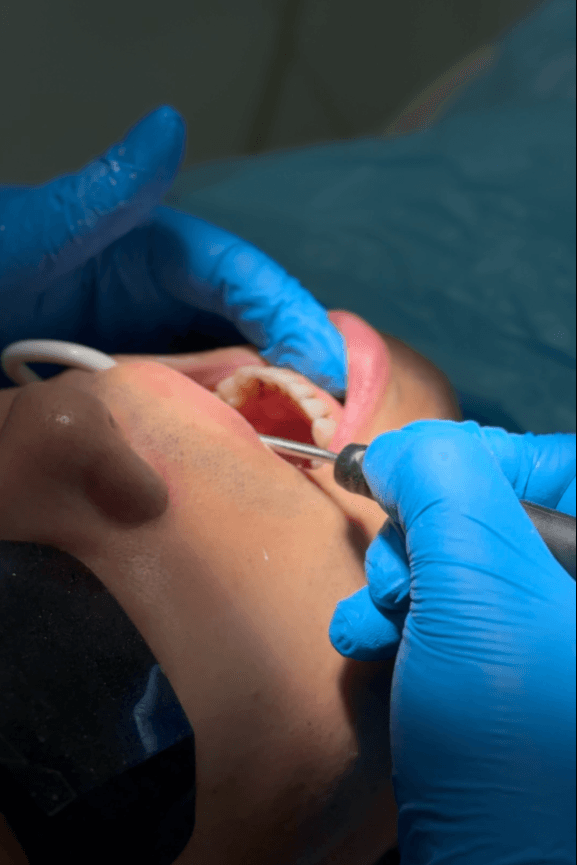
- Scaling: Your dental hygienist uses specialized hand instruments and ultrasonic scalers to carefully remove plaque, tartar, and bacterial toxins from the surfaces of your teeth, both above and below the gumline.
- Root Planing: The hygienist smooths out the rough surfaces of your tooth roots. This is crucial because plaque is highly sticky and adheres far more easily to rough surfaces. By smoothing the roots, we eliminate the hiding spots for bacteria and create a clean surface that allows your gum tissue to naturally reattach to your teeth.
Because we are working deep within the sensitive pockets beneath the gumline, we typically use local anesthesia to ensure you remain completely comfortable and pain-free throughout the process.
To help you visualize the difference between these two preventive and therapeutic approaches, here is a quick comparison table:
| Feature | Regular Prophylaxis (Routine Cleaning) | Scaling and Root Planing (Deep Cleaning) |
|---|---|---|
| Primary Goal | Prevention of gum disease and decay | Treatment of active gum disease (periodontitis) |
| Target Area | Visible tooth surfaces above the gumline | Below the gumline, targeting tooth roots |
| Anesthesia | Rarely required | Commonly used (local numbing) |
| Clinical Indicator | Healthy gums or mild gingivitis (Pockets $\le$ 3 mm) | Active periodontitis (Pockets $\ge$ 4 mm with bone loss) |
| Standard Frequency | Every 6 months | Performed as a therapeutic treatment, followed by maintenance |
At Tribeca Dental Studio, our dedicated hygienists use advanced techniques to make your cleaning as gentle and effective as possible. Learn more about our approach in our Best Teeth Cleaning NYC – Tribeca Dental Studio Hygienist Team Guide. For additional clinical details about when this procedure is recommended, you can also consult Colgate’s article on Dental Deep Cleaning: When Is It Necessary? | Colgate.
When is a Deep Cleaning Medically Necessary?
A deep cleaning is not a routine preventive treatment, nor is it a “punishment” for skipping a few flossing sessions. It is a highly targeted, medically necessary intervention. At Tribeca Dental Studio, we only recommend scaling and root planing when clear clinical indicators of active periodontal disease are present.
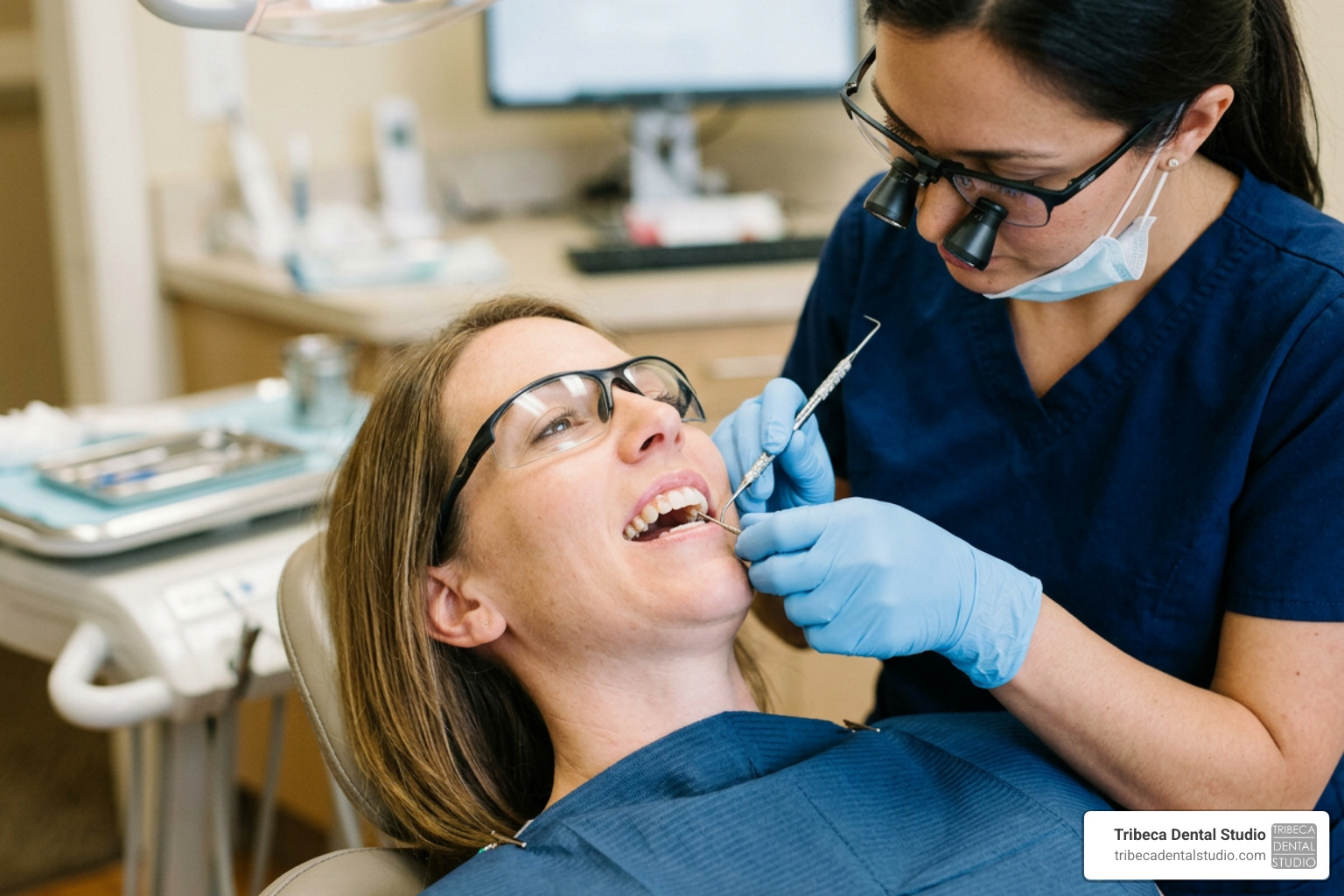
During your comprehensive exam, we evaluate several specific clinical signs to determine if a deep cleaning is required:
- Pocket Depths: We use a tiny, calibrated instrument called a periodontal probe to measure the space between your tooth and your gum tissue.
- Bleeding on Probing (BOP): If your gums bleed easily when gently touched by the probe, it indicates active, deep-seated inflammation.
- Radiographic Bone Loss: Dental X-rays allow us to look beneath the surface and see if the jawbone supporting your teeth has begun to erode.
- Subgingival Calculus: Heavy deposits of hardened tartar below the gumline must be professionally removed to stop the spread of infection.
Recognizing Early Gum Disease Signs, Deep Cleaning Needs, and Pocket Depths
The measurements we take with our periodontal probe are the ultimate roadmap for your treatment plan. In a healthy mouth, the pocket depth (or sulcus) measures between 1 mm and 3 mm. These shallow pockets are easy for you to clean at home with daily brushing and flossing.
However, once a pocket measures 4 mm or deeper, it becomes physically impossible for toothbrush bristles or dental floss to reach the bottom. These deep pockets create a perfect, oxygen-free sanctuary for harmful anaerobic bacteria to multiply.
According to the Mayo Clinic’s clinical guidelines on Periodontitis – Diagnosis and treatment – Mayo Clinic, pockets deeper than 5 mm cannot be cleaned effectively with routine care and almost always require scaling and root planing to halt the progression of bone loss. If X-rays confirm that the bone level has dropped below the normal line, a therapeutic deep cleaning is medically necessary to stabilize the foundation of your smile.
How Dentists Evaluate Early Gum Disease Signs, Deep Cleaning Candidacy, and Bone Loss
To build your personalized treatment plan, we perform a detailed process called periodontal charting. During this mapping session, we record six pocket measurements for every single tooth in your mouth, along with any areas of gum recession, bleeding, or mobility. We combine this chart with high-resolution digital X-rays to precisely locate where bone loss has occurred.
Because periodontitis can sometimes be localized, a legitimate diagnosis should always target the specific areas of infection. For example, if you only have deep pockets and bone loss in one area of your mouth, you may only need a deep cleaning in that specific quadrant, rather than a full-mouth procedure.
If you are ever recommended a full-mouth deep cleaning at a new dental office without being shown your periodontal chart or your X-rays, it is completely reasonable to ask questions. At Tribeca Dental Studio, we believe in absolute transparency. We will always walk you through your digital X-rays and show you exactly where the tartar deposits and pocket depths are, so you can make an informed, confident decision about your care.
What to Expect During and After Your Procedure
We want to demystify the deep cleaning process so you can feel completely at ease. A deep cleaning is typically split into two appointments — treating one side of your mouth per visit — to keep your sessions manageable and ensure you aren’t completely numb all over.
During the procedure, we will gently numb your gums using local anesthesia. You might feel some mild pressure or hear the soft whistling of our ultrasonic tools, but you should not feel any pain. Once the root surfaces are thoroughly cleaned and smoothed, we may apply a localized antimicrobial powder directly into the deepest pockets to target any remaining microscopic bacteria and support rapid healing.
Your Recovery Timeline
- Days 1 to 3: It is completely normal to experience some mild soreness, tenderness, and light bleeding when you brush. Your teeth may also feel slightly more sensitive to hot and cold temperatures.
- Week 1 to 2: As the bacteria are cleared away, your body’s natural healing response kicks in. The swelling will go down, and your gums will begin to transform from puffy red to a healthy, firm pale pink.
- Week 4 to 6: We will bring you back for a quick follow-up appointment to re-evaluate your gum health, measure your pocket depths, and celebrate your progress!
To support your recovery at home, we recommend rinsing with warm salt water or a prescribed antimicrobial mouthwash. Be sure to use a soft-bristled toothbrush, brush gently at a 45-degree angle, and continue flossing daily. If you would like to explore our comprehensive range of gum care options, visit our Services – Periodontal Disease Treatment page.
Frequently Asked Questions About Gum Therapy
To help you feel completely prepared, here are answers to some of the most common questions our patients ask about gum therapy.
Is a deep cleaning painful?
With modern dental techniques and local anesthesia, a deep cleaning is highly comfortable. You will be thoroughly numbed during the procedure itself. Afterward, any mild tenderness can easily be managed with over-the-counter anti-inflammatories like ibuprofen. If you experience dental anxiety, we also offer gentle sedation options to ensure your visit is completely stress-free.
How often do I need periodontal maintenance?
Once you have been treated for periodontitis, your gum health enters a maintenance phase. Because periodontitis is a chronic condition, you will typically transition to periodontal maintenance appointments every 3 to 4 months rather than routine 6-month cleanings. These frequent visits allow us to clean deep below the gumline before harmful bacterial biofilms have a chance to reform and cause reinfection.
Can gum recession from periodontitis be reversed?
Unfortunately, once jawbone and gum tissue are lost to periodontitis, they cannot naturally grow back on their own. However, a deep cleaning halts the destruction, allowing your remaining gums to tighten and reattach firmly around your teeth. For patients with severe recession, advanced regenerative procedures like gum grafting or laser therapy can help restore lost tissue. To understand why recession can sometimes occur even with diligent brushing, read our article on Why Do Some People Get Gum Recession Even With Good Cleaning?.
Conclusion
Your gums are the essential foundation of your smile. Catching the early gum disease signs and scheduling a deep cleaning when necessary is one of the most proactive steps you can take to protect your oral health, preserve your natural teeth, and support your overall systemic well-being.
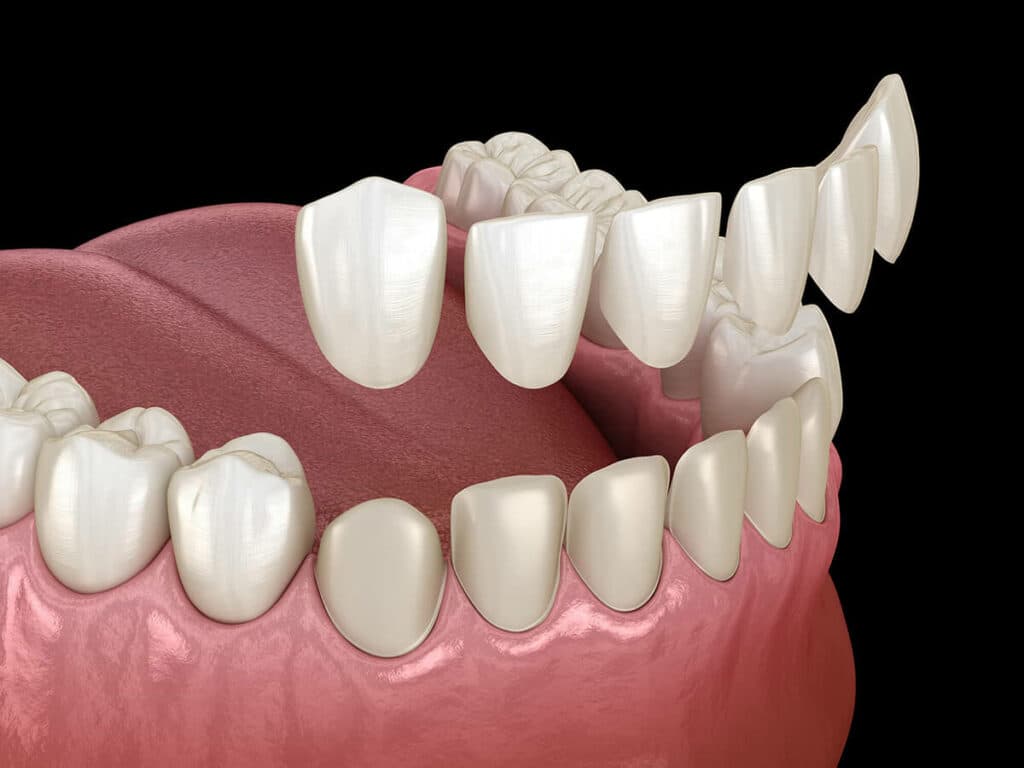
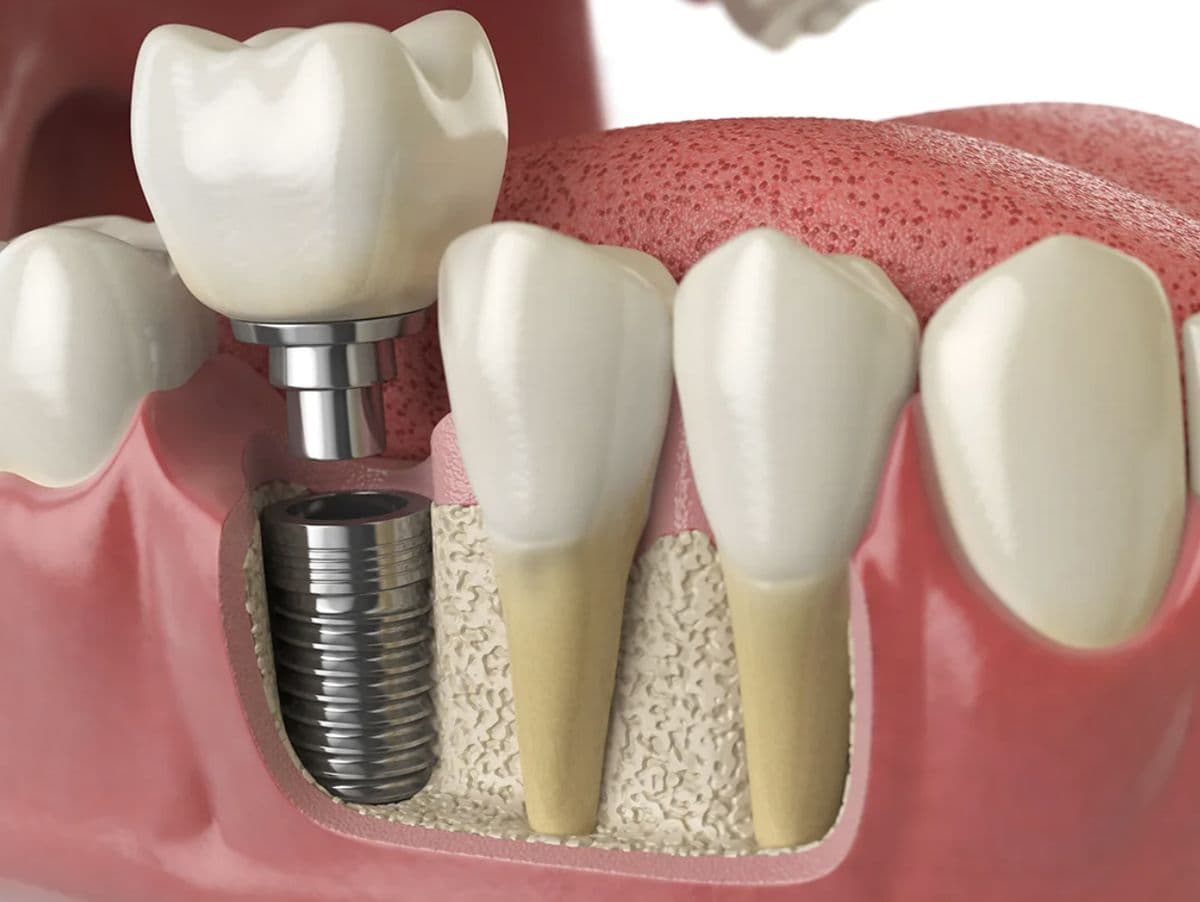
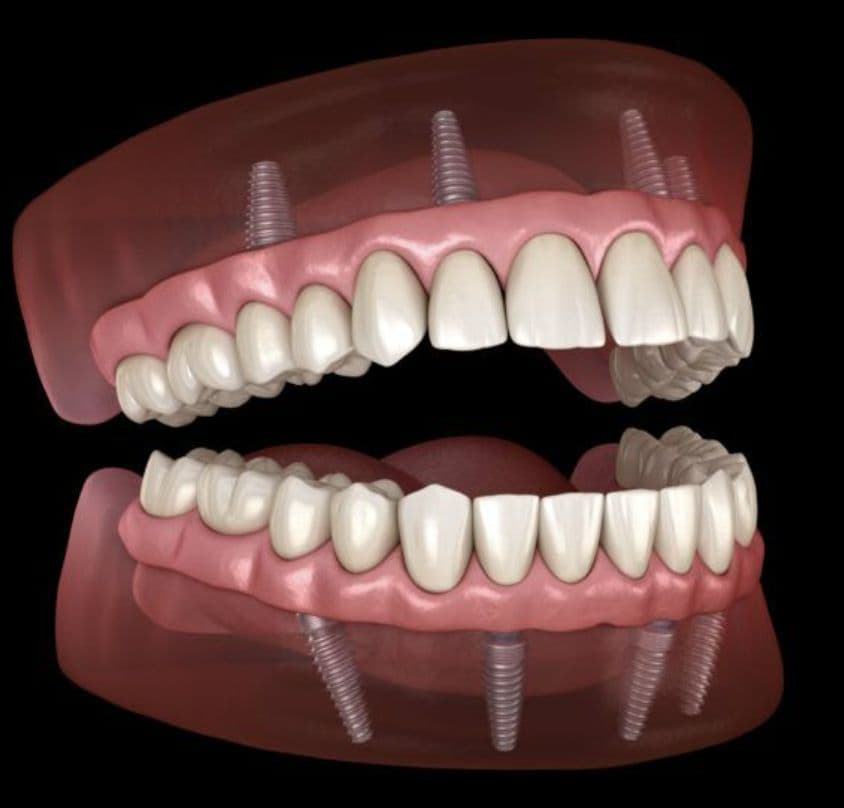
At Tribeca Dental Studio in Manhattan, New York City, we pride ourselves on offering a personalized, family-centered approach to dentistry, led by Dr. Nina Izhaky. Our state-of-the-art practice is known for advanced periodontal care, gentle deep cleanings, and full-mouth reconstruction. When implants are needed to restore missing teeth, our highly experienced team, including implant expert Dr. Sam Morhaim, is committed to predictable, high-success outcomes for advanced implant dentistry and zygomatic implant care. Whether you need a simple crown, custom veneers, or dedicated gum disease treatment, Tribeca Dental Studio stands behind the quality of its work.
Ready to take the next step toward a healthier, more confident smile? We invite you to Brighten Your Smile with Professional Teeth Whitening or schedule your comprehensive periodontal evaluation with us today!