Don't Ignore That Chip: A Guide to Your Back Molar Tooth Repair
June 9, 2026
Introduction
That Sharp Edge on Your Back Tooth? Here’s What You Need to Know
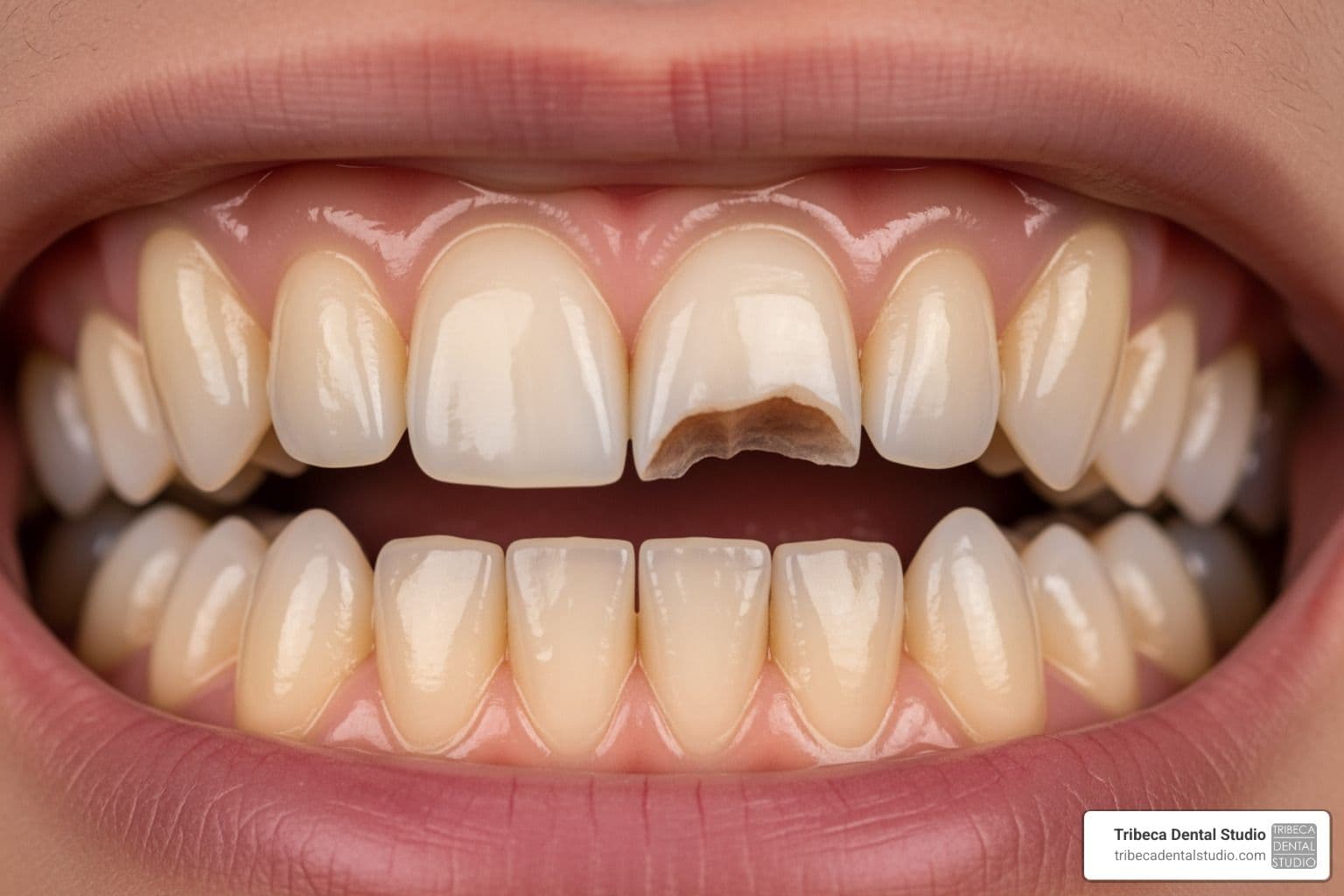
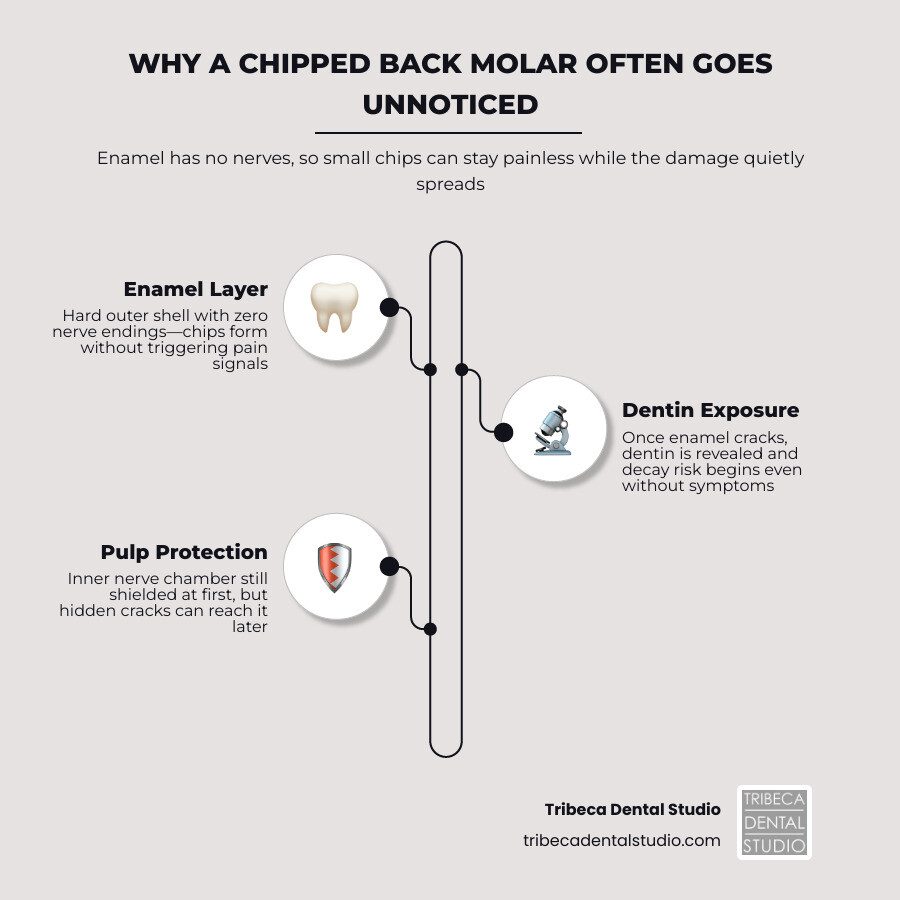
A chipped back molar tooth is more common than most people realize — and it often shows up with zero pain, which is exactly why it tends to get ignored.
Quick answer: What is a chipped back molar tooth?
- A fragment of enamel (the hard outer layer) has broken off one of your rear grinding teeth
- It may feel like a rough or sharp edge, or you might notice nothing at all
- No pain does not mean no problem — the damage can quietly worsen over time
- You should see a dentist even without symptoms, as hidden cracks can deepen and lead to infection or tooth loss
Have you ever run your tongue across your back teeth and felt a jagged edge you didn’t notice before? Maybe you bit down on something hard and felt a small crunch — but then… nothing. No sharp pain, no throbbing. So you moved on.
That experience is surprisingly common. Molars absorb bite forces exceeding 70 kg per square centimetre, making them the most stress-tested teeth in your mouth. A small chip can break off without you feeling a thing, because tooth enamel contains no nerve endings. But “painless” doesn’t mean “harmless.”
This guide walks you through everything you need to know — from why chips happen to how they’re fixed — so you can make a confident, informed decision about your next step.
I’m Dr. Nina Izhaky, a New York University College of Dentistry graduate and the founder of Tribeca Dental Studio, where I’ve treated countless patients dealing with a chipped back molar tooth — many of whom had no idea anything was wrong until a routine exam. My focus on mercury-free, fully digital, personalized care means you’ll always get a clear picture of what’s happening in your mouth and exactly what your options are.
Terms related to chipped back molar tooth:
Understanding the Chipped Back Molar Tooth
When we talk about a chipped back molar tooth, we are looking at a specific type of dental injury that behaves very differently from a chip on your front teeth. While a chipped front tooth is often a cosmetic emergency that sends people rushing to the dentist for aesthetic reasons, a chipped molar is a functional concern that often hides in the back of the mouth, quietly compromising your ability to chew.
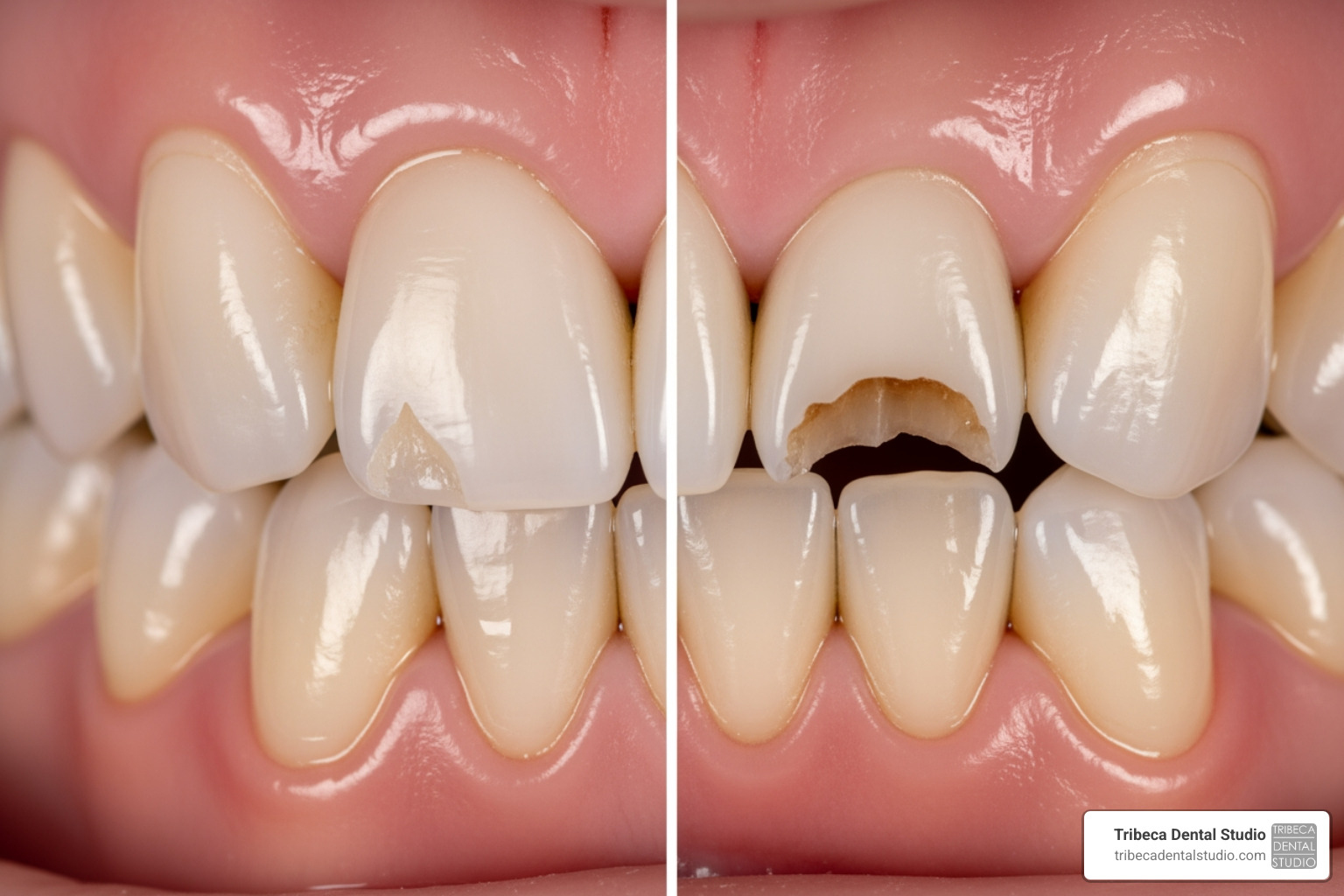
Molars are the heavy lifters of your mouth. They are designed with a broad surface area and multiple roots to anchor them deep into the jawbone. This structure allows them to withstand the immense pressure required to grind down food. However, this same “heavy-duty” design means that when a chip occurs, it is usually the result of significant structural stress.
According to clinical research on chipped tooth causes, the enamel on our teeth is the hardest substance in the human body, but it isn’t indestructible. It is a protective shield for the softer, living tissues inside. When that shield is breached, the integrity of the entire tooth is at risk.
Anatomy of a Molar vs Front Teeth
The difference in anatomy between your front and back teeth is striking. Your front teeth (incisors and canines) are thin and sharp, designed for shearing and tearing. They have single roots and are relatively easy to repair with simple bonding.
Molars, however, are built for endurance. They endure bite forces exceeding 70 kg per square centimetre. To handle this, they have a much thicker layer of enamel on the chewing surface and two to three roots that distribute force into the jaw. When you chip a molar, you aren’t just losing a “piece” of the tooth; you are often compromising a “cusp”—one of those little mountains on the chewing surface—which can throw your entire bite out of alignment.
Why Enamel Damage Often Occurs in the Back
The back of the mouth is a high-impact zone. During mastication (chewing), the molars are the primary site where food is pulverized. This constant mechanical stress, combined with the fact that molars are harder to reach with a toothbrush, makes them a prime target for decay and structural failure. If a tooth has a large, old filling, the remaining natural enamel becomes thin and brittle, making a chipped back molar tooth almost inevitable over time.
Common Causes and Hidden Symptoms
Why do these chips happen in the first place? It isn’t always a dramatic accident like a fall or a sports injury. In fact, many molar chips happen during the most mundane activities.
Identifying a Chip Without Pain
Since the back of the mouth is hard to see, you have to rely on other senses to identify a problem. Common signs include:
- The Tongue Test: Your tongue is incredibly sensitive. If you find yourself constantly “fiddling” with a sharp or jagged edge on a back tooth, you’ve likely lost a piece of enamel.
- Food Trapping: If food suddenly starts getting stuck in a specific spot where it never did before, a chip may have created a new “niche” or gap.
- Bite Changes: You might feel like your teeth don’t “fit” together correctly when you close your mouth.
- Tissue Irritation: A sharp edge can cause small cuts or sores on your cheek or the side of your tongue.
Why Some Chips Don’t Hurt Initially
It is a common misconception that a dental problem always equals pain. Enamel, the outer layer, has no nerves. If the chip is superficial and only involves the enamel, you won’t feel a thing. Pain usually only starts when the damage reaches the dentin (the layer under the enamel) or the pulp (the nerve center).
However, even a painless chip is a gateway. It creates a rough surface where bacteria can cling, and it weakens the tooth’s structural “hoop strength,” making it much more likely to suffer a catastrophic fracture later on.
Risks of Leaving Damage Untreated
Ignoring a chipped back molar tooth because it doesn’t hurt is like ignoring a small crack in your car’s windshield. It might stay that way for a week, but eventually, the pressure of daily use will cause it to spiderweb across the entire surface.
Why a Chipped Back Molar Tooth With No Pain is Still a Concern
When a chip occurs, the smooth, protective seal of the tooth is broken. This creates a “micro-environment” where plaque and bacteria can flourish, leading to secondary decay. Furthermore, every time you chew, the pressure is no longer distributed evenly. This can cause “stress risers”—tiny cracks that move deeper into the tooth structure every time you bite down.
If you are wondering if your specific situation requires immediate attention, check out our guide on whether your broken tooth is a dental emergency.
Long-Term Complications of Ignoring Molar Damage
If left untreated, a minor chip can lead to:
- Tooth Loss: A chip can turn into a split tooth that cannot be saved.
- Bone Resorption: If the tooth is eventually lost, the jawbone in that area begins to shrink within the first 12 months.
- Reduced Chewing Efficiency: Losing even one molar can reduce your chewing efficiency by 10–15%.
- Infection and Abscess: Bacteria entering the inner tooth can lead to a painful infection requiring a root canal.
Professional Repair and Restoration
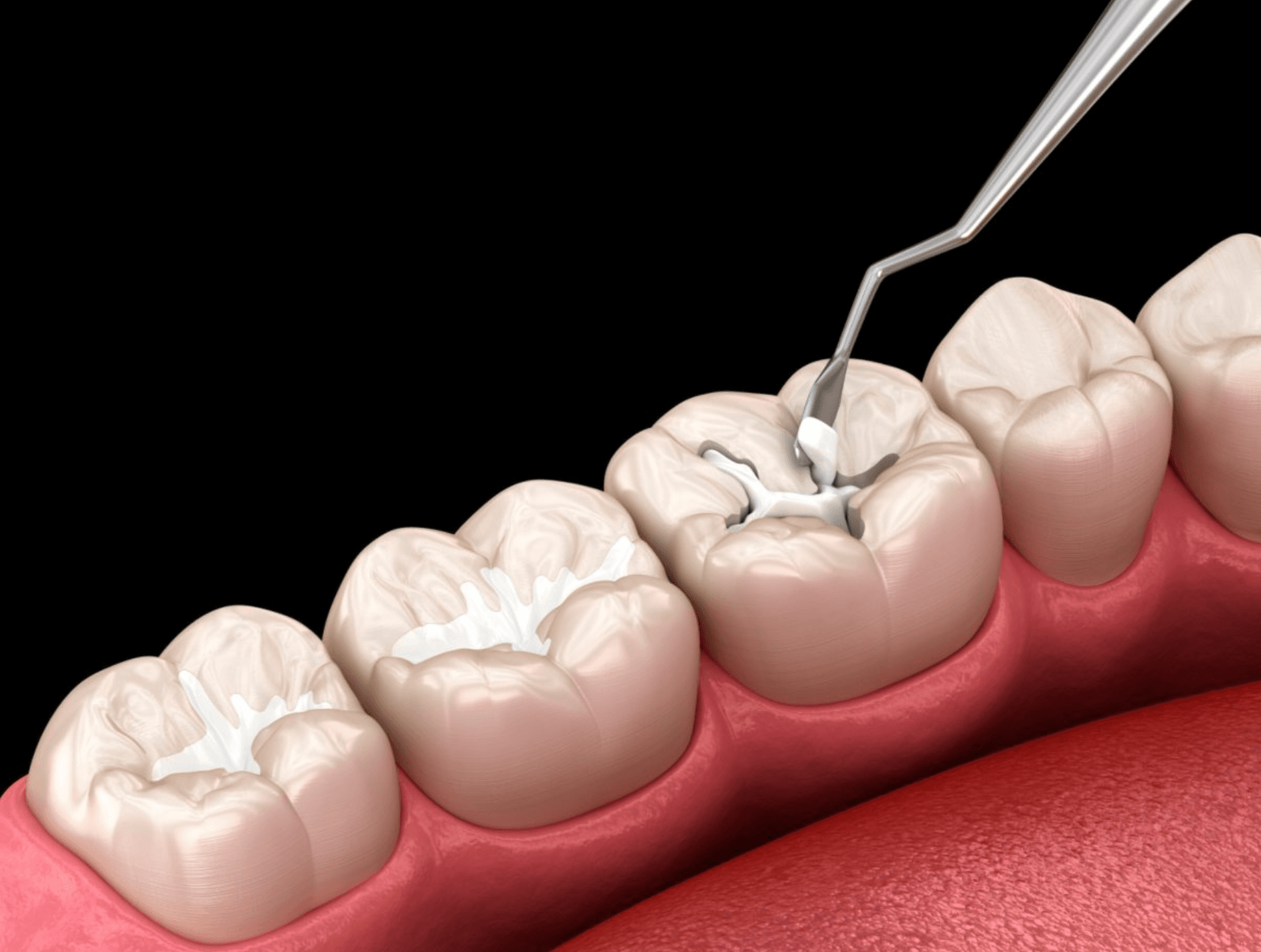
The good news is that modern dentistry offers several ways to save a chipped back molar tooth, ranging from quick fixes to more durable long-term solutions.
Professional Treatment Options for a Chipped Back Molar Tooth
At Tribeca Dental Studio, we believe in conservative dentistry—saving as much of your natural tooth as possible. Depending on the size and location of the chip, we might recommend one of the following:
| Treatment | Best For | Durability | Appearance |
|---|---|---|---|
| Dental Bonding | Small, cosmetic chips | Moderate | Excellent (Tooth-colored) |
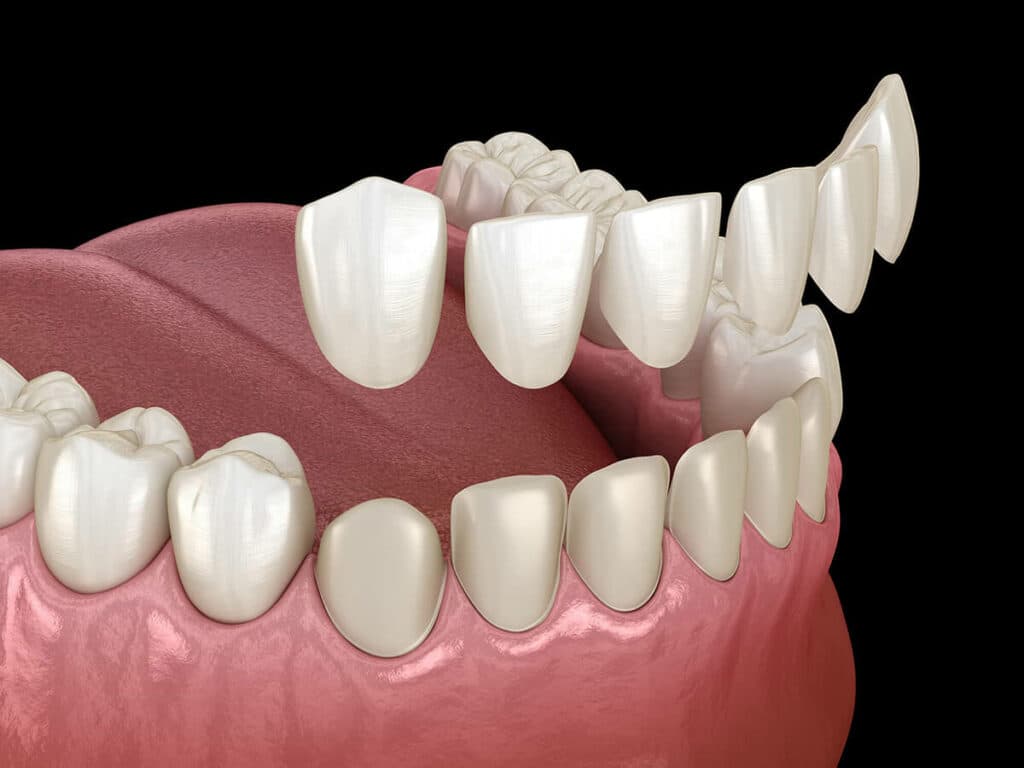
| Inlays / Onlays | Mid-sized chips on the chewing surface | High | Excellent (Porcelain/Composite) |
| Dental Crowns | Large chips or structurally weakened teeth | Very High | Excellent (Full coverage) |
For more details on how we use these tools to rebuild your smile, you can read more about dental crowns and bridges. Many patients also wonder if a broken back tooth can truly be fixed; the answer is almost always yes, provided we catch it before the root is compromised.
When a Root Canal or Extraction is Necessary
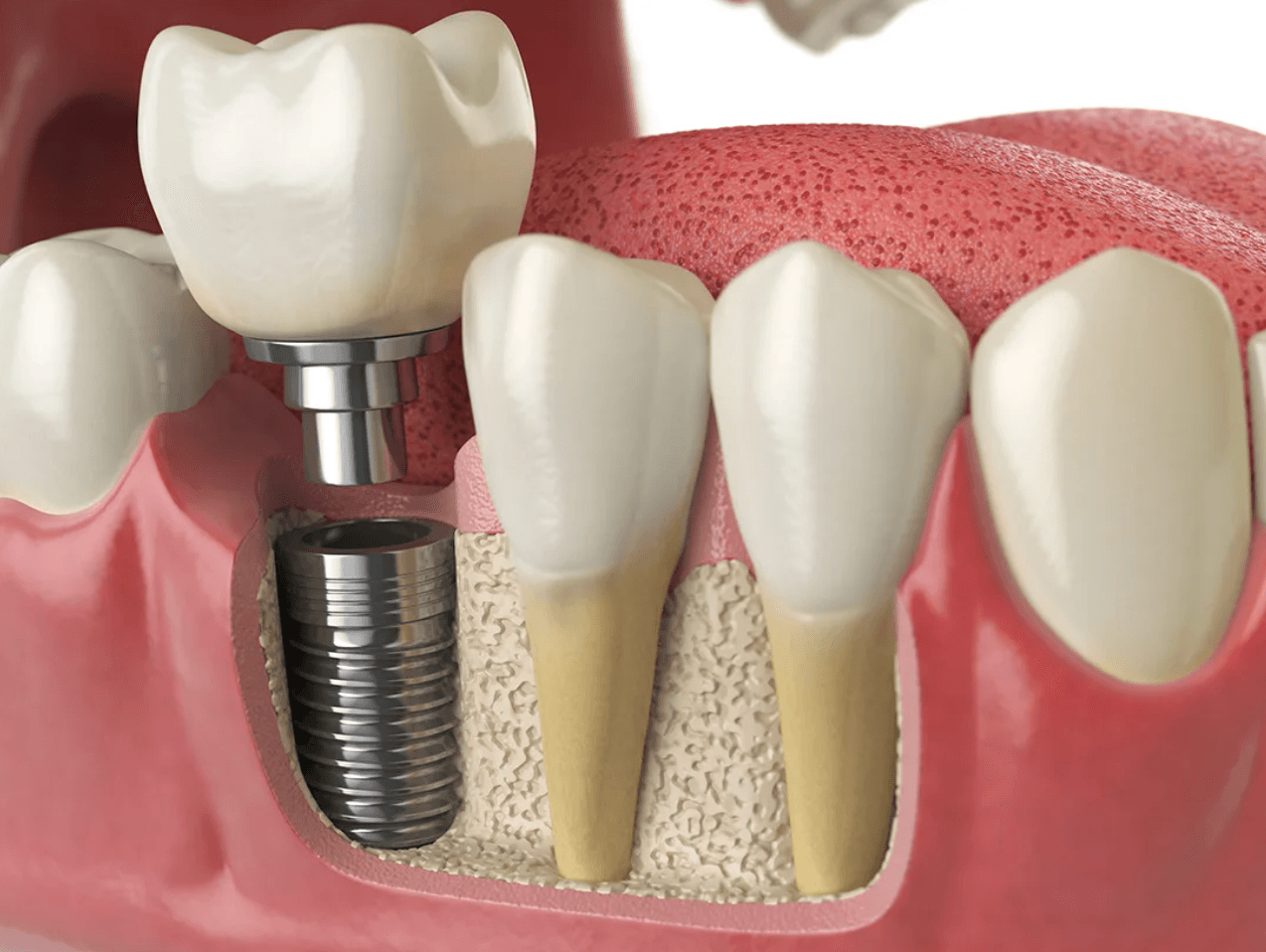
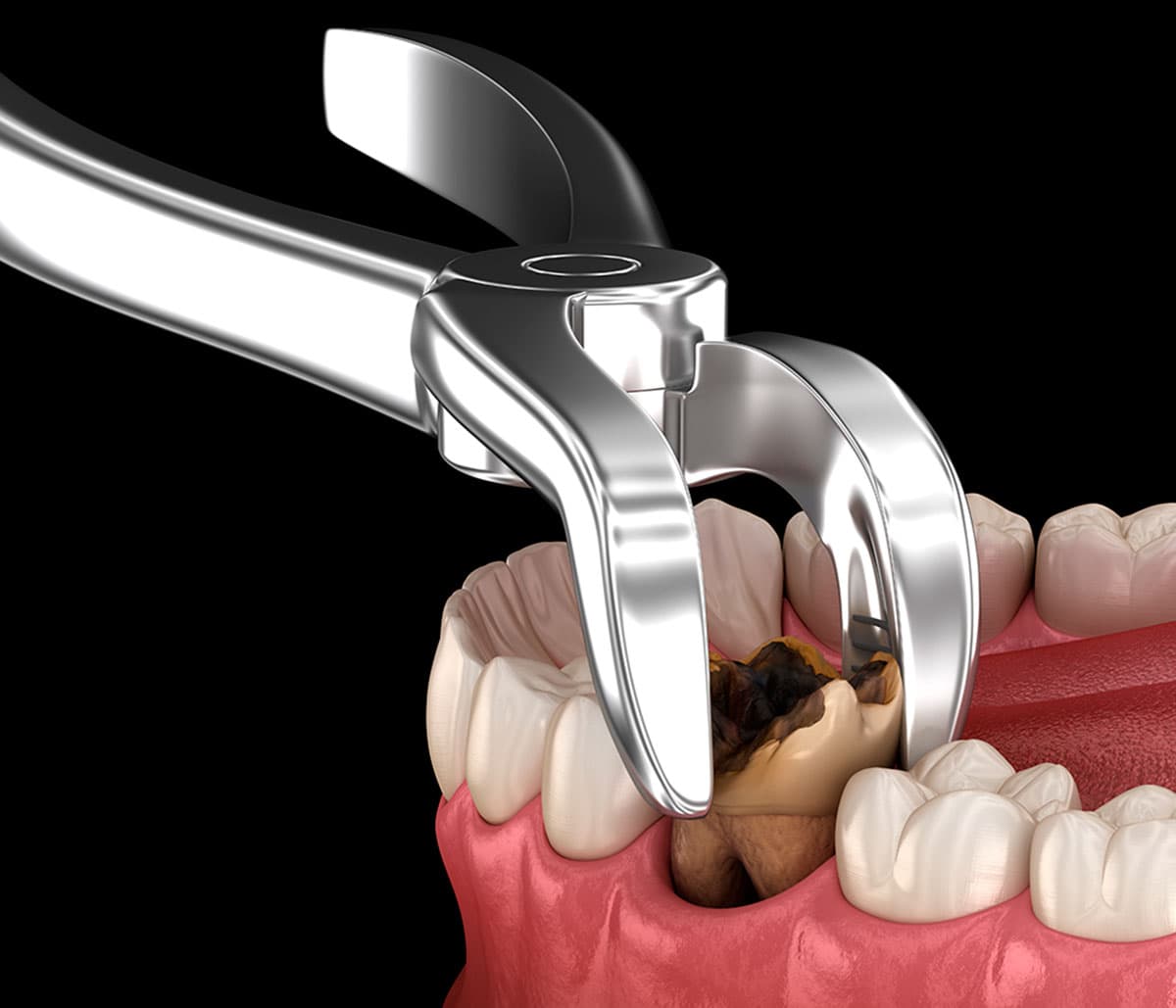
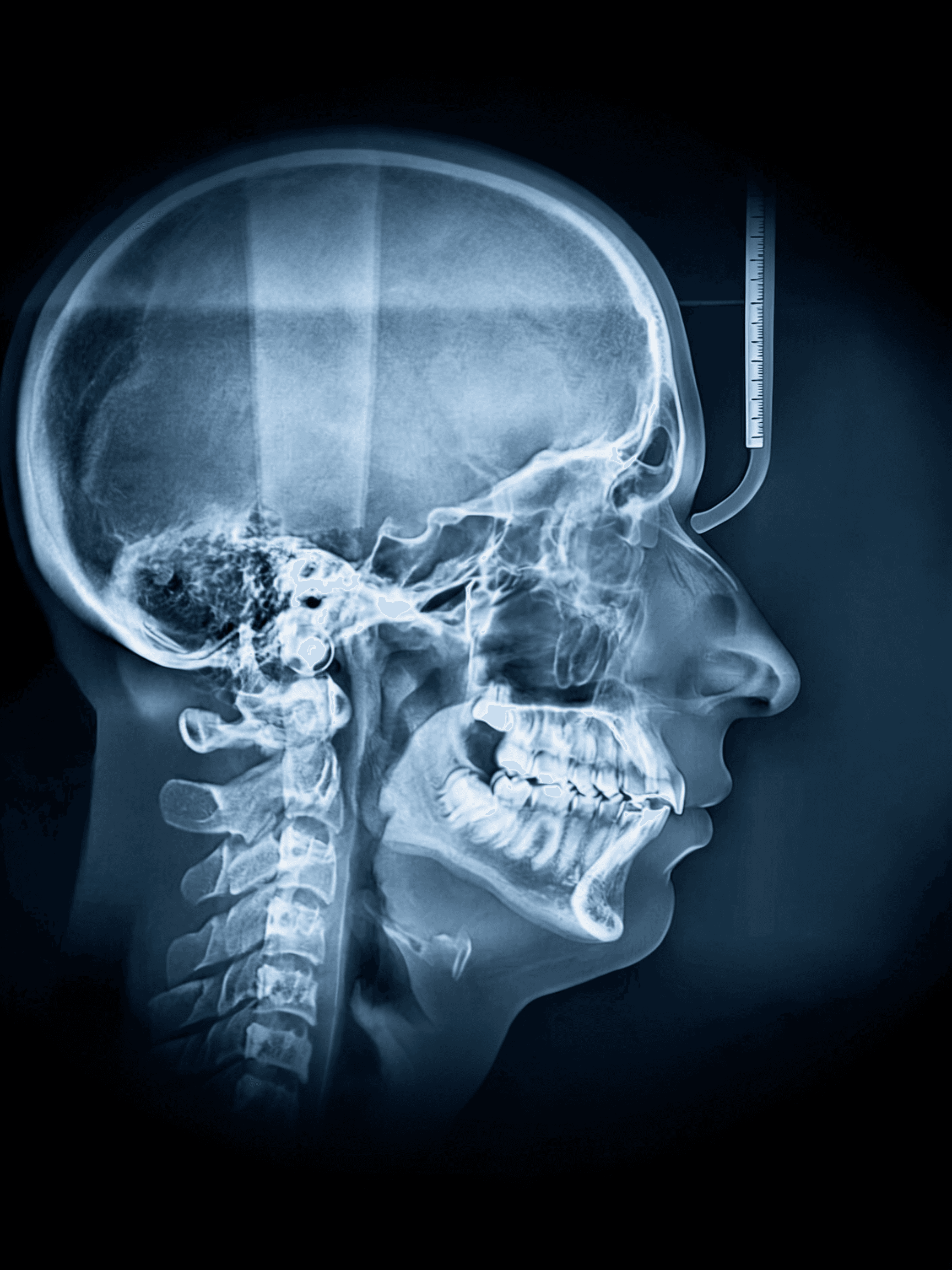
If the chip is deep enough to expose the pulp, or if the tooth has been traumatized so severely that the nerve is dying, a root canal may be the only way to save the tooth. We use advanced digital imaging to determine the health of the nerve. If the tooth is split vertically down to the root, extraction and a dental implant may be the most predictable long-term solution. You can find more info about root canal therapy on our dedicated service page.
Prevention and Future Protection
Once your tooth is repaired, the goal is to make sure it stays that way. Molars are under constant siege from the forces of our daily lives.
Protecting Your Molars from Bruxism
One of the leading causes of a chipped back molar tooth is bruxism (teeth grinding). Up to 10% of adults grind their teeth, often during sleep. This puts incredible lateral pressure on the cusps of the molars. A custom-fitted nightguard acts as a shock absorber, protecting your natural teeth and any dental work (like crowns or bondings) from the destructive forces of clenching.
Maintenance and Routine Care
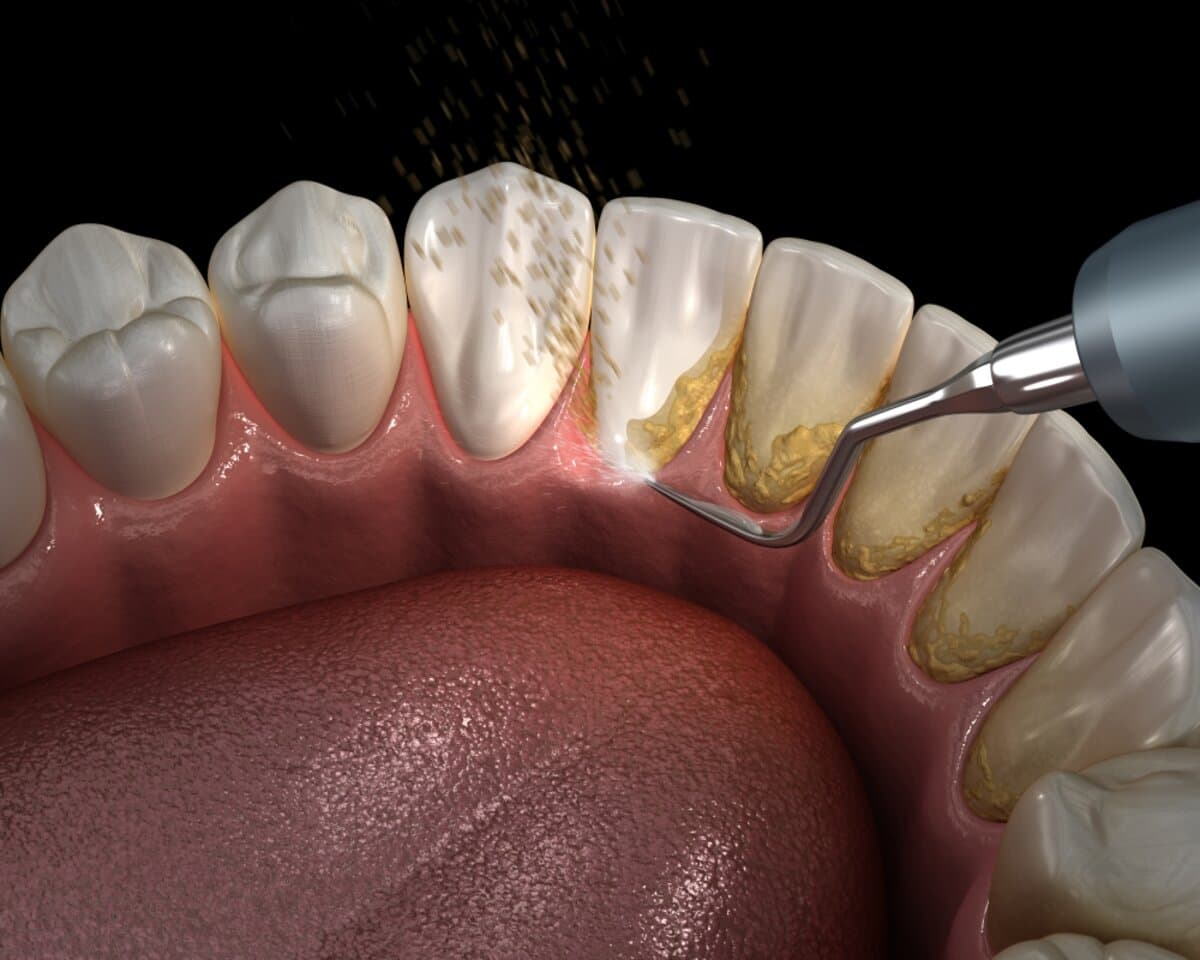
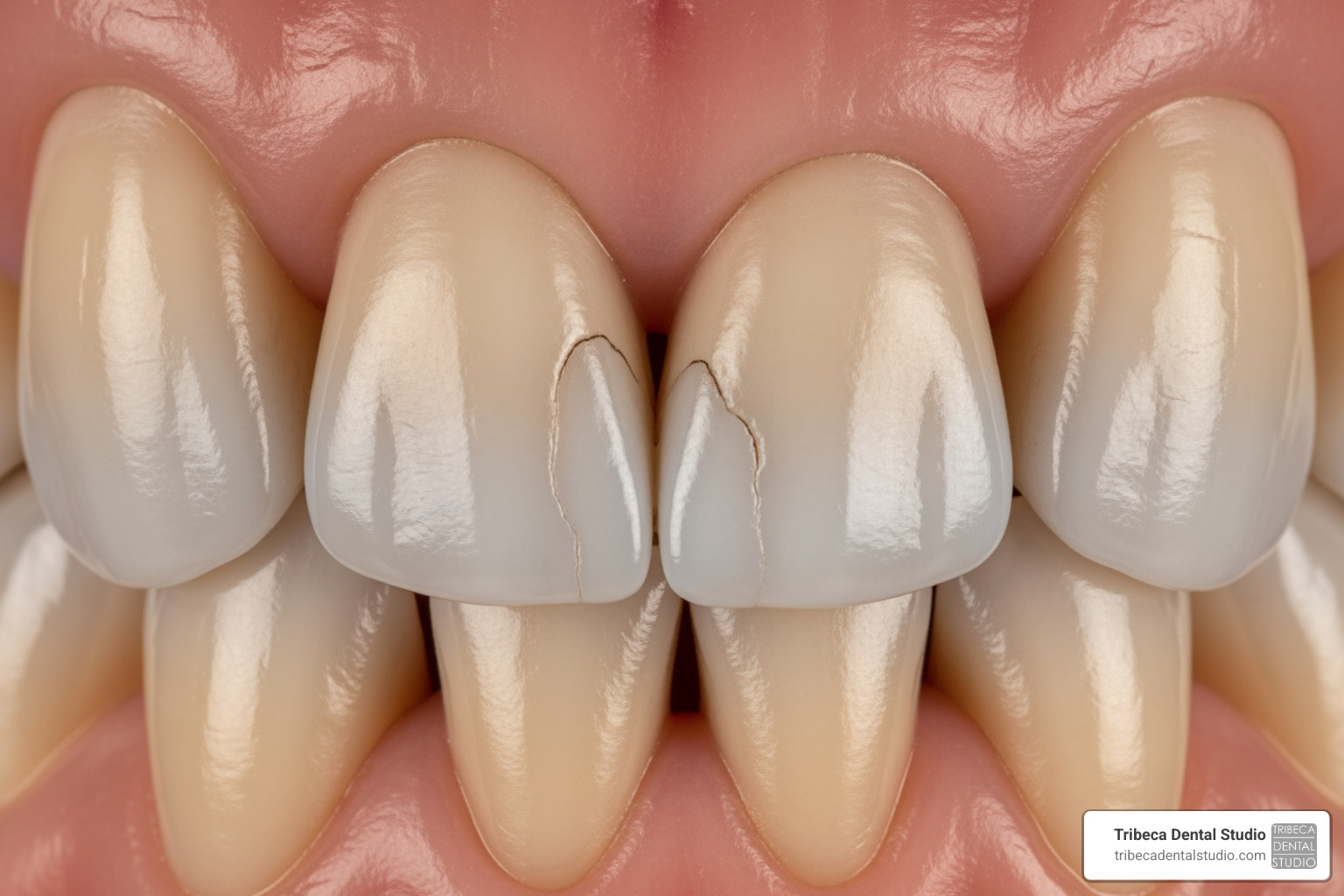
Regular checkups are vital. During a cleaning, we can spot “craze lines” (tiny surface cracks) before they turn into full-blown chips. We also offer fluoride treatments to help remineralize weakened enamel. If you ever experience a sudden break, our team is ready to help with emergency dentistry services right here in NYC. For a broader look at how we maintain healthy smiles, see our guide to restorative dentistry.
Frequently Asked Questions
Is a chipped molar an emergency if it doesn’t hurt?
While it may not require a “middle of the night” phone call, it should be evaluated within a few days. Sharp edges can damage your soft tissues, and the lack of pain doesn’t mean the internal structure isn’t vulnerable. We recommend a professional evaluation to triage the severity of the chip.
Can a chipped back tooth heal on its own?
Unfortunately, no. Unlike your skin or bones, tooth enamel does not grow back. While very minor “micro-chips” can sometimes be smoothed out by a dentist (a process called odontoplasty) and then remineralized with fluoride, a visible chip requires a physical restoration like bonding or a crown to return the tooth to its full strength.
How much does it cost to fix a chipped back molar tooth?
The cost varies significantly based on the complexity of the repair. A simple bonding is much less expensive than a full porcelain crown. Most insurance plans cover a portion of restorative work. For a detailed breakdown, you can view our page on fractured tooth repair cost.
Conclusion
A chipped back molar tooth might seem like a minor annoyance, especially when there’s no pain involved. However, because your molars are the foundation of your bite and your long-term jaw health, even a small chip deserves professional attention.
At Tribeca Dental Studio, Dr. Nina Izhaky and our entire team are dedicated to providing a welcoming, family-like atmosphere for our patients in Manhattan and the surrounding New York City area. We combine a personalized approach with the latest dental technology to ensure your repair is as durable as it is beautiful.
Don’t wait for a painless chip to become a painful emergency. Explore your cosmetic dentistry options to repair a chipped tooth and schedule a consultation with us today. Let’s keep your smile strong, functional, and healthy for years to come.