Beyond the Crack: Understanding Your Dental Filling Repair Choices
March 10, 2026
Why Immediate Cracked Filling Repair Matters
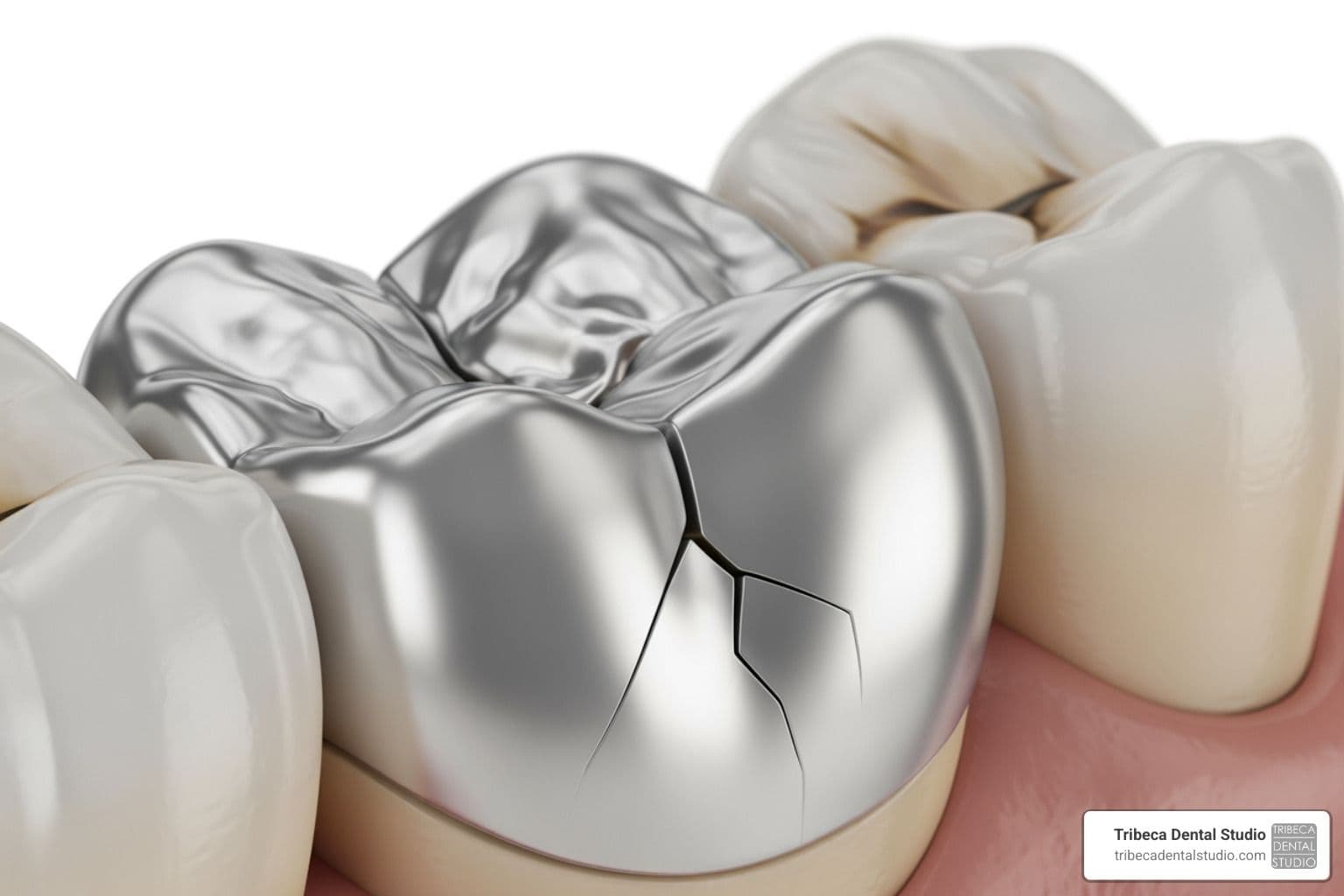
Cracked filling repair is a common dental issue that requires prompt professional attention to protect your tooth from further damage. If you’ve noticed a crack in your filling, here’s what you need to know right away:
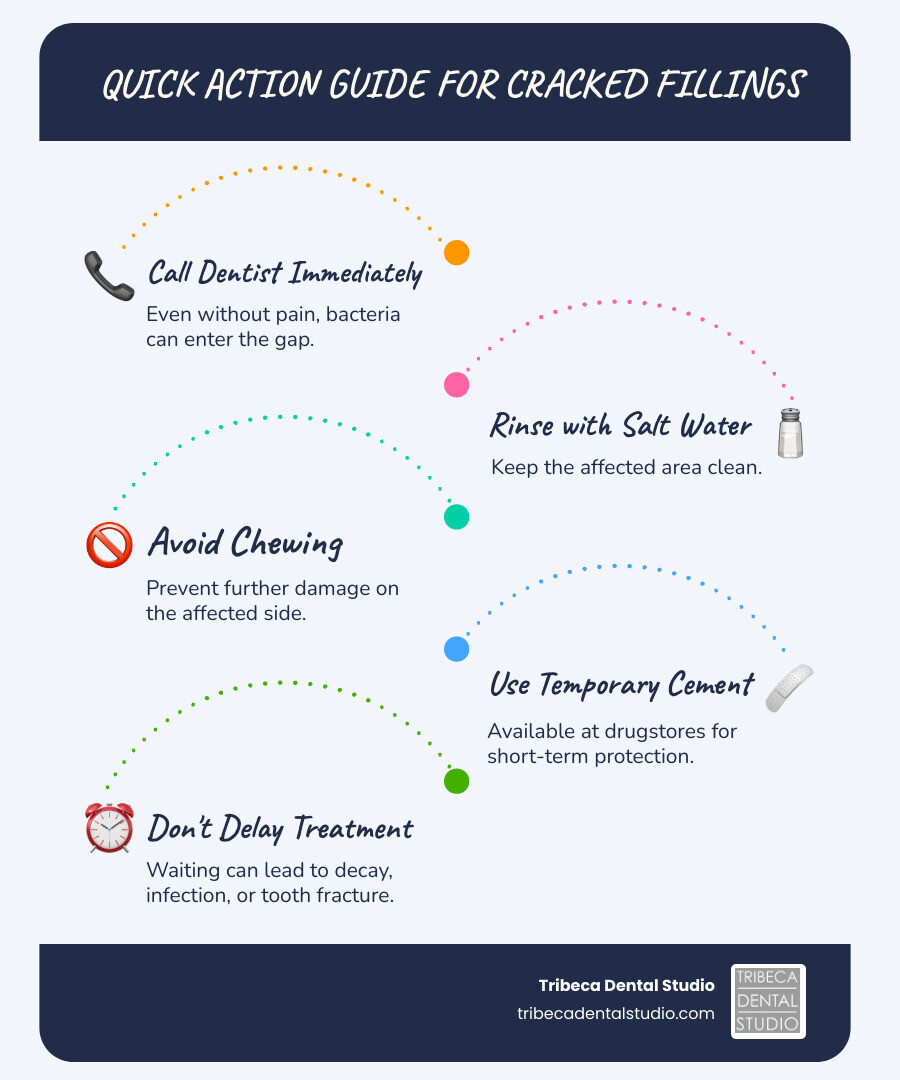
Quick Action Guide for Cracked Fillings:
- Call your dentist immediately – Even without pain, bacteria can enter the gap
- Rinse with warm salt water – Keep the area clean
- Avoid chewing on that side – Prevent further damage
- Use temporary dental cement – Available at drugstores for short-term protection
- Don’t delay treatment – Waiting can lead to decay, infection, or tooth fracture
According to the CDC, approximately 91% of adults in the United States have had a dental cavity, and many have experienced the unsettling moment of feeling something hard while eating—only to realize it’s a piece of their own filling. A cracked filling isn’t just a cosmetic concern. It creates a space where bacteria can infiltrate, leading to new decay beneath the surface and potentially requiring more extensive treatment like a crown or root canal.
This guide covers why fillings crack, immediate first aid, professional repair options, and prevention. You’ll learn about filling materials, the repair process, and aftercare.
I’m Dr. Nina Izhaky, a graduate of New York University College of Dentistry. At Tribeca Dental Studio, I’ve helped countless patients with cracked filling repairs using modern, mercury-free materials. My approach combines state-of-the-art technology with compassionate care to restore your smile’s function and comfort.
Relevant articles related to cracked filling repair:
Why Fillings Fail: Common Causes and Symptoms
Imagine feeling a strange crunch while eating at your favorite Tribeca restaurant—not a crouton, but a piece of your dental filling. It’s a common scenario that leaves patients wondering why durable fillings sometimes fail.

Several factors can cause fillings to crack or dislodge. Understanding them helps prevent future issues.
Common Causes of a Broken or Cracked Dental Filling:
- Tooth Decay: Decay can develop under or around a filling, weakening the tooth structure and causing the filling to crack. Regular check-ups are vital to spot this early.
- Biting Pressure and Hard Foods: Daily chewing puts immense pressure on teeth. Biting on hard foods like ice, hard candies, or nuts can exert excessive force and crack a filling. Habits like chewing on pens also contribute to this stress.
- Teeth Grinding (Bruxism): Many people grind or clench their teeth (bruxism), often while sleeping. This intense pressure strains fillings and teeth, leading to fractures. A sore jaw or headache upon waking can be a sign of bruxism.
- Age of the Filling: Dental fillings are durable but not indestructible. They wear down over time and have a limited lifespan. Fillings typically last about 15 years, but this varies by material, size, and the forces they endure. An older filling is more susceptible to cracking. For instance, while metal fillings can last 10-15 years, a glass ionomer filling might need replacement in as little as five years.
- Filling Material Failure: Different materials have varying strengths. Some may be more prone to cracking or may lose their bond with the tooth over time, allowing bacteria to seep underneath.
Signs You Have a Cracked Filling
So, how do you know if you have a cracked filling? Sometimes it’s obvious—you feel a piece come out. Other times, the signs are more subtle. If you experience any of the following, contact our Tribeca office for an evaluation:
- Sharp Pain When Chewing: This is a common indicator. When you bite down, the pressure can cause the cracked part to shift, irritating the tooth’s inner pulp. This can also cause pain when you release the bite. If you’re experiencing pain when chewing, you might find our article on Why Does My Tooth Hurt When I Chew? Common Causes, Fast Relief helpful.
- Sudden Sensitivity to Hot or Cold: A cracked filling can expose the underlying dentin, which contains microscopic tubules leading to the tooth’s nerve, causing sharp sensitivity to hot or cold foods and drinks.
- Rough or Sharp Edge on a Tooth: You might feel a rough or sharp edge with your tongue, indicating a chipped or cracked portion of the filling or tooth.
- Food Getting Trapped: If food consistently gets stuck around a filled tooth, it could signal a new gap caused by a crack.
- Visible Crack or Hole: Sometimes, you can see the crack or a hole where a piece has broken off. This might be noticeable if you look closely in a mirror.
Even without pain, a cracked filling is urgent. The crack can become a breeding ground for bacteria, leading to further decay and more serious dental problems.
What to Do Immediately: First Aid for a Broken Filling
Finding a cracked filling is alarming, but don’t panic. Take immediate action to protect your tooth and manage discomfort until you can see us at Tribeca Dental Studio.

- Call Your Dentist Immediately: This is the top priority. A crack allows bacteria to enter your tooth, leading to decay or infection. Schedule an appointment as soon as possible. Our team in Manhattan is ready to assist you.
- Rinse with Warm Saltwater: Mix a teaspoon of salt into a glass of warm water and gently swish it around your mouth. This helps cleanse the area, reduce bacteria, and can provide soothing relief. Repeat this several times a day.
- Pain Management: If you’re in pain, over-the-counter pain relievers like ibuprofen or acetaminophen can help. Always follow the package dosage instructions. A cold compress on your cheek can also help with swelling.
- Avoid Chewing on the Affected Side: This is critical to prevent further damage. Eat soft foods and chew on the opposite side of your mouth.
- Keep the Area Clean: Gently brush the area, being careful not to dislodge more of the filling. Good oral hygiene is essential to prevent bacteria from accumulating.
Temporary Management Before Your Appointment
While waiting for your appointment, you can take these temporary measures to protect your tooth:
- Dental Wax: If a sharp edge is irritating your tongue or cheek, cover it with a small amount of dental wax (available at most pharmacies).
- Over-the-Counter Temporary Filling Material: Drugstores sell temporary filling kits. These can help seal the tooth from food and bacteria. These are temporary solutions and not a substitute for professional cracked filling repair.
- Avoiding Sugary or Acidic Foods: Until your filling is repaired, avoid foods and drinks that are very sugary, acidic, hot, or cold, as they can worsen sensitivity and irritation.
- When to Seek Urgent Care: While most cracked fillings can wait a few days, some symptoms require urgent care. Contact us immediately if you have severe, throbbing pain, facial or gum swelling, a fever, or pus around the tooth, as these can be signs of infection. We prioritize urgent care to relieve pain and prevent complications. Learn more about how we fix fractured tooth.
Your Professional Cracked Filling Repair Options
At Tribeca Dental Studio, we’ll start with a thorough exam to assess the damage, including a visual inspection and possibly digital X-rays. Our goal is to provide comprehensive Restorative Dentistry solutions custom to your needs.
Based on our assessment, we’ll discuss the best cracked filling repair option for you. The choice depends on the crack’s size, remaining tooth structure, and any new decay.
Common Repair Options for a Cracked Filling:
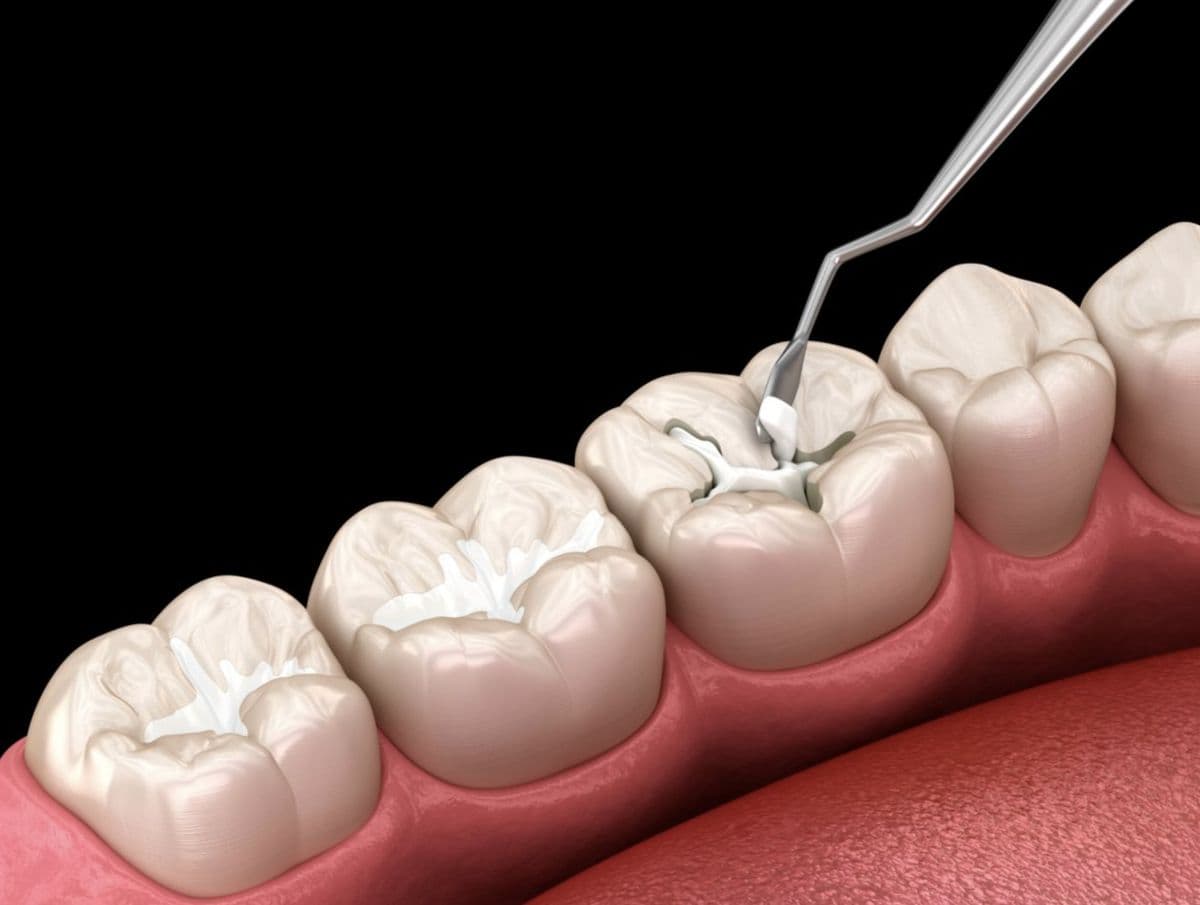
- Filling Replacement: If the crack is small and the tooth is healthy, we can simply replace the old filling. We can use the same material or a new one based on your preference and the tooth’s location.
- Dental Crown: If the crack is large or the tooth is significantly compromised, a new filling may not be enough. A dental crown (or cap) is recommended to cover the entire tooth, providing superior strength and protection.
- Inlays and Onlays: These are “partial crowns.” An inlay fits within the tooth’s cusps, while an onlay covers one or more cusps. They are used when damage is too extensive for a filling but not severe enough for a full crown. You can learn more on our Dental Inlays and Onlays page.
- Root Canal Therapy: If the crack reaches the tooth’s pulp (the inner nerve) or an infection develops, a root canal may be necessary. This procedure removes the infected pulp, cleans the tooth’s interior, and seals it. A crown is often placed afterward to protect the tooth.
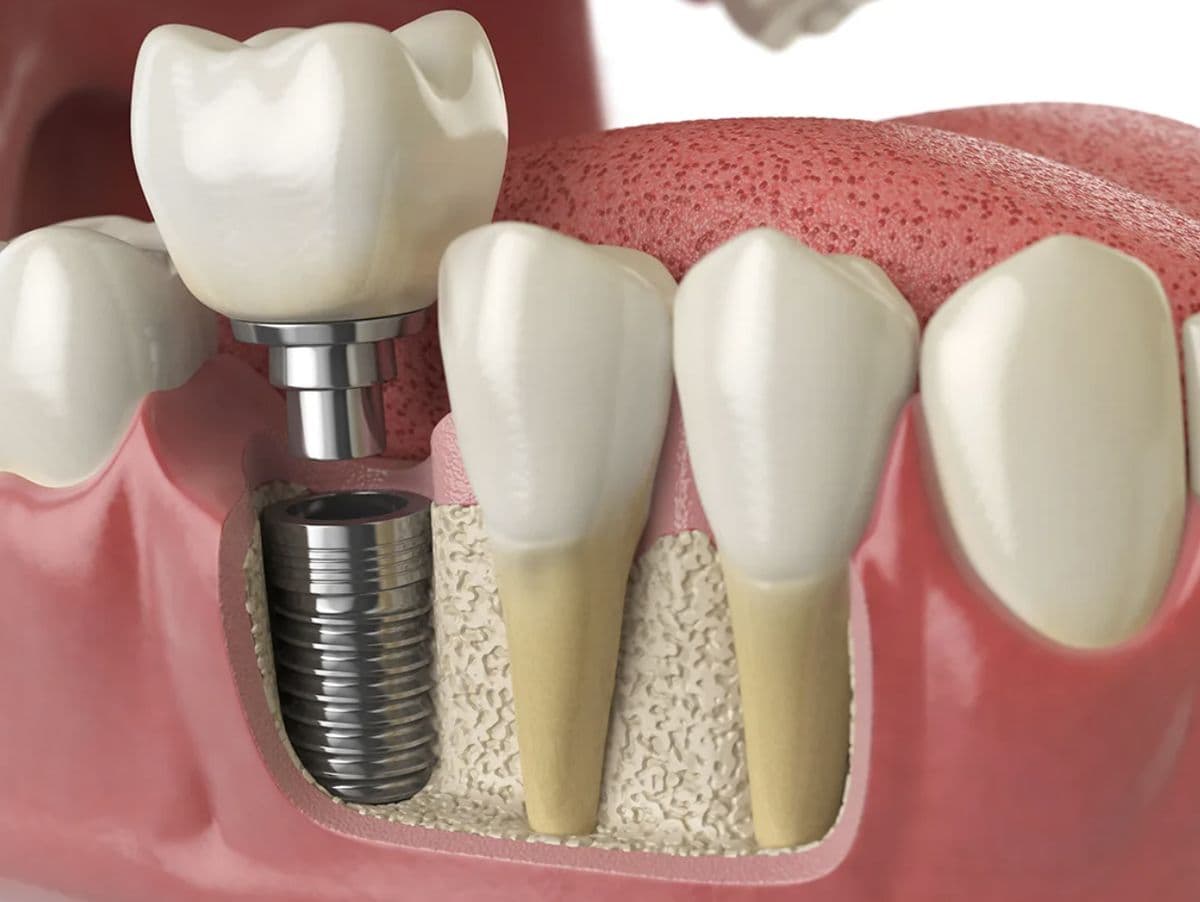
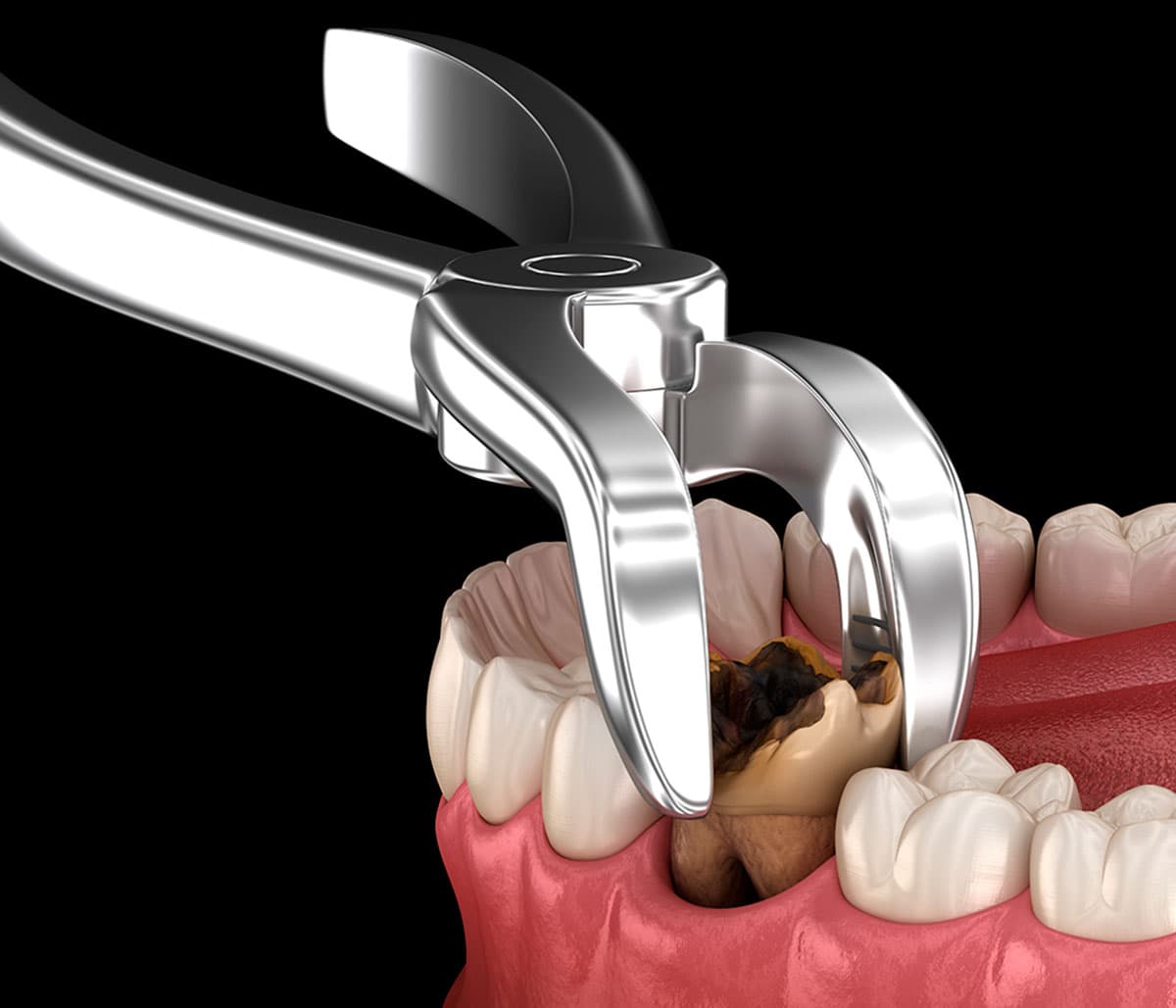
- Tooth Extraction: This is a last resort when the tooth cannot be saved. If an extraction is necessary, we’ll discuss replacement options like a dental implant or bridge.
Choosing the Right Material for Your Repair
When it comes to cracked filling repair, the material we use is a key consideration. We’ll discuss these options with you, considering the tooth’s location, your bite, aesthetics, and budget.
| Material Type | Durability | Aesthetics | Longevity (Typical) |
|---|---|---|---|
| Composite Resins | Good, but may not be as strong as amalgam for very large fillings in high-pressure areas. | Excellent (tooth-colored, blends naturally). | 5-10 years |
| Amalgam (Silver) Fillings | Very strong and durable, especially for molars and large fillings. | Poor (metallic silver color, noticeable). | 10-15 years |
| Ceramic (Porcelain) | Very durable and strong, resistant to staining. | Excellent (tooth-colored, highly natural appearance). | 10-15+ years |
| Gold Fillings | Extremely durable, biocompatible, and long-lasting; resistant to corrosion. | Good (metallic, but some prefer the aesthetic; not tooth-colored). | 15-20+ years |
| Glass Ionomer | Less durable than other types, prone to wear, mainly for small, non-load-bearing fillings or temporary use. | Good (tooth-colored, but can be opaque). Releases fluoride. | 5 years |
- Tooth-Colored Composite Resins: A popular choice at our studio, especially for visible teeth. Made of plastic and glass particles, they match your natural tooth shade for a seamless repair. They may not be as durable as amalgam for large fillings in high-pressure areas. Learn more about our Tooth-Colored Fillings.
- Amalgam (Silver) Fillings: Made of mercury, silver, tin, and copper, amalgam fillings are exceptionally durable and affordable. They are often used for molars where chewing forces are high and their metallic appearance is less of a concern.
- Ceramic (Porcelain) Fillings: Made of porcelain, these fillings are highly aesthetic and durable. They are custom-made in a lab and bonded to your tooth. Ceramic fillings are strong, stain-resistant, and offer a natural look, but are generally more expensive.
- Gold Fillings: Gold is an incredibly durable and biocompatible material. These custom-made fillings are very long-lasting and resistant to corrosion, but their metallic look and higher cost make them less common today.
- Glass Ionomer Fillings: A blend of acrylic and glass, these tooth-colored fillings are less durable and typically used for small fillings in non-load-bearing areas or for temporary use. They release fluoride, which helps prevent decay, but may need replacement in as little as five years.
The Professional Process for a Cracked Filling Repair
When you come to Tribeca Dental Studio for a cracked filling repair, you can expect a comfortable and efficient process. Our team is dedicated to providing Pain-Free Dentistry.
- Numbing the Area: First, we administer a local anesthetic to numb the area, ensuring you only feel pressure, not pain.
- Removing the Old Filling and Decay: Once numb, we carefully remove the damaged filling and clean out any decay that has formed.
- Preparing the Tooth: We then prepare the tooth cavity, shaping it to ensure the new filling has a strong, secure base.
- Placing the New Material:
- For Composite Resins: We apply the composite material in layers, hardening each layer with a special light that bonds it to your tooth.
- For Amalgam: The amalgam is mixed and packed into the prepared cavity, where it hardens quickly.
- For Ceramic or Gold (Inlays/Onlays/Crowns): For ceramic or gold, we take impressions of the prepared tooth. A dental lab crafts your custom restoration. You’ll wear a temporary one and return for a second appointment to have the permanent one bonded.
- Shaping and Polishing: We shape the new filling to match your tooth’s natural contours and check your bite. Finally, the filling is polished to a smooth finish.
Risks, Recovery, and Prevention
Ignoring a cracked filling, even if painless, can lead to serious dental issues. It can turn a simple repair into a complex and costly procedure.
Potential Complications of Ignoring a Broken Filling:
- Further Decay: The crack is an entry point for bacteria, which can cause new decay under the filling or in healthy tooth structure, weakening the tooth.
- Infection (Abscess): If bacteria reach the tooth’s pulp, an infection (abscess) can occur. This is often painful and can cause swelling, fever, and systemic health issues. An abscess may require a root canal or extraction.
- Tooth Fracture: A cracked filling compromises your tooth’s structural integrity, making it more susceptible to fracturing when you chew. A significant fracture can be painful and may require a crown or extraction. You can find more information on fractured tooth repair cost on our website.
- Need for a Crown or Root Canal: A simple filling replacement can escalate. Progressive decay or fracture may require a full dental crown. If the pulp gets infected, a root canal is needed. Each replacement removes more tooth structure, so this isn’t an infinite solution.
Post-Treatment Care and Preventing Future Breakage
After your cracked filling repair at Tribeca Dental Studio, we’ll provide detailed instructions for a smooth recovery and to help you prevent future breakages.
- Managing Sensitivity: Post-repair sensitivity to temperature or pressure is common and should subside in a few days or weeks. Our article on Crown Sensitive to Cold and Hot has more info. Use over-the-counter pain relievers, but contact us if sensitivity persists or worsens.
- Soft Food Diet Initially: For the first 24 hours, avoid chewing on the repaired side and eat soft foods. This allows the new material to fully set and bond.
- Proper Brushing and Flossing: Maintain your excellent oral hygiene routine. Brush twice daily with fluoride toothpaste and floss daily to remove plaque and food particles from around the repaired tooth.
- Regular Dental Check-ups: This is the most critical preventive measure. Regular check-ups and cleanings (every six months) allow us to monitor your fillings and oral health, identifying early signs of wear or decay. If you’re new to our practice, learn about Your First Visit.
- Wearing a Nightguard for Bruxism: If you grind or clench your teeth, a custom-fitted nightguard provides a protective barrier, absorbing forces that would otherwise stress your fillings and teeth.
- Avoiding Chewing Hard Objects: Be mindful of what you chew. Avoid biting on ice, hard candies, popcorn kernels, pens, or fingernails. These habits can lead to cracked fillings or fractured teeth.
- Balanced Diet and Hydration: A healthy diet rich in calcium and vitamins supports strong teeth. Staying hydrated helps maintain saliva flow, which naturally cleanses your mouth.
Conclusion
A cracked filling repair is a common and manageable dental issue when addressed promptly. Understanding the causes, from biting pressure to aging materials, and recognizing the symptoms is your first line of defense.
Immediate steps like contacting your dentist and rinsing with saltwater protect your tooth. At Tribeca Dental Studio, we offer custom repair options, from simple replacements to crowns. We’ll help you choose the best material, like aesthetic composite or durable ceramic, for a long-lasting result.
Ignoring a cracked filling is a gamble with your oral health, potentially leading to decay, infection, or tooth loss. However, with proper post-treatment care and preventive measures like regular check-ups and avoiding hard foods, you can safeguard your smile for years to come.
At Tribeca Dental Studio, led by Dr. Nina Izhaky, we pride ourselves on a personalized approach, treating every patient like family. We’re not just fixing teeth; we’re building lasting relationships and ensuring your comfort. Learn more About our philosophy.
If you suspect you have a cracked filling or are experiencing any dental discomfort, don’t hesitate to reach out to our team in Tribeca, NYC. Your oral health is our priority, and we’re here to provide the expert care you deserve.
Explore your cosmetic dentistry options to repair a chipped tooth today