Cavity Filling 101: From Numbing to a New Smile
February 26, 2026
Understanding the Dental Filling Process: What Happens in the Chair
What to expect when getting a filling is a straightforward process that typically takes 20-30 minutes for a small cavity and involves five main steps: numbing the area, removing decay, cleaning the tooth, placing the filling material, and polishing the final restoration. While the idea of dental work can feel intimidating, modern techniques and materials have made this one of dentistry’s most routine and comfortable procedures.
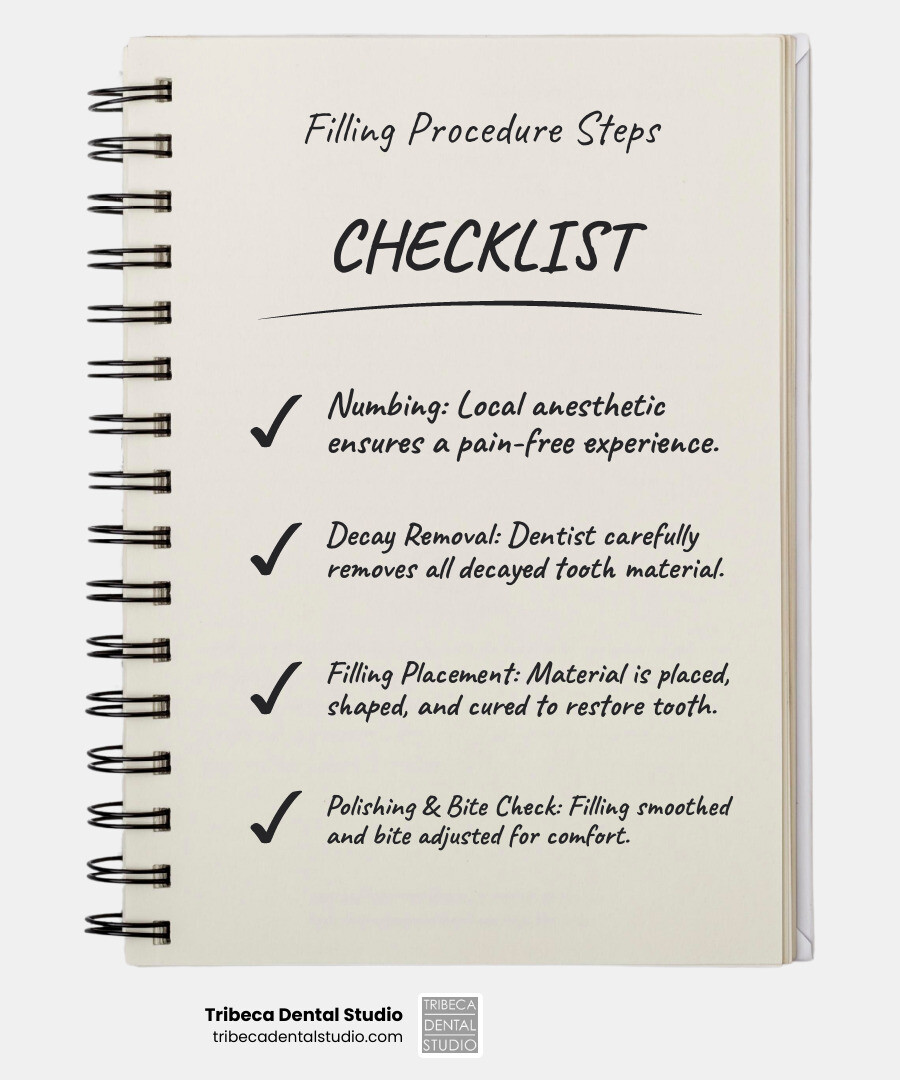
Here’s what the filling procedure looks like step-by-step:
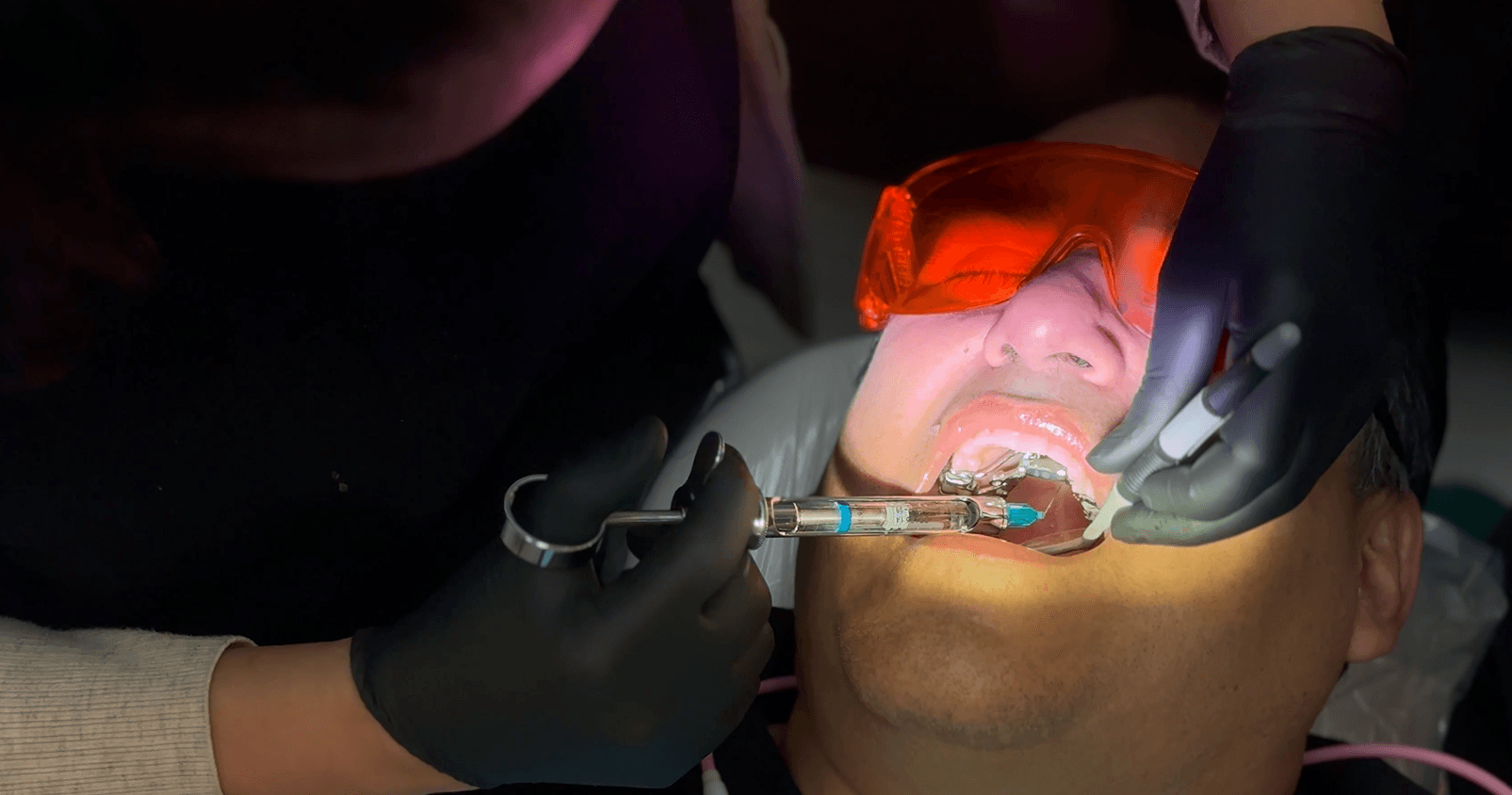
- Numbing – Your dentist applies a topical gel and administers a local anesthetic injection to ensure you feel no pain during the procedure
- Decay Removal – Using a drill, laser, or air abrasion tool, the dentist removes all decayed tooth material and cleans the area
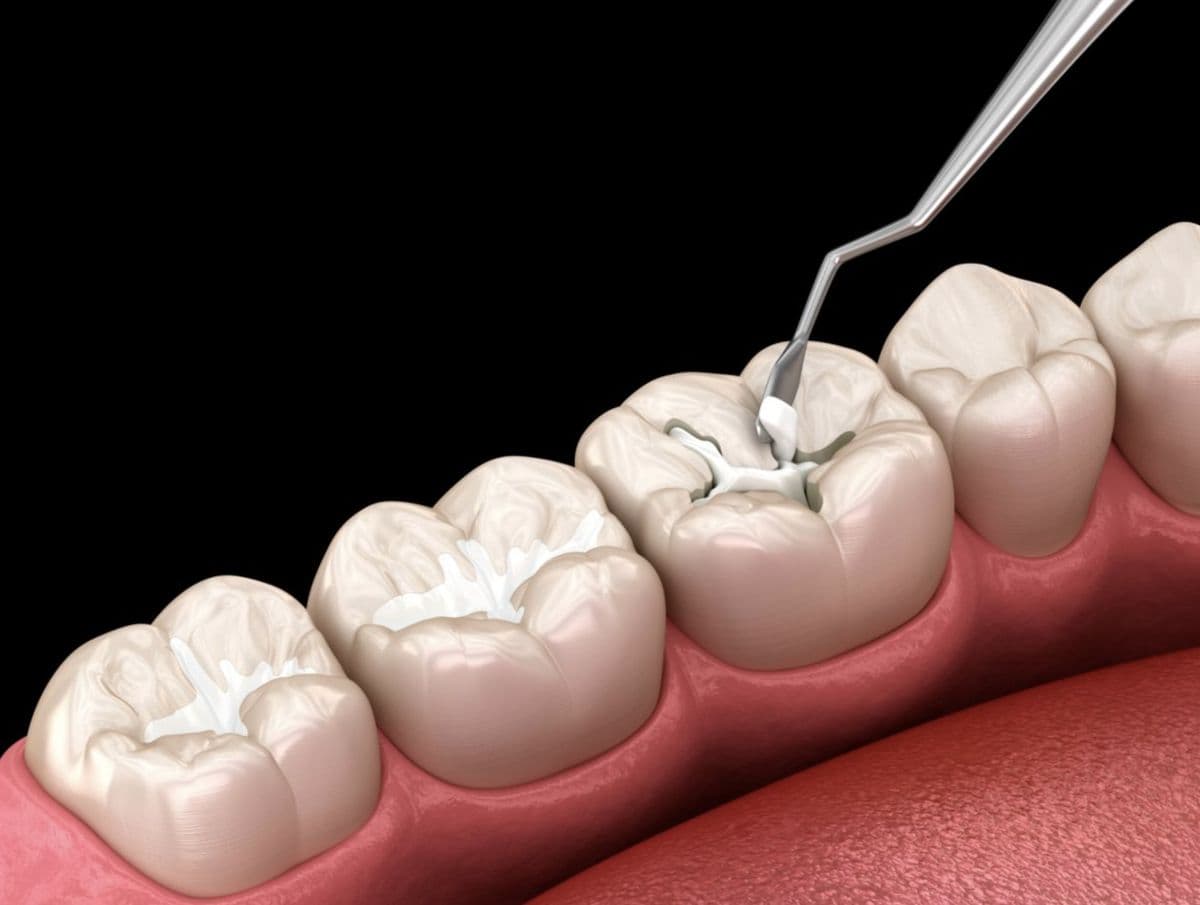
- Filling Placement – The filling material (composite resin, amalgam, ceramic, or gold) is carefully placed and shaped to restore your tooth’s form
- Curing – For composite fillings, a special UV light hardens each layer of material
- Polishing – Your dentist smooths and polishes the filling, then checks your bite to ensure proper alignment
Most patients experience only mild sensitivity for a few days after the procedure, and you can typically resume your normal routine immediately—though you’ll want to wait for the numbness to wear off before eating. The entire visit, including preparation and cleanup, usually takes less than an hour.
As Dr. Nina Izhaky, a graduate of NYU College of Dentistry and founder of Tribeca Dental Studio, I’ve performed thousands of dental fillings using state-of-the-art, mercury-free materials in a comfortable, modern environment. Throughout my years of practice, I’ve found that understanding what to expect when getting a filling helps patients feel more relaxed and confident about their dental care.
Learn more about what to expect when getting a filling:
Do You Need a Filling? Recognizing the Signs of a Cavity
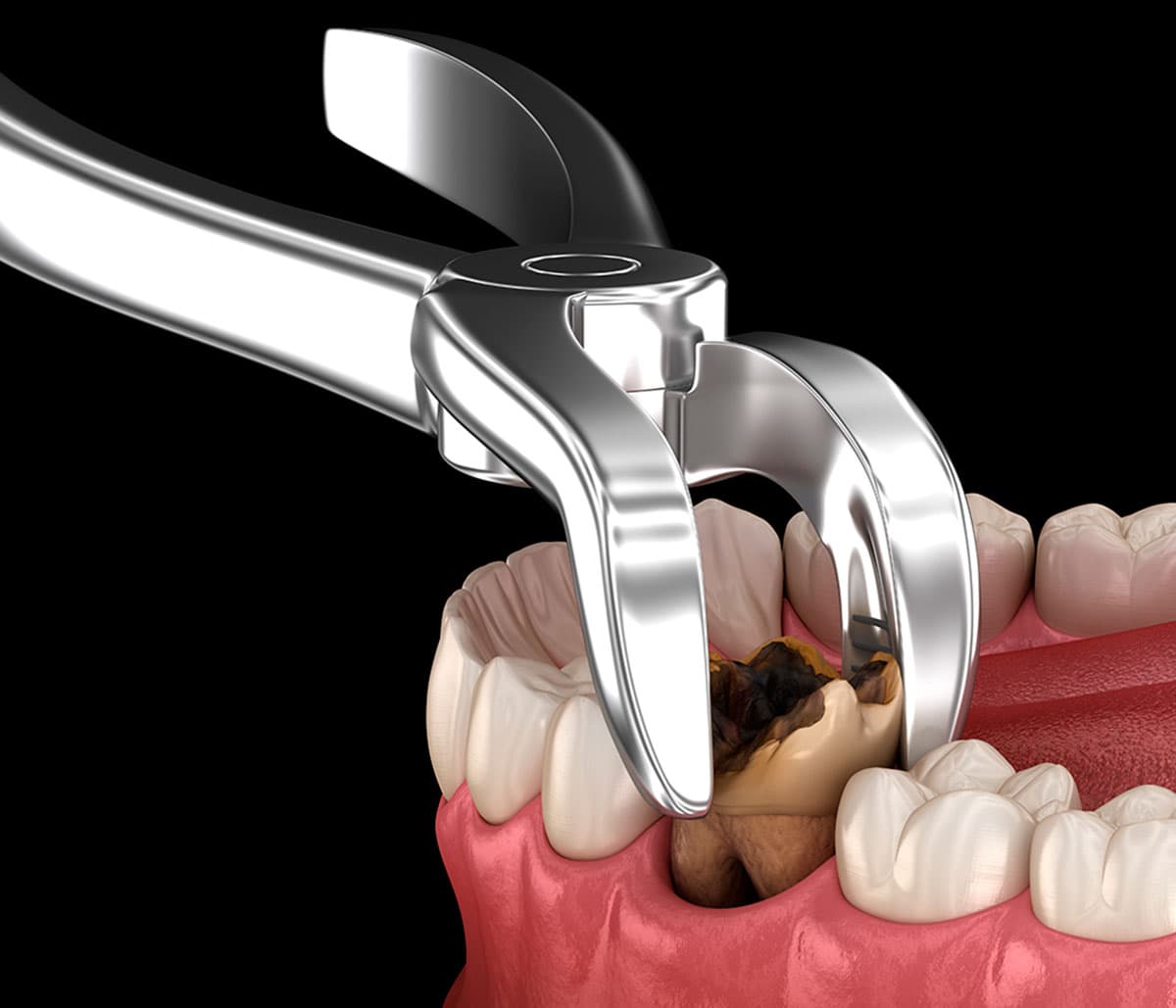
A dental filling is needed when tooth decay creates a cavity—a hole in your tooth. This decay, also known as caries, occurs when bacteria in your mouth produce acids that erode the hard outer enamel of your teeth. If left untreated, a cavity can grow deeper, affecting the softer dentin layer and even reaching the tooth’s pulp, which contains nerves and blood vessels. This can lead to intense pain, infection, and potentially more extensive treatments like root canals or even tooth extraction.
So, how do you know if you might need a filling? Our team often identifies cavities during routine checkups, sometimes before you even notice symptoms. However, there are several common signs of a cavity that you might experience:
- Tooth sensitivity: You might feel a twinge or discomfort when consuming sweet, hot, or cold foods and drinks. This is a classic sign that decay has penetrated your enamel.
- Sharp or throbbing pain: As decay progresses, you might experience more consistent or acute pain, especially when chewing. This indicates the decay is closer to the tooth’s nerve.
- Pain when biting down: If it hurts when you bite, it could signal a cavity or a crack in the tooth.
- Visible holes or pits: In some cases, you might actually see small holes or depressions on the surface of your tooth.
- Dark stains on a tooth: Brown, black, or even white stains on the surface of a tooth can sometimes indicate decay.
Not all tooth pain means you have a cavity. Pain can sometimes be referred from other issues, like a sinus infection. However, if you experience any of these symptoms, it’s crucial to schedule an appointment with us promptly. Early detection and treatment prevent further damage and keep your smile healthy. You can learn more about how long cavities take to form and the tooth decay process and how to avoid a cavity. Regular checkups and good oral hygiene are your best defense against cavities.
Choosing Your Filling: A Guide to Dental Materials
When you need a filling, you’ll have several material options, each with its own benefits and considerations. Our goal at Tribeca Dental Studio is to help you choose the best material for your specific needs, considering factors like the cavity’s location, size, your aesthetic preferences, and your budget.
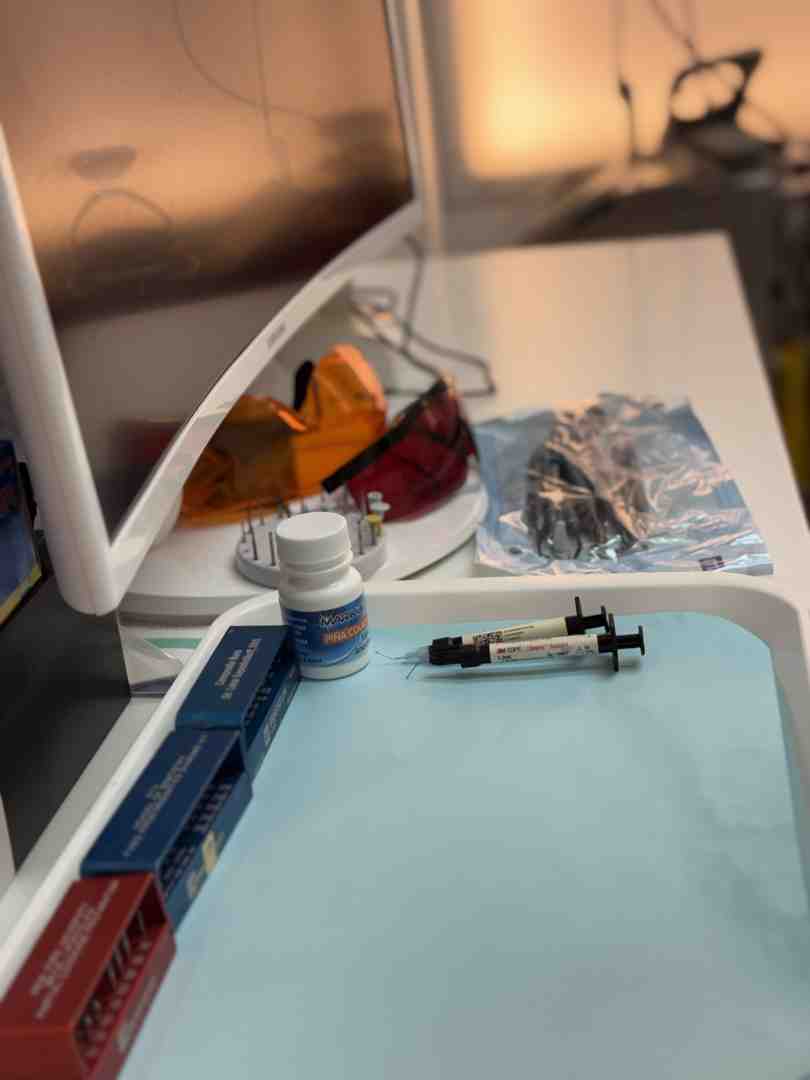
Here’s a comparison of the most common dental filling materials:
| Material Type | Aesthetics | Durability / Lifespan | Average Cost (NYC, rough estimate) |
|---|---|---|---|
| Composite Resin | Tooth-colored, blends seamlessly | 5-7+ years | $155 – $170 |
| Ceramic (Porcelain) | Tooth-colored, highly stain-resistant | 15+ years | $1400 – $1600 |
| Amalgam (Silver) | Silvery-gray, noticeable | 10-15 years | $132 |
| Gold | Gold-colored, very noticeable | 15+ years (can be 40-60) | $1123 – $1600 |
Tooth-Colored Fillings (Composite & Ceramic)
For patients seeking a natural-looking restoration, tooth-colored fillings are an excellent choice.
- Composite Resin: These fillings are made from a mixture of plastic and fine glass particles. They are highly popular because we can custom-match the resin to the exact shade of your natural teeth, making the filling virtually invisible. Composite fillings bond directly to your tooth structure, which often means we need to remove less healthy tooth material compared to amalgam. They are durable, but their lifespan (typically 5-7 years or more) can be influenced by factors like your oral hygiene, diet, and whether you grind your teeth. While generally stain-resistant, they can sometimes discolor over time, especially with frequent consumption of coffee, tea, or red wine. We offer advanced tooth-colored fillings to restore your smile aesthetically and functionally.
- Ceramic (Porcelain): Often referred to as porcelain inlays or onlays, ceramic fillings are custom-made in a dental lab and then bonded to your tooth. They are renowned for their exceptional aesthetics, perfectly mimicking the translucency of natural teeth, and their resistance to staining. Ceramic fillings are very durable and can last 15 years or more. They are a great option for larger restorations where strength and aesthetics are paramount, offering a beautiful and long-lasting solution.
Metal Fillings (Amalgam & Gold)
Metal fillings have a long history in dentistry, primarily valued for their strength and durability, especially in back teeth that endure heavy chewing forces.
- Amalgam (Silver): These fillings are a mixture of metals, including silver, tin, copper, and about 50% liquid mercury. Amalgam fillings are strong, relatively inexpensive, and can last 10-15 years. They are often chosen for molars where visibility is less of a concern. While some patients express concerns about mercury content, the U.S. Food and Drug Administration (FDA) has stated that the low levels of mercury vapor released are generally safe for most people. The FDA does not recommend replacing existing, well-functioning amalgam fillings, as removal can expose you to more mercury vapor and potentially damage healthy tooth structure. We always discuss all options with our patients, ensuring you make an informed decision. You can review the FDA recommendations on dental amalgam for more information.
- Gold: Gold fillings, often made as inlays or onlays, are an alloy of gold, copper, and other metals. They are exceptionally durable and biocompatible, rarely causing adverse reactions. Gold fillings can last 15 years or even 40-60 years with proper care, making them one of the longest-lasting options. While they are a noticeable restoration, their strength and longevity make them a valuable choice for patients prioritizing durability.
What to expect when getting a filling: The Financial Aspect
The cost of a dental filling can vary significantly based on the material chosen, the size and location of the cavity, and your dental insurance coverage. In New York City, average costs for fillings typically range:
- Amalgam (silver): Around $132
- Resin composite (white): $155-$170
- Porcelain (ceramic): $1400-$1600
- Gold inlay/onlay: $1123-$1600
These are average costs and can fluctuate. For instance, a filling in a harder-to-reach molar might cost more due to the complexity of the procedure. Dental insurance often covers a portion of the cost, usually favoring less expensive materials like amalgam or composite. Our team at Tribeca Dental Studio is always transparent about pricing and will help you understand your insurance benefits. We believe in providing clear information about cavity filling cost so you can make the best decision for your oral health and budget.
What to Expect When Getting a Filling: The Step-by-Step Procedure
Understanding the steps involved in getting a dental filling can significantly ease any apprehension you might feel. Our primary goal is your comfort and a successful restoration of your tooth. The procedure is typically quite straightforward, and we strive to make it as comfortable as possible.

Step 1: Numbing and Pain Management
Before we begin, your comfort is our priority. We start by applying a topical numbing gel to the area where the injection will be given. This helps to desensitize the gum tissue, making the subsequent local anesthetic injection much more comfortable—often described as just a slight pinch. The local anesthetic, such as lidocaine, will numb the tooth and surrounding tissues, ensuring you feel no pain during the actual procedure. The numbness usually lasts for a few hours after the procedure.
For patients who experience dental anxiety, we offer additional options to help you relax. Nitrous oxide, commonly known as “laughing gas,” can be administered to reduce anxiety and create a feeling of calmness. For more severe anxiety, we can discuss various sedation options to ensure a completely stress-free experience. Our aim is to make your visit as pleasant as possible, demonstrating why many consider us a provider of painless dental filling experiences.
Step 2: Removing the Decay
Once the area is thoroughly numbed, we proceed with removing the decayed portion of your tooth. This is a critical step to eliminate all bacteria and prevent the cavity from spreading further. We use specialized tools for this process:
- Dental drill: This is the most common method, using a high-speed handpiece with small burs to carefully remove decayed enamel and dentin. While the sound can sometimes be a bit unsettling, you won’t feel any pain due to the anesthetic.
- Air abrasion: For smaller cavities, we might use air abrasion, which uses a stream of tiny aluminum oxide particles to gently remove decay. This technique is often quieter and can sometimes eliminate the need for an anesthetic.
- Lasers: In some cases, lasers can be used to remove decay, offering a precise and often less invasive option.
During decay removal, a dental assistant will use a suction device to keep your mouth clear of debris and water, ensuring a clean working environment. After all decay is removed, we thoroughly clean and disinfect the cavity to prepare it for the filling material.
Step 3: Placing and Curing the Filling
With the cavity clean and prepared, we can now place the filling material. For composite (tooth-colored) fillings, this involves a few specific steps:
- Etching gel: A mild acid gel is applied to the tooth surface for a few seconds. This creates microscopic pores in the enamel, which helps the filling material bond securely to your tooth.
- Bonding agent: A liquid adhesive, or bonding agent, is then applied to the etched surface. This acts as a primer, ensuring a strong, lasting bond between your tooth and the composite resin.
- Layering composite material: The composite resin, which we’ve carefully matched to your tooth’s natural shade, is applied in thin layers into the cavity. This layering technique allows for precise shaping and ensures a strong, uniform filling.
- Curing with a special light: After each layer of composite is placed, we use a special blue light (a curing light) to harden it. This light rapidly sets the resin, making it durable and ready for the next layer.
Step 4: Polishing and Bite Check
Once all the composite layers are in place and hardened, we perform the finishing touches:
- Final shaping and smoothing: We carefully shape the filling to restore the natural contours of your tooth and ensure it blends seamlessly with your bite. Any rough edges are smoothed down.
- Polishing for a natural feel: The filling is polished to a high shine, making it feel smooth and natural in your mouth. This also helps prevent food particles and plaque from easily adhering to the surface.
- Using carbon paper to check bite: We’ll have you bite down on a piece of thin carbon paper. This paper leaves marks on any high spots of the filling that might interfere with your natural bite. We’ll then adjust and refine the filling until your bite feels comfortable and even, ensuring proper alignment and function. This step is crucial to prevent discomfort or damage to the tooth or filling over time.
After the Appointment: Recovery and Aftercare
Once your filling is complete, you’re on your way to a healthier smile! While the procedure itself is generally comfortable, it’s normal to experience some sensations afterward. Knowing what to expect when getting a filling in the hours and days following your appointment will help you manage your recovery effectively.
The First Few Hours: Managing Numbness and Diet
After your filling, your mouth will likely remain numb for a few hours due to the local anesthetic. This numbness can last anywhere from one to three hours. During this time, it’s important to be mindful of a few things:
- Avoid chewing on the numb side: To prevent accidentally biting your tongue, cheek, or lip, try to avoid chewing on the side of your mouth that is still numb.
- Recommended soft foods: We recommend sticking to soft or liquid foods for the first day, such as yogurt, soup, mashed potatoes, or smoothies. This helps protect the newly placed filling while the anesthetic wears off and your tooth settles.
- Avoiding hot or cold extremes: While your tooth is recovering, it’s best to avoid very hot or very cold foods and drinks, as your tooth might be temporarily more sensitive.
- Resuming oral hygiene: You can typically resume your normal brushing and flossing routine around the filled tooth, but do so gently initially. Maintaining good oral hygiene is key to the long-term success of your restorative dentistry.
What to expect when getting a filling: Common Post-Procedure Sensations
It’s common to experience some sensitivity after a dental filling. These sensations are usually temporary and should subside within a few days to a couple of weeks:
- Temporary tooth sensitivity: You might notice increased sensitivity to hot, cold, or sweet foods and drinks. This happens because the tooth’s nerve has been stimulated during the procedure.
- Pressure sensitivity: The tooth might feel sensitive to pressure when biting down. This often resolves as the tooth adjusts to the new filling.
- Pain when biting: If the filling feels “high” or uneven, it can cause pain when you bite. This is a common issue that we can easily correct.
If sensitivity persists beyond two to three weeks, worsens, or if you experience significant pain, it’s important to contact us. We can assess the situation and determine if any adjustments are needed.
Potential Complications and When to Seek Help
While fillings are a routine and safe procedure, occasional complications can arise. Knowing when to contact us is crucial:
- High filling adjustment: If, after the numbness wears off, your bite feels uneven or the filling feels too high, please call us. This is a quick fix that prevents discomfort and potential damage to the tooth.
- Allergic reactions: Though rare, some individuals can have an allergic reaction to filling materials. Symptoms might include a rash or itching.
- Cracked or lost fillings: Fillings can sometimes crack, chip, or even fall out due to trauma, grinding, or simply wear and tear over time. If this happens, contact us immediately to prevent further decay or damage.
- Persistent or worsening pain: If you experience severe pain, swelling, or pus around the filled tooth, or if sensitivity doesn’t improve after a few weeks, please reach out. This could indicate a deeper issue, such as an infection or the need for a dental crown after filling if the decay was extensive.
We are always here to address any concerns you have after your filling. Don’t hesitate to call our Tribeca Dental Studio team if something doesn’t feel right.
Frequently Asked Questions about Dental Fillings
We often hear similar questions from our patients about dental fillings. Here are some of the most common ones, along with our answers, to further clarify what to expect when getting a filling.
How long do dental fillings typically last?
The lifespan of a dental filling depends greatly on the material used, your oral hygiene habits, dietary choices, and whether you grind or clench your teeth.
- Composite fillings: With proper care, these tooth-colored fillings can last 5-7 years or even longer.
- Amalgam fillings: Silver amalgam fillings are known for their durability and typically last 10-15 years.
- Gold and Ceramic fillings: These are among the most durable options, often lasting 15 years or more, with gold fillings sometimes enduring for 40-60 years.
Factors like poor oral hygiene, a diet high in sugary or acidic foods, and teeth grinding (bruxism) can significantly shorten a filling’s lifespan. Regular checkups allow us to monitor your fillings and recommend replacements when necessary.
Does getting a filling hurt?
This is perhaps the most common question we receive! The good news is that with modern dental techniques, getting a filling is generally a comfortable and virtually painless experience during the procedure itself.
- Numbing process: We use a topical gel to numb your gums before administering a local anesthetic. This ensures you won’t feel the drill or any discomfort during decay removal or filling placement. You might feel a slight pinch during the injection, but it’s usually brief.
- Sensation of pressure or vibration: While the area will be numb to pain, you might still feel some pressure or vibration during the procedure, especially when we use the dental drill. This is normal and not a sign of pain.
- Post-procedure sensitivity vs. pain: After the anesthetic wears off, it’s common to experience some sensitivity to hot, cold, or pressure for a few days or even a couple of weeks. This is usually mild and can be managed with over-the-counter pain relievers. Significant or worsening pain, however, should always be reported to us.
- Pain management options: For those with dental anxiety, we offer nitrous oxide (laughing gas) and other sedation options to help you relax throughout your visit. Our team is dedicated to making your experience as stress-free as possible.
What are the alternatives to a traditional filling?
While traditional fillings are excellent for restoring teeth with cavities, sometimes other restorative options are more suitable, especially for larger areas of decay or damage:
- Inlays: These are custom-made restorations (often from porcelain or gold) that fit within the cusps (the pointed parts) on the chewing surface of your tooth. They are used when a cavity is too large for a traditional filling but not extensive enough for a crown.
- Onlays: Similar to inlays, onlays cover one or more cusps of the tooth. They are used for more significant damage that extends over the cusps but doesn’t require full tooth coverage like a crown. Both inlays and onlays are durable and aesthetic options, and we discuss dental inlays and onlays in more detail.
- Dental crowns: If a cavity or fracture has damaged a large portion of the tooth structure, a dental crown (a cap that covers the entire tooth) might be recommended. Crowns provide strength and protection for severely compromised teeth.
- Composite bonding: For minor chips, cracks, or gaps, composite bonding can be an alternative. This involves applying tooth-colored resin to the tooth and shaping it to improve its appearance. You can learn more about composite bonding vs. composite veneers.
The best alternative depends on the extent of the damage, the tooth’s location, and your aesthetic goals. We will always discuss all suitable options with you to determine the most appropriate treatment plan.
Your Guide to a Healthy, Restored Smile
Getting a dental filling is a common and highly effective procedure that restores the health and function of a tooth affected by decay. Understanding what to expect when getting a filling—from recognizing the signs of a cavity and choosing the right material to navigating the procedure and aftercare—can transform a potentially anxious experience into a calm and confident one.
At Tribeca Dental Studio, we believe that informed patients are empowered patients. We are committed to providing comprehensive, advanced, and welcoming oral healthcare right here in Tribeca, Manhattan. Our personalized approach, led by Dr. Nina Izhaky, ensures that we treat every patient like family, taking the time to explain every step and answer all your questions.
Fillings are a routine part of maintaining your oral health. They prevent minor issues from escalating into major problems. Coupled with consistent preventive dentistry practices—regular brushing, flossing, and checkups—a filling helps you preserve your natural teeth for years to come.
If you suspect you have a cavity or are due for a checkup, don’t hesitate to reach out. We’re here to help you achieve and maintain a healthy, beautiful smile. Learn more about our natural and durable Dental Fillings in NYC and schedule your consultation with us today.