Zygomatic vs. Pterygoid: Unpacking Advanced Dental Implant Options
February 28, 2026
Why Advanced Implant Solutions Matter for Severe Bone Loss
Zygomatic and pterygoid implants represent a breakthrough for patients who’ve been told they don’t have enough bone for traditional dental implants. These specialized techniques anchor into the dense bones of your cheekbone (zygomatic) or the back of your upper jaw (pterygoid), bypassing the need for extensive bone grafting procedures.
Quick Overview: What You Need to Know
- Zygomatic Implants: Anchor into the cheekbone, 30-55mm long, ideal for severe upper jaw bone loss
- Pterygoid Implants: Anchor into the pterygoid process at a 45-degree angle, support posterior teeth
- Key Benefits: Avoid bone grafts, immediate function possible, 96-99% success rate
- Ideal Candidates: Patients with severe bone loss, failed bone grafts, or enlarged sinuses
- Recovery: Faster than bone grafting, with most patients receiving temporary teeth the same day
Who This Solution Helps Most
These advanced implants are specifically designed for patients experiencing:
- Severe upper jaw bone deterioration
- Long-term denture use with significant bone resorption
- Failed traditional implants or bone grafts
- Large maxillary sinuses that complicate standard procedures
- A desire to avoid multiple surgeries and extended treatment timelines
The challenge of severe bone loss has historically meant months or years of bone grafting procedures, multiple surgeries, and uncertain outcomes. For many patients, this led to continued reliance on uncomfortable, ill-fitting dentures. Zygomatic and pterygoid implants changed this landscape by utilizing the stable, dense bone structures that remain intact even when the jaw has severely deteriorated.
I’m Dr. Nina Izhaky, founder of Tribeca Dental Studio, where I’ve helped countless patients restore their smiles using advanced implant techniques including zygomatic and pterygoid implants. My practice specializes in complex cases where traditional approaches have failed, utilizing state-of-the-art 3D imaging and precision-guided placement to deliver predictable, long-lasting results.
Beyond Traditional Implants: Understanding Zygomatic and Pterygoid Solutions
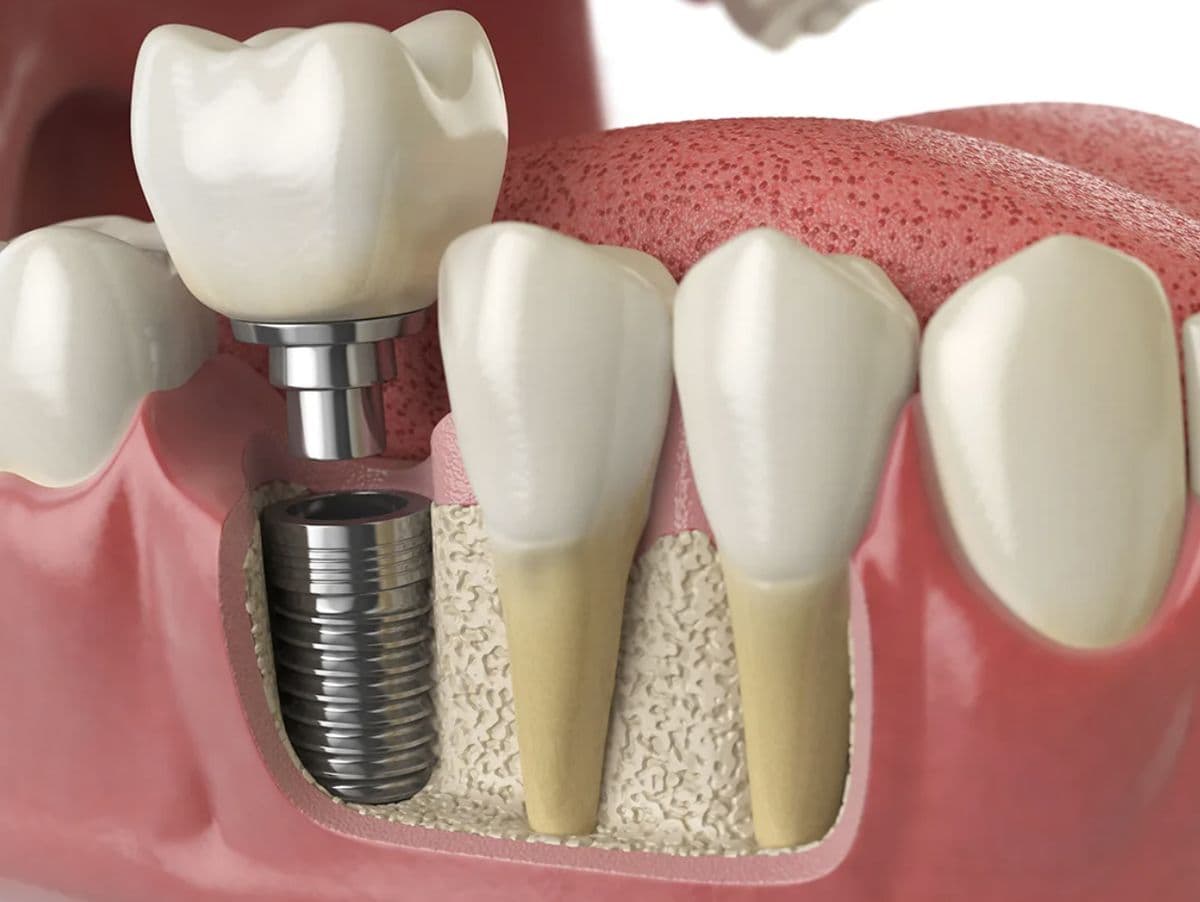
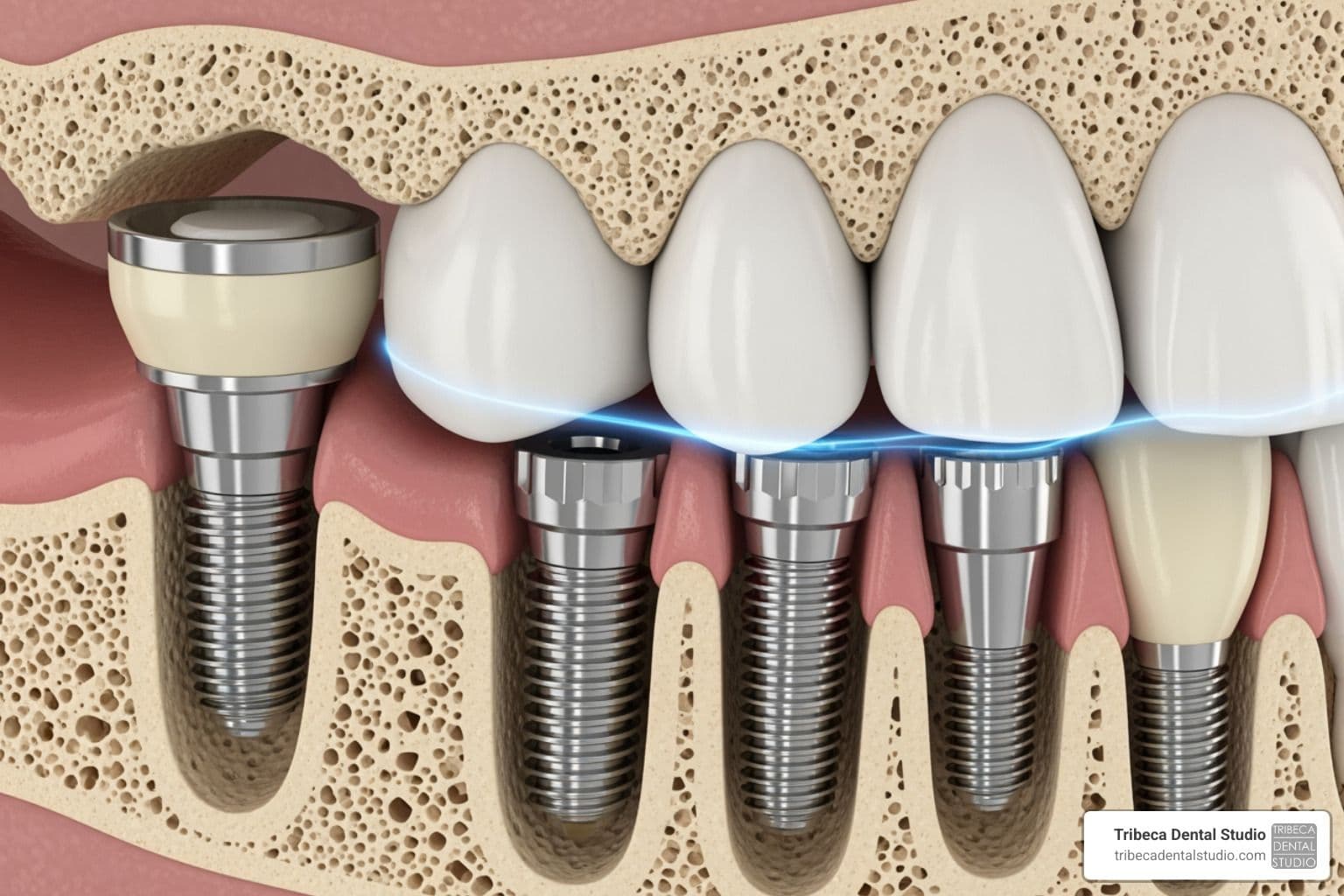
When considering options to replace missing teeth, most people are familiar with traditional Dental Implants. These are small, screw-shaped posts, typically made of titanium, that are surgically placed into the jawbone to serve as artificial tooth roots. Once integrated with the bone, they provide a stable foundation for crowns, bridges, or dentures. However, the success of traditional implants relies heavily on having sufficient bone volume and density in the jaw.
For many patients, especially those who have experienced tooth loss for an extended period or who have worn dentures for years, the jawbone can undergo significant changes. This phenomenon, known as maxillary atrophy or bone resorption, means the bone gradually shrinks and weakens. When this happens, the once-ample bone needed for traditional implants simply isn’t there. This is where advanced solutions like zygomatic and pterygoid implants come into play. They are graftless alternatives that leverage other dense facial bones, like the cheekbone or the sphenoid bone, to provide stable anchorage.
What Are Zygomatic Implants?
Imagine a dental implant that’s much longer than usual, reaching beyond your upper jaw into your cheekbone. That’s essentially what a zygomatic implant is!
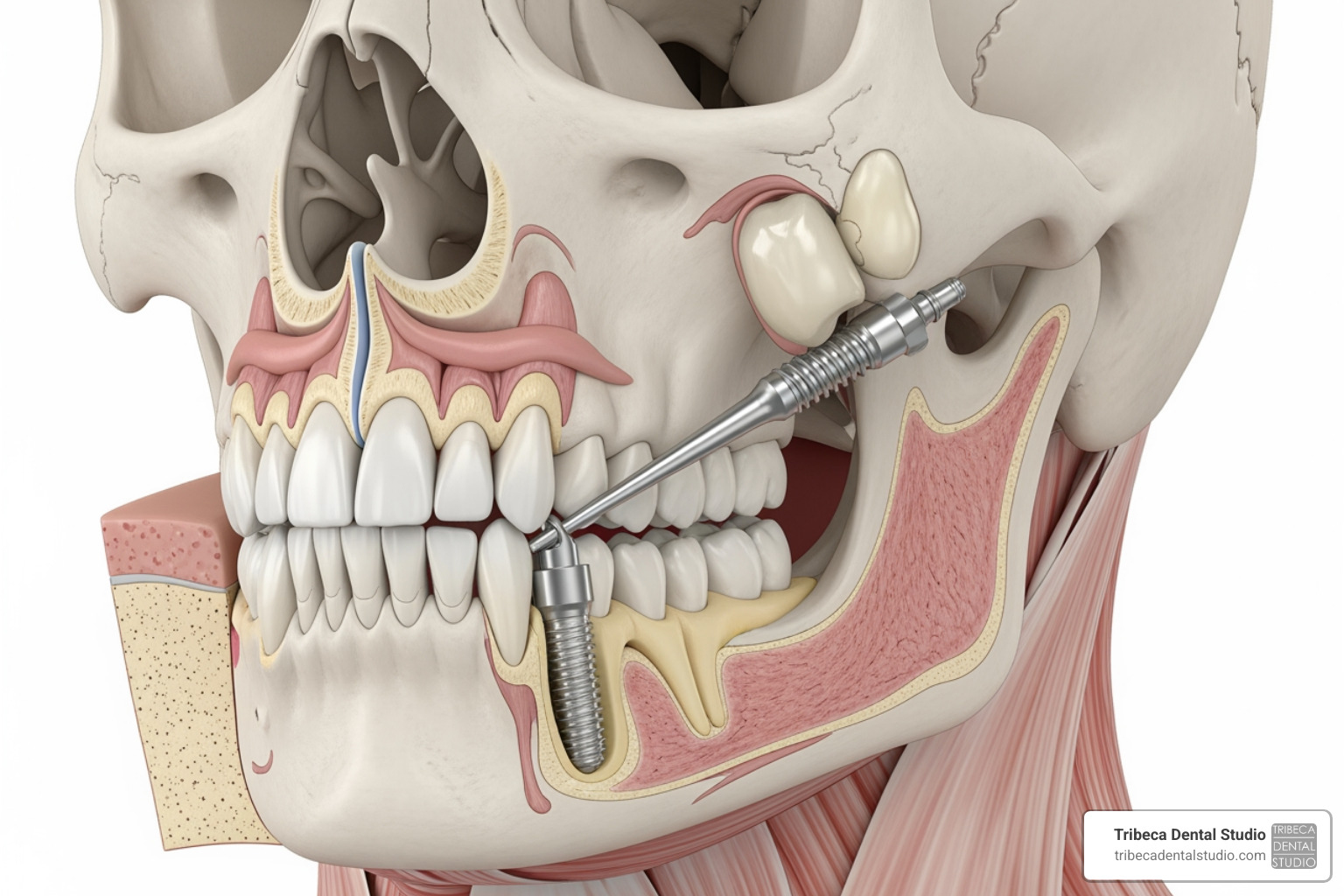
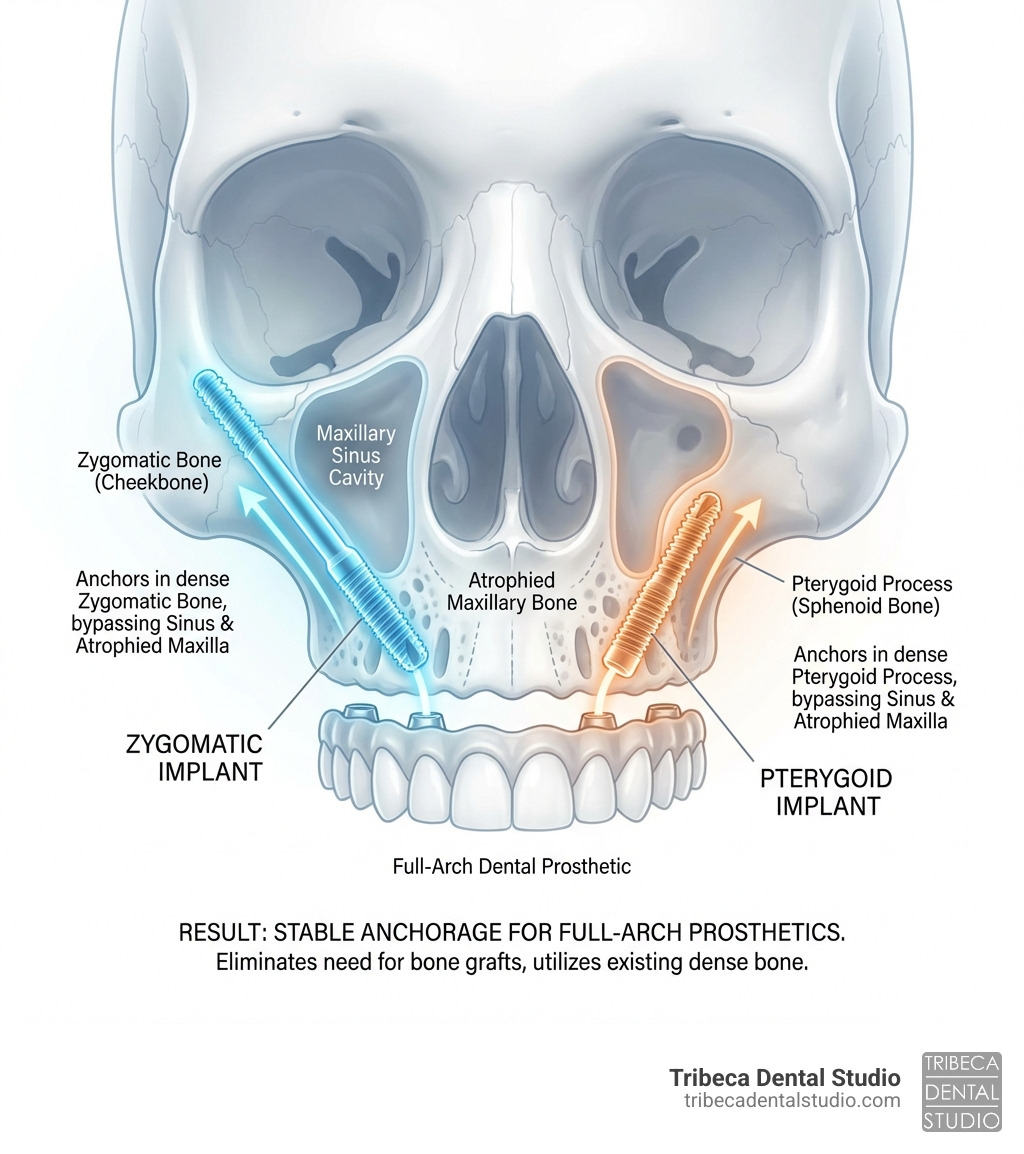
Zygomatic implants are specialized, extra-long titanium implants, typically ranging from 30 to 55 millimeters in length. Unlike traditional implants that sit in the alveolar bone of the jaw, zygomatic implants are anchored into the dense, strong zygoma bone, more commonly known as the cheekbone. This bone is far less susceptible to resorption, making it an excellent, stable foundation.
Their unique placement allows us to bypass the maxillary sinus, a common obstacle for traditional implants in the upper jaw. This means we can often avoid the need for complex and time-consuming sinus lift procedures. Zygomatic implants primarily provide robust posterior upper jaw support, crucial for a full and functional set of teeth. They are a game-changer for individuals with severe bone loss in the maxilla who might have otherwise been told they have no other options. You can learn More info about Zygomatic Implants on our dedicated service page.
What Are Pterygoid Implants?
Moving further back in the mouth, we encounter another advanced solution: pterygoid implants. These implants take advantage of another incredibly dense bone structure, the pterygoid process of the sphenoid bone, located at the very back of the upper jaw.
Pterygoid implants are usually about 20-25 millimeters long and are placed at a steep angle, often around 45 degrees, to achieve optimal anchorage in this robust bone. This strategic placement provides excellent posterior maxillary stability and is particularly useful when the bone in the very back of the upper jaw is severely deficient. Much like zygomatic implants, they offer a fantastic alternative to extensive sinus lifts and bone grafts, allowing us to restore your smile without adding months to your treatment timeline. Our expertise in Mastering Pterygoid Implant Placement: An Anatomical Guide ensures precise and successful outcomes for our patients.
Key Differences: Zygomatic vs. Pterygoid vs. Traditional
While all dental implants share the goal of replacing missing teeth, their approach to achieving this goal, especially in complex cases, varies significantly. Here’s a breakdown of how these three types compare:
| Feature | Traditional Implants | Zygomatic Implants | Pterygoid Implants |
|---|---|---|---|
| Anchorage Point | Alveolar bone (jawbone) | Zygoma bone (cheekbone) | Pterygoid process of sphenoid bone |
| Implant Length | Typically 8-16 mm | 30-55 mm (much longer) | 20-25 mm (longer than traditional) |
| Primary Indication | Sufficient jawbone present | Severe upper jaw bone loss, avoids sinus lift | Severe posterior upper jaw bone loss, avoids sinus lift |
| Surgical Complexity | Standard dental surgery | Advanced, specialized oral surgery | Advanced, specialized oral surgery |
| Bone Grafting | Often required with bone loss | Rarely, if ever, required in the implant area | Rarely, if ever, required in the implant area |
| Treatment Time | Can be extended with grafting | Often shorter, immediate loading possible | Often shorter, immediate loading possible |
As you can see, both zygomatic and pterygoid implants are designed to overcome significant anatomical challenges, making them invaluable tools in advanced implantology.
Are You a Candidate for Graftless Implant Solutions?
The first question many patients ask us is, “Am I even a candidate for this?” The good news is that these advanced solutions are specifically designed for those who might have previously been told “no” to traditional implants. Our comprehensive patient evaluation process is meticulous, beginning with a thorough review of your dental and medical history.
We then use state-of-the-art 3D imaging, specifically CBCT (Cone Beam Computed Tomography) scans. These detailed scans allow us to precisely measure your bone structure, identify areas of severe bone loss, and map out the exact anatomical landmarks, including the zygoma and pterygoid processes. This crucial step informs our treatment planning and is often integrated into Guided Dental Implant Surgery for unparalleled accuracy and safety.
Who Benefits Most from Zygomatic and Pterygoid Implants?
We understand it can be frustrating to hear that traditional dental implants aren’t an option. But here at Tribeca Dental Studio, we believe a permanent, healthy smile is within reach for almost everyone.
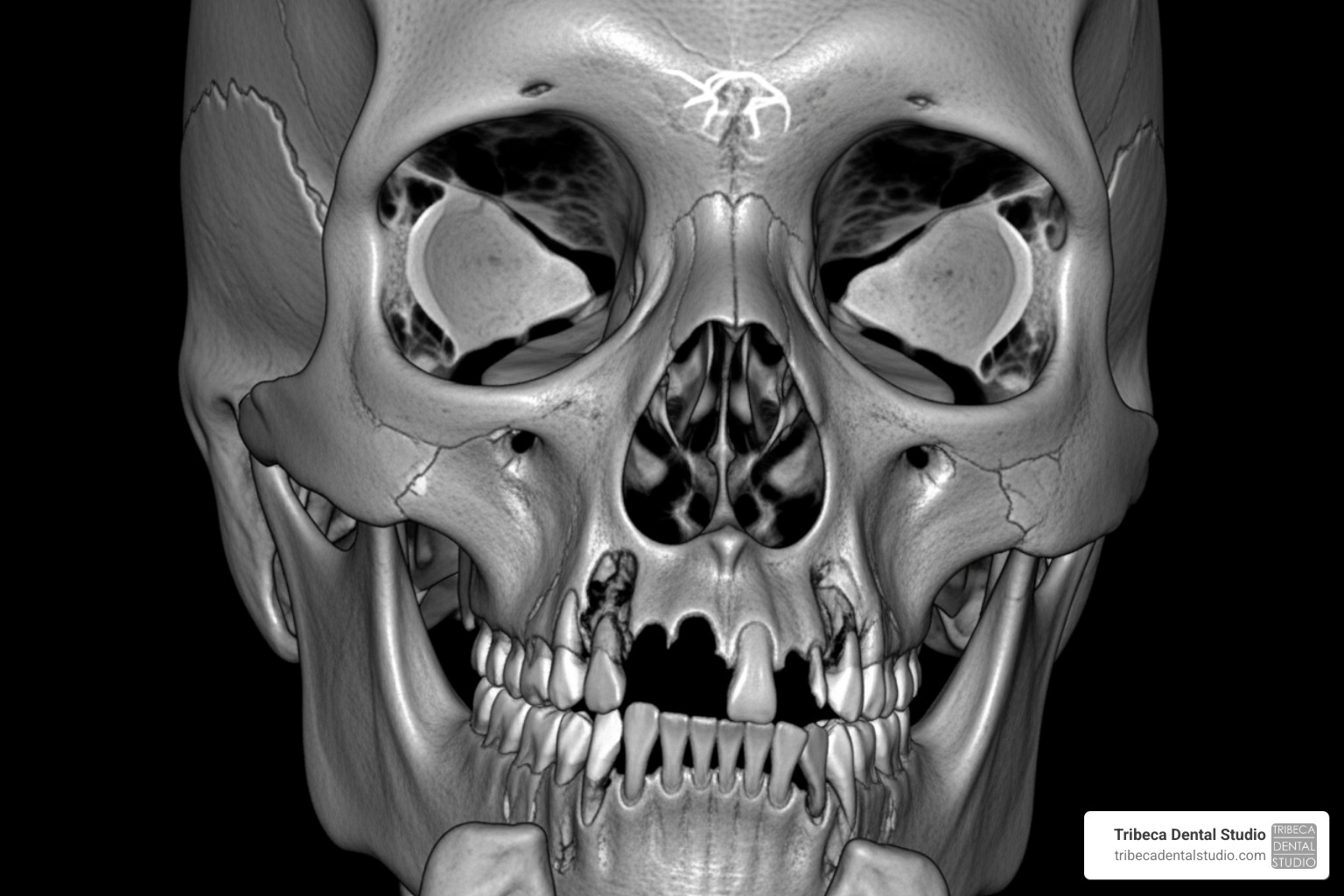
The ideal candidates for zygomatic and pterygoid implants are typically those facing severe maxillary atrophy, meaning significant bone loss in the upper jaw. This often includes:
- Long-term denture wearers: Years of wearing dentures can accelerate bone resorption, leaving insufficient bone for conventional implants.
- Patients with failed bone grafts: Sometimes, previous bone grafting attempts haven’t yielded the desired results, or the patient wants to avoid further grafting.
- Individuals with failed traditional implants: In some cases, previous implants may have failed due to bone loss, making these advanced options a rescue solution.
- Maxillary resection patients: Those who have undergone surgery to remove part of their upper jaw due to trauma, tumors, or congenital defects can find stable solutions with these implants.
- Patients with enlarged maxillary sinuses: When the sinus cavity has expanded significantly into the bone, traditional implants become impossible without extensive sinus lifts. Zygomatic and pterygoid implants neatly bypass this issue.
In some of the most challenging cases, especially when the entire upper jaw needs rehabilitation, we might employ the Quad Zygoma technique. This involves placing two zygomatic implants on each side of the upper jaw (a total of four zygomatic implants) to provide maximum stability for a full-arch prosthesis. This approach is a powerful alternative when conventional implants cannot be placed in the posterior and anterior maxillary regions, and grafting is not feasible or preferred by patients. We are experts in Dental Implants for Severe Bone Loss in Tribeca: Zygomatic Bone Grafting Solutions, offering hope where there once seemed none.
The Importance of Avoiding Bone Grafts and Sinus Lifts
For patients with severe maxillary bone loss, the traditional path to dental implants often involves extensive bone grafting or sinus lift procedures. While effective, these procedures come with several drawbacks:
- Increased morbidity: Bone grafting can involve harvesting bone from other parts of your body (like your hip or shin), leading to additional surgical sites, pain, and recovery. Even synthetic grafts carry risks.
- Multiple surgeries: Often, bone grafts require a separate surgical procedure before implant placement, adding to the patient’s discomfort and time commitment.
- Extended healing times: After a bone graft, it can take anywhere from 6 to 12 months for the new bone to fully integrate and become strong enough to support implants. This significantly prolongs the overall treatment timeline.
The beauty of zygomatic and pterygoid implants is their ability to provide a “graftless” solution. By anchoring into dense, pre-existing bone, we can often avoid the need for these additional surgeries, reducing surgical morbidity and dramatically shortening the overall treatment timeline. This often allows for immediate function, meaning you can walk out of our Tribeca office with a temporary set of teeth on the same day as your implant placement. This benefit cannot be overstated – it means you can enjoy a functional and aesthetic smile much sooner. For more on alternatives, check out our Sinus Lift Dental Implants NYC Guide.
The Surgical Journey and Success of Zygomatic and Pterygoid Implants
Undergoing any surgical procedure can feel daunting, but we want to assure you that your safety and comfort are our top priorities at Tribeca Dental Studio. The placement of zygomatic and pterygoid implants is an advanced surgical procedure, performed by highly skilled and experienced oral surgeons. The overall process is designed to be as efficient and comfortable as possible, often leading to immediate loading of a temporary prosthesis and a significantly shorter journey to your new smile compared to graft-dependent approaches. Rest assured, Is Dental Implant Safe? Guide provides further detail on safety.
The Surgical Procedure Explained
The surgical placement of zygomatic and pterygoid implants is a specialized process, carefully planned and executed:
- Anesthesia: To ensure your comfort, we typically use IV sedation or general anesthesia. This allows you to relax throughout the procedure, often having little to no memory of it afterwards.
- Incision and Bone Exposure: A small incision is made in the gum tissue to gently expose the underlying bone structures where the implants will be placed.
- Precise, Angled Drilling: Using the detailed 3D imaging from your planning phase, the surgeon carefully drills a channel. For zygomatic implants, this channel extends into the zygoma (cheekbone). For pterygoid implants, it’s directed at a specific angle (around 45 degrees) into the pterygoid process of the sphenoid bone. Precision is paramount to avoid vital structures.
- Implant Insertion: The long titanium implants are then carefully inserted into these prepared channels. The goal is to achieve excellent primary stability – meaning the implants are firmly seated in the dense bone from day one.
- Suturing: Once the implants are securely in place, the gum tissue is carefully sutured over or around them.
- Attaching a Temporary Prosthesis: In many cases, thanks to the immediate stability achieved, we can attach a temporary full-arch prosthesis on the very same day. This means you can leave our office with a functional and aesthetic smile, often referred to as “teeth in a day.” This is a significant advantage, eliminating the need for uncomfortable temporary dentures during the healing phase. Find out more about Immediate Dental Implants NYC.
Recovery and Long-Term Maintenance
Your journey doesn’t end after the implants are placed. The recovery period is crucial for successful integration and long-term health.
Initial Healing: For the first few days, you can expect some swelling, bruising, and mild discomfort, which can be managed with prescribed pain medication. We’ll provide you with detailed instructions to minimize these effects.
Dietary Recommendations: We typically recommend a soft diet initially, gradually transitioning to more solid foods as you heal. This protects the implants during their initial integration phase.
Oral Hygiene: Maintaining excellent oral hygiene is vital. We’ll guide you on gentle cleaning techniques around the surgical sites and how to care for your temporary prosthesis.
Follow-up Appointments: Regular follow-up appointments are scheduled to monitor your healing progress and ensure the implants are integrating well with your bone (osseointegration). This fusion process typically takes several months. Once fully integrated, your custom-designed final prosthesis will be placed, providing a durable and beautiful smile. For a detailed guide, refer to our Dental Implant Post-Care Complete Guide.
Success Rates and Potential Risks
The good news is that zygomatic and pterygoid implants boast impressive success rates, comparable to or even exceeding traditional implants in suitable cases. Studies show a high success rate, with some reports indicating that both pterygoid and zygomatic dental implants have a 99% success rate in helping patients with severe bone loss. The mean zygomatic implant survival rate is reported to be as high as 96.2% over a mean follow-up of 6.3 years, with many studies reporting good survival rates for immediate loading protocols as well. This remarkable longevity means that with proper care, your new smile can last 20 years or even longer.
While highly successful, it’s important to be aware of potential risks and complications, as with any surgical procedure. The most commonly reported biological complication is sinusitis, with a prevalence around 14.2%. However, it’s often successfully treated with antibiotics or minor surgical intervention, usually without long-term consequences for the implant. Other potential, though less common, risks include:
- Nerve Paresthesia: Temporary numbness or tingling in the facial area.
- Oro-antral Communications: A connection between the mouth and sinus, which can be managed.
- Prosthetic Complications: Issues with the restoration itself, such as chipping, loosening, or fracture, which are typically repairable.
Our team at Tribeca Dental Studio is highly experienced in these advanced procedures, carefully planning each case to minimize risks and ensure the best possible outcome. We stay up-to-date with the latest research, including findings from the ITI consensus report on zygomatic implants, to provide you with the safest and most effective care.
Comparing Advanced Solutions: All-on-4 vs. Zygomatic & Pterygoid
When it comes to full-arch rehabilitation, patients often hear about various advanced techniques. Two prominent options are All-on-4 dental implants and the zygomatic and pterygoid implants we’ve been discussing. While both aim to restore a full set of teeth, they serve different patient needs based on bone volume.
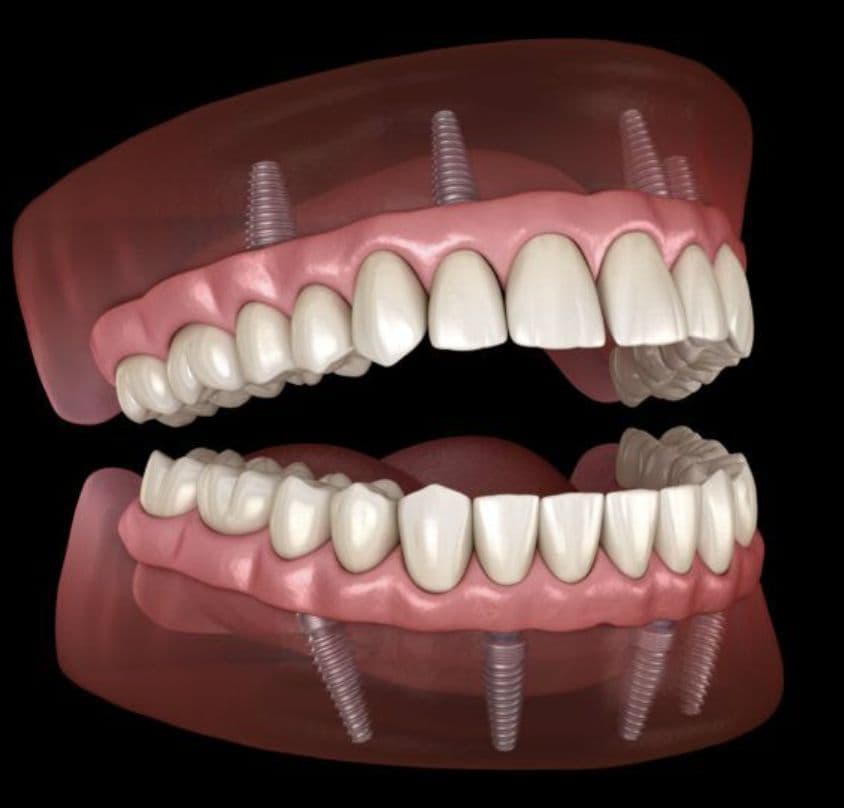
The All-on-4 technique is a fantastic solution for many patients, using four strategically placed implants to support a full arch of teeth. It’s often a life-changing solution, as detailed in our guide to All-on-4 Dental Implants: The Life-Changing Solution to Missing Teeth. However, All-on-4 still requires a certain amount of healthy bone in the anterior (front) part of the jaw.
So, when All-on-4 isn’t enough, particularly for patients with severe bone loss in the posterior maxilla or enlarged sinuses, zygomatic and pterygoid implants become the logical next step in the treatment hierarchy. They are often considered a “step-up” solution for those who are not candidates for conventional All-on-4 due to insufficient bone. For example, individuals with naturally large maxillary sinuses who were turned down for All-on-4 can often find a viable solution with zygomatic and pterygoid implants instead. This means we can provide a fixed, permanent solution even in the most challenging cases, offering hope and a new smile to patients who might have thought they had no options left. To explore more about this, check out our Best Dental Implants NYC 2025: Zygomatic vs. All-on-6 Guide.
Prosthetics, Cost, and Overall Value
Investing in your smile and oral health is a significant decision. When considering zygomatic and pterygoid implants, it’s natural to think about the final restoration, the aesthetic outcome, the financial commitment, and the overall long-term value. Our goal at Tribeca Dental Studio is to ensure you have all the information to make the best choice for your unique situation. For a general understanding of costs, refer to our Dental Implants Cost Guide.
Prosthetic Options for Your New Smile
With zygomatic and pterygoid implants, the possibilities for your new smile are truly exciting. Once the implants have successfully integrated with your bone, we’ll proceed with crafting your final prosthesis. This is where your vision for a beautiful, functional smile comes to life.
Common prosthetic options include:
- Full-Arch Fixed Bridges: These are permanent, non-removable prostheses that are securely attached to your implants. They are custom-designed to mimic the appearance and feel of natural teeth.
- Screw-Retained Prostheses: These prostheses are secured to the implants with screws, allowing for easy removal by your dentist for cleaning or maintenance if ever needed, but they remain fixed for daily use.
- Material Choices: We offer various high-quality materials such as durable zirconia or acrylic, chosen based on your specific needs, aesthetic goals, and budget. All prostheses are custom-designed to ensure a natural appearance and optimal function, allowing you to eat, speak, and smile with renewed confidence.
Our team works closely with you to design a smile that not only looks fantastic but also provides the comfort and functionality you deserve.
The Cost-Effectiveness of a Graftless Solution
It’s true that advanced procedures like zygomatic and pterygoid implants represent a significant investment. However, when evaluating the cost, it’s crucial to consider the long-term cost-effectiveness and overall value, especially when compared to alternative, graft-dependent solutions.
- Fewer Surgical Procedures: By avoiding extensive bone grafting and sinus lifts, you eliminate the costs associated with those additional surgeries, including surgeon fees, anesthesia, and facility charges.
- Shorter Overall Treatment Time: Less time spent in treatment means less time away from work or daily activities, and a faster return to a fully functional smile. Time is money, after all!
- Value of Immediate Function: The ability to receive a temporary prosthesis on the same day can dramatically improve your quality of life immediately, allowing you to eat and socialize without the embarrassment or discomfort of missing teeth or ill-fitting dentures.
- Durability vs. Removable Dentures: While dentures might seem less expensive upfront, their ongoing costs (adhesives, relines, replacements) and their impact on your quality of life can add up. Implants, with their exceptional durability and longevity, often prove to be a more cost-effective solution in the long run.
The value of zygomatic and pterygoid implants extends beyond monetary cost. It encompasses the restoration of your oral health, confidence, comfort, and the ability to enjoy life to its fullest—priceless benefits that make this advanced solution a truly worthwhile investment.
Conclusion: A Permanent Smile is Within Reach
For patients facing severe upper jaw bone loss, the journey to a complete and confident smile can often feel overwhelming. However, with the advent of advanced techniques like zygomatic and pterygoid implants, we’re able to offer hope and a permanent solution where traditional methods fall short.
These innovative graftless solutions leverage the dense, stable bones of your cheekbone and the back of your upper jaw, bypassing the need for extensive and time-consuming bone grafts or sinus lifts. This not only significantly reduces your treatment timeline but also allows for the possibility of immediate function, meaning you can often walk out of our Tribeca office with a temporary set of teeth on the very same day. With high success rates ranging from 96-99% and the potential for decades of longevity, zygomatic and pterygoid implants represent a reliable and transformative investment in your oral health and quality of life.
Here at Tribeca Dental Studio, led by Dr. Nina Izhaky, we specialize in these complex cases. Our personalized approach, state-of-the-art technology, and deep expertise ensure that you receive the highest standard of care, treating you like family every step of the way. If you’ve been told you don’t have enough bone for traditional implants, or if you’re struggling with ill-fitting dentures, we encourage you to explore these advanced options. A permanent, beautiful, and functional smile is not just a dream; it’s within your reach.
Ready to find out if these advanced solutions are right for you? Find out if Zygomatic Implants are right for you by contacting us today for a comprehensive consultation. We’re here to answer all your questions and guide you towards your new smile.