What's In Your Mouth? A Look at Common Cavity Filling Materials
March 11, 2026
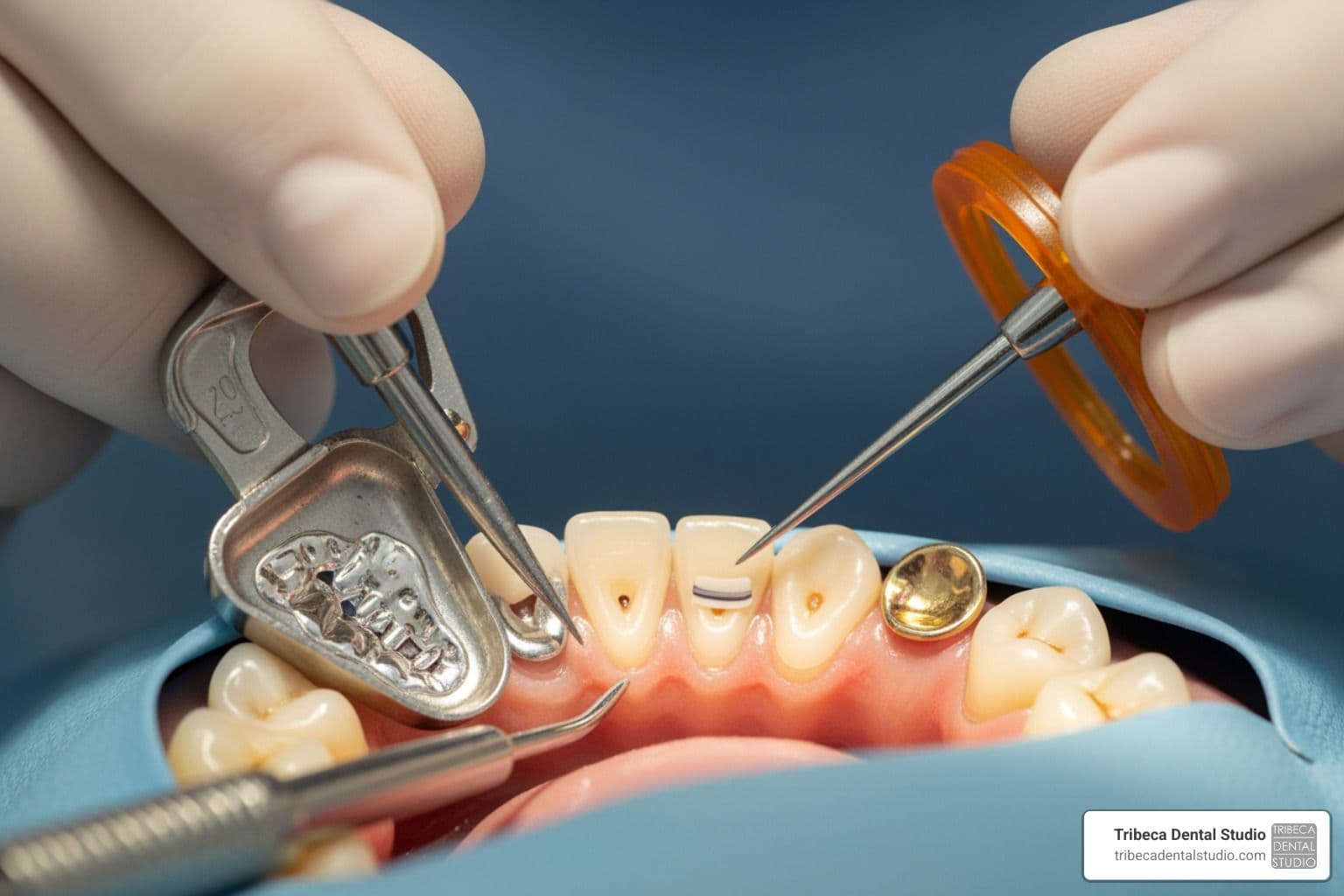
Understanding Your Options for Cavity Treatment
If you’re dealing with a cavity, understanding the 4 types of fillings available can help you make an informed decision about your dental care. Here are the main options your dentist may recommend:
- Silver Amalgam – A durable metal mixture that lasts 10-15+ years, ideal for back teeth
- Composite Resin – Tooth-colored material that blends naturally, lasting 5-10 years
- Cast Gold – Premium option with exceptional durability of 15-30 years
- Ceramic/Porcelain – Stain-resistant aesthetic choice lasting 10-15+ years
According to the US Surgeon General’s 2000 report, approximately 78% of patients experience at least one cavity by age 17. Even more striking, research shows that 90% of adults over age 20 have dealt with tooth decay at some point. That’s why dental fillings remain one of the most common restorative procedures in dentistry today.
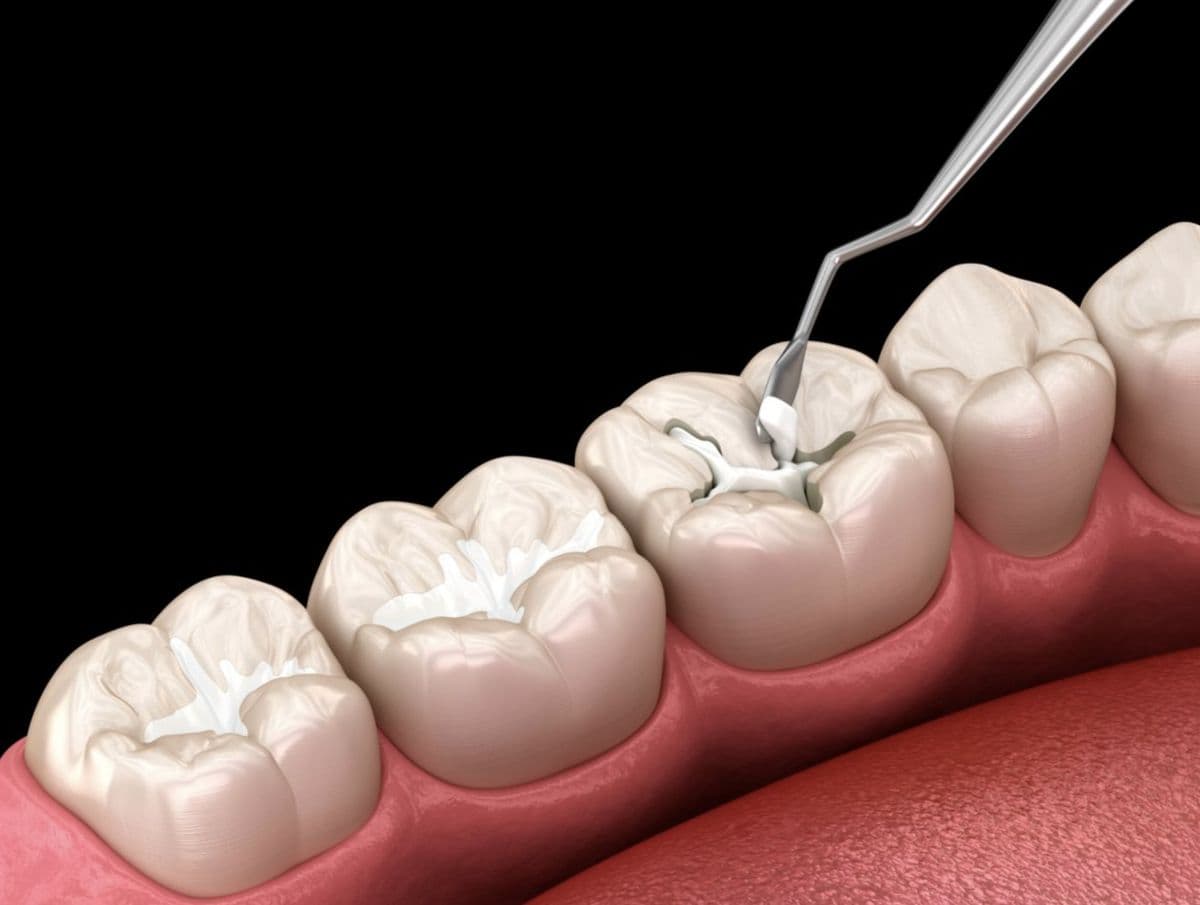
When you have a cavity, your dentist removes the decayed portion of your tooth and fills the space with one of these materials. Each type has different strengths, costs, and aesthetic qualities. Some last decades, while others need replacement sooner. Some blend seamlessly with your natural teeth, while others are more visible but incredibly durable.
The right choice depends on several factors: where the cavity is located, how much you’re willing to invest, whether you have metal allergies, and your personal preferences about appearance. There’s no single “best” option for everyone—just the best option for you.
I’m Dr. Nina Izhaky, and I’ve spent years helping patients at Tribeca Dental Studio steer the 4 types of fillings to find solutions that match their unique needs and goals. My mercury-free, all-digital practice focuses on personalized care that prioritizes both your health and your smile.
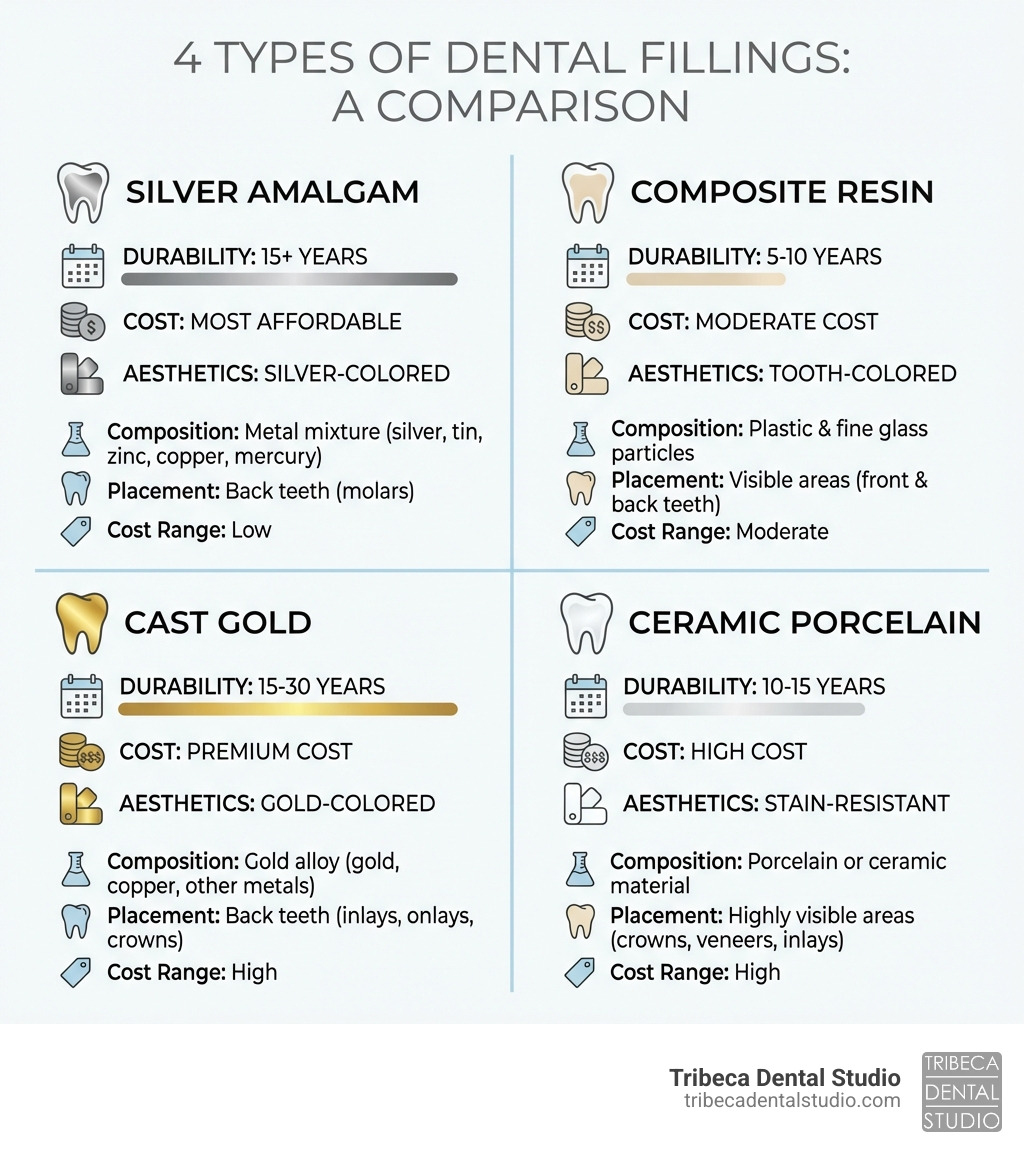
Simple guide to 4 types of fillings:
The 4 Types of Fillings for Cavity Restoration
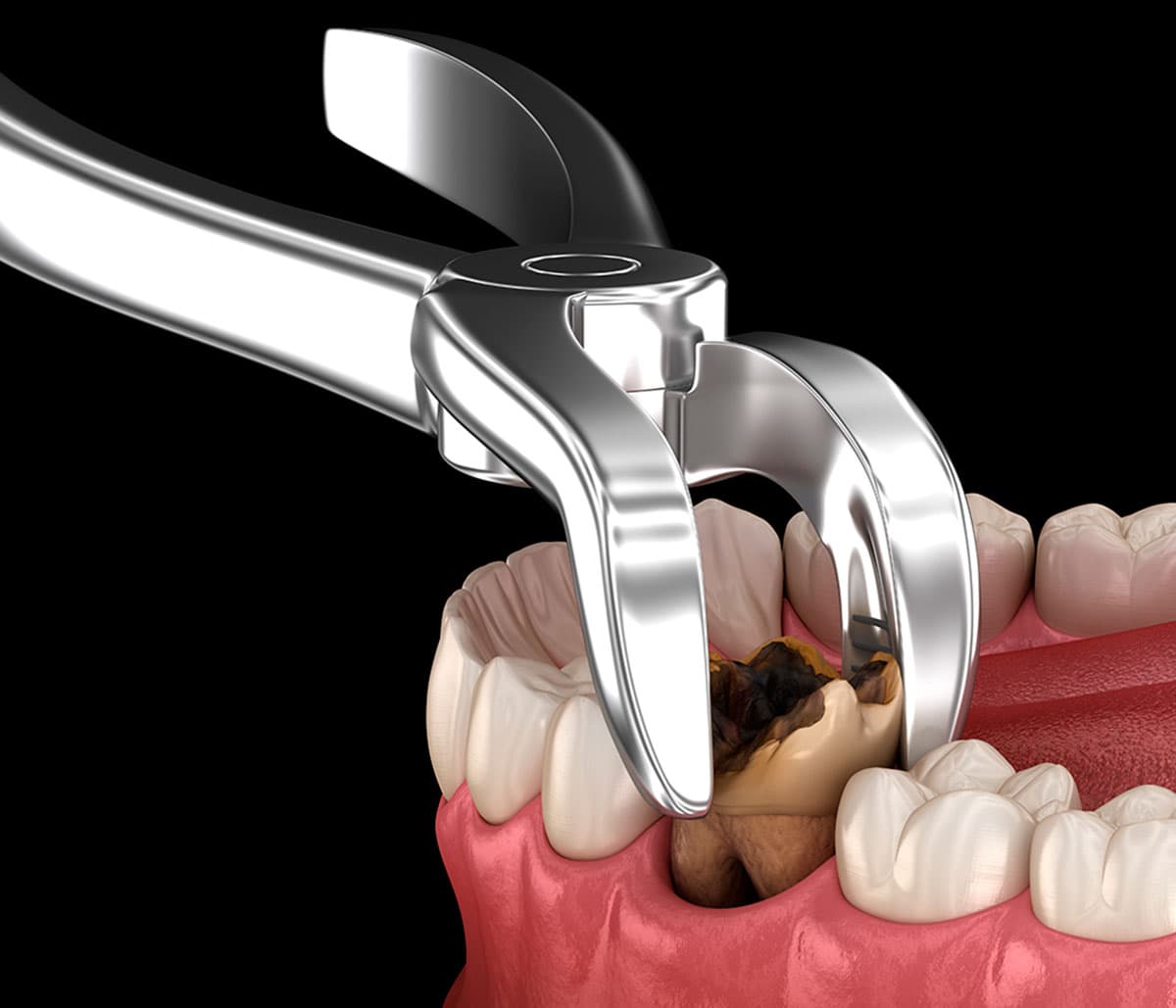
When we talk about restorative dentistry, we are essentially discussing how to fix a tooth that has been compromised by decay or physical damage. A tooth is a complex structure; once the outer protective layer, the enamel, is breached by acid-producing bacteria, the decay can spread into the softer dentin underneath. If left untreated, this “hole” or cavity will grow, eventually reaching the pulp and requiring more intensive treatments like root canals.
Dental filling options are designed to halt this process. By removing the decayed tissue and sealing the area, we protect the tooth’s integrity and restore its function. While there are several materials used in modern dentistry, they generally fall into the 4 types of fillings we will explore below.
Silver Amalgam: One of the Traditional 4 Types of Fillings
Amalgam fillings have been a staple in dentistry for over 150 years. You likely know them as “silver fillings” because of their metallic appearance. Despite the name, they aren’t just silver; they are a mixture of several metals, including liquid mercury (which acts as a binder), silver alloy, tin, and copper.
The primary advantage of silver amalgam is its sheer toughness. It can withstand the heavy grinding and chewing forces of your back molars better than almost any other material. Because it is a “direct” filling—meaning it is placed and shaped right in your mouth in one visit—it is also very cost-effective.
- Longevity: Typically lasts 10 to 15 years, though many last much longer.
- Safety: While the presence of mercury often raises eyebrows, the FDA safety information on dental amalgam confirms that it is safe for adults and children over age six. However, at Tribeca Dental Studio, we often prioritize mercury-free alternatives to align with modern patient preferences.
- Best For: Back teeth (molars) where aesthetics matter less than durability.
Composite Resin: Aesthetic Choice Among the 4 Types of Fillings
If you want a restoration that no one will ever notice, composite resin is your “superstar” material. These are often called “white” or “tooth-colored” fillings. They are made from a mixture of plastic resin and fine glass particles.
Unlike amalgam, which is held in place by the shape of the cavity, composite resin actually forms a chemical bond with your tooth structure. This means we often don’t have to remove as much healthy tooth to secure the filling. We apply the material in layers and use a specialized UV light to cure (harden) each layer instantly.
At our practice, we specialize in natural-looking restorations in NYC, ensuring that your dental work is virtually invisible. Whether you need to fix a cavity on a front tooth or want a metal-free molar restoration, tooth-colored fillings offer a versatile and beautiful solution.
- Longevity: Usually 5 to 7 years, though with excellent care, they can last longer.
- Aesthetics: Perfectly matched to your natural tooth shade.
- Best For: Front teeth, small-to-mid-sized cavities, and patients with metal allergies.
Cast Gold Fillings
Gold has been used in dentistry for over 1,000 years, and for good reason. It is incredibly biocompatible, meaning your gum tissue usually responds very well to it. Gold fillings (often called inlays or onlays) are not placed like “putty” in the tooth. Instead, they are custom-crafted in a laboratory based on a precise impression of your tooth.
The ADA research on gold inlays highlights their best durability. While they are the most expensive of the 4 types of fillings, many patients view them as a “one-and-done” investment.
- Longevity: Often lasts 20 to 30 years.
- Procedure: Requires at least two visits because it is an indirect restoration.
- Best For: Patients who want the longest-lasting material possible and don’t mind the metallic gold color.
Ceramic and Porcelain Fillings
Ceramic fillings, usually made of high-grade porcelain, offer a middle ground between the beauty of composite and the strength of gold. Like gold, these are indirect restorations—often dental inlays and onlays—that are bonded to the tooth.
Porcelain is highly resistant to staining (unlike composite resin, which can pick up coffee or tea stains over time) and is very abrasive-resistant. Modern technology, such as CEREC (Chairside Economical Restoration of Esthetic Ceramics), even allows some dental offices to mill these fillings right in the office, potentially turning a two-visit process into a single-day appointment.
- Longevity: Typically 10 to 15 years.
- Aesthetics: Excellent translucency that mimics natural enamel.
- Best For: Large cavities where aesthetics are a priority but the tooth needs more reinforcement than a standard composite can provide.
Comparing Durability, Aesthetics, and Average Costs
Choosing between the 4 types of fillings often comes down to balancing your budget with your long-term goals. To help you visualize the differences, we’ve compiled the data on average costs and lifespans.
| Filling Type | Material | Durability (Years) | Average Cost Range |
|---|---|---|---|
| Silver Amalgam | Mercury, Silver, Tin, Copper | 10–15+ | $110 – $260 |
| Composite Resin | Plastic Resin & Glass | 5–10 | $175 – $440 |
| Ceramic/Porcelain | Porcelain | 10–15+ | $750 – $1,800 |
| Cast Gold | Gold Alloy | 15–30+ | $360 – $820+ |
Note: Costs vary significantly based on the size of the cavity and the specific tooth involved. For a more detailed breakdown, see our guide to cavity filling costs.
The Synchrony procedural cost study notes that while amalgam is the most affordable upfront, the long-term value of gold or ceramic can be higher due to fewer replacements. When considering the investment, dental insurance often covers a significant portion of “standard” fillings (amalgam and composite) but may provide less coverage for “premium” indirect restorations like gold or ceramic.
The Dental Filling Procedure: What to Expect
Many patients feel a bit of “dentist anxiety” when they hear they need a filling, but the process is actually quite straightforward and, thanks to modern techniques, very comfortable. Here is how we typically handle a restoration at Tribeca Dental Studio:
- Numbing: We start by applying a local anesthetic to the area around the tooth. Our painless dental filling techniques ensure you won’t feel a thing during the treatment.
- Decay Removal: Once you are fully numb, we use a dental drill, air abrasion, or a laser to remove the decayed part of the tooth.
- Cleaning and Preparation: We thoroughly clean the cavity to remove bacteria and debris. If the decay was near the tooth’s root, we might apply a liner made of glass ionomer or composite resin to protect the nerve.
- Material Placement:
- For Composite, we etch the tooth to open up microscopic pores, apply a bonding agent, and then place the resin in layers, curing each with a UV light.
- For Amalgam, the metal mixture is packed into the cavity and shaped before it hardens.
- Shaping and Polishing: We shape the material to match the natural contours of your tooth.
- Bite Adjustment: We’ll ask you to bite down on a piece of carbon paper to make sure the filling isn’t “high.” If it is, we’ll trim it down until your bite feels perfect.
According to Cleveland Clinic filling procedure details, the entire process usually takes between 20 and 60 minutes depending on the complexity of the cavity.
Choosing the Best Material for Your Smile
How do we decide which of the 4 types of fillings is right for you? It’s a collaborative process. During your consultation, we consider:
- Location of the Decay: For a front tooth, we almost always recommend composite resin for its beauty. For a back molar that does the “heavy lifting” during meals, we might discuss the durability of amalgam or the strength of a ceramic onlay.
- Chewing Pressure: If you are a “heavy chewer” or have a habit of grinding your teeth (bruxism), you need a material that won’t crack under pressure.
- Cosmetic Goals: Some patients want a completely “white” smile, while others are fine with silver in the back if it means a lower price tag.
- Pediatric Needs: For our younger patients, we focus on speed and ease. Pediatric restorative dentistry often uses composite because it hardens instantly, allowing kids to eat right after the appointment.
- Allergies: If you have a known sensitivity to metals like copper or tin, we will steer clear of amalgam and gold in favor of biocompatible resins or ceramics.
For more information on budgeting for these choices, you can review our composite filling cost guide.
Frequently Asked Questions About Dental Fillings
Are silver amalgam fillings safe regarding mercury?
This is one of the most common questions we hear in Tribeca. Silver amalgam contains about 50% elemental mercury, which is used to bind the other metals together. While mercury is a known toxin in high doses, the mercury in fillings is part of a stable alloy.
The CDC cavity and amalgam facts and the ADA both state that the low levels of mercury vapor released during chewing are not harmful to most people. However, the FDA does recommend that certain “high-risk” groups—such as pregnant women, women planning to become pregnant, nursing mothers, and people with neurological conditions—consider mercury-free options like composite or ceramic. At our practice, we are happy to discuss these alternatives to ensure you feel 100% comfortable with your care.
How long do different types of fillings typically last?
No filling lasts forever, but their lifespans vary wildly:
- Amalgam: 10–15 years.
- Composite: 5–10 years (it tends to wear down faster under heavy chewing).
- Gold: 15–30 years.
- Ceramic: 10–15 years.
If a filling is very large and the remaining tooth structure is weak, we may eventually need to discuss when to consider a dental crown after a filling. A crown acts like a “cap” that covers the entire tooth, providing much more protection than a filling can.
How can I make my dental fillings last longer?
The best way to protect your investment is through a “defense-first” approach to oral health:
- Brush and Floss Daily: Fillings can’t get cavities, but the tooth around the filling can. This is called “recurrent decay.”
- Use Fluoride Toothpaste: Fluoride helps remineralize your enamel and keep it strong.
- Watch Your Diet: Sticky, sugary foods can pull on fillings or provide fuel for the bacteria that cause new cavities.
- Wear a Mouthguard: If you grind your teeth at night, the pressure can cause even the strongest gold or ceramic filling to crack or dislodge.
- Regular Checkups: We use X-rays and specialized tools to check the margins of your fillings. Catching a tiny leak early can save you from needing a much larger restoration later.
Conclusion
At Tribeca Dental Studio, we believe that restorative dentistry should be as painless and personalized as possible. Whether you are interested in the time-tested durability of traditional materials or the seamless beauty of modern ceramics, Dr. Nina Izhaky and our team are here to guide you through the 4 types of fillings to find the perfect fit for your lifestyle and budget.
We treat our patients like family, right here in the heart of NYC. If you suspect you have a cavity or have an old filling that feels “off,” don’t wait for the pain to start. Schedule your dental filling consultation in NYC today and let us help you keep your smile healthy, functional, and beautiful for years to come.