Your Timeline for Zygomatic Implant Healing
June 19, 2026
What to Expect: Zygomatic Implants Recovery Time at a Glance
Zygomatic implants recovery time follows a clear, phased timeline — and most patients are pleasantly surprised by how manageable it is.
Here is a quick overview:
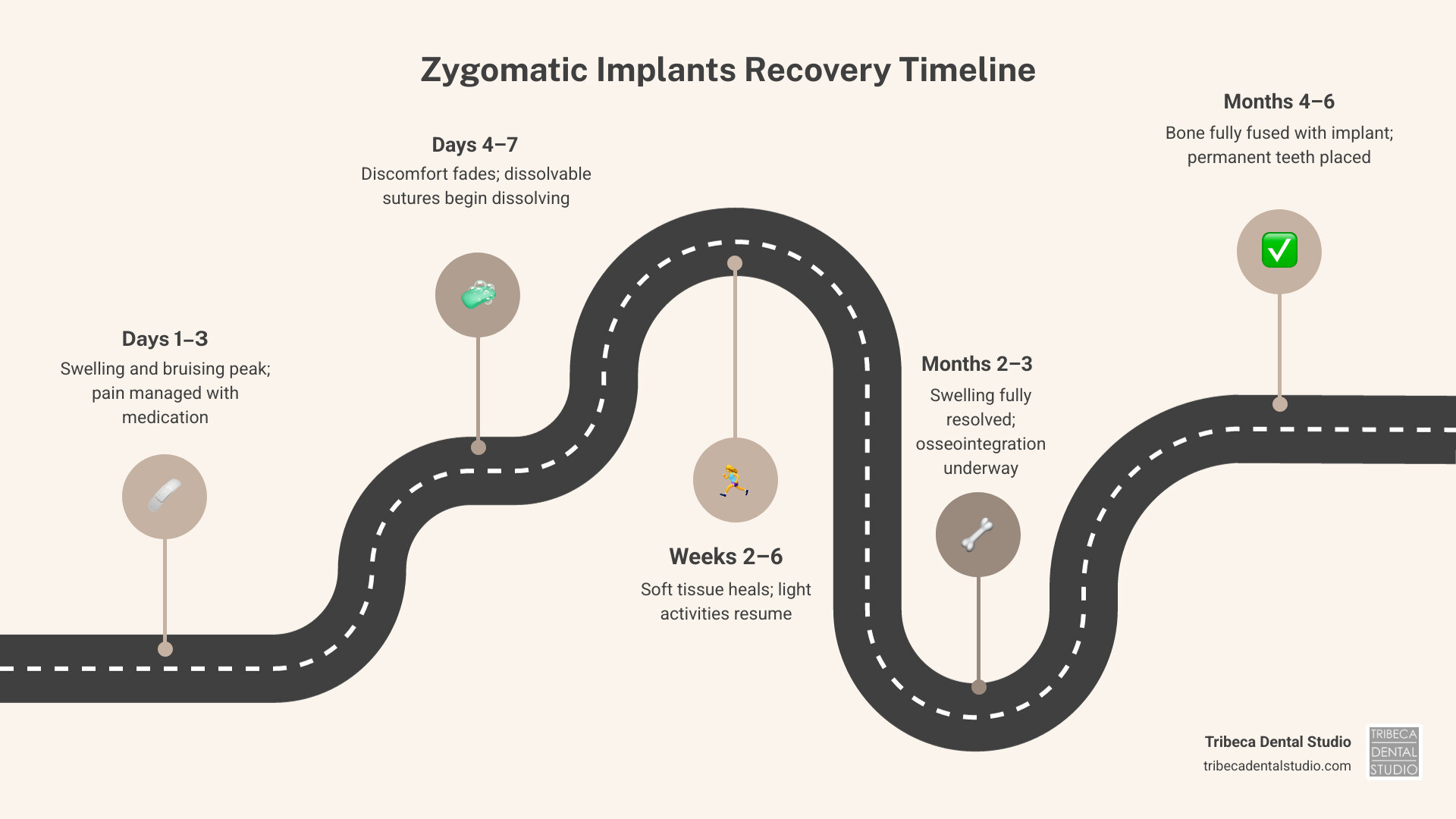
| Phase | Timeframe | What Happens |
|---|---|---|
| Immediate recovery | Days 1–3 | Swelling and bruising peak; pain managed with medication |
| Early healing | Days 4–7 | Discomfort fades; dissolvable sutures begin dissolving |
| Short-term stabilization | Weeks 2–6 | Soft tissue heals; light activities resume |
| Advanced healing | Months 2–3 | Swelling fully resolved; osseointegration underway |
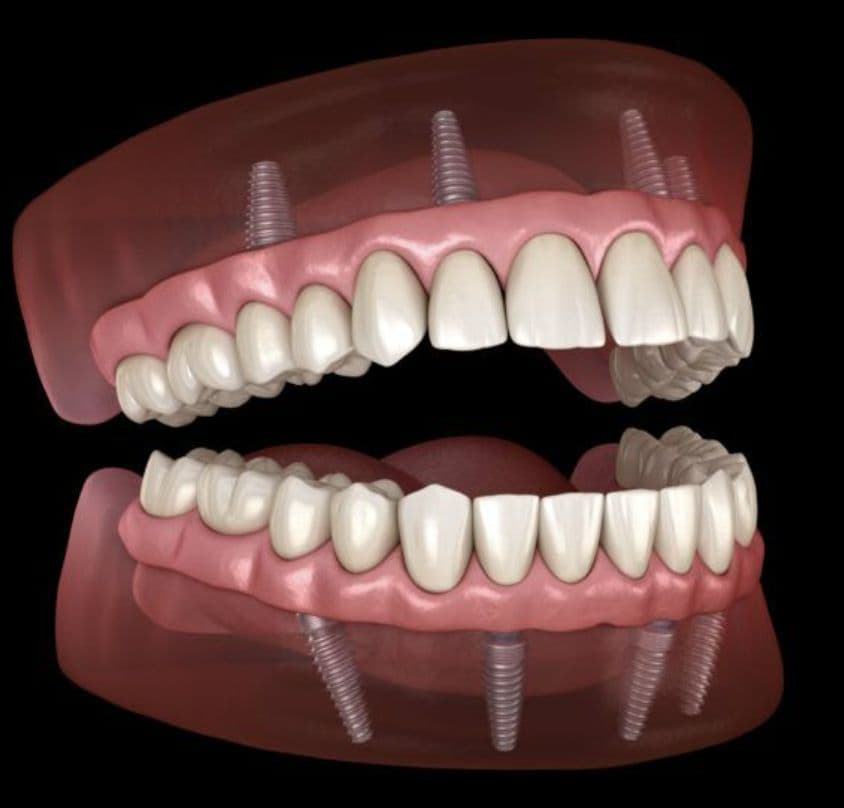
| Full integration | Months 4–6 | Bone fully fused with implant; permanent teeth placed |
Most patients return to normal daily routines within two to three weeks. Full osseointegration — the process where the implant bonds with bone — is typically complete between months four and six.
Recovering from zygomatic implant surgery is a journey, and knowing what to expect at each stage makes a real difference. Unlike traditional implants, zygomatic implants anchor into the cheekbone rather than the jawbone, which means patients with severe upper jaw bone loss can skip lengthy bone grafting procedures entirely — and often enjoy a faster overall treatment timeline as a result.
This guide walks you through every phase of recovery, from the first hours after surgery to the day your permanent teeth are placed.
I’m Dr. Nina Izhaky, a graduate of New York University College of Dentistry and founder of Tribeca Dental Studio, where I specialize in advanced restorative procedures and have guided many patients through zygomatic implants recovery time with personalized, compassionate care. With a full team of on-site specialists and the latest digital technology, I’m here to make sure you feel informed and supported at every step of the process.
Key zygomatic implants recovery time vocabulary:
Understanding Zygomatic Implants vs. Traditional Methods
When we talk about the zygomatic implants recovery time, we first have to understand why these implants are different. Traditional dental implants rely on the alveolar bone—the part of your jaw that holds your teeth. However, for many of our neighbors here in Manhattan who have suffered from severe maxillary atrophy (bone loss in the upper jaw), that bone simply isn’t dense or thick enough to hold an implant.
In the past, the only solution was extensive bone grafting, which could add six months to a year to the total treatment time. Zygomatic implants change the game by anchoring directly into the zygoma bone, or the cheekbone. The cheekbone is one of the strongest, densest bones in your face and, crucially, it does not resorb like jawbone does.
According to the ITI consensus report on zygomatic implants, these implants have a long-term survival rate of approximately 96.2%. Because we bypass the need for grafting, the “time to teeth” is significantly reduced. In fact, many of our patients qualify for “immediate loading,” meaning we can attach a temporary set of teeth the very next day.
| Feature | Traditional Implants + Grafting | Zygomatic Implants |
|---|---|---|
| Anchor Point | Jawbone (Alveolar) | Cheekbone (Zygoma) |
| Bone Grafting | Often required (6–12 months healing) | Rarely required |
| Total Treatment Time | 12–18 months | 4–6 months |
| Success Rate | High, but depends on graft health | 96.2% mean survival |
| Primary Stability | Relies on jawbone density | High stability in dense cheekbone |
If you are exploring these options, you might also be interested in our Zygomatic vs Pterygoid: Unpacking Advanced Dental Implant Options guide to see which advanced method is right for your anatomy.
The Phased Zygomatic Implants Recovery Time
Recovery isn’t just one long blur of healing; it happens in distinct stages. Because we are working with the cheekbone, the “surgical trauma” is localized differently than with standard implants. While the surgery itself is performed under general anesthesia or IV sedation to ensure you are comfortable, the days following require a bit of patience and TLC.
At Tribeca Dental Studio, we focus on achieving “primary stability”—making sure the implant is locked tight into the bone from day one. This stability is what allows the healing phases to progress smoothly. If you’re curious about how we handle these complex cases in our New York City office, check out our Dental Implants in New York page.
Phase 1: The First Week of Zygomatic Implants Recovery Time
The first 72 hours are the most “eventful” part of your zygomatic implants recovery time.
- Days 1–3: Swelling and bruising are normal and to be expected. Interestingly, swelling often peaks on Day 3 before it starts to subside. You may notice bruising around the cheeks or even under the eyes—this is a normal part of how the facial tissues respond to surgery in the zygomatic area.
- Pain Management: We will provide a specific medication schedule. Many patients find success alternating ibuprofen with prescribed pain relievers. The goal is to stay ahead of the discomfort rather than chasing it.
- Sutures: Most of the stitches we use are dissolvable and will disappear on their own within about 10 days.
- Nose and Sinuses: Because the implants are near the sinus cavities, you must follow “sinus precautions” (more on that below).
For a deep dive into the specifics of the first 48 hours, our Dental Implant Post Care Complete Guide is an excellent resource.
Phase 2: Weeks 2 to 6 and Short-Term Stabilization
By the second week, the “puffy” look has usually faded, and you’ll start feeling much more like yourself. During this phase, the soft tissue (your gums) is doing the bulk of its visible healing.
- Resuming Activities: Most patients can return to work within 5 to 7 days. However, we recommend avoiding strenuous exercise or heavy lifting for at least the first two weeks to prevent any spikes in blood pressure that could cause bleeding at the site.
- Provisional Prosthesis: If we provided you with immediate temporary teeth, these are “provisional.” They look and feel great, but they are not yet ready for a steak dinner. They are designed to keep you smiling while the bone heals underneath.
In cases of severe bone loss in Tribeca, this stabilization period is critical for ensuring the implants remain undisturbed during the early stages of bonding.
Phase 3: Months 3 to 6 and Final Osseointegration
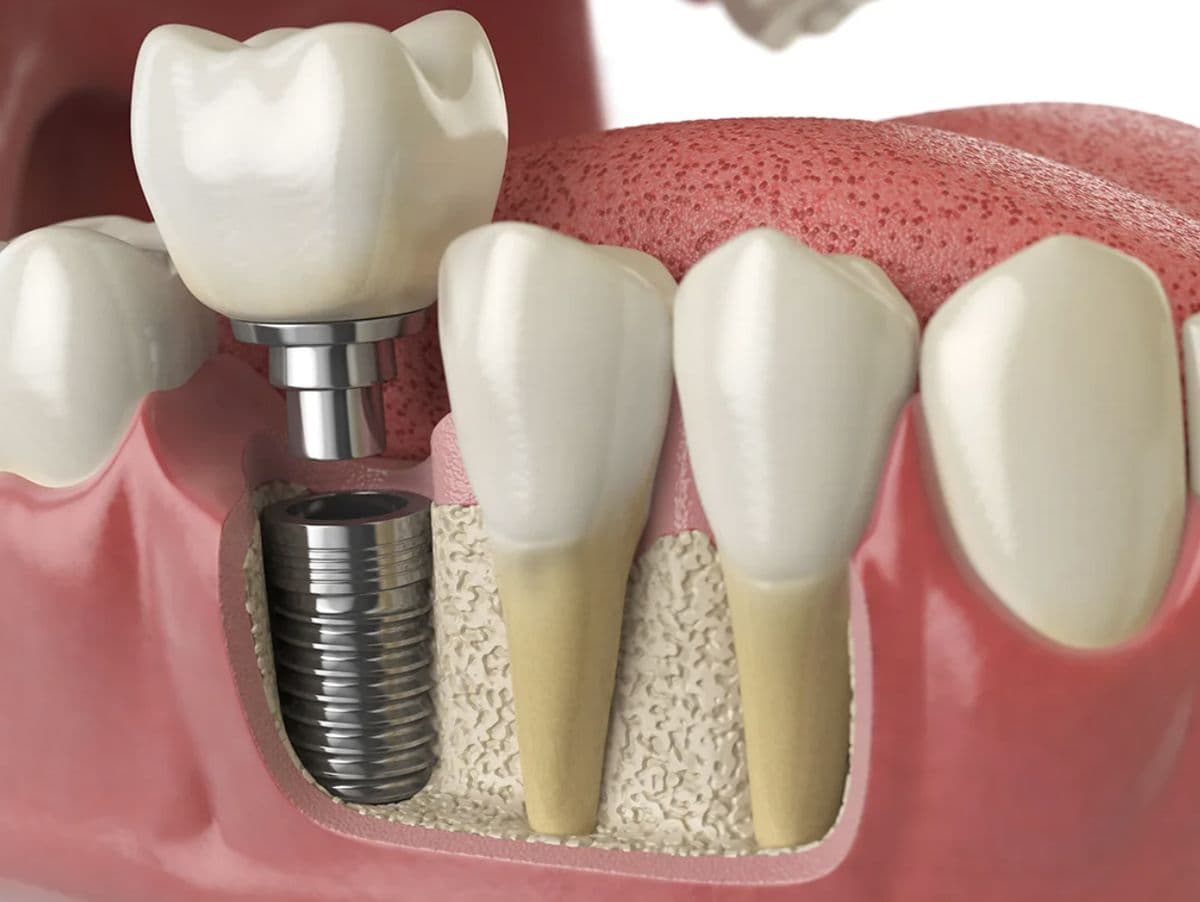
This is the “quiet” phase of zygomatic implants recovery time. You won’t feel much happening, but beneath the surface, a biological miracle is occurring: osseointegration. This is where your bone cells grow directly onto the titanium surface of the implant, effectively making it a part of your body.
According to long-term scientific research, immediate loading actually shows a statistically significant increase in survival over delayed loading, provided the implants are stable. Around month 4 to 6, we will verify that this fusion is complete and begin the process of crafting your permanent, final bridge.
Essential Post-Operative Care and Dietary Guidelines

What you put in your mouth—and how you treat your face—during recovery dictates your success. We like to say, “If you can’t cut it with a fork, don’t eat it.”
Dietary Roadmap
- Days 1–7: A strictly liquid or very soft diet. Think protein shakes, lukewarm soups, applesauce, and yogurt. Avoid using straws, as the suction can disturb the surgical sites.
- Weeks 2–12: A “soft-food” diet. You can enjoy pasta, flaky fish, scrambled eggs, and well-cooked vegetables.
- The “No-Chew” Rule: Even if you feel great, the bone around the implants is still soft for the first 4–5 months. Biting into a hard crusty bread or a raw apple too early can jeopardize the entire procedure.
Sinus Precautions
Because zygomatic implants pass near the maxillary sinus, we ask you to follow these rules for 3 weeks:
- Do Not Blow Your Nose: If you feel a sneeze coming on, sneeze with your mouth open to equalize pressure.
- No Spitting: Use a gentle “drool” method when rinsing your mouth.
- Avoid Smoking: Smoking significantly reduces blood flow and is the leading cause of implant failure. We strongly advise quitting for at least 3 weeks post-op (and ideally forever!).
To see the full range of support we offer, visit our Services page.
Managing Discomfort and Side Effects
- Cold Compresses: Use ice packs for 20 minutes on and 20 minutes off during the first 48 hours to keep swelling down.
- Head Elevation: Sleep with your head propped up on two or three pillows for the first week. This helps drainage and reduces morning puffiness.
- Oral Hygiene: Do not brush the surgical site for the first few days. Instead, use the prescribed chlorhexidine rinse or a very gentle warm saltwater gargle (1/2 tsp salt in 8oz water) starting 24 hours after surgery.
Long-Term Maintenance for Zygomatic Implants Recovery Time
Once you have reached the 6-month mark and received your final teeth, the “recovery” is over, but “maintenance” begins. Zygomatic implants require the same—if not better—care than natural teeth.
- Interdental Brushes: These are small brushes that fit under your bridge to clear away plaque.
- Water Flossers: An excellent tool for flushing out debris from hard-to-reach areas.
- Professional Cleanings: We want to see you every 6 months to check the health of the gums and the integrity of the bridge.
Potential Risks and Complications to Monitor
While the success rate is incredibly high, no surgery is without risk. We want you to be an informed partner in your care.
- Sinusitis: The most common complication, appearing in about 14.2% of cases over the long term. If you feel unusual pressure, nasal congestion, or a foul taste, let us know immediately.
- Infection: Signs include fever, persistent throbbing pain that medication doesn’t help, or unusual discharge.
- Paresthesia: Occasionally, the nerves in the area can be “sleepy” after surgery, leading to temporary numbness in the lip or cheek. This usually resolves as the nerves heal.
Understanding the investment involved is also part of the process; review our Dental Implant Cost NYC Guide for transparency on pricing and value.
Frequently Asked Questions about Zygomatic Healing
When can I return to a regular diet after surgery?
You can typically resume a completely normal diet—including crunchy and chewy foods—once your final permanent bridge is placed, which is usually 4 to 6 months after the initial surgery. Until then, sticking to a soft-food diet is essential to protect the implants during osseointegration.
How does zygomatic recovery compare to traditional bone grafting?
Zygomatic recovery is generally much faster and less invasive than the alternative. Traditional bone grafting involves two separate surgeries: one to place the bone and another (6–9 months later) to place the implants. With zygomatic implants, we do everything in one stage, saving you months of healing time and multiple procedures.
When will I receive my final set of permanent teeth?
Most patients receive a “provisional” set of fixed teeth within 24–48 hours of surgery. Your final, custom-designed permanent bridge is typically crafted and attached about 4 to 6 months later, once we are certain the implants have fully fused with your cheekbones.
Conclusion
At Tribeca Dental Studio, we believe that no one should be told they “can’t” have a beautiful, functional smile just because of bone loss. Under the leadership of Dr. Nina Izhaky, our team combines world-class expertise with a warm, personalized approach that makes even the most complex procedures feel manageable.
Our Manhattan office is equipped with the latest 3D imaging technology to plan your surgery with millimetric precision, ensuring your zygomatic implants recovery time is as short and comfortable as possible. We don’t just treat teeth; we treat people, and we look forward to welcoming you into our dental family.
Ready to reclaim your smile and your confidence? Schedule a consultation for zygomatic implants with us today and let’s start your journey toward a healthier, happier life.