Beyond the Smile Understanding Potential Zygomatic Implant Complications
March 13, 2026
Why Understanding Zygomatic Implant Complications Matters
Zygomatic dental implants complications are rare but important to understand before choosing this advanced treatment option. While these specialized implants offer a solution for severe bone loss in the upper jaw, knowing the potential risks helps you make an informed decision and recognize warning signs early.
Common Zygomatic Implant Complications:
| Complication | Prevalence Rate |
|---|---|
| Sinusitis | 2.4% (most common) |
| Soft Tissue Infection | 2.0% |
| Paresthesia (nerve sensation changes) | 1.0% |
| Oroantral Fistulas | 0.4% |
| Overall Failure Rate | 2.26% |
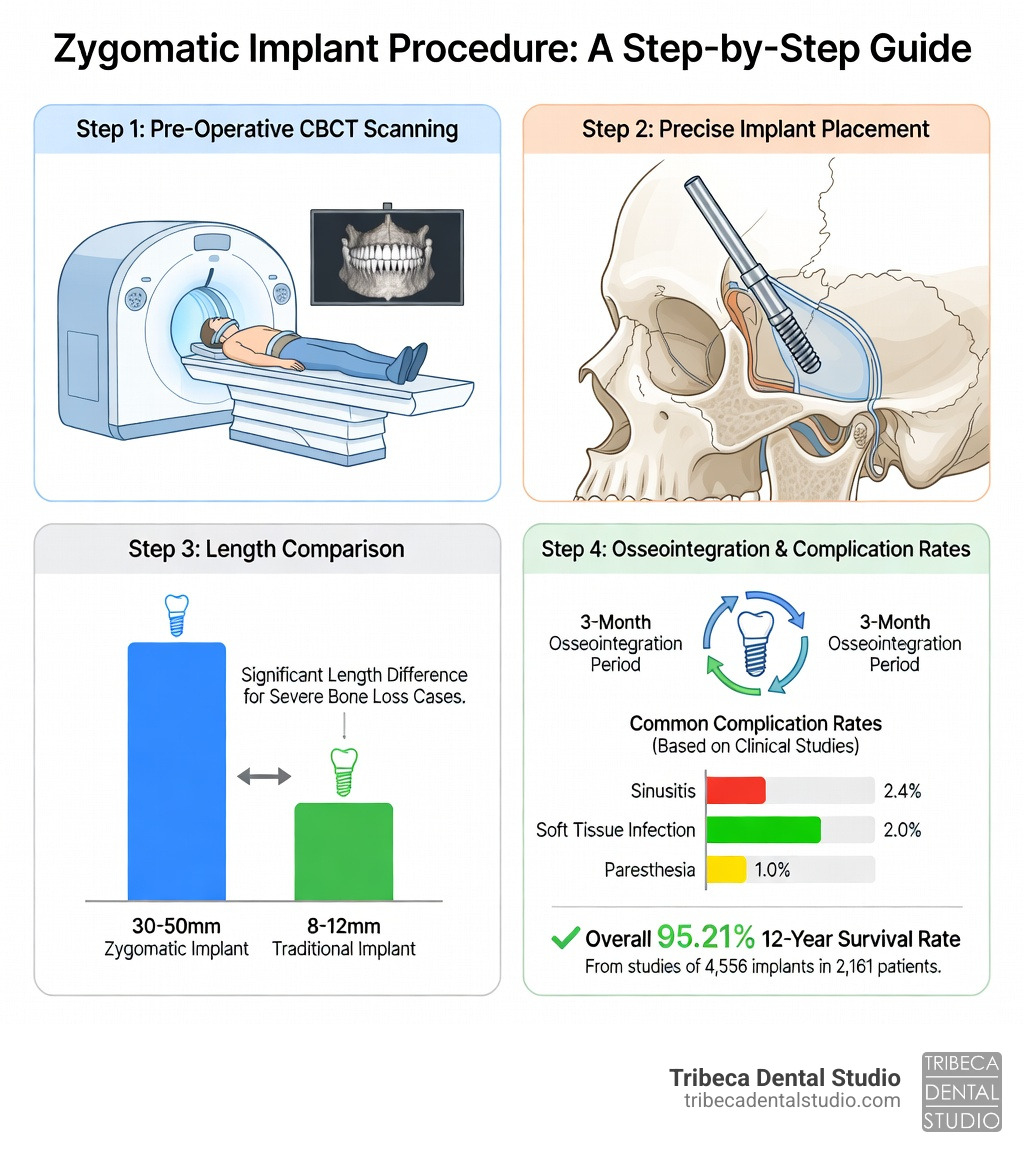
The good news? Research shows zygomatic implants have a 95.21% survival rate over 12 years when placed by experienced specialists. Out of 4,556 implants studied across 2,161 patients, only 103 failed—and most failures occurred within the first six months after surgery.
Other potential complications include:
- Facial swelling and bruising in the immediate post-operative period
- Temporary speech changes as you adapt to the prosthetics
- Increased risk of infection if oral hygiene guidelines aren’t followed
- Higher failure rates in smokers compared to non-smokers
- Difficulty reversing the procedure if problems arise
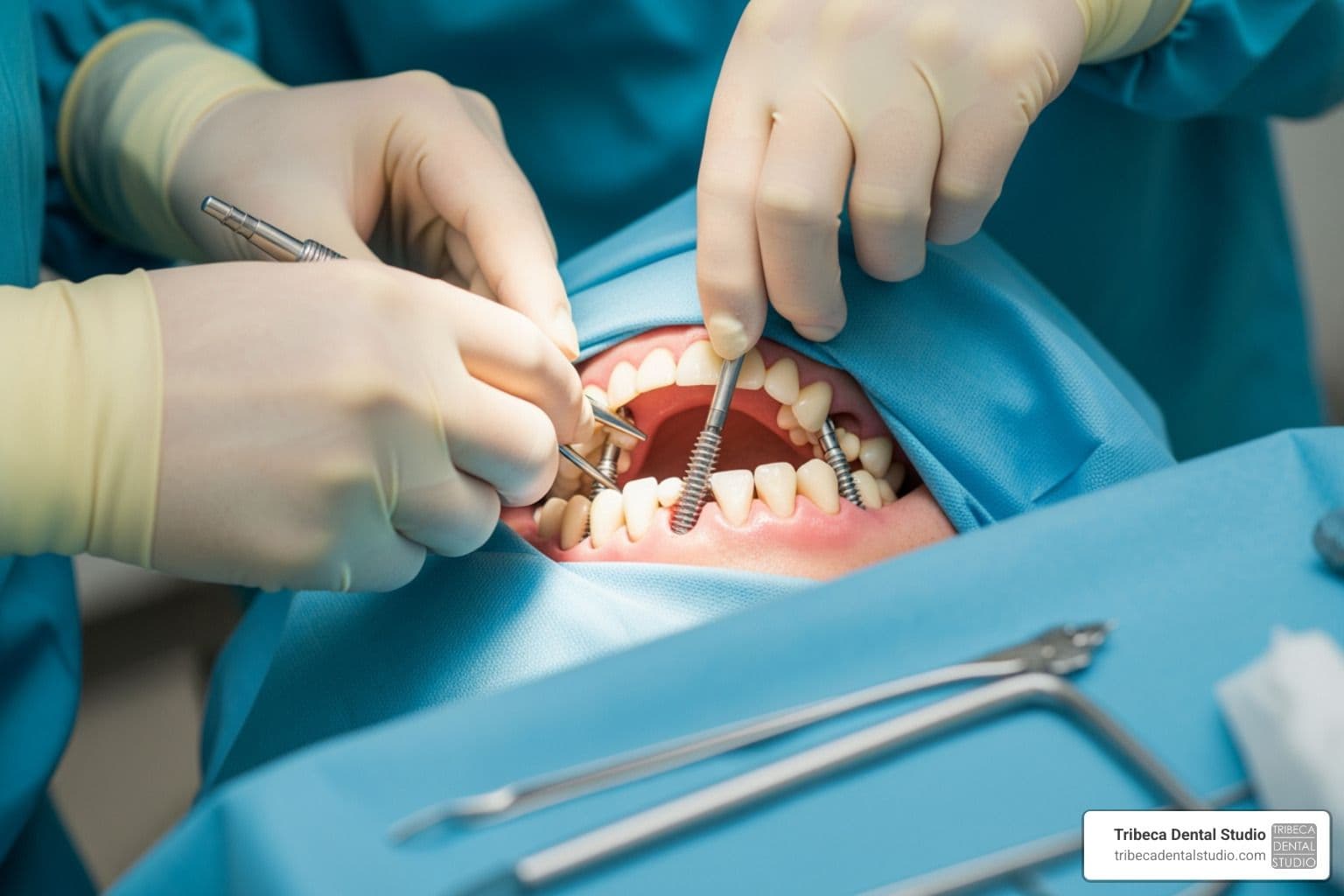
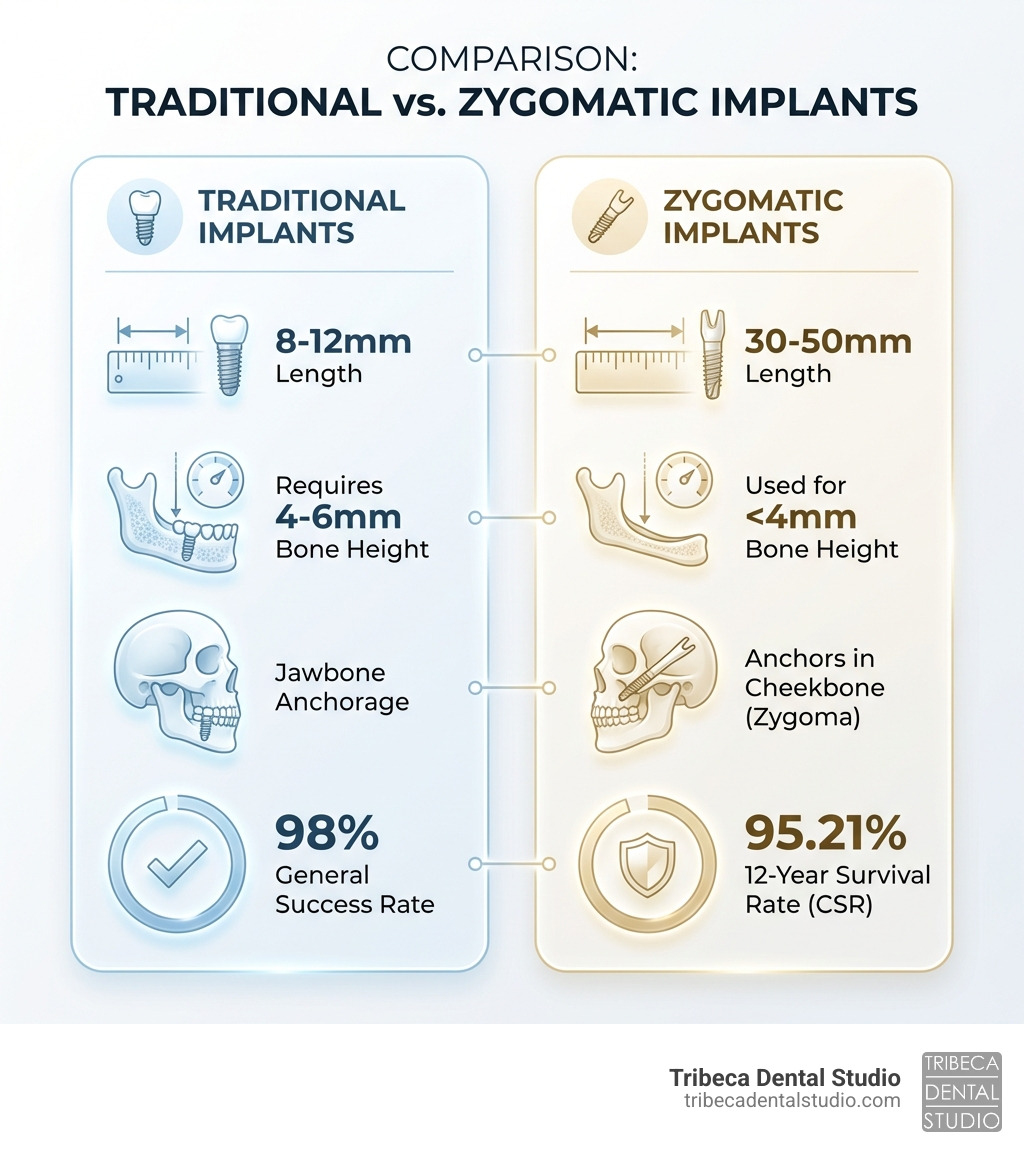
What makes zygomatic implants more complex than traditional implants? These implants are 30-50mm long (compared to standard 8-12mm implants) and anchor into your cheekbone rather than the jawbone. This requires precision surgical techniques and proper training to navigate delicate anatomical structures like the sinuses.
As Dr. Nina Izhaky at Tribeca Dental Studio, I’ve dedicated my practice to staying current with advanced implant techniques and understanding zygomatic dental implants complications to provide patients with comprehensive, personalized care. My commitment to ongoing education and state-of-the-art technology ensures we can properly assess candidacy and minimize risks throughout your treatment journey.
Terms related to zygomatic dental implants complications:
Understanding Zygomatic Dental Implants Complications and Risks
When we talk about zygomatic-implants, we are entering the major leagues of oral surgery. Unlike traditional implants that sit snugly in your jawbone, zygomatic implants take a scenic route. They are anchored in the zygoma (the cheekbone), which provides a rock-solid foundation for those who have suffered severe bone loss. However, this extra distance and the density of the cheekbone mean the procedure is inherently more complex.
The surgical complexity arises from the proximity to vital structures. We aren’t just working with gums and jawbone; we are navigating near the maxillary sinus, the orbit of the eye, and various facial nerves. Because of this, zygomatic dental implants complications are a topic we take very seriously here in our New York City office.
Surgical Complexity and Anatomical Challenges
Imagine trying to anchor a shelf into a wall, but the wall is paper-thin. That is what a severely atrophic maxilla (upper jaw) looks like. To solve this, we use implants that are significantly longer—between 30mm and 50mm. Navigating this length through the facial structure requires high-level precision. If the angle is off by even a few degrees, the implant could interfere with the sinus cavity or fail to achieve the necessary “bicortical” anchorage (grabbing onto two layers of bone for extra stability).
According to Scientific research on zygomatic implant survival, the 12-year cumulative survival rate (CSR) is an impressive 95.21%. While that sounds nearly perfect, the 4.79% that do not survive represent the “failures” we work hard to prevent. Most of these failures occur within the first six months, usually because the bone didn’t “bond” (osseointegrate) with the titanium properly.
Prevalence of Common Zygomatic Dental Implants Complications
While the success rate is high, it is vital to be aware of the specific “hiccups” that can occur. Based on a comprehensive Research on clinical outcomes, the breakdown of complications is as follows:
- Sinusitis (2.4%): This is the most frequently reported issue. Since the implant often passes through or near the sinus, it can cause inflammation.
- Soft Tissue Infection (2.0%): Like any surgery, the gums around the site can become infected if not kept meticulously clean.
- Paresthesia (1.0%): This refers to a lingering “pins and needles” sensation or numbness. It happens if a nerve is slightly bumped or compressed during the procedure.
- Oroantral Fistulas (0.4%): This is a fancy term for a small opening that forms between the mouth and the sinus. It’s rare, but it requires professional attention to close.
Immediate Post-Operative Challenges
The first few days after your procedure at Tribeca Dental Studio might feel a bit like you’ve gone a few rounds in a boxing ring—minus the prize money. You can expect:
- Facial Swelling and Hematoma: Swelling is your body’s way of saying, “Hey, what just happened?” It usually peaks at 48 hours.
- Initial Discomfort: We provide detailed pain management protocols, but some soreness is inevitable.
- Speech Adaptation: Because the immediate-dental-implants-nyc are often connected to a temporary bridge right away, your tongue might need a few days to figure out where the new “teeth” are. You might whistle a bit when you say “S” for a week or two!
Clinical and Biological Factors Influencing Success
Why do some implants thrive while others struggle? It comes down to biology and engineering.
Osseointegration and Primary Stability
The “Holy Grail” of dental implants is osseointegration—the process where your bone cells literally grow into the surface of the titanium implant. With zygomatic implants, we are looking for “primary stability,” which is that initial tightness we feel when the implant is placed. Because the zygomatic bone is much denser than the jawbone, we can often achieve incredible stability, allowing for immediate-dental-implants-nyc.
How Lifestyle Impacts Zygomatic Dental Implants Complications
We love our NYC patients, but we have to be honest: your habits play a massive role in whether your zygomatic dental implants complications stay at zero or become a reality.
- Smoking Risks: This is the big one. Smoking constricts blood vessels, which means less oxygen and fewer nutrients reach the healing bone. Research consistently shows a higher failure rate in smokers. If you’re a smoker, we’ll have a very serious (but loving!) talk about quitting or at least pausing for the healing duration.
- Dietary Restrictions: For the first 3 months, your implants are in a “dating phase” with your bone. They are getting to know each other, but they aren’t married yet. If you bite into a hard bagel or a New York pizza crust too soon, you could disturb that bond. A soft-food diet is non-negotiable during this window.
- Oral Hygiene: If you wouldn’t leave your kitchen floor uncleaned for a month, don’t do it to your new implants. Bacteria (plaque) can lead to peri-implantitis, an infection that eats away at the bone supporting the implant.
Prevention and Management Strategies
At Tribeca Dental Studio, we don’t just “wing it.” We use a “measure twice, cut once” philosophy, except we measure about a hundred times using guided-dental-implant-surgery.
Clinician Protocols for Reducing Risk
To minimize zygomatic dental implants complications, we employ several advanced strategies:
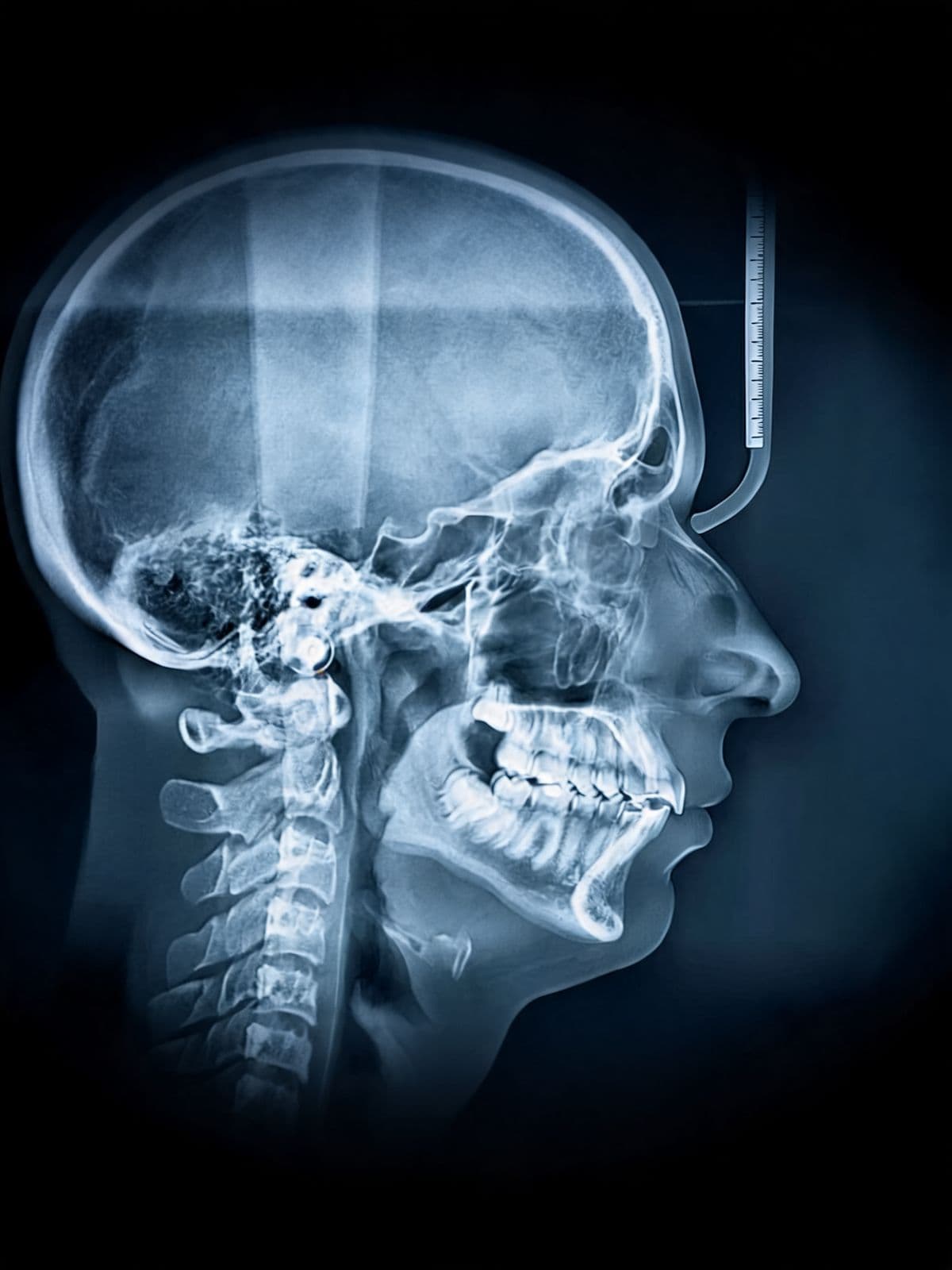
- CBCT Scanning: We use 3D X-rays to see your skull in high definition. This allows us to map out the exact path of the implant, avoiding nerves and maximizing bone contact.
- Surgical Guides: These are custom-made “templates” that fit over your gums and ensure the drill goes exactly where we planned it on the computer.
- Antibiotic Prophylaxis: We often start you on antibiotics before the surgery to give your immune system a head start against potential bacteria.
- Immediate Loading Protocols: Interestingly, a Study on immediate loading protocols suggests that connecting the implants to a rigid bridge immediately can actually help stabilize them, leading to better outcomes than leaving them “buried” under the gums.
Patient Adherence and Aftercare
You are our partner in this. Following our dental-implant-post-care-complete-guide is the best way to avoid a trip back to the chair for a “fix-it” visit.
- The 24-Hour Ice Rule: Apply ice packs for the first day to keep that swelling down.
- The 3-Month Soft Food Pact: Think smoothies, mashed potatoes, and pasta. If it crunches, it’s a “no” for now.
- Infection Monitoring: if you see pus, feel a fever, or notice a bad taste that won’t go away, call us immediately. Early intervention is the key to saving an implant.
Addressing Implant Failure and Reversal
What happens if the worst-case scenario occurs and an implant fails? It’s not the end of the world, but it is a challenge.
Explantation and Revision Surgery
If an implant doesn’t bond with the bone, it must be removed (explantation). Because zygomatic implants are so long and integrated into the cheekbone, removing them is more difficult than removing a standard implant. It can result in some bone loss in the zygoma area.
The psychological impact of a failed implant can be tough. You’ve invested time, money, and emotional energy into your new smile. However, re-treatment is often possible. After a period of healing (usually a few months), we can often place a new implant, perhaps using a slightly different angle or a different type of “remote anchorage” like pterygoid-dental-implants.
Frequently Asked Questions about Zygomatic Implants
Can a zygomatic implant be removed if it fails?
Yes, but it’s not as simple as pulling a tooth. It requires a surgical procedure to carefully “unscrew” or remove the titanium fixture from the cheekbone. Once removed, the bone will typically heal over several months. We then evaluate whether a replacement is feasible or if we should look at services/dental-implants/bone-grafting and traditional implants.
How does smoking affect the healing process?
Smoking is the arch-nemesis of oral surgery. It reduces the blood flow to your gums and bone, which is essential for osseointegration. Smokers have a significantly higher risk of zygomatic dental implants complications, including outright failure. We strongly recommend quitting at least two weeks before and at least three months after surgery.
Is sinusitis a permanent risk after the procedure?
For most people, no. While the prevalence of sinusitis is about 2.4%, it is usually an acute (temporary) issue that clears up with antibiotics or minor adjustments. In some cases, we use a technique called an “inferior meatal antrostomy” during surgery to help the sinus drain better, which acts as a prophylactic maneuver to prevent future issues. If you have a history of chronic sinus problems, we will coordinate with an ENT (Ear, Nose, and Throat specialist) before proceeding.
Conclusion
Choosing zygomatic implants is a life-changing decision for those with severe bone loss. While the potential for zygomatic dental implants complications exists, the data is overwhelmingly on your side. With a 95.21% long-term survival rate, this procedure remains the gold standard for complex maxillary reconstruction.
At Tribeca Dental Studio, led by the expertise of Dr. Nina Izhaky, we provide more than just surgery; we provide a personalized, family-oriented experience. We combine the latest 3D technology with a warm, caring approach to ensure that your journey toward a new smile is as safe and successful as possible.
If you have been told you aren’t a candidate for standard implants, don’t lose hope. Our team is here to help you navigate your options, from zygomatic-dental-implants-guide-2026 to sinus-lift-dental-implants-nyc-guide. We invite you to visit us in Tribeca to discuss how we can help you achieve the functional, beautiful smile you deserve.
Ready to take the next step? Book a consultation with our board-certified specialists today.