The Price of a Perfect Smile: What to Expect for Chipped and Cracked Tooth Repair
June 23, 2026
What Does It Cost to Fix a Cracked Tooth? Here’s the Short Answer
Understanding the cost of fixing a cracked tooth starts with one simple truth: the price depends almost entirely on how severe the damage is and what treatment you need.
Here’s a quick breakdown:
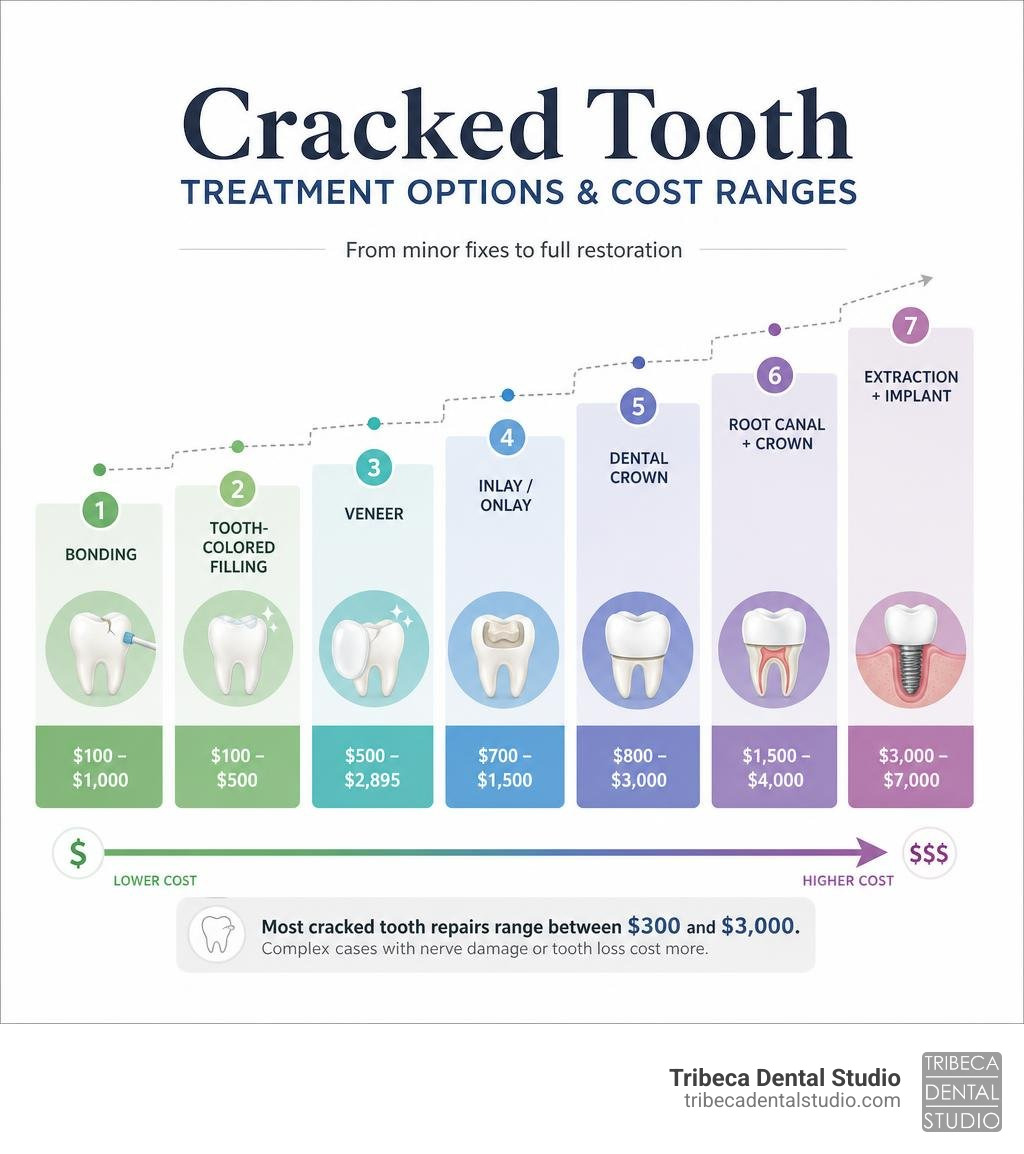
| Treatment | Typical Cost Range | Best For |
|---|---|---|
| Dental bonding | $100 – $1,000 | Minor chips, surface cracks |
| Tooth-colored filling | $100 – $500 | Small fractures with decay |
| Veneer | $500 – $2,895 | Front tooth cosmetic damage |
| Inlay / Onlay | $700 – $1,500 | Moderate molar damage |
| Dental crown | $800 – $3,000 | Significant structural damage |
| Root canal + crown | $1,500 – $4,000 | Crack reaching the nerve |
| Extraction + implant | $3,000 – $7,000 | Unsalvageable tooth |
The bottom line: most people pay somewhere between $300 and $3,000 for cracked tooth repair. Complex cases involving nerve damage or tooth loss can push costs higher.
That sharp flash of pain when you bite down on something hard — or the sudden sensitivity to cold — can be alarming. And the worry isn’t just physical. For many people, the first question after cracking a tooth is “How much is this going to cost me?” The honest answer is that costs vary widely, from a quick $100 bonding fix to a multi-step implant process approaching $7,000. Where you land on that spectrum depends on the type of fracture, the tooth involved, the materials used, and whether your insurance covers any of it.
I’m Dr. Nina Izhaky, a graduate of New York University College of Dentistry and the founder of Tribeca Dental Studio, where I’ve helped countless patients navigate the cost of fixing a cracked tooth and find the right treatment for their smile and their budget. In the sections below, I’ll walk you through everything you need to make a confident, informed decision.
Cost of fixing a cracked tooth vocab explained:
Understanding Tooth Fractures: Types and Symptoms
Not all tooth cracks are created equal. To figure out the expected cost of fixing a cracked tooth, we must first look at the anatomy of the tooth and where the fracture lies. Your tooth has three primary layers: the outer enamel (the hardest substance in the human body), the middle dentin layer, and the inner pulp, which houses the blood vessels and nerves.
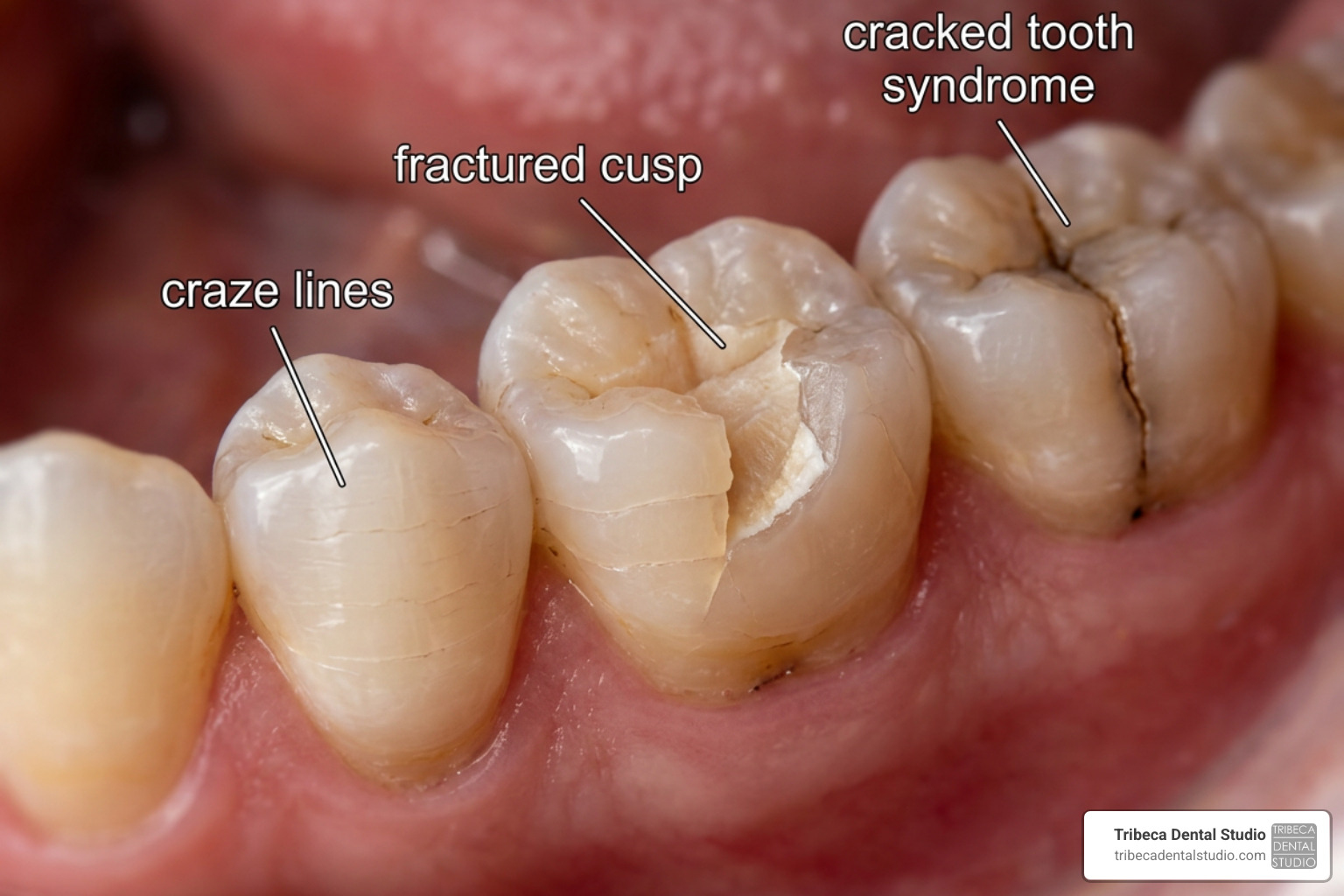
Craze Lines vs. Deep Cracks
Craze lines are tiny, superficial cracks that affect only the outer enamel. They are incredibly common in adults, often caused by years of chewing pressure, wear, or natural aging. Because they do not penetrate the dentin or reach the pulp, craze lines are purely a cosmetic concern and rarely require active treatment unless you wish to improve the tooth’s appearance.
Deep cracks, however, extend past the enamel into the dentin and can progress down toward the root. Unlike craze lines, deep cracks compromise the structural integrity of the tooth and leave the inner nerve vulnerable to bacteria, temperature changes, and biting pressure.
Cracked Tooth Syndrome
If you experience sharp pain when chewing—particularly when releasing your bite—or sudden sensitivity to hot and cold foods, you might be dealing with Cracked Tooth Syndrome. These symptoms occur because the crack flexes during chewing, irritating the pulp inside.
To diagnose this elusive condition, we use specialized tools in our Tribeca office. This includes a “bite stick” test to isolate which cusp is flexing, transillumination (shining a bright light through the tooth to reveal hidden fracture lines), and high-resolution digital imaging. Our detailed guide to cracked tooth solutions explains how identifying these cracks early prevents them from splitting the tooth entirely.
The Cost of Fixing a Cracked Tooth: Treatment Options and Price Ranges
When planning your budget for dental care in June 2026, understanding your treatment selection is key to managing out-of-pocket expenses. The final price tag depends heavily on whether the crack is caught early or has progressed to a point where the nerve is compromised.
As outlined in the resource on Broken Tooth Repair Cost: From Bonding to Crowns – Dentistry, the spectrum of care ranges from minor, single-visit cosmetic procedures to extensive multi-stage surgical restorations.
| Treatment Option | Average Cost Range (No Insurance) | Typical Lifespan | Number of Visits |
|---|---|---|---|
| Dental Bonding | $100 – $1,000 | 3 – 7 Years | 1 |
| Tooth-Colored Fillings | $100 – $500 | 5 – 10 Years | 1 |
| Porcelain Veneers | $500 – $2,895 | 10 – 15 Years | 2 |
| Inlays / Onlays | $700 – $1,500 | 10 – 15 Years | 1 – 2 |
| Dental Crowns | $800 – $3,000 | 10 – 20+ Years | 1 – 2 |
| Root Canal Therapy | $600 – $1,800 | Permanent (with crown) | 1 – 2 |
| Dental Implants | $3,000 – $7,000 | Decades / Lifetime | Multiple over 3-6 months |
Minor Repairs: Dental Bonding and Fillings
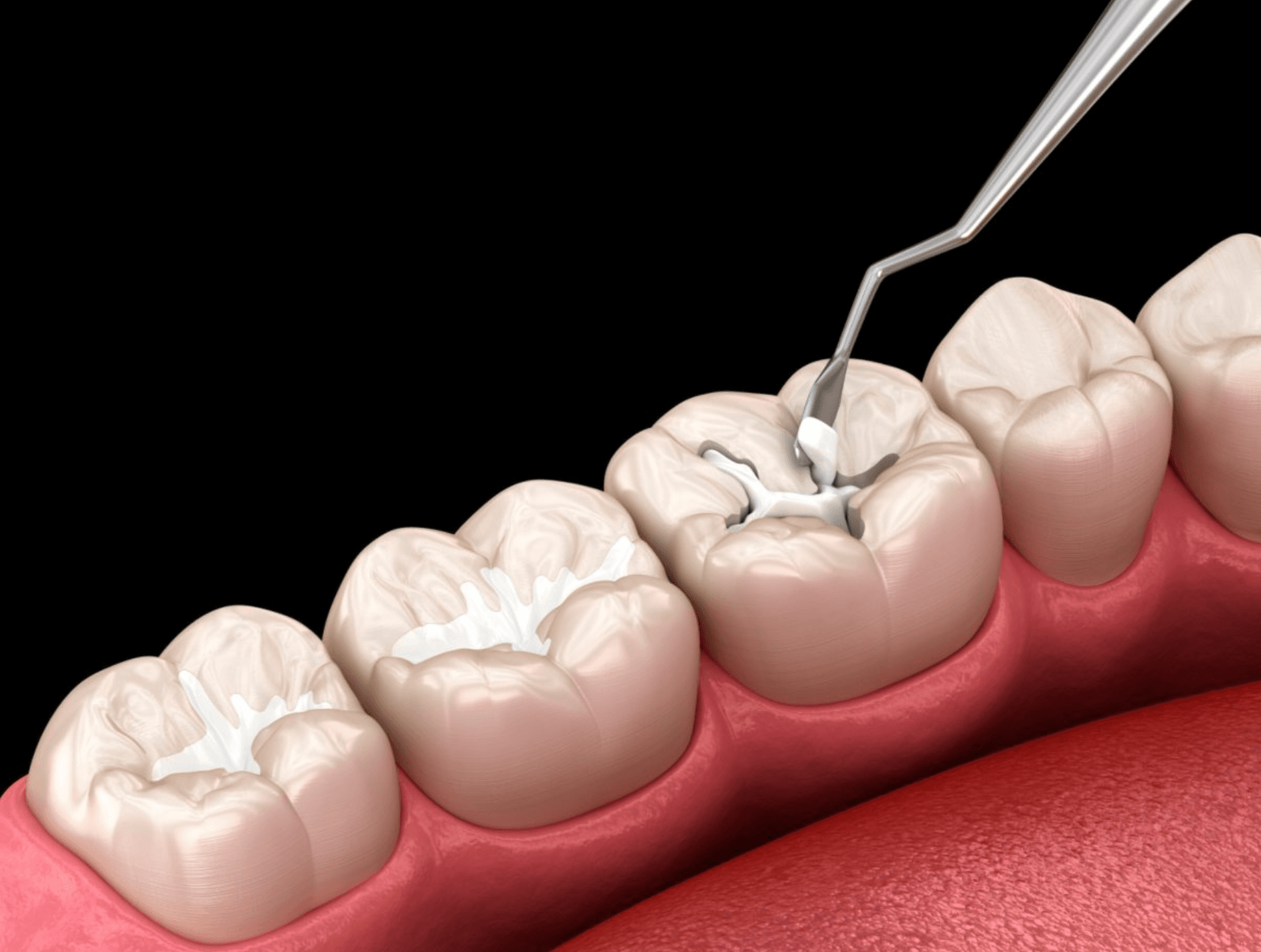
For minor chips or shallow enamel fractures, dental bonding and tooth-colored fillings are the most conservative and affordable options.
Using a high-quality composite resin that matches the natural shade of your enamel, we can rebuild the missing structure in a single visit. The resin is applied in thin layers, shaped to match your surrounding teeth, and cured with a specialized light. This quick, lab-free repair typically ranges from $100 to $1,000 per tooth depending on the size of the fracture.
Moderate Restorations: Veneers, Inlays, and Onlays
When a crack is too large for a simple filling but hasn’t compromised the entire tooth structure, moderate restorations like porcelain veneers, inlays, or onlays are ideal.
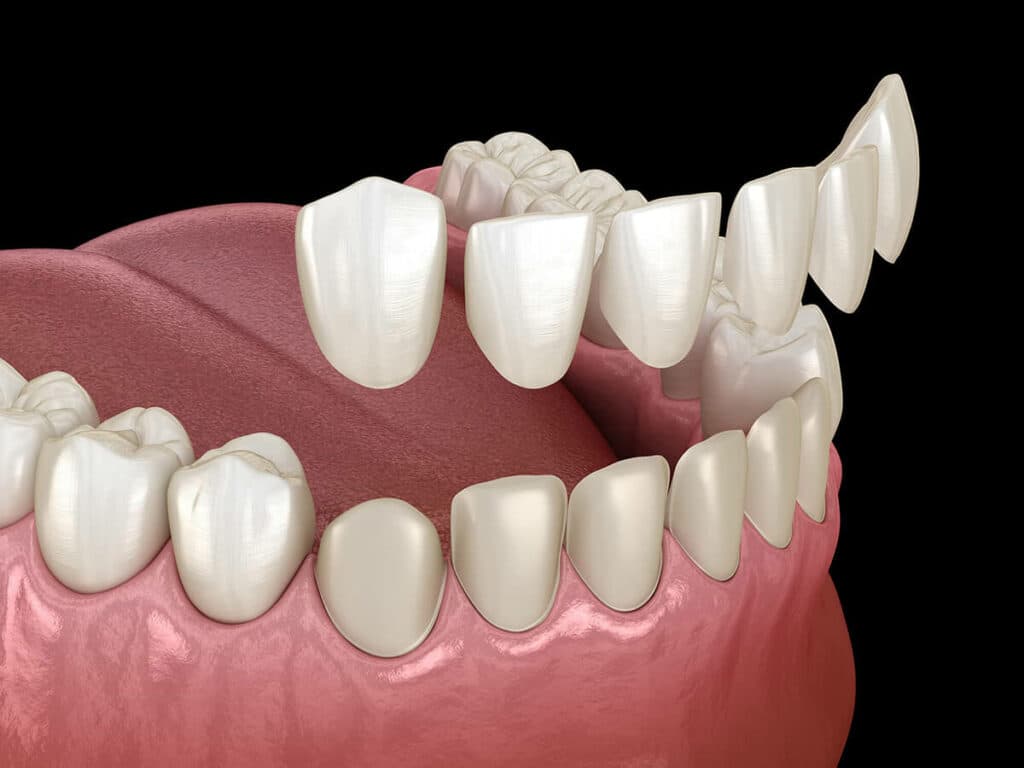
- Porcelain Veneers: Best for front teeth, veneers are thin, custom-made porcelain shells bonded to the front of the tooth. They cost between $500 and $2,895 per tooth.
- Inlays and Onlays: Often referred to as partial crowns, these are fabricated in a dental laboratory to repair the chewing surface of back molars. If more than half of your molar’s biting surface is damaged, choosing an onlay over a full crown preserves more of your natural tooth structure while offering a strong, long-lasting restoration for $700 to $1,500.
Major Treatments: Crowns, Root Canals, and Implants
For severe structural damage or cracks that have exposed the inner nerve, major restorative work is required to save your smile.
- Dental Crowns: A custom crown completely caps the damaged tooth, restoring its shape, strength, and appearance. Crown costs generally range from $800 to $3,000, and you can explore our breakdown of average dental crown costs to understand how materials affect the final price.
- Root Canal Therapy: If the crack reaches the pulp, bacteria will cause a deep infection. A root canal removes the infected nerve, sterilizes the chamber, and seals it. When combined with a protective crown, this treatment costs between $1,500 and $4,000 total.
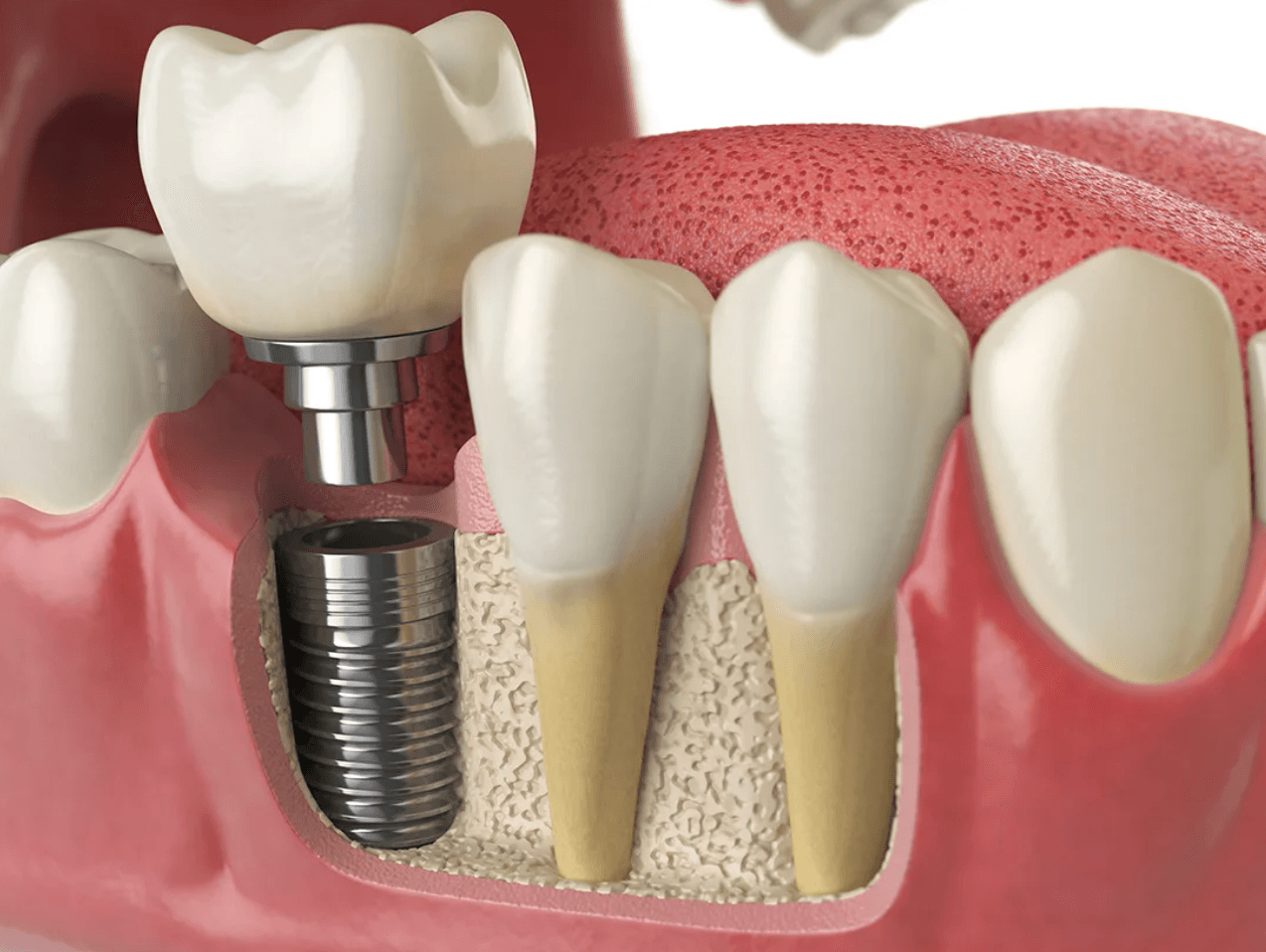
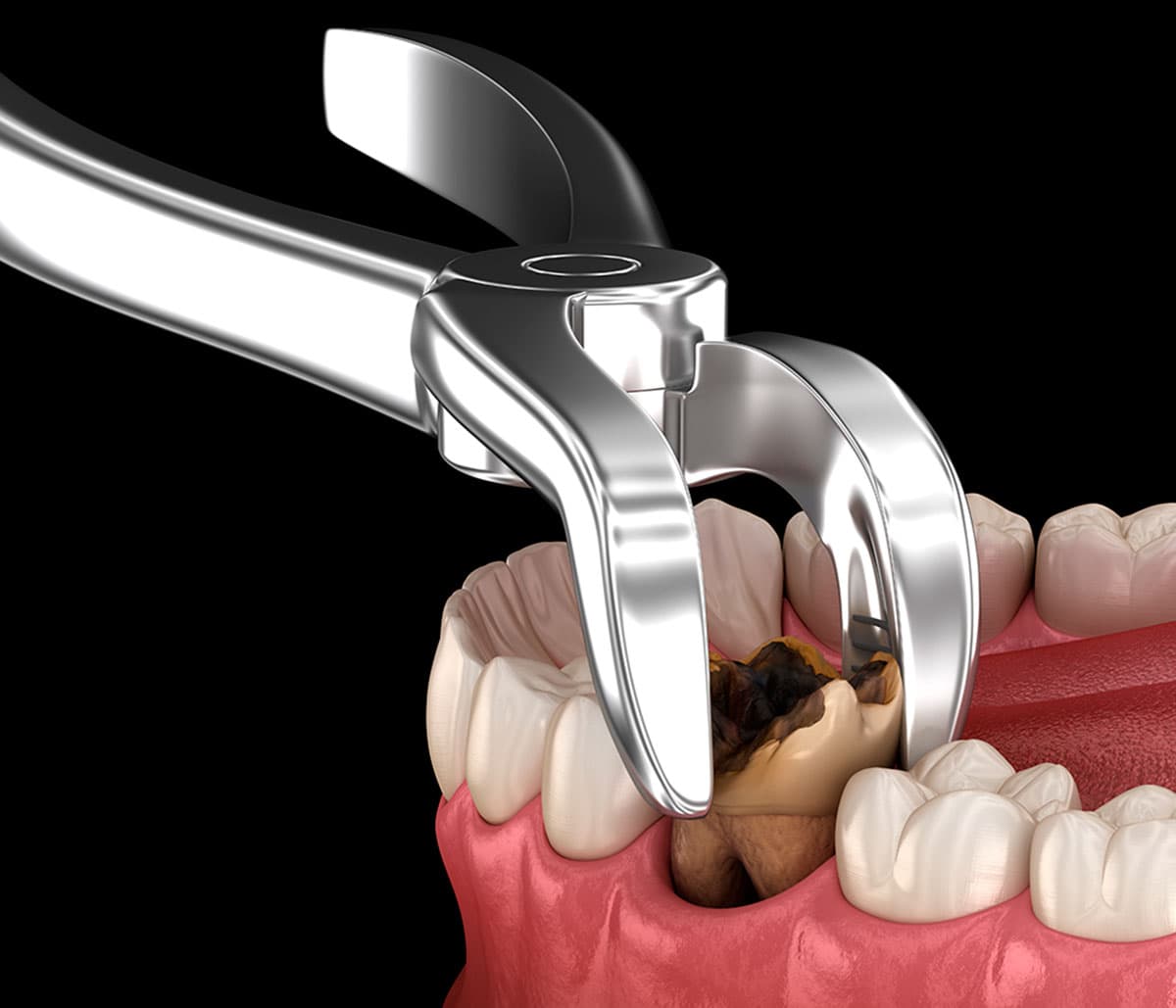
- Dental Implants: If a crack extends vertically below the gumline, the tooth is unsalvageable and must be extracted. A dental implant replaces the entire tooth from root to crown, representing a permanent lifetime investment of $3,000 to $7,000.
Key Factors, Insurance, and Financing for Cracked Tooth Repair
The final cost of fixing a cracked tooth in Manhattan isn’t just a random number—it is shaped by several distinct variables, from the technology used to diagnose the issue to the materials you choose for your restoration.

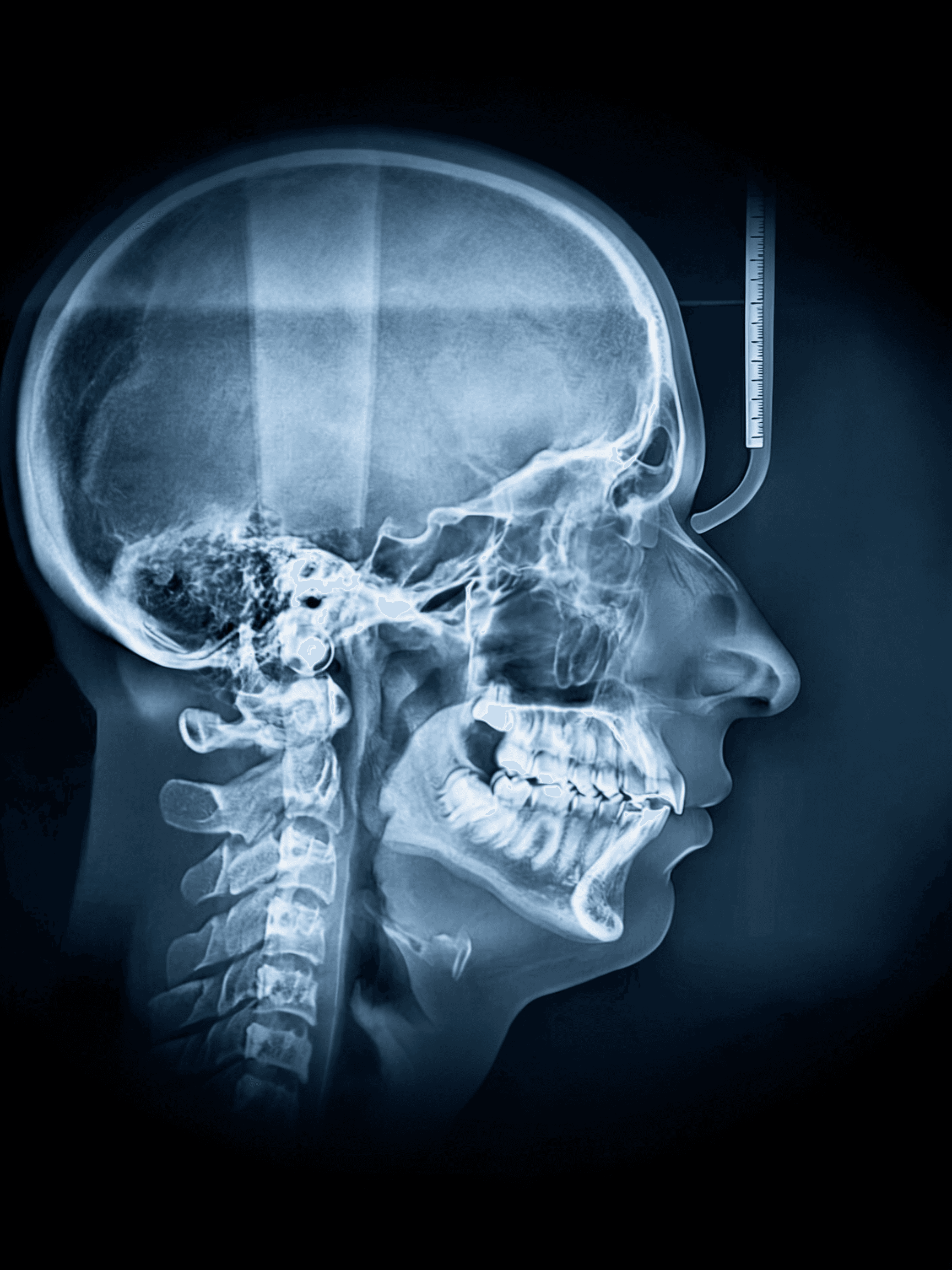
At our Tribeca practice, we prioritize using advanced diagnostic imaging, including 3D cone beam scans, to visualize cracks that remain completely invisible on standard 2D X-rays. This precision ensures we never recommend a root canal unless it is clinically necessary, saving you time and money.
Tooth Location, Severity, and Material Selection
Where the damaged tooth is located plays a massive role in your treatment plan. Front teeth demand high-end aesthetic materials, like pure porcelain or zirconia, to match the natural translucency of your smile. Back molars, which absorb the brunt of your chewing force, require maximum durability.
While gold crowns offer unmatched longevity for rear molars, porcelain-fused-to-metal (PFM) or solid zirconia are excellent alternatives. You can read more about how these options compare in our guide on NYC dental crown cost and materials.
Does Dental Insurance Cover the Cost of Fixing a Cracked Tooth?
The short answer is: yes, if the procedure is deemed medically necessary. Dental insurance providers generally categorize treatments into a 100-80-50 structure:
- Preventive care (exams, cleanings) is covered at 100%.
- Basic restorations (fillings, bonding) are covered at 80%.
- Major restorations (crowns, root canals, extractions) are covered at 50%.
However, purely cosmetic procedures—such as placing a veneer over a painless craze line—are almost always excluded from coverage. According to insurance resources like How Much Does It Cost to Repair a Chipped Tooth? – Humana, you must also keep your annual maximums (usually $1,000 to $2,000 per year) and deductibles in mind when estimating your out-of-pocket costs.
Affordable Alternatives and Payment Plans
We believe that financial concerns should never stand between you and a healthy smile. If you are uninsured or facing a high deductible, there are several ways to make your care affordable:
- Flexible Financing: We accept CareCredit and LendingClub, allowing you to split your treatment costs into interest-free monthly payments.
- FSA and HSA: You can use pre-tax dollars from your Flexible Spending Account or Health Savings Account to cover restorative dental treatments.
- In-House Membership: Ask about our in-house dental plans, designed to provide uninsured families with significant discounts on restorative and cosmetic care.
Frequently Asked Questions about Cracked Tooth Repair
What is the average cost of fixing a cracked tooth without insurance?
Without insurance, the cost to fix a cracked tooth ranges from $100 to $7,000. A minor cosmetic repair using dental bonding typically costs between $288 and $915, while a mid-range restoration like a dental crown costs $800 to $2,500. If the tooth is completely split and requires extraction and a dental implant, the total out-of-pocket cost can reach $3,000 to $7,000. For a detailed breakdown of these variables, view our fractured tooth repair cost guide.
Can a cracked tooth heal naturally?
No. Unlike bones, which have blood vessels that allow them to regenerate and heal, tooth enamel is non-living tissue. Once a tooth is cracked or chipped, it cannot heal on its own. Without professional intervention, the natural pressure of chewing will cause the crack to progress deeper into the tooth, eventually leading to nerve damage, infection, and structural failure.
What are the risks of delaying treatment for a cracked tooth?
Delaying treatment is the fastest way to turn a simple, low-cost fix into an expensive dental emergency. A small, painless crack can easily let bacteria slip into the dentin and pulp, leading to nerve death, a painful dental abscess, or a systemic infection.
What could have been resolved with a quick bonding procedure or an onlay can easily escalate into a situation requiring a root canal, extraction, and an implant. If you are experiencing sudden pain or swelling, explore our options for emergency broken tooth repair to save your tooth before it’s too deep to rescue.
Conclusion
At Tribeca Dental Studio, we understand that discovering a cracked tooth can cause both physical discomfort and financial stress. Led by Dr. Nina Izhaky, our welcoming Manhattan team takes a highly personalized, family-like approach to your oral health. We combine advanced diagnostic technology with conservative treatment philosophies to ensure you only receive the care you actually need.
Whether you are looking to explore cosmetic dentistry options to repair a chipped tooth or require an advanced restorative plan, we are here to help. Contact us in Tribeca, NYC today to schedule your consultation and protect your smile for years to come.