Breathe Easy: Techniques to Correct Mouth Breathing
March 3, 2026

Understanding Mouth Breathing and Why It Matters
Mouth breathing correction involves retraining your body to breathe through your nose instead of your mouth, addressing both the underlying causes and the habit itself. Here’s what you need to know:
Quick Guide to Mouth Breathing Correction:
- Identify the cause – nasal congestion, allergies, enlarged tonsils/adenoids, or deviated septum
- Practice conscious nasal breathing throughout the day
- Try simple exercises – lip seals, tongue positioning, and diaphragmatic breathing
- Consider myofunctional therapy to retrain oral muscles
- Explore professional treatments – orthodontic interventions, palatal expansion, or medical procedures
- Address sleep habits – adjust sleep position, lift head, manage stress
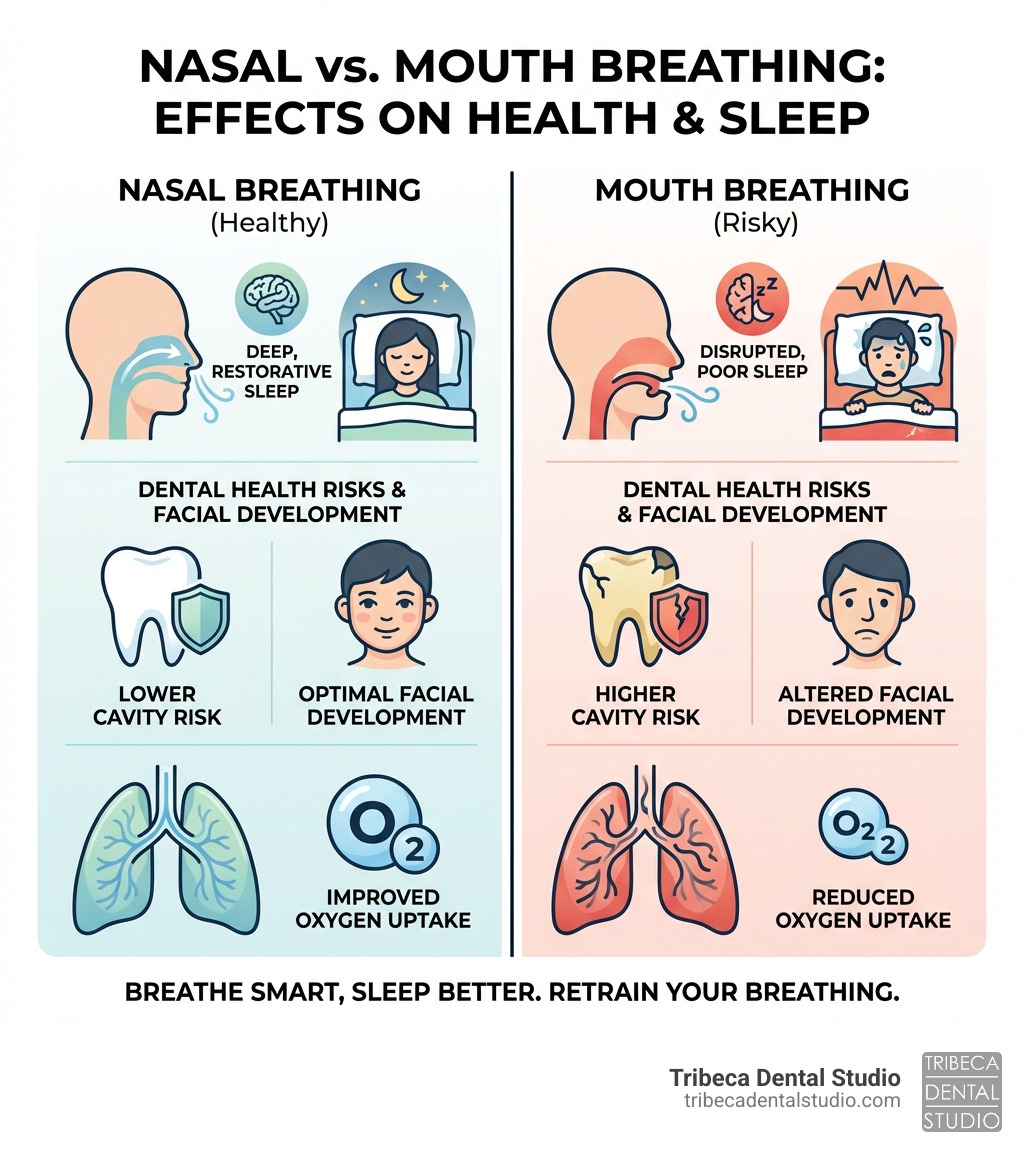
Breathing through your mouth may seem harmless, but it can have profound effects on your health. While nose breathing filters, warms, and humidifies air before it reaches your lungs, mouth breathing bypasses these protective mechanisms entirely. This can lead to dry mouth, bad breath, increased risk of cavities, and even changes in facial structure for children.
The good news? Mouth breathing is correctable. Whether caused by nasal obstruction, enlarged tonsils, or simply habit, effective solutions exist. From simple at-home exercises to professional interventions like myofunctional therapy and orthodontic treatment, you can retrain your body to breathe the way nature intended.
As Dr. Nina Izhaky at Tribeca Dental Studio, I’ve helped countless patients overcome mouth breathing through comprehensive airway-focused dentistry and mouth breathing correction techniques. Our approach combines modern diagnostic tools with personalized treatment plans to address the root cause and restore healthy breathing patterns.
Simple guide to mouth breathing correction:
Why Mouth Breathing is More Than Just a Bad Habit
At Tribeca Dental Studio, we believe that understanding the “why” behind mouth breathing is the first step toward effective mouth breathing correction. While it might seem like a minor inconvenience, breathing through your mouth chronically can have far-reaching implications for your health, development, and overall well-being.
Nasal breathing is the body’s preferred and most efficient method of respiration. Your nose is designed to filter out allergens and pathogens, humidify the air to prevent dryness in your airways, and warm the air to body temperature, making it easier for your lungs to process. It also provides a natural resistance to airflow, which helps to strengthen your lungs and optimize oxygen absorption. When we bypass this intricate system by breathing through our mouths, we miss out on these crucial benefits, opening the door to a host of problems.

Chronic nasal obstruction, whether due to allergies, enlarged tonsils or adenoids, or structural issues, often forces individuals into a habitual mouth breathing pattern. This isn’t just about comfort; it impacts everything from oxygen levels in the blood to the very development of our facial structure.
The Impact on Children’s Development
For our younger patients, the consequences of untreated mouth breathing can be particularly concerning. Children are still growing and developing, and their breathing patterns can profoundly influence their physical and cognitive trajectory.
One of the most visible effects is on facial structure. Chronic mouth breathing can lead to what’s sometimes referred to as “adenoid face” or “long face syndrome.” This occurs because the tongue, which should naturally rest on the roof of the mouth, drops to accommodate mouth breathing. This altered tongue posture, combined with the constant open-mouth position, can prevent the upper jaw from developing properly. The result can be a narrower face, a receding chin or jaw, and a flattened midface.
Furthermore, this abnormal jaw development often leads to dental malocclusion, such as crowded teeth, open bites (where the front teeth don’t meet), or crossbites. These issues not only affect a child’s smile but can also lead to difficulties with chewing, speech impediments, and increased risk of cavities and gum disease. Early intervention with a Pediatric Airway Dentist is crucial to mitigate these effects.
Beyond physical changes, research suggests that mouth breathing can also contribute to growth issues. Airway problems can interfere with the pituitary glands’ release of sufficient human growth hormone (HGH), potentially impacting a child’s overall development. Moreover, the disrupted sleep caused by mouth breathing can lead to significant behavioral issues. Some experts believe children who mouth breathe may experience sleep apnea or other sleep disturbances, leading to irritability, restlessness, and behavior problems that mimic conditions like attention-deficit/hyperactivity disorder (ADHD). This scientific research on behavior issues highlights the critical link between breathing and cognitive function.
Consequences for Adult Health
While the developmental impacts are most dramatic in children, adults are far from immune to the negative effects of chronic mouth breathing. If you’re an adult struggling with this habit, you might experience:
- Dry mouth: Without the nose’s humidifying action, the mouth dries out, leading to discomfort and other problems. If you’re experiencing severe dry mouth, especially after dental procedures, you can find More info about Dry Mouth After Extraction here.
- Bad breath: A dry mouth reduces saliva flow, which is essential for washing away food particles and bacteria, leading to chronic halitosis.
- Increased risk of cavities: Saliva also neutralizes acids and remineralizes tooth enamel. Less saliva means higher acidity and a greater risk of tooth decay.
- Gum disease: Reduced saliva and altered oral pH create an environment conducive to gum inflammation and periodontal disease.
- Worsening sleep apnea and snoring: Mouth breathing destabilizes the airway, making snoring louder and aggravating obstructive sleep apnea. This can lead to fragmented sleep and daytime fatigue. For comprehensive solutions, explore our Sleep Apnea Treatments.
- Fatigue: Poor oxygenation and disrupted sleep quality, whether from snoring or sleep apnea, often result in chronic daytime fatigue, brain fog, and reduced concentration.
Chronic mouth breathing is a silent sabotager of health, affecting everything from your smile to your sleep, and even your mood and cognitive function.
Identifying the Root Causes and Symptoms
Understanding the signs and underlying causes of mouth breathing is the first step toward effective mouth breathing correction. At Tribeca Dental Studio, we often encounter patients who don’t even realize they’re mouth breathing, especially during sleep. However, your body usually sends clear signals.
Here are some common signs that might indicate you or a loved one is a mouth breather:
- Open mouth posture: The most obvious sign is habitually keeping the mouth open, even when at rest.
- Dry lips: Constant exposure to air can lead to chapped or dry lips.
- Nasally voice: Due to lack of nasal airflow, speech might sound congested or nasal.
- Difficulty breathing through the nose: A feeling of nasal stuffiness or inability to take a deep breath through the nose.
- Elongated face: As mentioned, children may develop a longer facial structure.
- Narrow palate: The roof of the mouth may appear high and narrow.
- Malocclusion: Misaligned teeth, overbites, underbites, or open bites.
- Poor posture: Mouth breathing can lead to forward head posture and other postural changes, particularly in children. Studies have shown postural problems are significantly more common in mouth-breathing children.
- Frequent upper respiratory infections: Bypassing the nose’s filtration system can lead to more colds and infections.
The root causes of mouth breathing are varied but generally stem from an obstructed nasal airway. These obstructions can be structural or inflammatory:
- Nasal congestion: Chronic stuffiness from colds, allergies, or sinus infections makes nasal breathing difficult.
- Allergies: Allergic rhinitis can cause swelling and inflammation in the nasal passages.
- Sinus infections: Inflammation and mucus buildup can block nasal airflow.
- Enlarged tonsils and adenoids: These lymphatic tissues, particularly common in children, can physically block the back of the nasal and oral airways.
- Deviated septum: A crooked wall between the nostrils can restrict airflow on one or both sides.
- Nasal polyps: Benign growths in the nasal lining can obstruct passages.
- Tongue-tie: A restricted lingual frenulum can prevent proper tongue posture, making it difficult to keep the mouth closed.
To diagnose mouth breathing and its causes, we use several methods:
- Physical exam: A thorough examination of the oral cavity, nasal passages, and facial structure.
- Lip seal test: Observing if the lips can comfortably and consistently close at rest.
- Mirror test: Placing a mirror under the nose to see if condensation appears from nasal exhalation.
- Water test: Asking a patient to take a sip of water and hold it in their mouth while breathing through their nose.
Common Signs You’re a Mouth Breather
Many of us are unaware of our breathing patterns, especially during sleep. If you experience any of the following, it might be a clue that you’re a mouth breather:
- Snoring: A common indicator that air is encountering resistance in your airway, often due to an open mouth.
- Waking with a dry mouth: A parched pucker is a classic sign that your mouth has been open all night.
- Chronic bad breath (halitosis): As mentioned, dry mouth reduces saliva’s cleansing action.
- Hoarseness: The dryness can irritate your vocal cords.
- Daytime sleepiness: Fragmented sleep and poor oxygenation lead to feeling tired even after a full night’s rest.
- Brain fog: Reduced oxygen to the brain during sleep can impair cognitive function, leading to difficulty concentrating.
- Dark circles under eyes: Often a sign of poor sleep quality and chronic fatigue.
When to See a Professional
While some at-home strategies can help, it’s crucial to seek professional help if you notice:
- Persistent symptoms: If dry mouth, bad breath, snoring, or fatigue don’t improve with simple changes.
- Children showing facial changes: Any concerns about your child’s facial development, teeth alignment, or behavior should prompt a visit to an airway-focused dentist or pediatrician.
- Suspected sleep apnea: If snoring is accompanied by gasping, choking, or pauses in breathing, a sleep study is essential. Find More info about Sleep Studies on our website.
- Difficulty breathing during exercise: Reduced respiratory muscle strength and efficiency can make physical activity challenging for mouth breathers.
At Tribeca Dental Studio, we take a holistic approach, evaluating not just your teeth, but your entire airway and breathing patterns to identify the root cause of your concerns.
Your Comprehensive Guide to Mouth Breathing Correction
The journey to mouth breathing correction is often a multi-faceted one, combining conscious effort with professional guidance. Our goal is to help you or your child achieve healthy nasal breathing, which is fundamental to overall health.

This involves a combination of conscious breathing practice, targeted exercises, lifestyle adjustments, and optimizing sleep hygiene.
Practical At-Home Tips and Exercises
Many individuals can begin their mouth breathing correction journey with simple, consistent practices at home. These exercises help retrain the muscles involved in breathing and encourage a shift towards nasal respiration.
Here are some practical tips and exercises:
- Conscious nasal breathing: The most fundamental step is simply to become aware. Throughout your day, consciously check if your mouth is open. If so, gently close it and breathe through your nose. Practice slow, deep nasal breaths.
- Diaphragmatic breathing: Also known as belly breathing, this technique engages your diaphragm, the primary muscle of respiration. Place one hand on your chest and the other on your belly. Breathe in through your nose, allowing your belly to rise. Exhale slowly through your nose. This promotes deeper, more efficient breathing.
- Lip seal exercises: Practice keeping your lips gently sealed for periods throughout the day. You can try holding a button or small piece of paper between your lips for a few minutes at a time to strengthen lip muscles.
- Tongue positioning: The ideal resting position for your tongue is against the roof of your mouth, with the tip just behind your front teeth. Practice holding this position. This helps support the palate and encourages nasal breathing.
- Posture correction: Good posture supports better breathing. Avoid slumping; imagine a string pulling you upwards from the crown of your head. Studies show that mouth breathing is strongly linked to forward head posture, and correcting posture can aid nasal breathing.
- Stress reduction techniques: Stress and anxiety can lead to shallow, rapid mouth breathing. Techniques like meditation, yoga, and mindfulness can help calm the nervous system and encourage relaxed nasal breathing.
- Adjusting sleep position: If you tend to mouth breathe at night, try sleeping on your side. Elevating your head slightly with an extra pillow can also help keep airways open.
How Myofunctional Therapy Retrains Your Muscles
For many, particularly those with long-standing mouth breathing habits or underlying orofacial myofunctional disorders (OMDs), a more structured approach is needed. This is where Myofunctional Therapy (MFT) shines. MFT is essentially “physical therapy for your face,” a program of specific oropharyngeal exercises designed to retrain the muscles of your face, mouth, and tongue.
The primary goals of MFT for mouth breathing correction include:
- Correcting tongue posture: Guiding the tongue to its proper resting position on the roof of the mouth.
- Improving muscle function: Strengthening the muscles of the lips, tongue, and throat to support a closed mouth and open airway.
- Establishing a lip seal: Ensuring the lips can comfortably meet at rest.
- Encouraging nasal breathing: Making nasal breathing the default, even during sleep.
We offer Myofunctional Therapy at Tribeca Dental Studio, customizing treatment plans to individual needs. These exercises might involve tongue touches, tongue presses, lip seals, and other targeted movements. Consistency is key; performing short, daily sessions can yield significant results. We also incorporate Myo Munchee Therapy in NYC as a complementary tool to aid in muscle development and function.
The effectiveness of MFT is well-supported by research. A systematic review and meta-analysis by Camacho et al. showed a consistent improvement (approximately 50% AHI reduction) in objective sleep measures across all age groups for those undergoing Research on MFT for sleep apnea. This means MFT can significantly reduce symptoms of sleep-disordered breathing, including snoring and sleep apnea, by strengthening the airway muscles and promoting proper breathing patterns.
Professional Treatments for Airway Health
While at-home exercises and myofunctional therapy are powerful tools, sometimes a multidisciplinary approach involving various specialists is necessary for complete mouth breathing correction. At Tribeca Dental Studio, we often collaborate with Ear, Nose, and Throat (ENT) specialists and sleep specialists to ensure comprehensive care.
How Orthodontics Can Help with Mouth Breathing Correction
Orthodontic treatment plays a pivotal role in mouth breathing correction, especially when structural issues contribute to the problem. Our focus on Airway Orthodontics means we look beyond just straight teeth to optimize your entire airway.
How can orthodontics help?
- Palatal expansion: A narrow upper jaw (palate) can restrict nasal airflow. Palatal expanders gently widen the upper jaw, creating more space in the nasal cavity and allowing for easier nasal breathing. This is particularly effective for children, and you can find More info about Palatal Expansion for Children on our site.
- Widening the nasal passages: By expanding the palate, orthodontics can directly increase the volume of the nasal passages, improving airflow.
- Correcting jaw alignment: Malocclusions like overbites or underbites can force the mouth open. Correcting these with braces or Invisalign can help the jaws align properly, making it easier to maintain a lip seal and nasal breathe.
- Creating space for the tongue: A narrow palate or crowded teeth can leave insufficient room for the tongue to rest in its proper position. Orthodontic treatment ensures adequate space, facilitating correct tongue posture.
- Myobrace: We use appliances like Myobrace, especially for children, which are designed to gently position the tongue and jaw correctly, encouraging nasal breathing and proper facial development.
Our orthodontic solutions are custom to each patient, addressing the underlying structural issues that contribute to mouth breathing, paving the way for healthier breathing patterns.
Medical and Dental Procedures for Mouth Breathing Correction
Beyond orthodontics, other medical and dental interventions may be necessary to achieve optimal mouth breathing correction:
- Evaluation and management of enlarged tonsils and adenoids: If these tissues are significantly blocking the airway, an ENT specialist may recommend their surgical removal (adenoidectomy or tonsillectomy). This is a common and highly effective procedure for children whose mouth breathing is caused by these obstructions.
- Addressing nasal obstructions: For structural issues like a deviated septum or nasal polyps, an ENT specialist can perform corrective surgery (septoplasty for deviated septum, polypectomy for polyps) to clear the nasal passages. This is a crucial step if nasal breathing is physically impossible due to blockages.
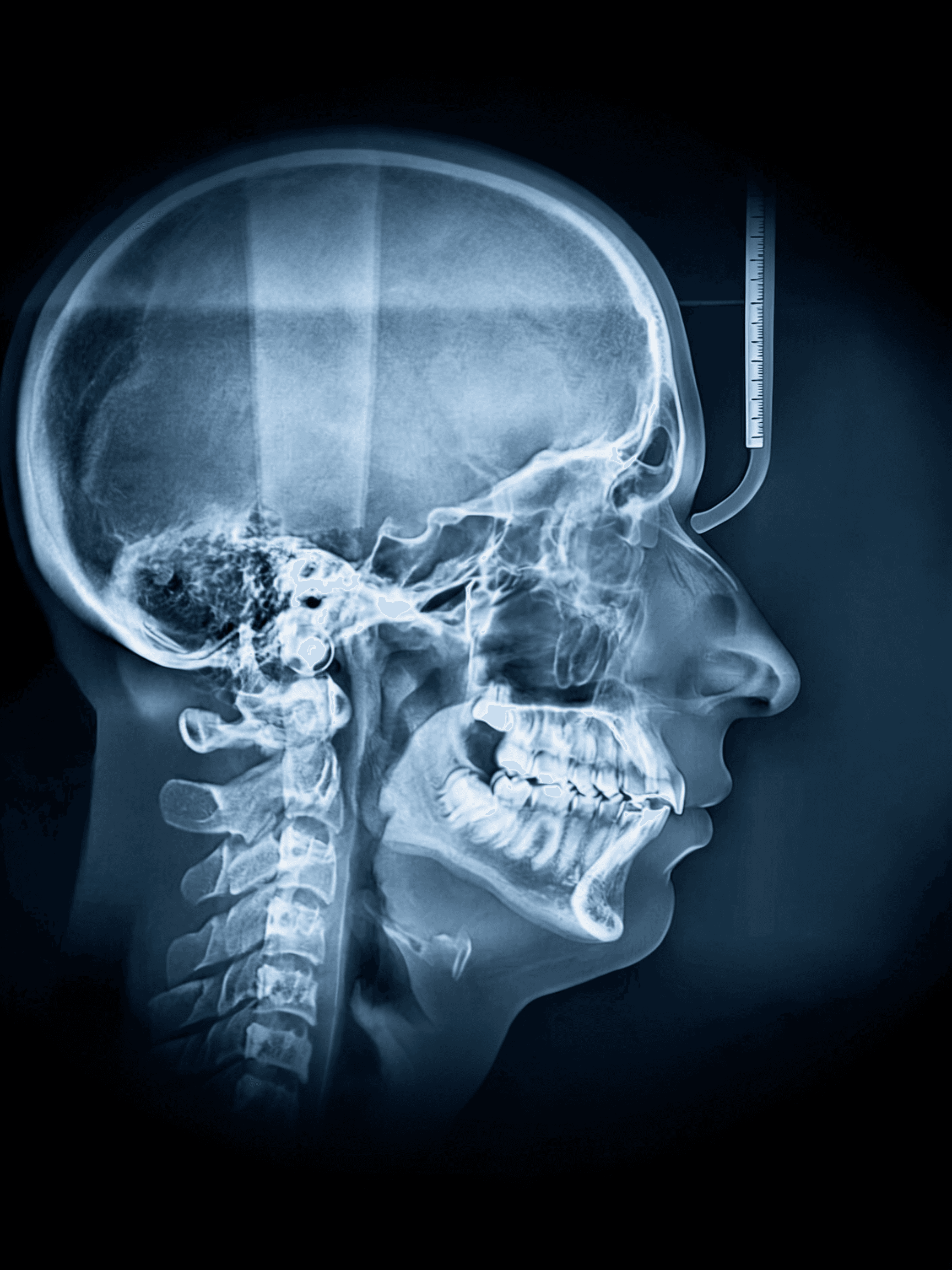
- Non-surgical and minimally invasive dental and airway interventions available at Tribeca Dental Studio: We offer a range of treatments that can support healthy breathing. This includes oral appliances designed to keep the airway open during sleep or to guide jaw development. We also conduct thorough airway imaging using 3D CBCT scans and airway volume assessments to precisely identify areas of concern.
- When referral to an ENT or oral surgeon is appropriate: Our team at Tribeca Dental Studio collaborates closely with other specialists. If our diagnostic evaluation reveals significant anatomical obstructions that require specialized surgical intervention, we will refer you to a trusted ENT or oral surgeon in the NYC area. This ensures you receive the most appropriate and comprehensive care for your unique situation.
Our holistic approach means we don’t just treat symptoms; we work to resolve the root causes of mouth breathing, often combining dental, orthodontic, and medical strategies for the best possible outcome.
Frequently Asked Questions about Correcting Mouth Breathing
We understand you likely have many questions about mouth breathing correction. Here are some of the most common ones we hear at Tribeca Dental Studio:
Can mouth breathing be permanently cured?
Yes, in many cases, mouth breathing can be permanently cured, especially when the underlying causes are identified and addressed. The key is a comprehensive approach that combines resolving physical obstructions (like enlarged tonsils or a deviated septum), correcting structural issues (through orthodontics), and retraining habitual muscle patterns (with myofunctional therapy). Consistency in exercises and lifestyle changes is crucial for reinforcing nasal breathing as the new, natural habit. With dedication and professional guidance, most individuals can achieve lasting mouth breathing correction.
How does mouth breathing affect dental health?
Mouth breathing has several detrimental effects on dental health:
- Reduces saliva: Saliva is your mouth’s natural defense mechanism, washing away food particles, neutralizing acids, and providing minerals to strengthen enamel. Mouth breathing significantly reduces saliva flow, leading to a dry oral environment.
- Increases bacteria: A dry mouth allows harmful bacteria to thrive, as there’s less saliva to rinse them away.
- Higher risk of tooth decay: With reduced saliva and increased acidity, the risk of cavities skyrockets.
- Gum inflammation: The dry, altered environment can lead to gingivitis and other forms of gum disease.
- Bad breath: The bacterial overgrowth and dryness contribute to chronic halitosis.
For comprehensive care and to learn more about protecting your oral health, visit our page on Preventive Dentistry.
Is mouth taping a safe and effective solution?
Mouth taping has gained popularity as a simple method to encourage nasal breathing during sleep. It involves placing a small piece of special tape over the lips to keep the mouth closed.
- Potential benefits for some: For individuals with clear nasal passages and a mild mouth breathing habit, mouth taping can sometimes be effective in promoting nasal breathing and reducing snoring or dry mouth.
- Risks involved: It’s crucial that your nasal passages are completely clear before attempting mouth taping. If you cannot breathe freely through your nose, taping your mouth can be dangerous, leading to sleep disruption, anxiety, or even exacerbating sleep apnea.
- Importance of clear nasal passages: Mouth taping should never be used if you have chronic nasal congestion, a deviated septum, enlarged tonsils/adenoids, or any condition that significantly restricts nasal airflow.
- Consulting a professional first: We strongly advise consulting with a healthcare professional, such as an airway-focused dentist or ENT, before trying mouth taping. They can assess your nasal patency and overall airway health to determine if it’s a safe and appropriate option for you.
Take the First Step Towards Healthier Breathing
At Tribeca Dental Studio, we are passionate about helping our patients achieve optimal health, and that journey often begins with healthy breathing. The benefits of nasal breathing are profound: improved sleep quality, improved oxygen absorption, better dental health, proper facial development, reduced stress, and increased energy.
Mouth breathing correction is not just about fixing a habit; it’s about open uping a healthier, more vibrant you. We understand that every patient is unique, and we pride ourselves on offering a personalized approach to dentistry, treating you like family. Dr. Nina Izhaky and our dedicated team are here to guide you through every step of the process, from thorough diagnosis to custom treatment plans.
Don’t let inefficient breathing hold you back. Correction is achievable, and a healthy airway is truly key to overall wellness. We invite you to experience the difference that comprehensive, airway-focused dental care can make.
Ready to breathe easier and live better? Schedule a consultation for Airway Orthodontics with us today in our Tribeca, Manhattan, New York City office. We look forward to welcoming you to the Tribeca Dental Studio family.