Unlock a Peaceful Night: Natural Cures for Teeth Grinding
March 4, 2026
Introduction: Understanding the Nightly Grind
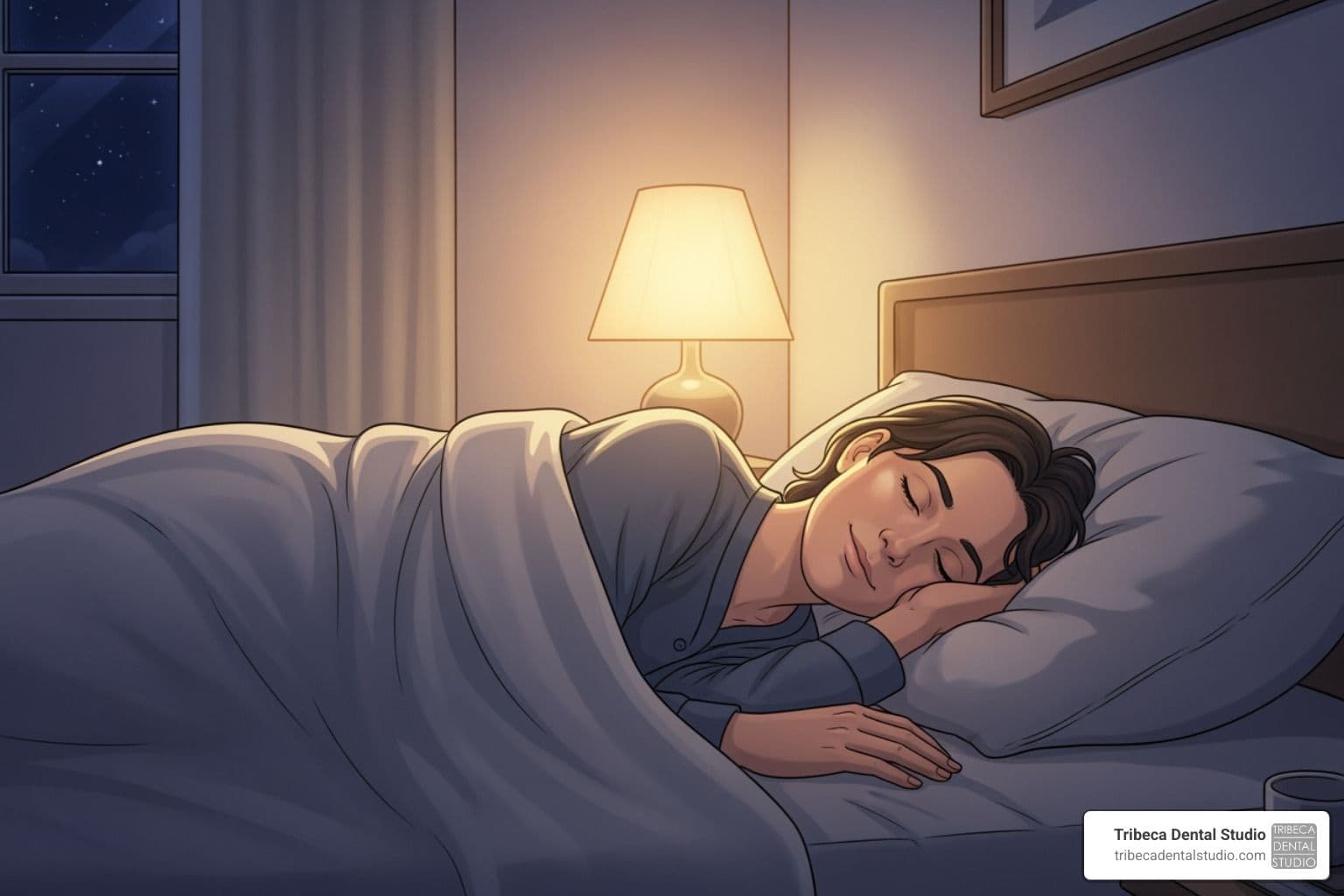
Many people search for how to cure bruxism naturally. Bruxism is the unconscious grinding or clenching of teeth, often during sleep. It has two main types: sleep bruxism (night) and awake bruxism (day). Both can lead to problems.
Common causes include stress, anxiety, and tension. Sleep disorders like sleep apnea, certain medications, and a misaligned bite can also play a role. If left untreated, bruxism can cause severe tooth wear, cracked teeth, jaw pain, and chronic headaches.
Finding natural solutions is key to protecting your oral health. Effective strategies include stress management, jaw exercises, dietary changes, and improved sleep hygiene.
As Dr. Nina Izhaky from Tribeca Dental Studio, I’m dedicated to helping patients find lasting relief. My expertise includes guiding individuals on how to cure bruxism naturally through comprehensive, personalized care.
Essential how to cure bruxism naturally terms:
How to Cure Bruxism Naturally: Mind and Body Techniques
Bruxism is often linked to our mental state, with stress and anxiety being primary triggers. This “mind-jaw connection” means that when we’re overwhelmed, our bodies tense up, often leading to teeth grinding. Releasing this emotional tension is a key step in learning how to cure bruxism naturally.

Many of our patients in Manhattan, New York City, report increased bruxism during high-stress periods. Studies show that 70 percent of people grind their teeth when stressed. Addressing this tension is crucial, and mind-body techniques can help. If you experience grind teeth anxiety, you’re not alone.
Manage Stress and Anxiety
Actively managing stress and anxiety can calm both the mind and body, reducing bruxism.
- Meditation: This practice is a powerhouse for stress reduction. Even 10-15 minutes daily can help calm the nervous system, which influences involuntary muscle contractions. The effect of mindfulness on mental health is well-documented.
- Deep Breathing Exercises: A simple tool to signal your body to relax, useful whenever you catch yourself clenching.
- Progressive Muscle Relaxation (PMR): This involves tensing and relaxing different muscle groups, helping you become more aware of relaxation and apply it to your jaw.
- Yoga and Tai Chi: These practices combine postures, breathing, and meditation for holistic stress reduction. Yoga is particularly good for reducing inflammation and stretching the neck and jaw area.
Here are 3 simple breathing exercises for bedtime:
- Belly Breathing: Lie on your back with a hand on your belly. Inhale through your nose, feeling your belly rise. Exhale slowly, feeling it fall. Repeat 5-10 times.
- 4-7-8 Breathing: Inhale through your nose for 4 counts. Hold for 7. Exhale through your mouth for 8. Repeat 3 more times.
- Box Breathing: Exhale for 4 counts. Hold for 4. Inhale for 4. Hold for 4. Repeat several times.
Use Aromatherapy for Relaxation
Essential oils can be a wonderful natural aid. Certain aromas have particularly calming effects on the brain, easing the tension that leads to grinding.
- Calming Oils: Lavender, chamomile, bergamot, and cedarwood are known for their relaxing properties.
- How to use:
- Diffusers: Add a few drops to a diffuser in your bedroom before sleep.
- Warm Baths: Mix 5-10 drops with a carrier oil (like jojoba) and add to a warm bath.
- Topical Application: Dilute 1-2 drops with a carrier oil and massage onto your jawline, temples, and neck.
Release Tension in Your Neck and Shoulders
Tension in your neck and shoulders can radiate upwards, affecting jaw muscles. Releasing this tension is a key part of how to cure bruxism naturally.
Simple exercises to release tension:
- Chin to Chest: Gently drop your chin to your chest, hold for 15-20 seconds, and repeat 3-5 times.
- Ear to Shoulder: Slowly tilt your head to one side, hold for 15-20 seconds, and repeat on the other side. Do this 3-5 times per side.
- Shoulder Rolls: Roll your shoulders up, back, and down. Reverse direction. Perform 5-10 repetitions each way.
- Desk-Friendly Exercises: Take short breaks to perform these stretches, especially if you work at a computer. This prevents tension from building up in your jaw.
Physical Relief: Jaw Exercises and Soothing Therapies
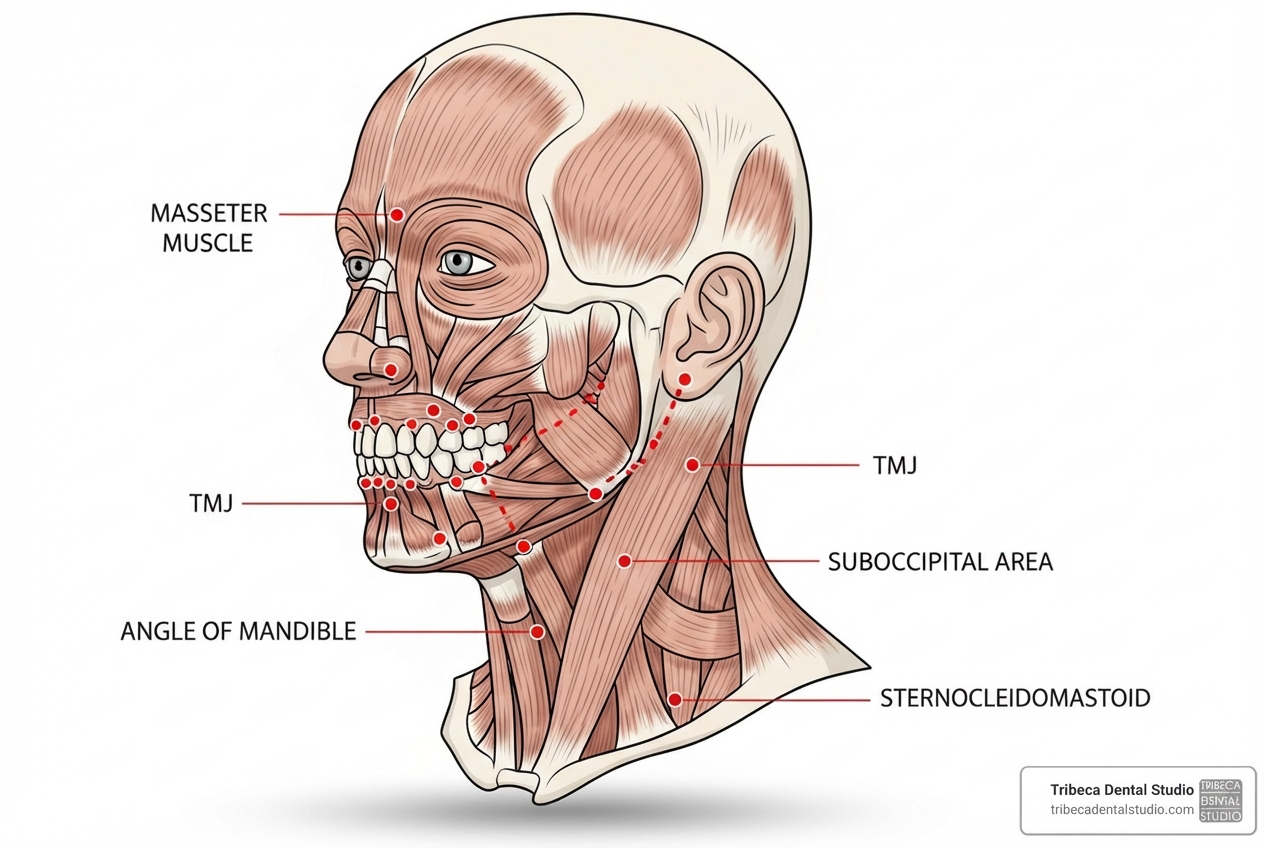
Beyond managing mental stress, direct physical intervention can provide significant relief and help retrain jaw muscles. These techniques focus on releasing tension and reducing muscle fatigue in the temporomandibular joint (TMJ) area, helping you learn how to cure bruxism naturally from a physical perspective.
How to Cure Bruxism Naturally with Jaw Exercises and Massage
Specific exercises and massage can alleviate bruxism by stretching and relaxing the clenching muscles.
- Gentle Jaw Stretching: Slowly open your mouth as wide as is comfortable, hold for 5-10 seconds, then close. Repeat 5-10 times.
- Tongue Placement Exercise: This trains your jaw to relax. Place the tip of your tongue on the roof of your mouth, just behind your front teeth. Keep your teeth slightly apart. Practice this throughout the day.
- Resisted Mouth Opening/Closing: Place your thumb under your chin and apply gentle pressure as you slowly open your mouth. To resist closing, place your thumb and index finger on your chin and gently resist as you close.
- Self-Massage Techniques:
- Massaging the Masseter Muscle: This large muscle runs from your cheekbone to your lower jaw. Using your fingertips, massage the area with gentle, circular motions for 1-2 minutes. This is effective in a warm shower.
- Using Fingertips in Circular Motions: Extend the massage to your temples and along the jawline to release other chewing muscles.
These exercises can help relieve jaw pain and stiffness.
Apply Warmth to Relax Jaw Muscles
Applying warmth is a simple, comforting way to soothe sore jaw muscles and get immediate relief.
- Hot Compress: Use a warm, moist towel or a heating pad on your jaw. The warmth helps relax the muscles around the teeth, mouth, and neck.
- How it Works: Heat increases blood flow to the area, which delivers oxygen and helps reduce pain.
- Application Time: Apply a hot compress for 15-20 minutes, especially before sleep, to help unwind tense jaw muscles.
Protect Your Teeth While You Find a Solution
While you work on how to cure bruxism naturally, it’s crucial to protect your teeth from the immense pressure of grinding, which can be up to 250 pounds.
- Custom Mouth Guards from a Dentist: At Tribeca Dental Studio, we often recommend a custom-fitted mouth guard as the first line of defense. It acts as a physical barrier between your teeth, safeguarding your enamel from chips, cracks, and wear.
- Importance of a Proper Fit: A professional makes all the difference. Unlike generic guards, a custom one is precisely molded to your teeth, ensuring comfort and effectiveness while preventing bite issues.
- Why a Custom Guard from a Dentist is Superior:
- Optimal Protection: It absorbs and distributes grinding forces evenly.
- Comfort: A snug fit makes it easier to wear consistently.
- Durability: Dental-grade materials last much longer than store-bought options.
- No Interference with Bite: A well-made guard won’t negatively impact your jaw joint.
We believe in providing pain-free dentistry, and that includes protecting your teeth while we find long-term solutions. A custom guard prevents irreversible damage and reduces symptoms like jaw pain while you implement other remedies.
Lifestyle and Dietary Adjustments for a Quieter Night
Our daily habits and diet significantly impact bruxism. Thoughtful lifestyle and dietary adjustments are a powerful part of learning how to cure bruxism naturally, as each choice can either contribute to or alleviate teeth grinding.
How to Stop Grinding Teeth in Sleep Naturally with Diet
Your diet plays a crucial role. Certain nutrients support muscle relaxation, while some foods can worsen the problem.
- Magnesium-Rich Foods: Magnesium is vital for muscle function. Low levels can contribute to teeth grinding. Good sources include:
- Leafy greens (spinach, kale)
- Nuts and seeds (almonds, pumpkin seeds)
- Bananas and avocados
- Whole grains
- Calcium Intake: Calcium works with magnesium for proper muscle function. Ensure adequate intake from dairy or fortified plant-based milks.
- Foods to Avoid: Some foods strain your jaw or overstimulate your nervous system.
- Hard or Chewy Foods: Avoid hard candies, popcorn, tough meats, and even sticky peanut butter.
- Chewing Gum: Constant chewing can keep jaw muscles tense.
Stay Hydrated and Sip Calming Beverages
Dehydration can contribute to muscle cramps and tension, potentially worsening bruxism.
- Water Intake: Aim for consistent hydration throughout the day. General recommendations are about 11 cups for women and 15 for men.
- Herbal Teas for Relaxation: A warm, non-caffeinated herbal tea in the evening can promote relaxation.
- Chamomile Tea: Known for its calming, sleep-inducing properties.
- Valerian Root Tea: A natural sleep aid that can quiet an overactive mind.
- Peppermint Tea: Can aid in muscle relaxation and ease tension headaches.
- Warm Turmeric Milk: This soothing, anti-inflammatory drink can reduce discomfort.
Avoid Stimulants and Improve Sleep Hygiene
Nighttime habits profoundly impact bruxism. Learning how to stop grinding teeth in sleep naturally involves examining these routines.
- Cutting Out Stimulants:
- Caffeine: This stimulant increases muscle activity. Avoid it after 2 PM.
- Alcohol: It disrupts restorative sleep and can increase bruxism. Avoid it before bed.
- Nicotine: Another stimulant that fragments sleep and can worsen bruxism.
- Creating a Bedtime Routine: A consistent, calming routine signals your body it’s time for sleep.
- Consistent Sleep Schedule: Go to bed and wake up around the same time daily.
- Optimize Your Bedroom: Keep it dark, quiet, and cool (around 65°F or 18°C).
- Limit Screen Time: The blue light from electronics suppresses melatonin. Put devices away at least an hour before bed. Read a book or listen to calming music instead.
Frequently Asked Questions about Natural Bruxism Relief
We frequently encounter many questions from our patients at Tribeca Dental Studio about how to cure bruxism naturally, especially concerning its impact on children and the point at which natural remedies might not suffice. Let’s address some of these common concerns.
What natural remedies can help children with teeth grinding?
Childhood bruxism is quite common, with studies estimating that anywhere from around 6% to almost 50% of children experience some degree of night-time teeth grinding. While most children outgrow it by their early teens, supporting them with natural remedies can ease discomfort and prevent potential issues.
- Stress Reduction for Kids: Just like adults, children can experience stress and anxiety, which are major triggers for bruxism.
- Calming Bedtime Routine: Establish a consistent, relaxing routine before bed. This might include a warm bath, quiet reading, or gentle conversation.
- Storytelling or Worry Journal: Encourage your child to talk about their day or write down any worries in a “worry journal.” This can help them process emotions before sleep. Sober bedtime storytelling can be a particularly effective way to engage with them and ease their minds.
- Limiting Sugar Before Bed: Sugary snacks and drinks can act as stimulants, disrupting sleep and potentially increasing teeth grinding. Opt for a light, healthy snack if needed.
- Ensuring Proper Hydration: Make sure your child drinks enough water throughout the day. Dehydration can contribute to muscle tension.
- Jaw Relaxation Exercises: Simple games that involve opening and closing the mouth gently can help children become aware of their jaw muscles and relax them.
- Warm Compresses: A warm washcloth on the jaw before bed can be soothing.
While these natural methods are helpful, if you notice severe grinding, persistent jaw pain, or damage to your child’s teeth, it’s always best to consult with a pediatric dentist.
What are the risks if I don’t treat my teeth grinding?
Ignoring bruxism, whether awake or asleep, can lead to a cascade of long-term consequences that significantly impact your oral health and overall well-being. This is why understanding how to cure bruxism naturally or through professional intervention is so vital.
- Severe Tooth Damage: This is one of the most direct and alarming consequences. The immense force of grinding (up to 250 pounds of pressure) can lead to:
- Cracked or Fractured Teeth: Teeth can develop small cracks or even break, sometimes requiring extensive dental work like crowns or root canals.
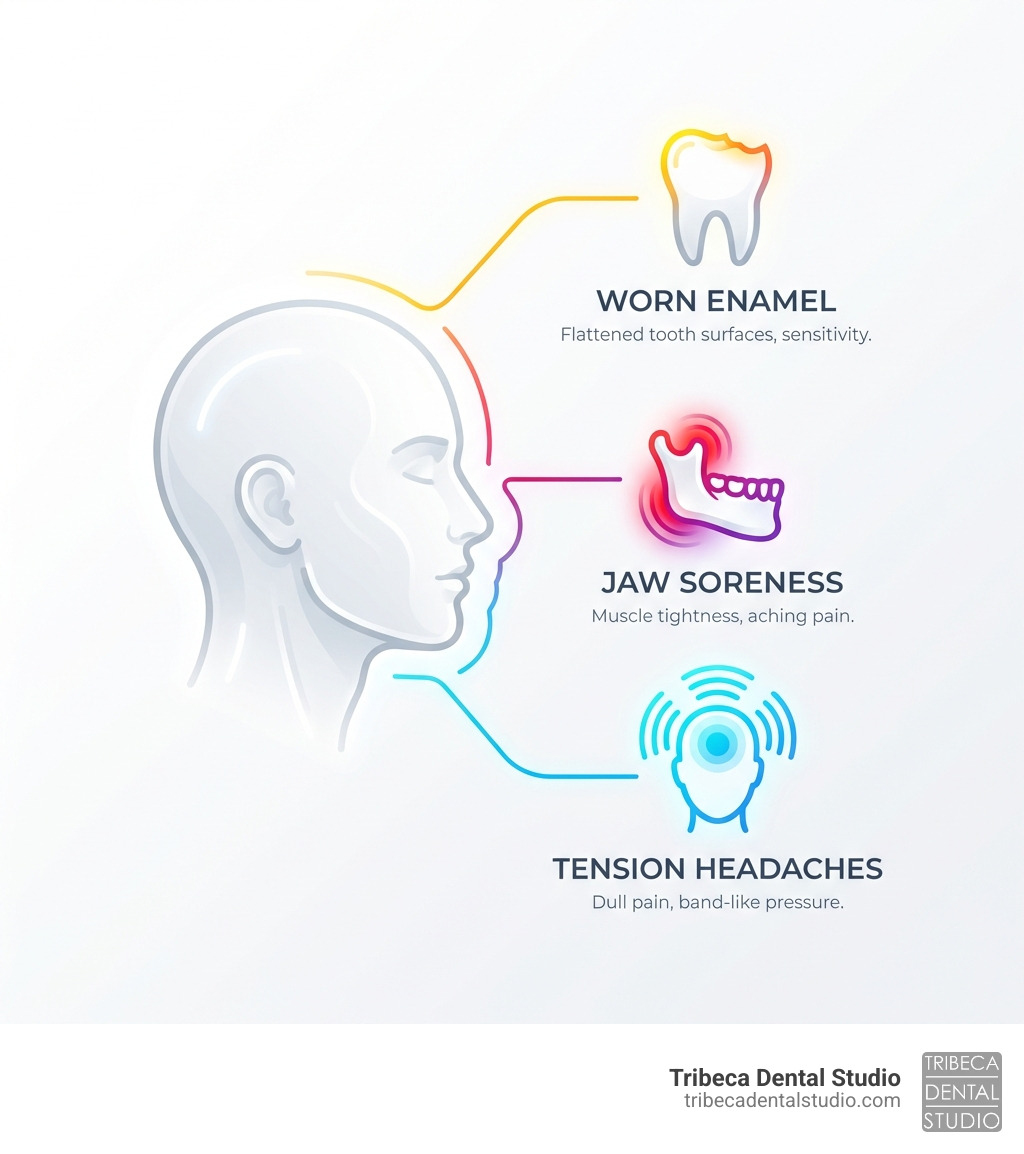
- Worn Enamel: The protective outer layer of your teeth can be ground down, leading to a flattened appearance of your teeth and exposing the sensitive dentin underneath.
- Tooth Sensitivity: With enamel loss, teeth become much more sensitive to hot, cold, and sweet foods and drinks.
- Temporomandibular Joint (TMJ) Disorders: The continuous strain on your jaw joint can lead to pain, clicking or popping sounds, difficulty opening or closing your mouth, and even jaw locking. If you’ve experienced TMJ Disorder After Wisdom Teeth Removal, you know how debilitating jaw pain can be.
- Chronic Headaches: Many bruxism sufferers experience dull headaches, especially in the temples, upon waking. This is due to the constant clenching and tension in the jaw muscles.
- Changes in Facial Appearance: In severe, long-term cases, the overdevelopment of jaw muscles can lead to a broader, more square-shaped jawline.
- Sleep Disruption: While bruxism often occurs during sleep, the associated pain and discomfort can disrupt the quality of your rest, leading to fatigue, irritability, and difficulty concentrating during the day.
The financial cost of repairing damaged teeth (crowns, root canals, implants) can be substantial, far outweighing the cost of preventative measures.
How do I know when natural remedies aren’t enough?
While we champion the pursuit of how to cure bruxism naturally, it’s important to recognize that sometimes professional intervention is necessary. Natural remedies are powerful tools for managing symptoms and addressing underlying causes like stress, but certain situations warrant a dentist or doctor’s expertise.
You should consider seeking professional help from a dentist or doctor if you experience:
- Persistent Pain: If jaw pain, headaches, or tooth sensitivity don’t improve with natural remedies after a consistent effort, it’s time for an evaluation.
- Audible Grinding that Disturbs Sleep: If a partner regularly reports loud grinding or clenching noises, it indicates a significant level of nocturnal activity that may require a custom mouth guard or further investigation.
- Chipped, Fractured, or Excessively Worn Teeth: Visible damage to your teeth is a clear sign that the grinding forces are too strong for natural methods alone. A dentist can assess the extent of the damage and recommend protective measures.
- Difficulty Opening or Closing Your Jaw: This could be a symptom of a developing TMJ disorder, which requires professional diagnosis and treatment.
- Suspected Underlying Conditions: If you suspect your bruxism is linked to a more serious issue like sleep apnea, it’s crucial to consult a doctor. Approximately 50% of adults with obstructive sleep apnea have comorbid sleep bruxism, and treating the sleep apnea can significantly improve bruxism.
- Child’s Grinding Requires Professional Attention: If your child’s grinding is severe, causes pain, damages their teeth, or is accompanied by other sleep disturbances, a pediatric dentist can assess the situation and recommend appropriate steps.
It’s estimated that 8.6% of adults experience sleep bruxism. This means it’s a common condition, and seeking professional guidance is a responsible step toward protecting your health. We can help identify the root cause, assess any damage, and create a comprehensive treatment plan that may combine natural strategies with targeted dental solutions.
Your Next Step to a Pain-Free Jaw
We’ve explored a wide array of natural strategies for how to cure bruxism naturally, from lifestyle changes and relaxation techniques to physical therapies and dietary adjustments. Each of these methods plays a vital role in creating a holistic approach to managing and reducing teeth grinding. By understanding the mind-body connection, releasing tension, and supporting our bodies with proper nutrition and healthy habits, we can significantly alleviate symptoms and improve our quality of life.
While natural remedies are incredibly effective for managing symptoms and addressing many of the underlying causes, they often work best as part of a comprehensive strategy. A professional diagnosis from an experienced dental expert is key to identifying the root cause of your bruxism, assessing any existing damage, and ensuring you receive the most appropriate and personalized treatment plan.
At Tribeca Dental Studio, we’re committed to helping our patients in Tribeca, Manhattan, and throughout New York City achieve optimal oral health and overall well-being. Dr. Nina Izhaky and our team offer comprehensive evaluations and personalized treatment plans, combining natural approaches with advanced dental solutions when needed.
If you’re ready to open up a peaceful night and say goodbye to jaw pain, we invite you to take the next step. Schedule a consultation for sleep apnea and bruxism treatment with us today. We’re here to guide you toward lasting relief and a healthier, happier smile.