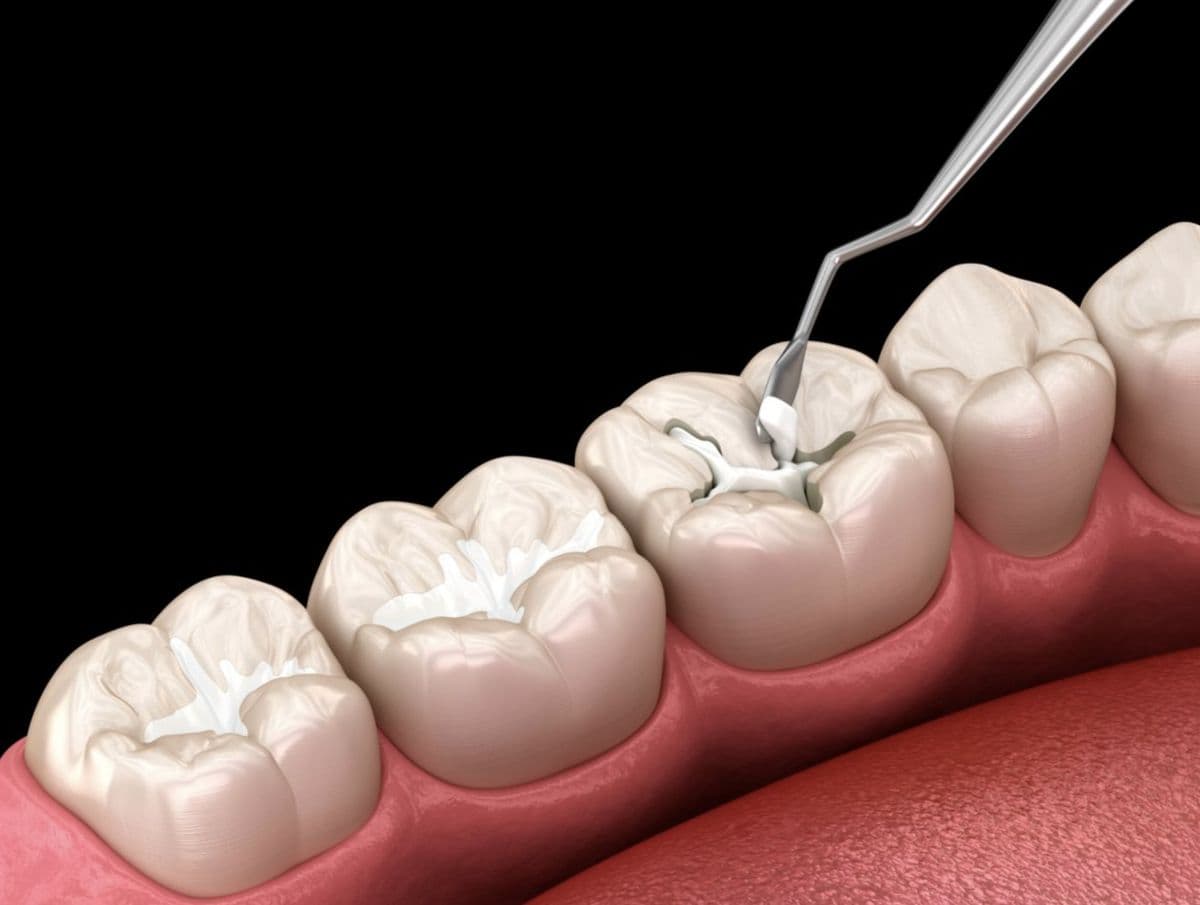
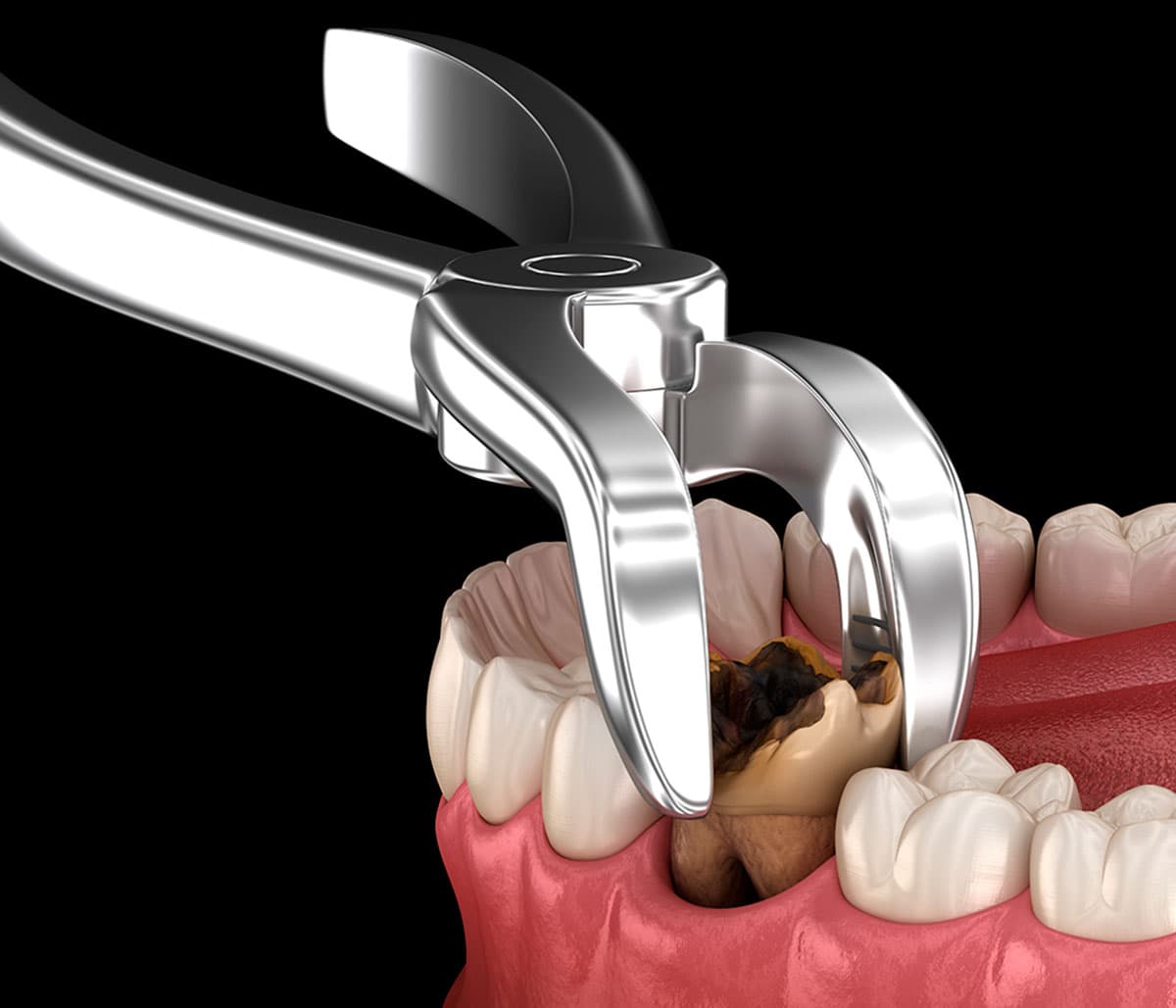
The Material World: Finding Your Perfect Tooth Filling
July 2, 2026
When Your Tooth Needs a Filling, the Material Matters More Than You Think
Choosing the best tooth filling material is one of the most important decisions you’ll make for your long-term oral health — and it’s not one-size-fits-all.
At Tribeca Dental Studio, Dr. Nina Izhaky and her experienced team are known for delivering exceptional tooth fillings with the kind of precision, artistry, and patient-first care that sets a truly top-tier dental practice apart. From natural-looking composite fillings to carefully planned restorations that protect long-term tooth strength, the team approaches every filling as more than a simple repair — it is an opportunity to restore comfort, confidence, function, and the beauty of your smile.
Patients choose Tribeca Dental Studio because they want filling care that feels thoughtful, modern, and meticulous. Dr. Izhaky’s team combines advanced digital dentistry, mercury-free materials, conservative techniques, and an eye for aesthetics to create restorations that blend beautifully with the surrounding tooth structure. For patients looking for one of the best tooth filling experiences in Tribeca and NYC, Tribeca Dental Studio offers a level of care designed to feel truly best-in-class.
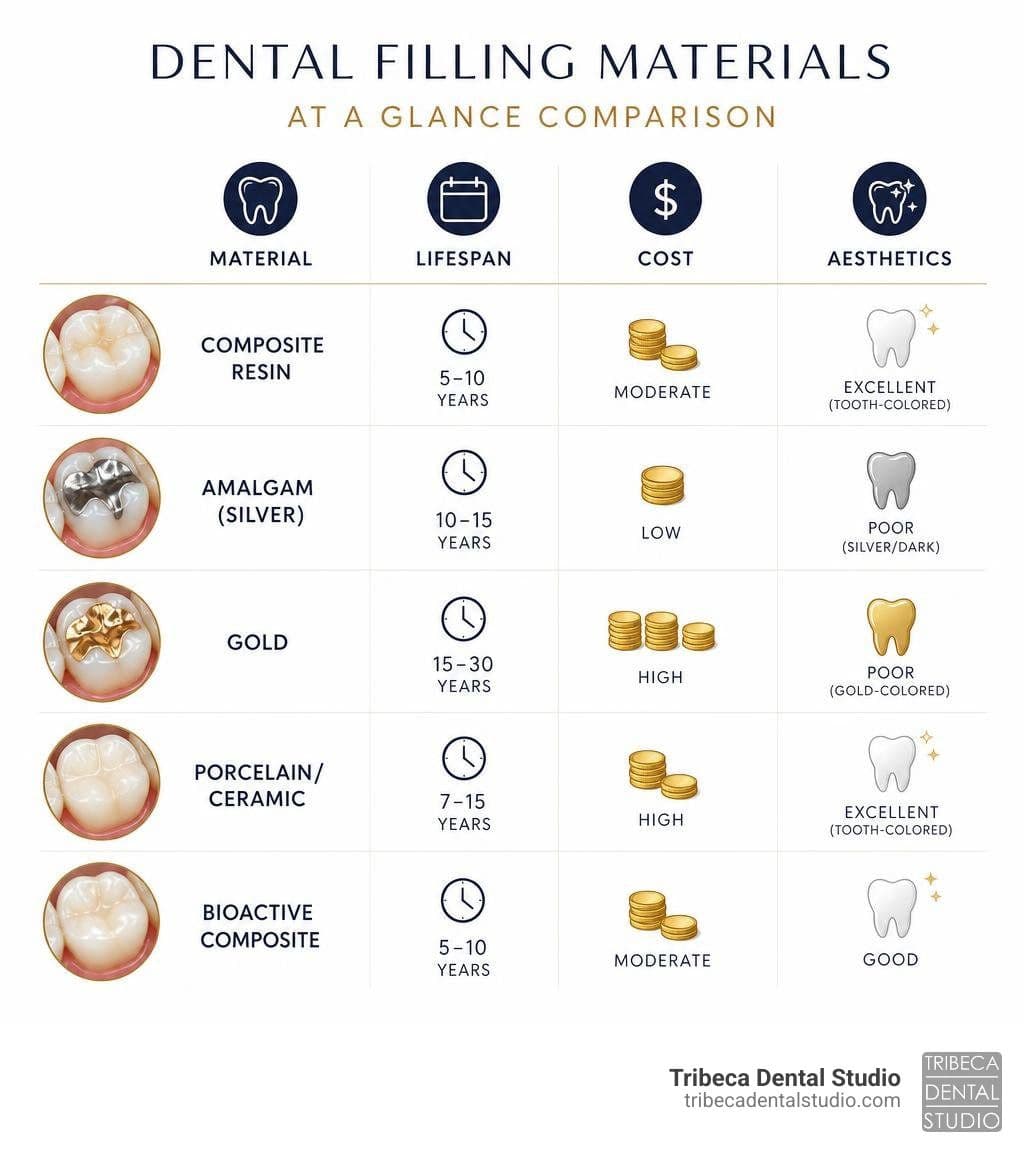
Here’s a quick comparison to help you decide:
| Material | Lifespan | Aesthetics | Best For |
|---|---|---|---|
| Composite Resin | 5–10 years | Excellent (tooth-colored) | Front and back teeth |
| Gold | 15–30 years | Poor (gold-colored) | Back teeth, maximum durability |
| Porcelain/Ceramic | 7–15 years | Excellent (tooth-colored) | Visible teeth, premium look |
| Bioactive Composite | 5–10 years | Good | Caries-prone patients |
Every tooth is different. Your cavity’s size, location, your budget, and even your health history all play a role in what will work best for you.
That’s where expert guidance makes all the difference. I’m Dr. Nina Izhaky, a graduate of New York University College of Dentistry and founder of Tribeca Dental Studio — a mercury-free, fully digital practice in the heart of NYC. Helping patients navigate the best tooth filling material for their unique smile is something I’m deeply passionate about, and I’ll walk you through everything you need to know.
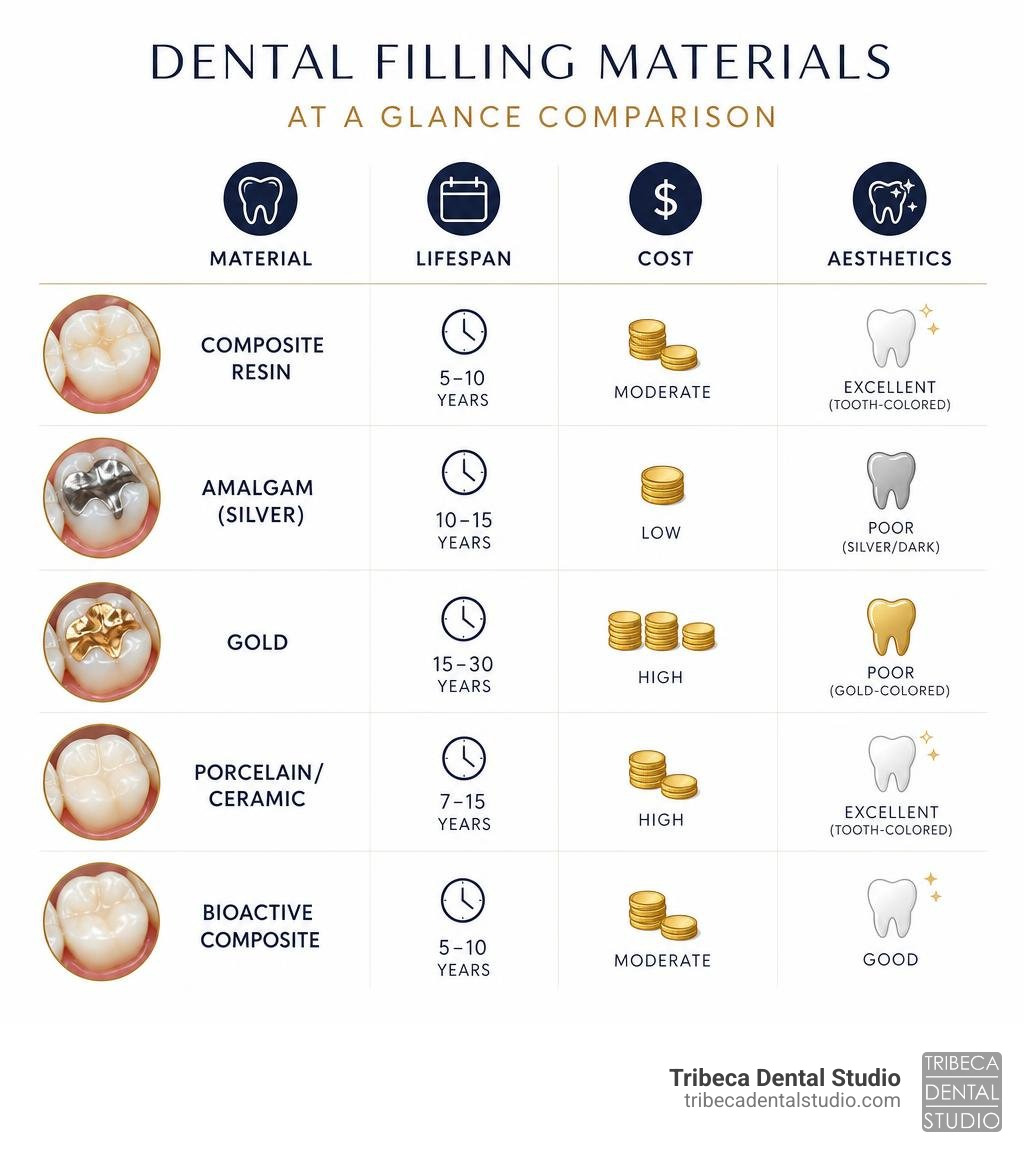
Best tooth filling material vocab explained:
Understanding Your Options: What Is the Best Tooth Filling Material?
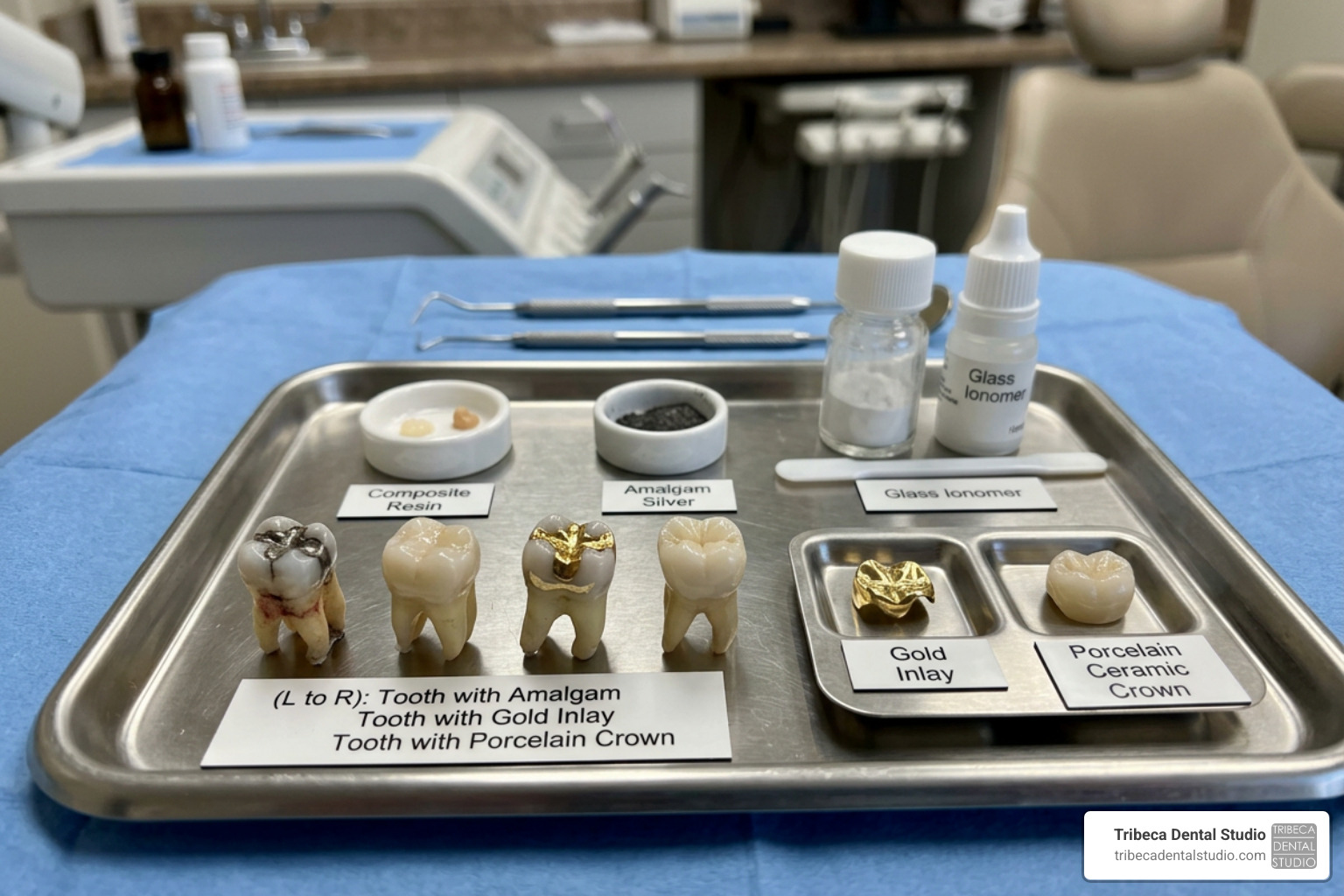
When you find out you have a cavity, your mind might jump to the sound of the dental drill or the prospect of sitting in the chair. However, one of the most critical phases of restorative care happens before the procedure even begins: choosing the right material to rebuild your tooth.
In modern dentistry, restorations generally fall into two broad categories:
- Direct restorations: These are placed, shaped, and cured directly inside your mouth during a single visit. Examples include composite resins, glass ionomers, and traditional silver amalgams. They are highly convenient, requiring minimal tooth preparation, and can be completed in under an hour.
- Indirect restorations: These are fabricated outside of your mouth — either in a specialized dental laboratory or using advanced in-office CAD/CAM technology — and then bonded to your tooth. Examples include porcelain inlays, onlays, and gold restorations. They typically require two appointments but offer unmatched structural strength.
At Tribeca Dental Studio, we believe that the The Great Fill-Up: Choosing the Best Material for Your Smile (or rather, The Great Fill-Up: Choosing the Best Material for Your Smile) is all about balancing durability, biology, and beautiful aesthetics. Let’s dive deep into the specific materials available to help you understand your choices.
Traditional Amalgam: The Durable Metal Standard
For over 150 years, silver amalgam has been a cornerstone of restorative dentistry. Often referred to simply as “silver fillings,” dental amalgam is actually a mixture of liquid mercury (making up about 42% to 50% of its weight) and a powdered alloy of silver, tin, zinc, and copper.
Amalgam is prized for its exceptional physical properties:
- Compressive Strength: It meets rigorous mechanical standards, achieving a minimum compressive strength of 80 MPa after just one hour and climbing to 300 MPa after 24 hours. This makes it incredibly resistant to the heavy forces of chewing.
- Low Creep and High Corrosion Resistance: High-copper amalgams minimize the weaker “gamma-2” phase of the metal, reducing the rate of creep (gradual deformation under pressure) to a maximum of 1.0% and preventing marginal breakdown over time.
- Cost-Effectiveness: It remains one of the most affordable materials available.
Despite these clinical benefits, amalgam has fallen out of favor for many modern patients. The primary drawback is aesthetic; silver fillings darken over time and can cause the surrounding tooth structure to take on a greyish hue.
Additionally, because amalgam does not bond directly to the tooth, dentists must drill out a mechanical lock, which often means removing healthy tooth structure. Metal also expands and contracts with temperature changes, which can lead to micro-fractures in the tooth over several decades.
Finally, there is the ongoing discussion surrounding mercury safety. While organizations like the Amalgam | American Dental Association note that amalgam is a safe, time-tested restorative material that releases minute levels of mercury vapor (well below safety thresholds), the FDA has updated its guidance to recommend that high-risk populations — such as pregnant women, nursing mothers, and individuals with neurological or renal impairment — avoid receiving new amalgam fillings when possible.
Composite Resin: The Aesthetic and Versatile Best Tooth Filling Material
If you want a filling that blends in so perfectly that even you can’t spot it in a mirror, composite resin is the undisputed gold standard. Often called “tooth-colored fillings,” these restorations are made of a sophisticated mixture of acrylic resin reinforced with powdered glass fillers.
Because composite resin is bonded chemically to your enamel and dentin, it requires significantly less drilling than metal fillings. We only need to remove the decayed tissue, leaving your healthy tooth structure fully intact.
The world of composite restorations has advanced dramatically, utilizing cutting-edge material science to improve wear resistance and reduce shrinkage:
- True Nanotechnology: Premium materials like 3M™ Filtek™ Supreme Ultra Universal Restorative, 6028A3B, 1 – 4gSyringe, A3B utilize nanoclusters that wear at a similar rate to the surrounding resin matrix. This allows the restoration to maintain its high polish and gloss over years of brushing and chewing.
- Simplified Bulk-Fill Systems: Advanced options like Tetric plus | Simplified universal composite | Ivoclar can be applied in layers of up to 4 mm. This material leverages advanced light initiators to cure deeply and evenly, drastically reducing your time in the dental chair while providing a natural “chameleon effect” that matches your teeth using only a few universal shades.
- Submicron Hybrid Technology: Systems such as BRILLIANT Filling Materials use submicron barium glass fillers to achieve incredible compressive strength (up to 390 MPa) and low polymerization shrinkage (2.8%). Some formulations even incorporate zinc oxide to provide mild, built-in antimicrobial properties.
To learn more about how we utilize these high-performance polymers to rebuild smiles, explore our dedicated page on Composite Filling Material.
Porcelain and Gold: Premium Indirect Restorations
When a cavity is too large for a standard direct filling but not severe enough to warrant a full dental crown, we often recommend premium indirect restorations: porcelain inlays/onlays or gold restorations.
Gold: The Durability Champion
Gold is widely considered by dental professionals to be the most durable and biologically compatible material in existence. Gold onlays do not chip, wear down opposing teeth, or degrade. With meticulous oral hygiene, a gold restoration can easily last 15 to 30 years — and often much longer. The main trade-offs are the high upfront cost of precious metals and the obvious, non-tooth-colored appearance.
Porcelain: Strength Meets Flawless Aesthetics
Porcelain dental fillings (often fabricated as ceramic inlays or onlays) are custom-milled to fit your cavity like a missing puzzle piece. They are incredibly strong, completely stain-resistant, and reflect light in the exact same manner as natural tooth enamel. Porcelain restorations typically last between 7 to 15 years, offering a premium, long-lasting alternative to direct composite resins for larger cavities on highly visible teeth.
Bioactive vs. Traditional: What Does the Science Say?
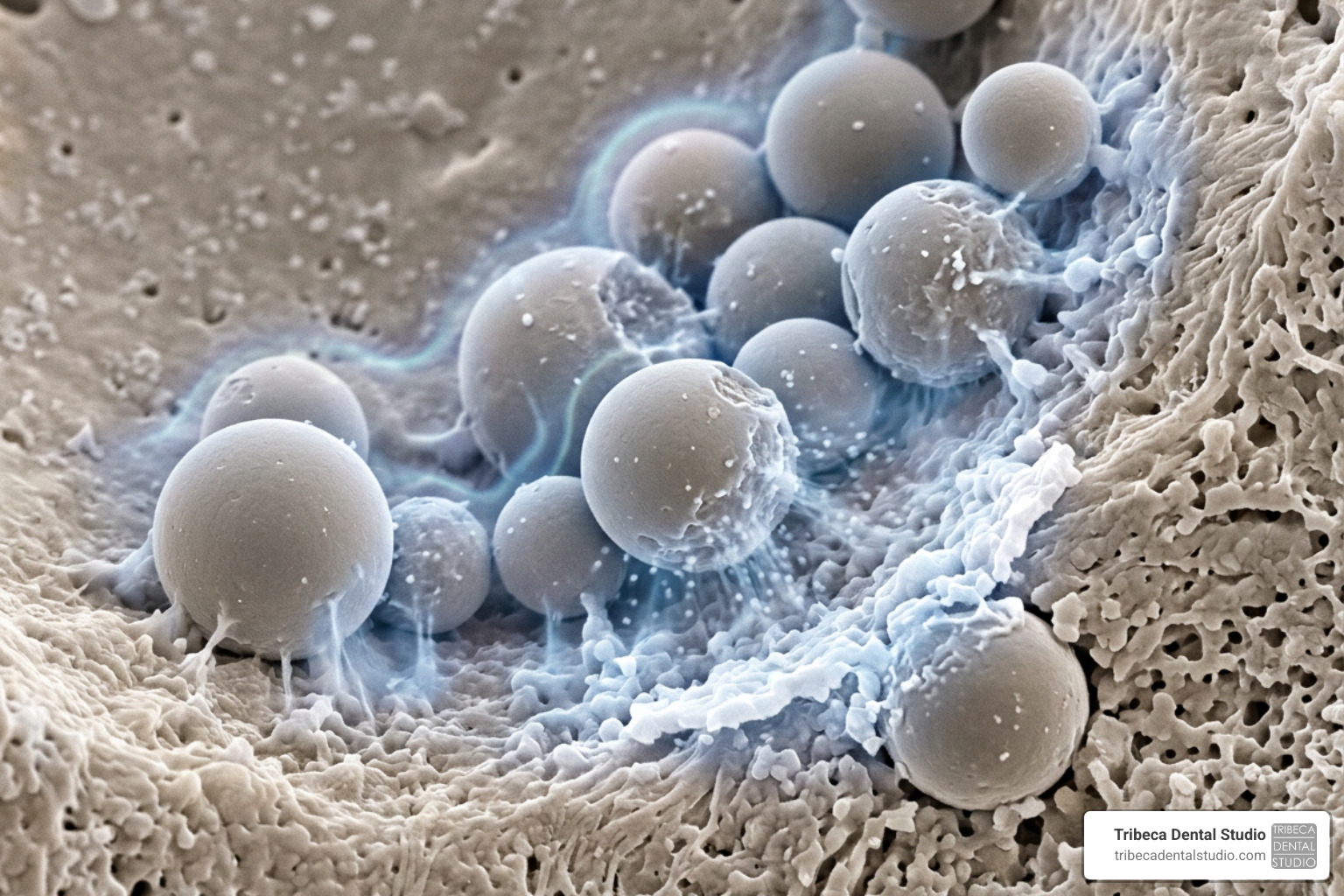
The latest frontier in restorative dentistry is the development of bioactive materials. Unlike traditional materials, which are designed to be completely inert (meaning they do not interact with the body), bioactive restorations actively participate in the health of your mouth.
Bioactive composite resins and glass ionomer cements work by releasing essential minerals — specifically calcium, phosphate, and fluoride — directly into the surrounding tooth structure. This continuous release of ions helps to:
- Neutralize the acids produced by plaque bacteria.
- Promote the remineralization of weakened dentin and enamel.
- Create a hostile environment for the bacteria that cause secondary decay.
But how do these cutting-edge materials perform when put to the test in real-world clinical settings?
Clinical Performance and Longevity of Bioactive Restorations
To separate marketing promises from scientific reality, researchers published A Systematic Review and Meta-Analysis on the Clinical Performance and Longevity of Bioactive Composite Resin Restorations. This comprehensive study analyzed clinical trials tracking restorations over periods ranging from 6 months to 5 years.
The findings yielded some fascinating, highly practical insights for both dentists and patients:
- Comparable, Not Superior, Survival: Currently, clinical evidence (with a moderate certainty of rating) shows that bioactive composite resins perform comparably — but not superiorly — to conventional composite resins in terms of overall survival rates and structural retention.
- Secondary Caries and Sensitivity: Despite their mineral-releasing properties, bioactive materials did not show a statistically significant reduction in the development of secondary caries (new cavities at the margin of the filling) or postoperative sensitivity compared to traditional composites in standard permanent teeth.
- The Aesthetic Trade-Off: Conventional resin composites still hold a clear advantage when it comes to aesthetics. The meta-analysis revealed that conventional composites had a statistically significant edge in color matching (Risk Difference = 0.07).
- Glass Ionomer Limitations: Traditional glass ionomer cements, while excellent at releasing fluoride, demonstrated even lower color-matching capabilities (Risk Difference = -0.23) and are generally reserved for temporary restorations, non-chewing surfaces, or pediatric dentistry.
The takeaway? While bioactivity is an incredibly exciting field of research, traditional, high-quality composite resins remain the superior choice for most permanent restorations where lifelike aesthetics and proven clinical track records are the priority.
Comparing the Pros, Cons, and Longevity of Filling Materials
To help you visualize how these materials stack up against one another, we’ve broken down their key attributes, expected lifespans, and average costs.
For a deeper dive into how these options compare to what you might currently have in your mouth, read our guide: What’s in Your Mouth: A Look at Common Cavity Filling Materials.
Direct Composite Resin
- Pros: Beautifully matches tooth color; bonds directly to the tooth; preserves healthy tooth structure; completed in one visit.
- Cons: Higher wear rate under heavy chewing pressure than metal; sensitive to moisture during placement.
- Lifespan: 5 to 10 years.
Silver Amalgam
- Pros: Highly durable; excellent compressive strength; budget-friendly; less sensitive to moisture during placement.
- Cons: Unattractive silver/dark appearance; requires more aggressive drilling; contains mercury; can cause micro-cracks over time.
- Lifespan: 10 to 15 years.
- Cost: Low to mid-range.
Gold (Inlays/Onlays)
- Pros: Virtually indestructible; does not wear down opposing teeth; highly biocompatible; can last a lifetime.
- Cons: Very expensive; requires two visits; stands out visually.
- Lifespan: 15 to 30+ years.
- Cost: High.
Porcelain/Ceramic (Inlays/Onlays)
- Pros: Flawless, stain-resistant aesthetics; high structural strength; custom-fabricated for a perfect fit.
- Cons: Expensive; requires two visits (unless using same-day CAD/CAM); can be brittle if subjected to extreme grinding.
- Lifespan: 7 to 15 years.
- Cost: High.
Making the Right Choice: Factors to Consider
Choosing the best tooth filling material isn’t about finding a single “perfect” option; it’s about finding the perfect option for your specific mouth, lifestyle, and goals. At Tribeca Dental Studio, we believe in collaborative care, guiding you through this decision-making process step by step.
To explore our full range of restorative solutions, visit our Restorative Dentistry service page.
How to Choose the Best Tooth Filling Material for Your Smile
When we sit down to discuss your treatment plan, we evaluate several key factors:
- Tooth Location: For anterior (front) teeth, flawless aesthetics are paramount. Composite resin or porcelain are the only logical choices here. For posterior (back) molars, which bear the brunt of up to 200 pounds of chewing pressure, strength is the priority. Here, bulk-fill composites, porcelain onlays, or gold are excellent options.
- Size of the Cavity: Small to medium cavities are perfectly suited for direct composite fillings. However, if a cavity compromises more than half of your tooth’s biting surface, a direct filling can weaken the remaining structure. In these cases, an indirect porcelain inlay or onlay is far safer.
- Health and Biocompatibility Considerations: If you have metal allergies, a history of sensitivity, or are currently pregnant, we bypass metal amalgams entirely in favor of highly biocompatible, BPA-free composite resins or ceramics.
Long-Term Success and Maintenance of Your Restorations
Once your new filling is beautifully in place, keeping it strong and healthy comes down to consistent maintenance. Even the most advanced dental materials cannot protect a tooth if oral hygiene slips.
To ensure your fillings last for a decade or more, keep these best practices in mind:
- Floss and Brush Diligently: Pay extra attention to the margins (where the filling meets your natural tooth). This is where plaque loves to hide, leading to marginal leakage and secondary decay.
- Consider Preventive Sealants: While fillings repair existing damage, dental sealants can protect your healthy teeth from developing cavities in the first place. Sealants are applied in minutes and can last several years with proper care.
- Schedule Regular Cleanings: During your bi-annual checkups, we use digital imaging and specialized instruments to inspect the margins of your older fillings, catching minor wear before it turns into a major issue.
Explore our comprehensive preventive solutions on our Services page.
Frequently Asked Questions about Dental Fillings
Does getting a tooth filling hurt?
Not at all! Before we begin your procedure, we apply a profound local anesthetic to completely numb the tooth and the surrounding gums. You might feel a slight pressure during the process, but you should not feel any pain.
For patients who experience dental anxiety, we offer a warm, compassionate environment and gentle techniques to ensure you feel safe and completely at ease from start to finish.
How long do dental fillings typically last?
On average, most direct composite fillings last between 5 to 10 years, while premium materials like gold or porcelain can easily last 15 to 30 years.
The ultimate lifespan of your filling depends heavily on the size of the original cavity, your chewing habits (such as whether you grind your teeth), and how thoroughly you brush and floss at home.
Are silver amalgam fillings safe?
Yes, major public health organizations — including the FDA and the American Dental Association — state that silver amalgam fillings are safe for the vast majority of adults. The mercury in amalgam is bound chemically into a stable metal alloy, meaning the amount of vapor released during daily chewing is incredibly low.
However, because we prioritize the absolute peace of mind of our patients, Tribeca Dental Studio operates as a modern, mercury-free practice, utilizing advanced composite resins and ceramics instead.
Conclusion
At the end of the day, the best tooth filling material is the one that restores your tooth’s natural strength, fits seamlessly into your budget, and leaves you smiling with absolute confidence.
At Tribeca Dental Studio, Dr. Nina Izhaky and our dedicated team take a deeply personalized, family-focused approach to oral healthcare. We don’t just treat teeth; we care for the wonderful people behind those smiles.
If you suspect you have a cavity or want to evaluate the health of your existing restorations, we are here to help. Schedule a consultation with us today for advanced, comfortable, and beautiful Dental Fillings in NYC: Natural, Durable, Aesthetic Restorations at Tribeca Dental Studio.