Chipped Crown? What to Do When Your Dental Work Needs a Fix
March 5, 2026
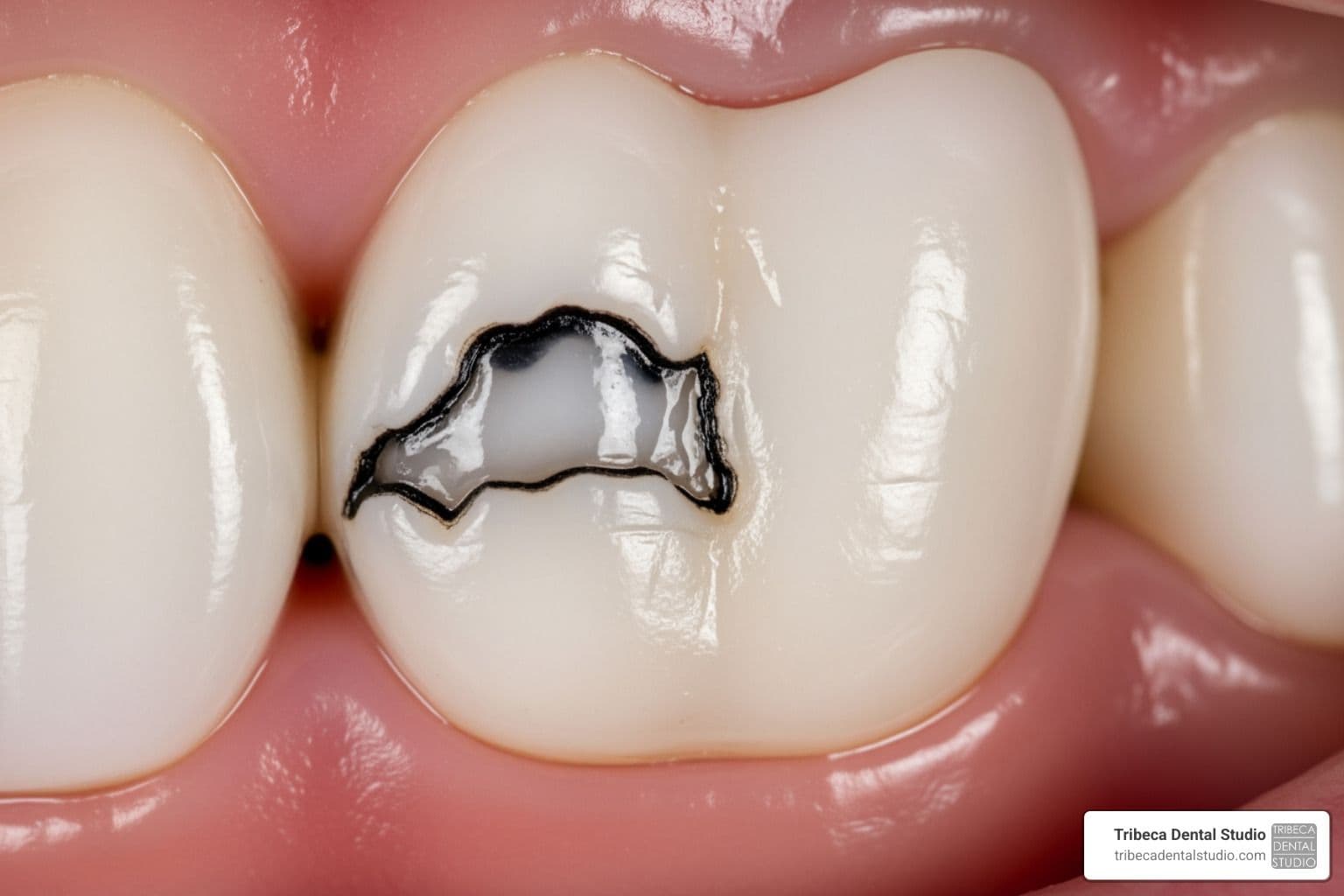
Understanding Your Chipped Tooth Crown Situation
A chipped tooth crown can be alarming, often happening unexpectedly. If you’re facing this issue, here’s what you need to know immediately:
Quick Action Steps:
- Check the damage: Look for sharp edges, missing pieces, or an exposed tooth.
- Save broken pieces: Rinse them and keep them in a clean container.
- Rinse your mouth: Use warm salt water to clean the area.
- Manage discomfort: Apply dental wax to cover sharp edges.
- Avoid the area: Don’t chew on that side until you see a dentist.
- Call your dentist: Schedule an appointment as soon as possible, especially if you have pain.
The good news is that most chipped crowns can be repaired or replaced. Small chips may only need smoothing or bonding, while larger breaks might require a full crown replacement. Prompt action is key to preventing further damage or infection.
As Dr. Nina Izhaky, I’ve treated hundreds of chipped tooth crown cases in my Tribeca practice. I understand how concerning this can feel. With over a decade of experience in restorative and cosmetic dentistry, I’ll walk you through what to expect and how to protect your smile.
Must-know chipped tooth crown terms:
Why Dental Crowns Chip and What They’re Made Of
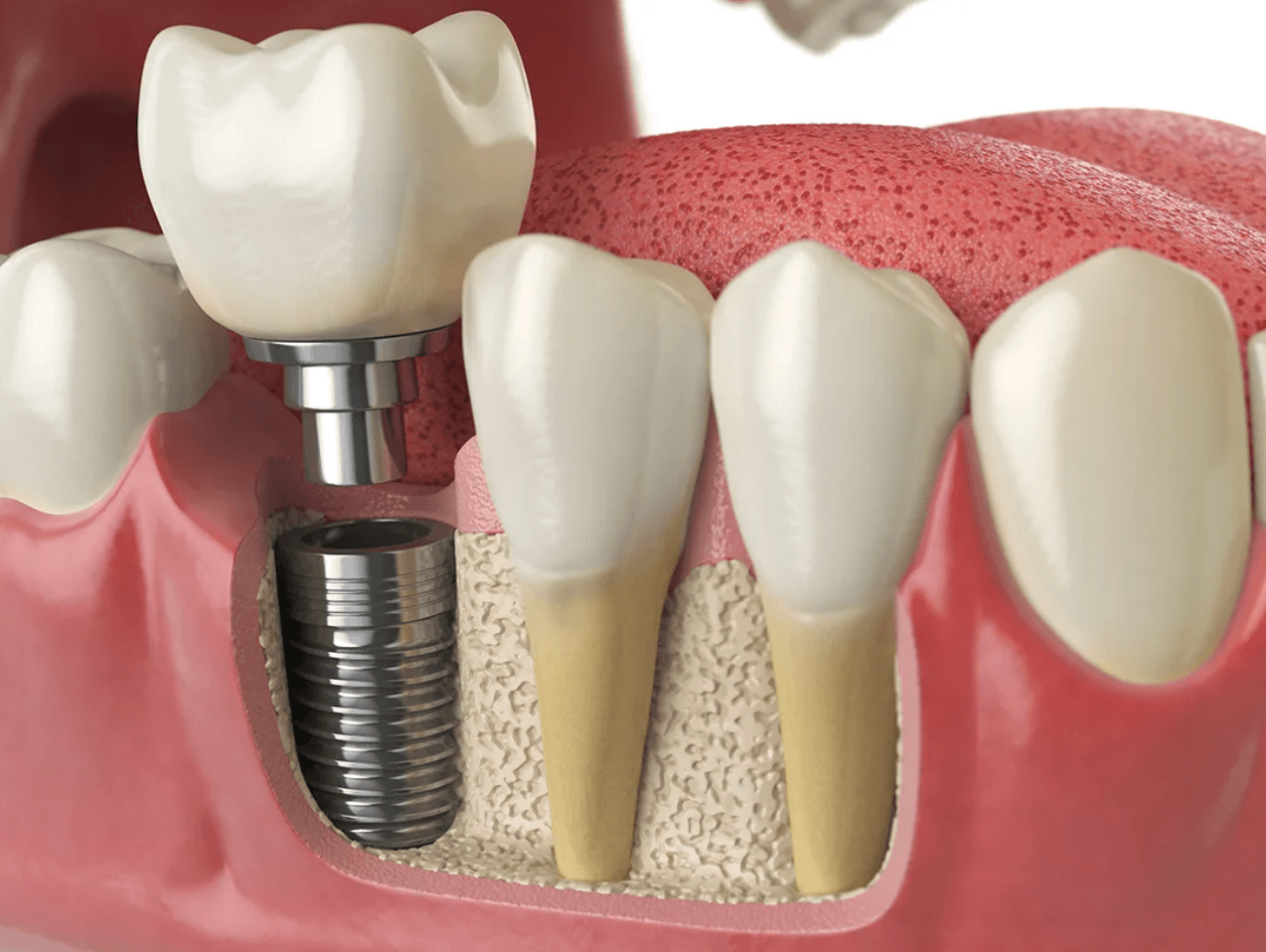
A dental crown is a protective “cap” placed over a damaged tooth to restore its shape, strength, and appearance. As the American Dental Association explains, a dental crown is a “cap” placed over a tooth to become its new outer surface. While designed for durability, chipped tooth crowns can still occur for several reasons:
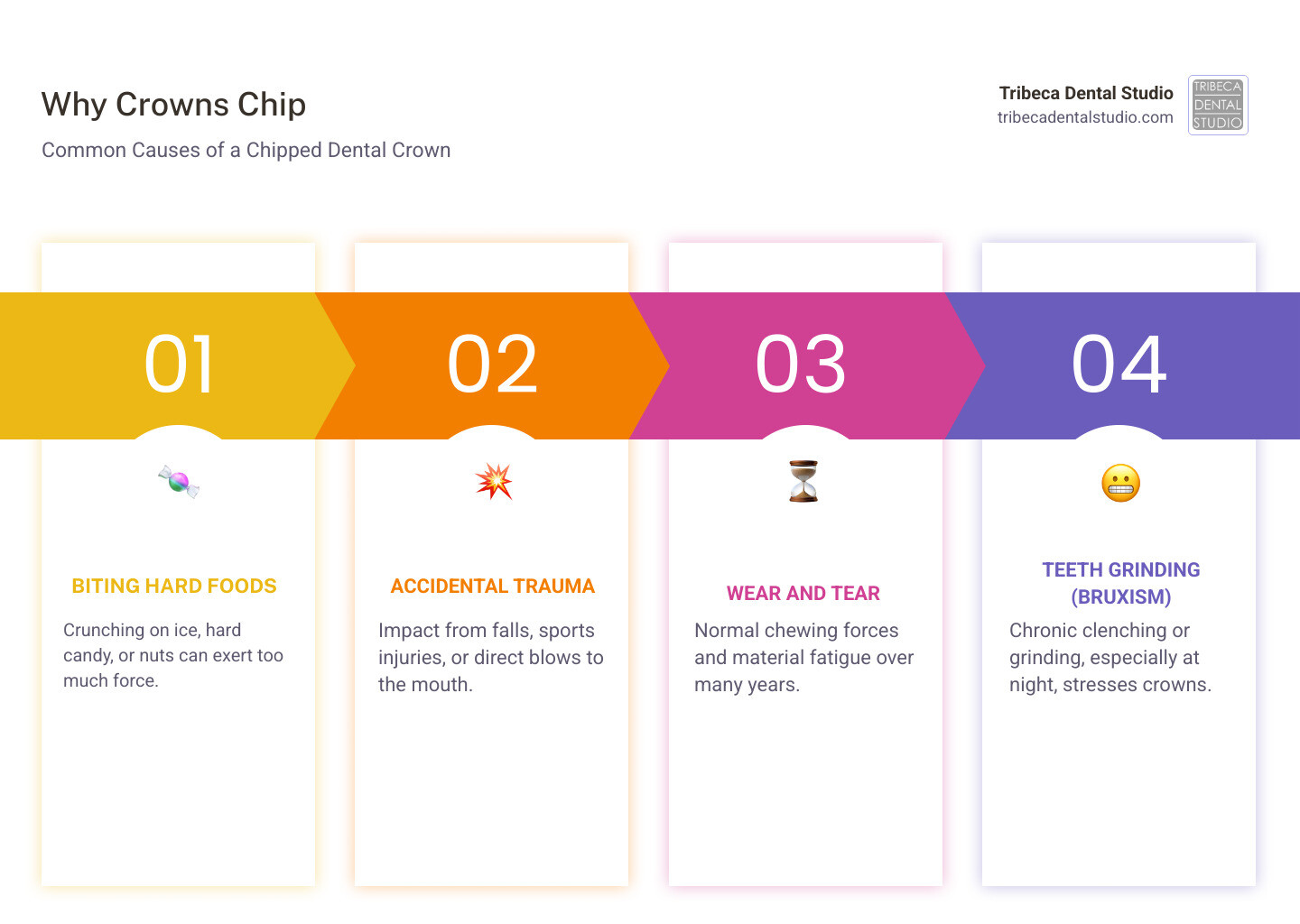
- Biting on Hard Foods: Biting into ice, hard candy, or a popcorn kernel can cause a chip.
- Trauma: A fall, sports injury, or other accident can damage a crown.
- Wear and Tear: The daily forces of chewing gradually wear down restorations over time.
- Teeth Grinding (Bruxism): Clenching or grinding puts immense stress on crowns, often leading to damage. Scientific research on bruxism highlights its impact on dental work.
- Using Teeth as Tools: Opening packages or biting nails can cause a crown to chip.
- Underlying Tooth Decay: Decay at the crown’s edge can weaken its foundation, making it prone to breaking.
What are the different types of crowns?
The material used for your crown affects its durability and appearance. Choosing the right one is key to preventing future issues.
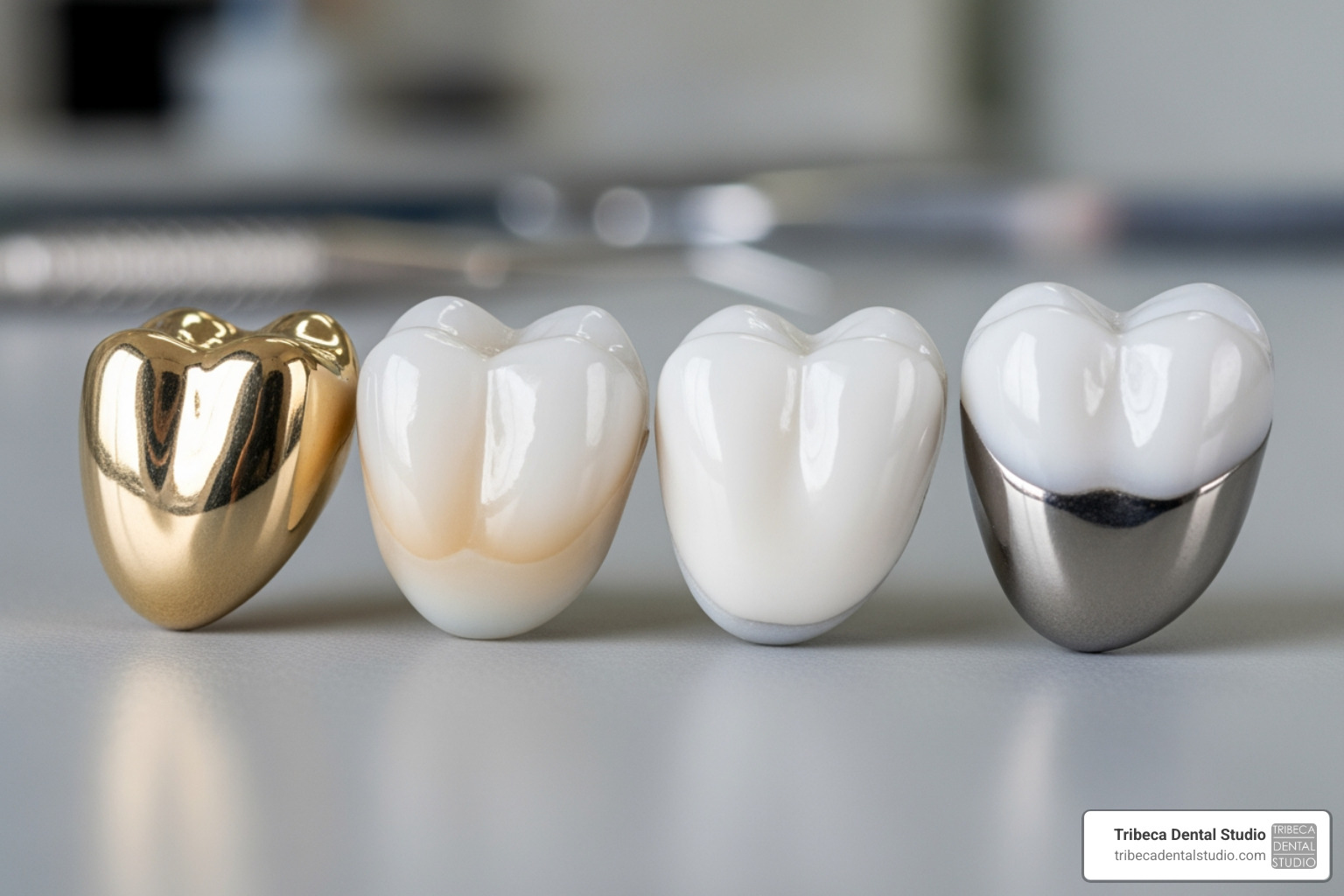
- All-Porcelain (All-Ceramic): Best for aesthetics, especially on front teeth. They are metal-free but can be more brittle than other types.
- Zirconia: A high-strength ceramic offering a great balance of durability and a natural look. Suitable for both front and back teeth.
- Porcelain-Fused-to-Metal (PFM): A strong metal base with a porcelain overlay for a natural appearance. The porcelain can sometimes chip, revealing the metal underneath.
- Metal Alloys (e.g., Gold): Extremely strong and durable, making them ideal for back molars. Their metallic color is the main drawback.
- Resin: A less expensive option but also less durable. Resin crowns are more prone to wear and fracture and are often used as temporary solutions.
Is it normal for a dental crown to break?
Yes, it’s normal for a crown to chip or break. While they are designed to last five to 15 years (and often longer), they are not indestructible. The constant pressure from chewing and biting means that even the strongest materials can eventually succumb to force. A chipped tooth crown is a common issue we see and is not necessarily a sign of poor dental work. For more details on cosmetic solutions, explore our more info about cosmetic dentistry options.
First Steps: What to Do Immediately for a Chipped Crown
Finding a chipped tooth crown can be unsettling. Knowing what to do immediately can prevent further damage and discomfort. Here are the crucial first steps:
- Assess the Area: Gently check for sharp edges, pain, sensitivity, or looseness. Note if a piece is missing.
- Save the Broken Piece: If you can find the piece, rinse it and store it in a clean container. We may be able to re-cement it.
- Rinse Your Mouth: Swish with warm salt water to clean the area and reduce inflammation.
- Protect Your Mouth: Use dental wax (from a pharmacy) to cover any sharp edges irritating your tongue or cheek.
- Avoid Chewing on That Side: Stick to soft foods and chew on the opposite side to prevent more damage.
For more information on managing discomfort, you might find our guide on more info about crown sensitivity helpful.
When should I see a dentist?
Prompt professional attention is always recommended for a chipped tooth crown. Even minor damage can lead to more serious issues.
Call for an Immediate Appointment if You Have:
- Severe pain or discomfort
- Visible bleeding from the area
- A large fracture or an exposed underlying tooth
- A loose or completely dislodged crown
- Sharp edges causing injury to your mouth
Schedule an Urgent Appointment for:
- A minor chip with no pain (it still needs to be checked)
- Aesthetic concerns, especially on a front tooth
The bottom line: don’t wait. Ignoring a damaged crown can lead to decay, infection, or further breakage. If you have a broken or chipped tooth crown, visit our dental office for prompt care and peace of mind.
Repair or Replace? Treatment Options for a Chipped Tooth Crown
When you visit our Tribeca office, we’ll evaluate your chipped tooth crown to determine the best course of action. The examination includes a visual inspection and may involve X-rays to check the underlying tooth. The extent of the damage, the crown’s location, and your tooth’s health will guide our decision. Our goal is to provide the most effective and conservative treatment. For more on our approach, see our page on more info about restorative dentistry.

Can a small chipped tooth crown be repaired?
Yes, a small chip can often be repaired. If the chip is minor and the crown’s structure is sound, we have two main options:
- Smoothing and Polishing: For very small, rough chips, we can simply smooth and polish the area to make it comfortable and prevent bacteria buildup.
- Dental Bonding: For slightly larger chips, we can bond a tooth-colored composite resin to the damaged area. The resin is matched to your crown, applied, shaped, and hardened, blending seamlessly with the tooth. Learn more about this technique here: more info about composite bonding.
When does a chipped tooth crown need to be replaced?
A full replacement is necessary when the damage is more severe. We typically recommend a new crown in these situations:
- Large Fractures: If a significant piece has broken off, compromising the crown’s strength.
- Recurrent Decay: If there is new decay under the existing crown.
- Exposed Tooth Pulp: If the chip is deep enough to expose the tooth’s sensitive inner pulp.
- Aesthetic Concerns: If a repair won’t provide a satisfactory cosmetic result, especially on a front tooth.
The replacement process usually involves two visits: one to prepare the tooth and place a temporary crown, and a second to fit your new, custom-made permanent crown. Learn more about our more info about Manhattan dental crowns.
Preventing Future Damage and Understanding Risks
After your chipped tooth crown is fixed, the focus shifts to prevention. You can extend the life of your crowns with these proactive steps:
Prevention Strategies We Recommend:
- Mindful Eating: Avoid chewing on hard items like ice, hard candy, and popcorn kernels.
- Use a Mouthguard: Wear a custom-fitted mouthguard for sports to protect against trauma.
- Address Teeth Grinding: If you grind your teeth (bruxism), a custom night guard can prevent damage to your crowns while you sleep.
- Maintain Good Oral Hygiene: Brush and floss daily, paying special attention to the area around the crown to prevent decay.
- Regular Dental Check-ups: Visit us every six months to monitor your crowns and catch any potential issues early.
What are the risks of not treating a chipped crown?
Ignoring a chipped tooth crown, even if it doesn’t hurt, can lead to serious problems. The potential risks include:
- Increased Sensitivity and Pain: An exposed underlying tooth can become sensitive to temperatures and pressure, eventually leading to pain.
- Tooth Decay: A chip creates a space for bacteria to accumulate, leading to decay under the crown.
- Infection or Abscess: Untreated decay can lead to a painful infection at the tooth’s root.
- Further Fracture: A small chip weakens the crown and the tooth, making a larger break more likely.
- Need for More Extensive Treatment: Delaying a simple fix can result in the need for a root canal, a full crown replacement, or even tooth extraction.
Postponing dental work often leads to more complex and costly treatments. Learn more about the importance of timely care in our article on more info about why a crowned tooth might hurt.
Frequently Asked Questions about Chipped Crowns
Here are answers to common questions about a chipped tooth crown.
How long do dental crowns typically last?
Dental crowns generally last between five and 15 years, but many can last much longer with proper care. Longevity depends on the crown material, your oral hygiene, biting habits (like grinding), and regular dental check-ups.
Can a dentist fix a chipped crown without replacing it?
Yes. For a small chipped tooth crown, a dentist can often repair it by either smoothing the rough edge or applying a tooth-colored composite bonding material. However, large fractures or chips that expose the underlying tooth typically require a full crown replacement.
Is a chipped crown a dental emergency?
A chipped tooth crown can be a dental emergency if you have severe pain, bleeding, a large fracture exposing the inner tooth, or if the crown is loose. If you don’t have these symptoms, it’s still an urgent issue that needs prompt attention to prevent further problems. When in doubt, call your dentist for guidance.
Your Next Step for a Healthier Smile
A chipped tooth crown can be a jarring experience, but it’s a common dental issue with effective solutions. We hope this guide has provided you with a clear understanding of what to do, what to expect, and how to prevent future occurrences.
To recap, your immediate actions are crucial: assess the damage, save any broken pieces, rinse with warm salt water, and use temporary measures to manage discomfort and protect your tooth. Most importantly, don’t delay in contacting us. Whether it’s a small chip that needs a simple repair or a larger fracture requiring a new crown, prompt professional care is the key to preventing further complications and restoring your smile.
At Tribeca Dental Studio, we understand that every patient is unique, and we pride ourselves on offering a personalized approach to dentistry. Dr. Nina Izhaky and our team are committed to treating you like family, providing comprehensive, advanced, and welcoming oral healthcare right here in Manhattan. We use state-of-the-art technology to diagnose your chipped tooth crown accurately and deliver the most effective, comfortable treatment options.
If you’re dealing with a chipped tooth crown or have any concerns about your dental health, please don’t hesitate to reach out. We’re here to help you regain your peace of mind and maintain a healthy, confident smile. You can learn more about our dental crown services and schedule your appointment with us today.