Root Canal Recovery: Do You Need a Crown After All?
March 21, 2026
Why Dental Crowns Are Essential for Severe Cavity Treatment
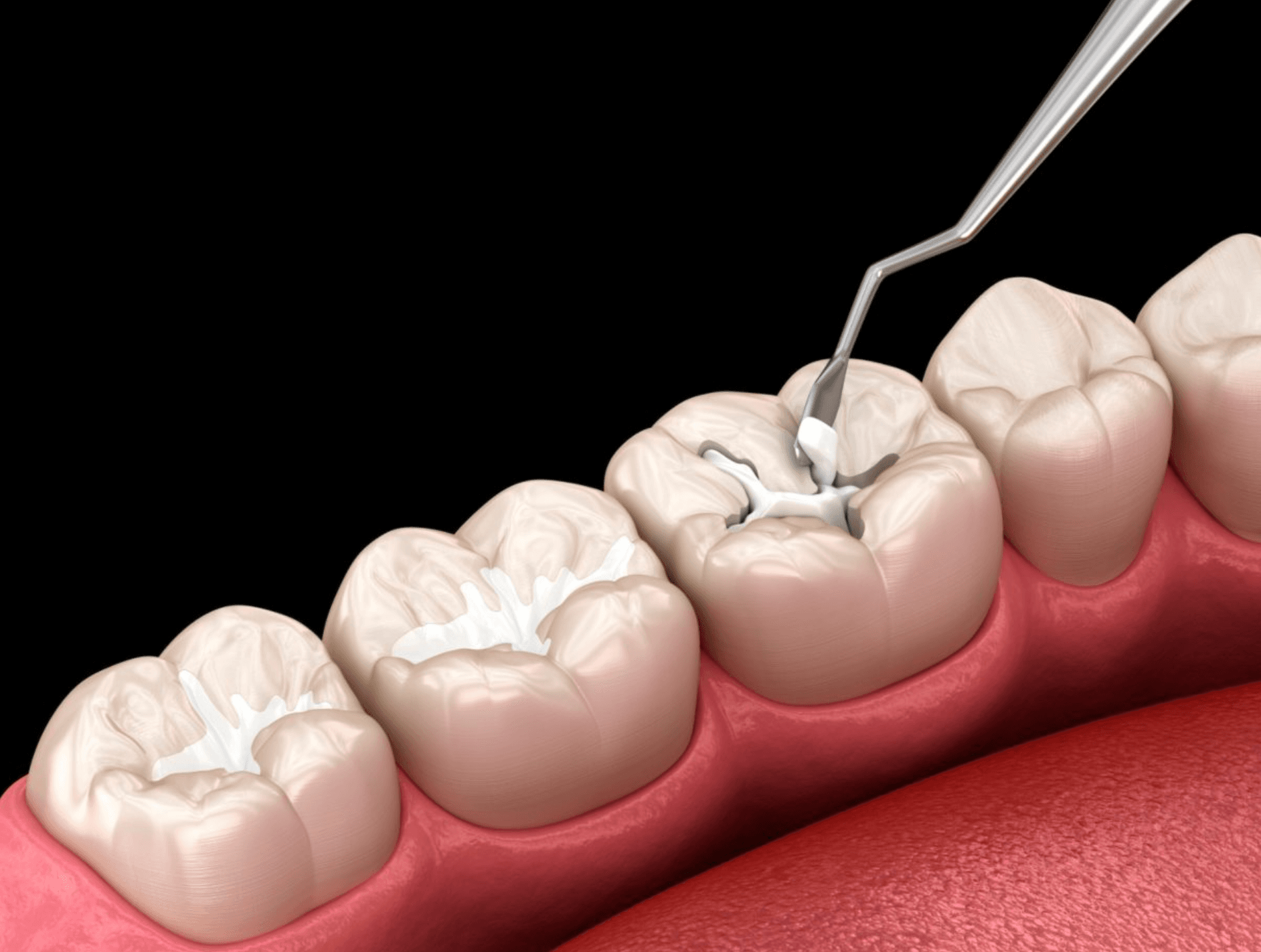
A crown for cavity treatment becomes necessary when tooth decay is too extensive for a simple filling to restore the tooth’s strength and function. Here’s when you need a crown instead of a filling:
When a Crown Is Needed for Cavity Treatment:
- Large cavities – When more than 50% of the tooth structure is compromised
- Deep decay – When the cavity extends close to or into the tooth’s pulp (nerve)
- After root canal – To protect the weakened, brittle tooth structure
- Cracked or fractured teeth – When decay has weakened the tooth walls
- Failed large fillings – When previous restorations can no longer hold
- Worn-down teeth – From grinding (bruxism) combined with decay
While a dental filling works well for small cavities, think of your tooth like a house with a crumbling wall. A small hole is easy to patch, but when half the wall is gone, you need more than a patch—you need structural reinforcement. That’s exactly what a crown does for a severely damaged tooth.
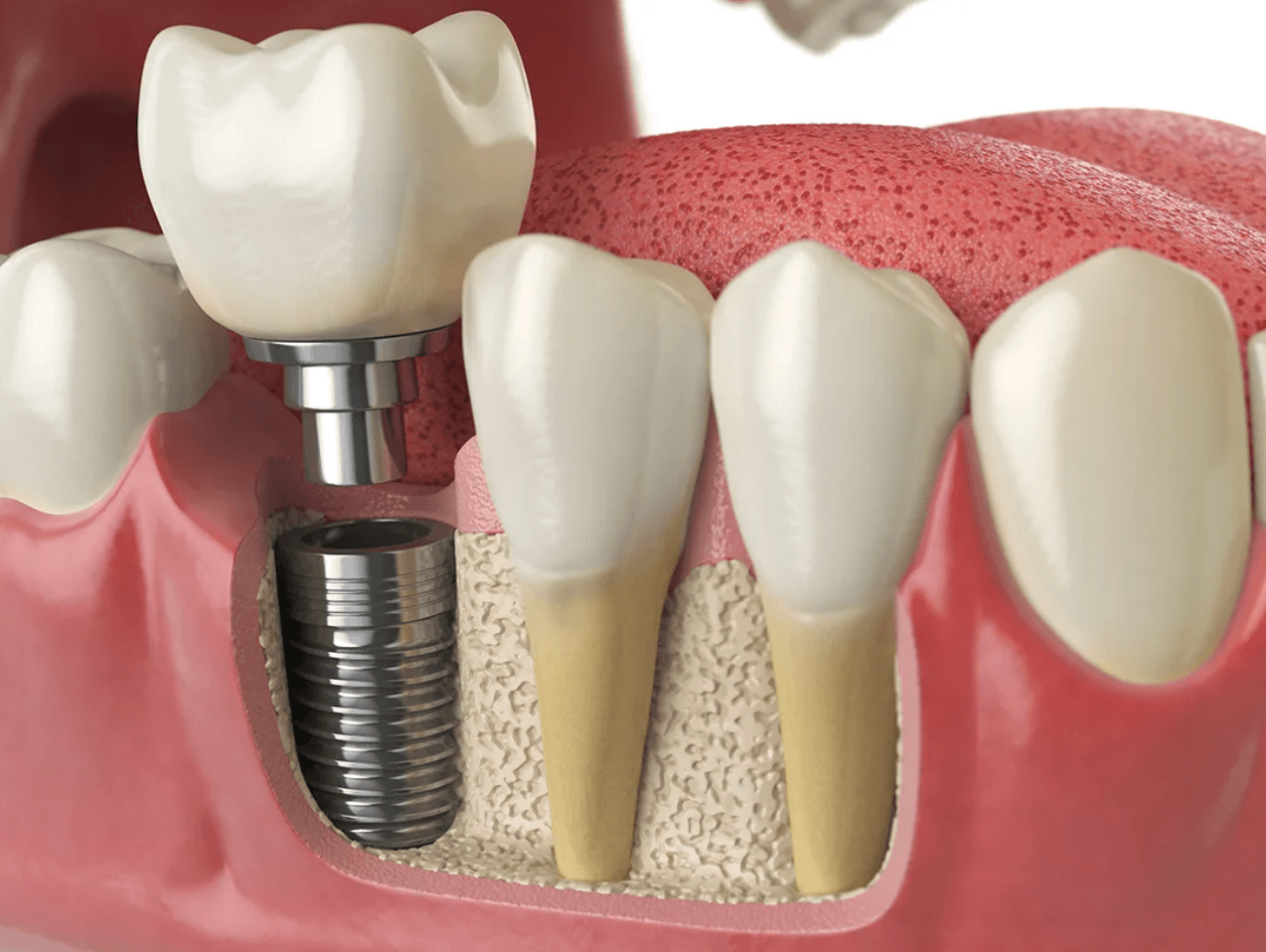
The crown acts like a protective cap that covers the entire visible portion of your tooth above the gum line. It restores the tooth’s shape, protects it from further damage, and allows you to chew normally again. On average, dental crowns last between 10 and 15 years, with proper care extending their lifespan even longer.
As Dr. Nina Izhaky, I’ve placed countless crowns for cavity treatment in my Tribeca practice, helping patients preserve their natural teeth while restoring both function and aesthetics. My focus is on providing personalized care using advanced digital technology to ensure every crown for cavity treatment is precise, comfortable, and long-lasting.
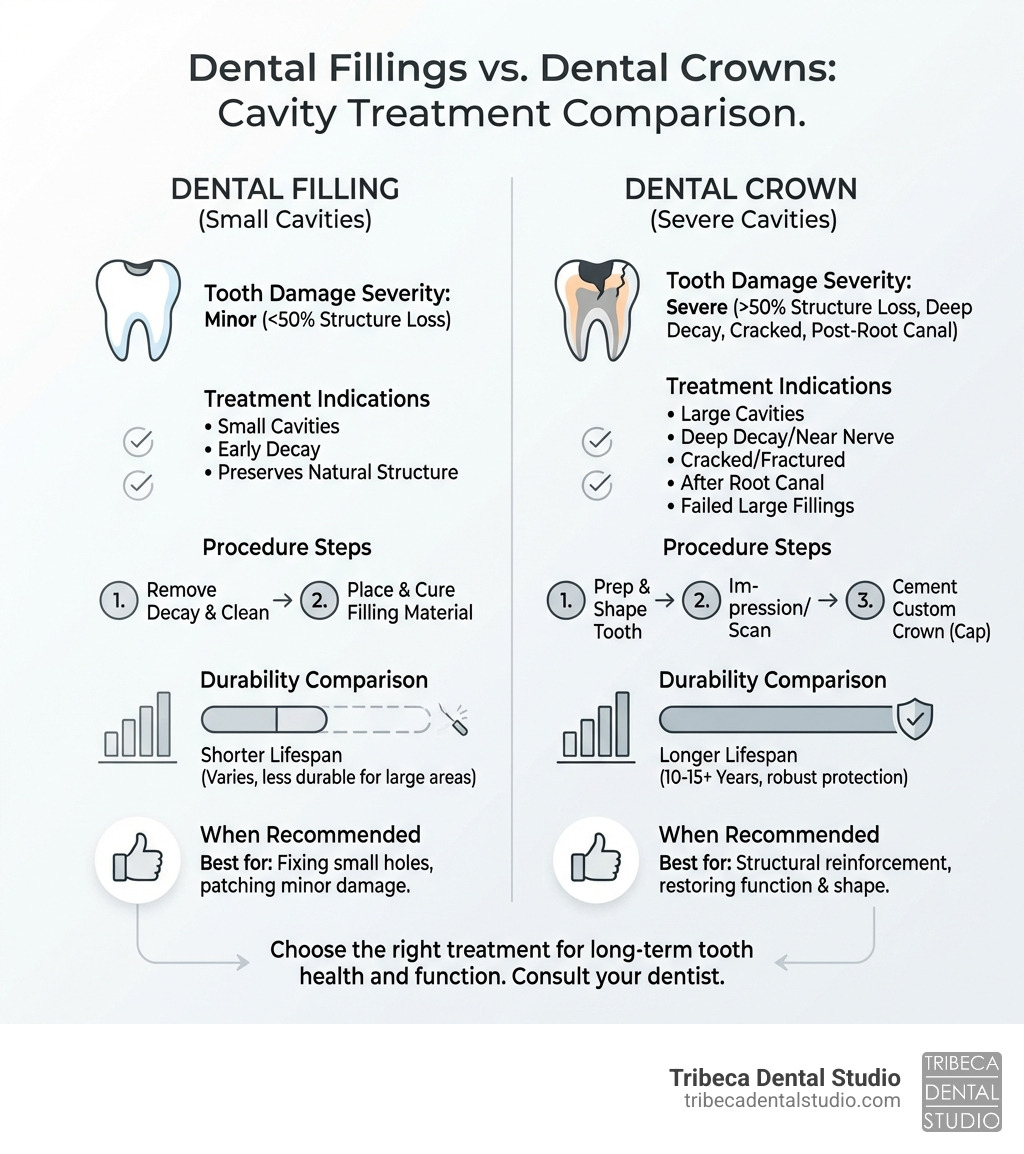
Crown for cavity terms simplified:
Understanding the Dental Crown for Cavity Restoration
When we talk about a crown for cavity restoration, we are looking at the gold standard of restorative dentistry. While a filling “plugs” a hole, a crown—often called a “cap”—is an indirect restoration that completely encircles or caps a tooth. This is essential when a large dental cavity threatens the long-term health of the tooth.
How a crown for cavity treatment works
A dental crown works by providing “full coverage.” Unlike a filling, which relies on the remaining walls of your natural enamel to stay in place, a crown creates a new outer surface for the tooth. This is vital for maintaining structural integrity. When we prepare a tooth for a crown, we remove a small amount of enamel to ensure the crown fits snugly. This process allows the tooth to withstand the immense biting forces of your jaw—which can reach up to 200 pounds of pressure on your molars!
According to scientific research on crown indications, crowns are the preferred method for teeth that have lost significant structure because they distribute stress evenly across the entire tooth root rather than concentrating it on weakened enamel walls.
Why a root canal often requires a crown for cavity protection
We often hear patients ask, “I just finished my root canal, do I really need a crown too?” The answer is almost always a resounding yes. During root canal therapy, the infected dental pulp (the nerve and blood supply) is removed. Without this blood supply, the tooth becomes brittle over time.
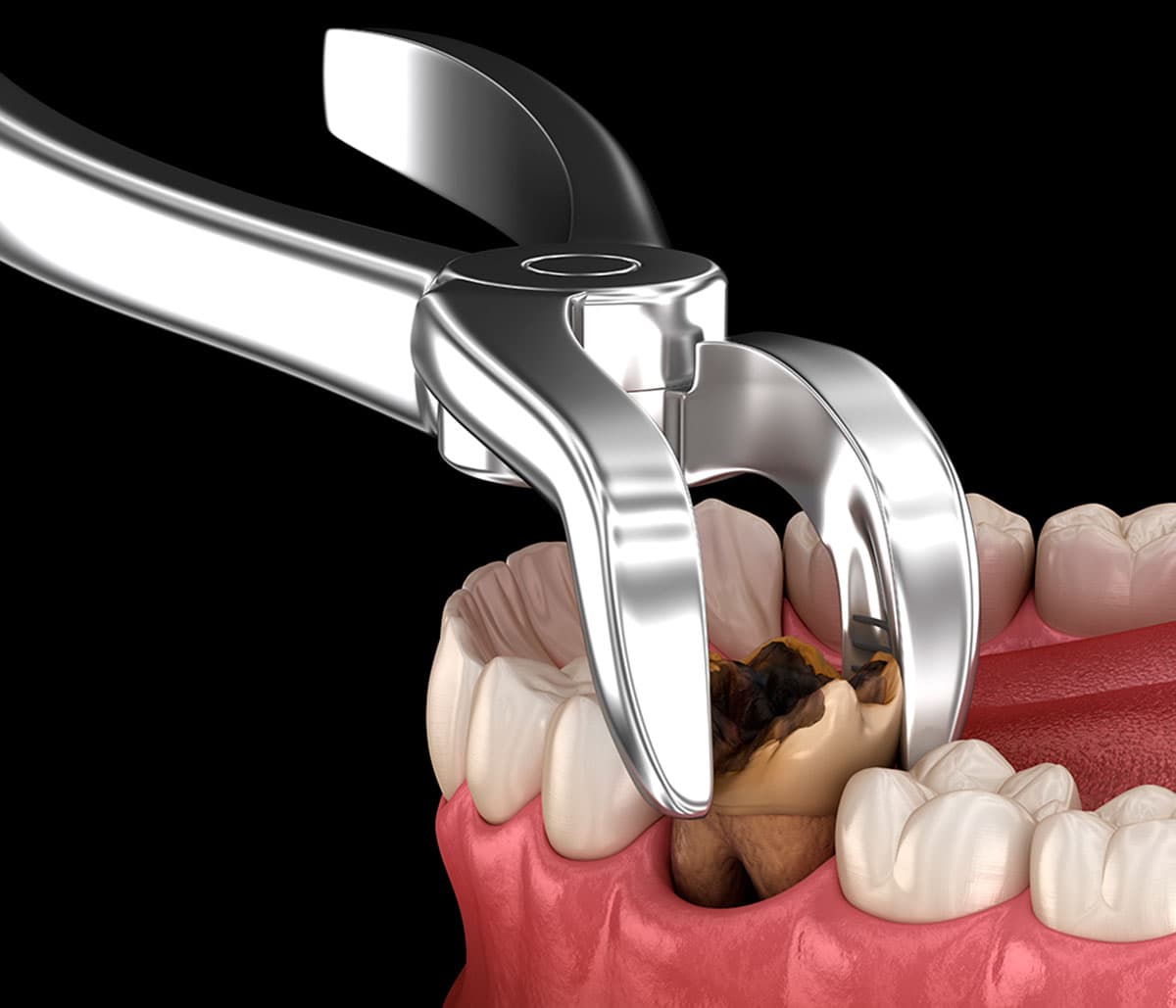
Think of a root-filled tooth like a hollow chocolate Easter bunny—it looks solid on the outside, but it’s fragile. Without the internal support of the pulp and with the large access hole required for the procedure, the tooth is highly susceptible to fractures. A crown for cavity protection after a root canal acts as a “helmet,” holding the tooth together and preventing it from splitting down the middle, which would result in a total loss of the tooth.
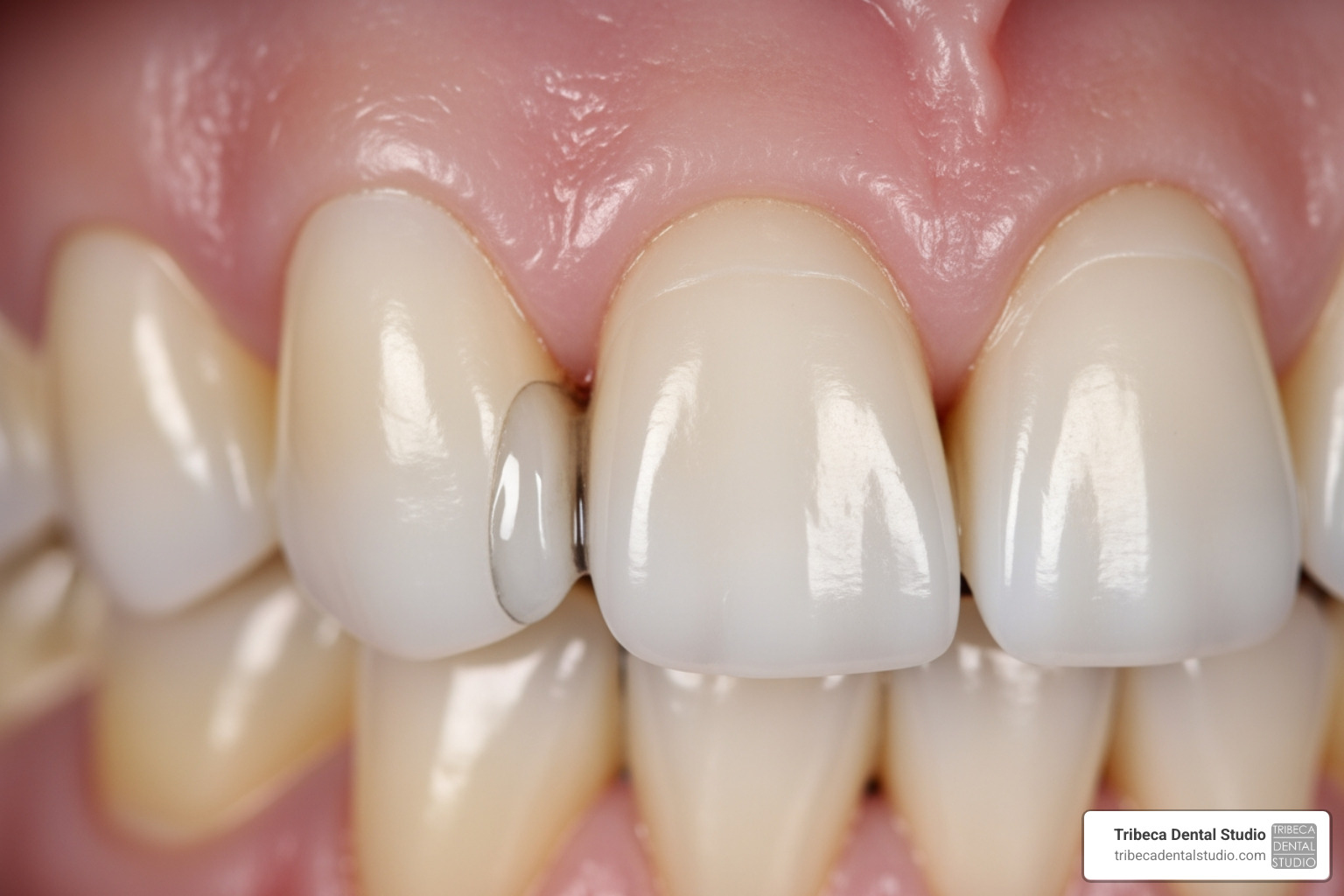
When a Filling Isn’t Enough: Signs You Need a Crown
In our Tribeca office, we follow the “50% rule.” If more than half of the tooth’s width is compromised by decay or an old filling, a standard composite filling is no longer a predictable long-term solution.
Identifying the need for a crown for cavity protection
There are several red flags that indicate a dental crown after a filling is the safer bet:
- Undermined Walls: If the cavity is so wide that the remaining walls of the tooth are thin and “undermined,” they will likely crack under the pressure of chewing.
- Recurrent Decay: When a cavity forms underneath an existing large filling, there is often very little healthy tooth structure left to bond a new filling to.
- Cracked Enamel: Micro-fractures or “craze lines” around a cavity suggest the tooth is flexing too much and needs to be “bound” together by a crown.
- Bruxism (Teeth Grinding): If you grind your teeth, the extra load will quickly cause a large filling to fail or the tooth itself to shatter.
- Sensitivity: Persistent pain when biting down often signals a fracture that a filling cannot fix.
| Feature | Dental Filling | Dental Inlay/Onlay | Dental Crown |
|---|---|---|---|
| Cavity Size | Small to Moderate | Moderate to Large | Severe/Extensive |
| Tooth Coverage | Internal only | Partial (cips/grooves) | Full Coverage (360°) |
| Durability | 5–7 years | 10–15 years | 10–15+ years |
| Structural Support | Low | Moderate | High |
Alternatives to full coverage
Sometimes, we can be more conservative. If the damage is significant but doesn’t require a full 360-degree cap, we might suggest dental inlays and onlays. These are “partial crowns” that replace only the damaged portion of the tooth while preserving more of your natural enamel. This is a great middle-ground option for Manhattan patients who want to keep as much of their original tooth as possible.
The Procedure: What to Expect During Treatment
At Tribeca Dental Studio, we believe in a painless dental filling and crown experience. We use modern local anesthetics to ensure you don’t feel a thing during the preparation.
Clinical stages of crown provision
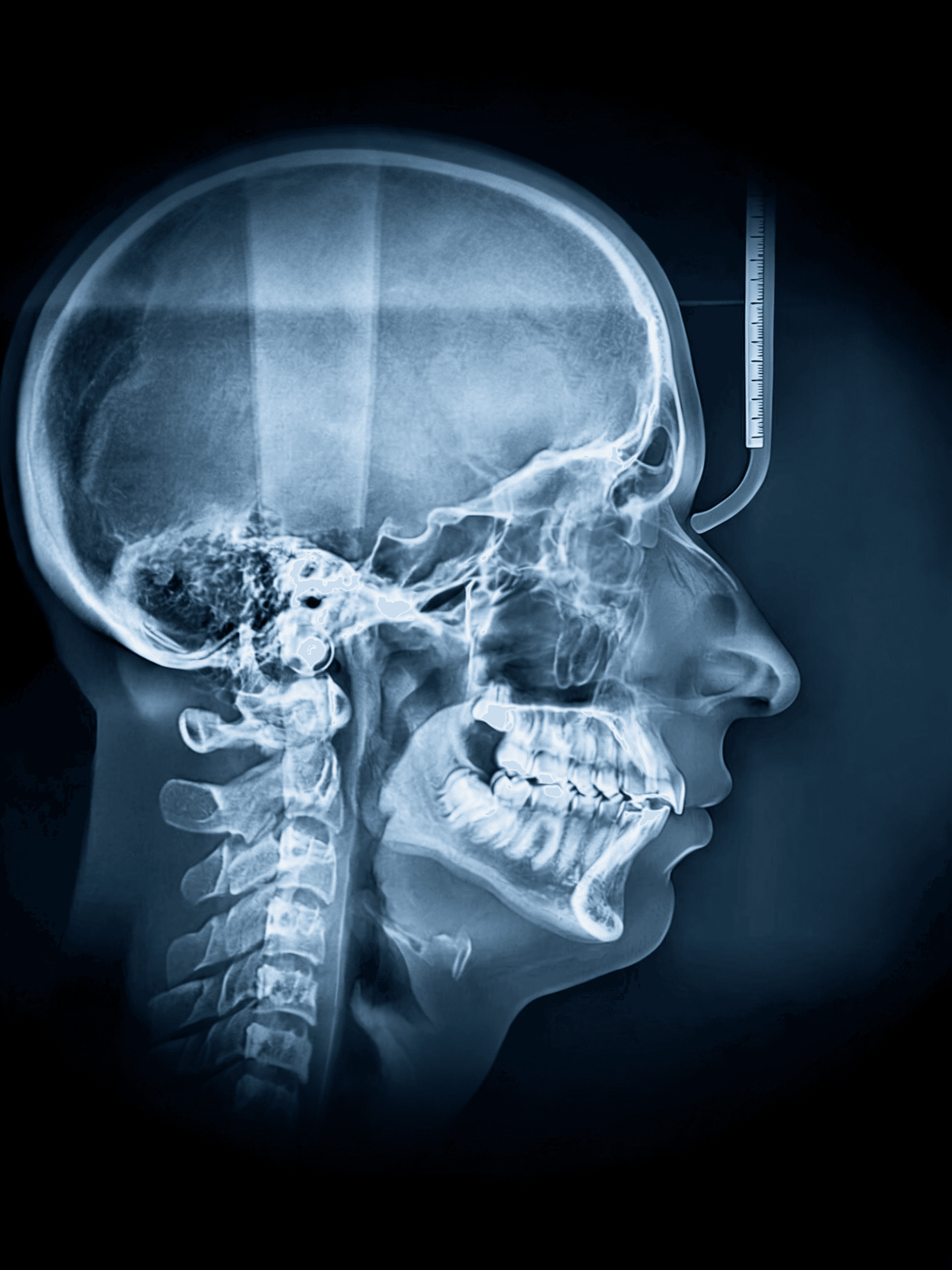
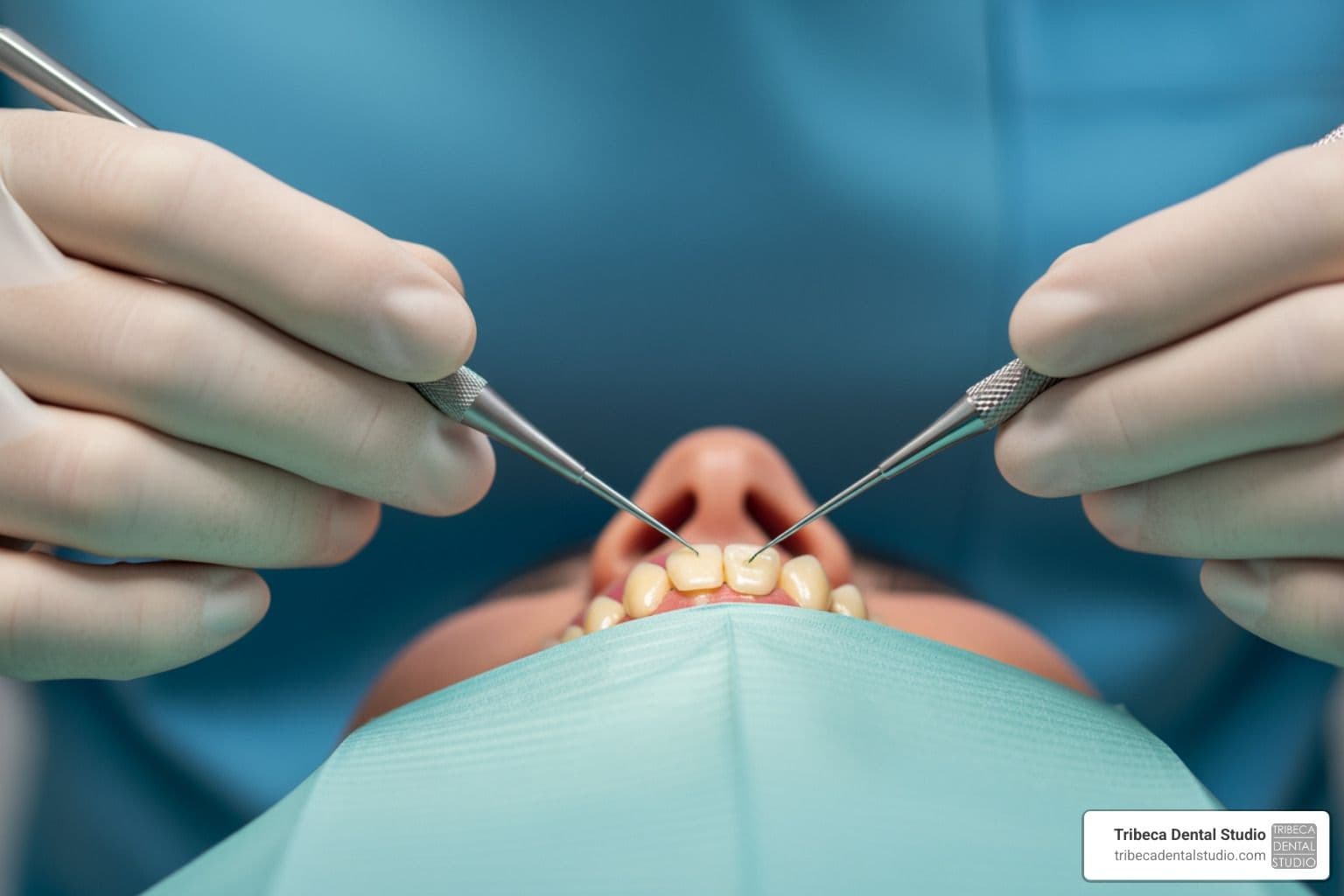
- Assessment: We use digital X-rays and intraoral cameras to map the extent of the decay.
- Tooth Preparation: We gently reduce the tooth size by about 1.5mm to 2mm on all sides. This creates the space needed for the crown material.
- Digital Impressions: Gone are the days of messy, goopy putty! We use advanced scanners to create a 3D model of your mouth. Scientific research on CAD/CAM crown success shows that digital impressions lead to a much more accurate fit than traditional methods.
- Temporary Crown: We fabricate a temporary crown in-office to protect your tooth while the lab crafts your permanent one.
- Final Fitting: Once your custom crown arrives, we check the bite, fit, and color before permanently cementing it.
Recovery and post-operative care
It is normal to experience some minor gum tenderness or sensitivity to hot and cold for a few days after the procedure. This is usually due to the inflammation of the soft tissues or the tooth’s response to the preparation. We recommend avoiding sticky or very hard foods for the first 24 hours after the final crown is placed to allow the cement to fully cure.
Comparing Materials: From Gold to Zirconia
Choosing the right material for your crown for cavity treatment is a balance of aesthetics and strength. Scientific research on crown material selection highlights that the location of the tooth is the biggest factor in this choice.
Durability and aesthetics
- Zirconia: The “Iron Man” of dental materials. It is incredibly strong (up to 1200 MPa) and virtually indestructible, making it perfect for back molars, especially for patients who grind their teeth.
- All-Ceramic/Lithium Disilicate: These offer the best “translucency,” meaning they catch the light just like natural enamel. We often use these for front teeth to create cosmetic crowns that are indistinguishable from your real teeth.
- Porcelain-Fused-to-Metal (PFM): A classic choice that combines the strength of a metal substructure with a porcelain exterior.
- Gold Alloys: While not as popular for front teeth (unless you’re going for a specific look!), gold is actually the most biocompatible material. It wears at a similar rate to natural enamel and requires the least amount of tooth reduction.
Pediatric considerations
For our younger patients in NYC, we often use stainless steel crowns for primary (baby) teeth. These have a staggering 96.1% success rate. We might also utilize the “Hall Technique,” a non-invasive method where a crown is placed over a decayed baby tooth without the need for drilling or injections, sealing the decay inside where it can’t progress.
Longevity and Maintenance: Making Your Restoration Last
A crown for cavity treatment is a significant investment in your health. While most crowns are expected to last between 10 to 15 years, they can easily last 20+ years with the right care.
Preventing decay under a crown
A common myth is that a crowned tooth can’t get a cavity. While the crown itself is immune to decay, the natural tooth at the “margin” (where the crown meets the gum line) is still vulnerable. This is why cavity prevention in NYC is so important even after restorative work.
Bacteria can accumulate at this junction, leading to “recurrent decay.” If left unchecked, this decay can tunnel under the crown, weakening the support and eventually leading to the crown falling off. This is one of the main reasons why crowned teeth might hurt years later.
Factors affecting crown failure
- Poor Oral Hygiene: If you don’t floss, plaque will build up at the crown margin.
- Periodontal Disease: Receding gums expose the vulnerable tooth root below the crown.
- Excessive Load: Chewing ice, biting fingernails, or grinding can chip porcelain or break the cement seal.
- Microgaps: If a crown doesn’t fit perfectly (which is why we use digital scanning), tiny gaps can allow saliva and bacteria to wash out the cement.
Frequently Asked Questions about Crowns
What is the typical cost of a crown for cavity treatment?
In New York City, and specifically in Manhattan, the cost of a dental crown typically ranges from $800 to $3,000 per tooth. The price varies based on the material used (zirconia vs. gold) and the complexity of the case. Most dental insurance plans cover about 50% of the cost of Manhattan dental crowns after your deductible is met, usually up to an annual maximum of $1,000 to $1,500.
Can a cavity still form under a dental crown?
Yes. As mentioned, the margin where the crown meets the tooth is the “danger zone.” Because this decay is hidden under the cap, it is often impossible to see with the naked eye. We rely on regular X-rays to check the “marginal integrity” and ensure no bacteria have breached the seal.
How long do dental crowns typically last?
The American Dental Association suggests 5 to 15 years, but in our experience at Tribeca Dental Studio, 10 to 15 years is the standard expectation. Factors like your diet (avoiding sticky candies), whether you wear a night guard for grinding, and your commitment to six-month cleanings play a massive role in longevity.
Conclusion
Deciding on a crown for cavity treatment is about more than just fixing a hole; it’s about preserving your smile for the next decade and beyond. At Tribeca Dental Studio, Dr. Nina Izhaky and our expert team provide a personalized, family-like atmosphere where we use the latest technology to make your restoration as seamless as possible. Whether you’re recovering from a root canal or dealing with a large, failing filling, we are here to help you determine the best path forward for your oral health.
Ready to restore your smile’s strength and beauty? Schedule a consultation for dental crowns and bridges at our Tribeca office today.