Pterygoid Implants: An Investment in Your Smile
April 16, 2026
What Does a Pterygoid Implant Actually Cost?
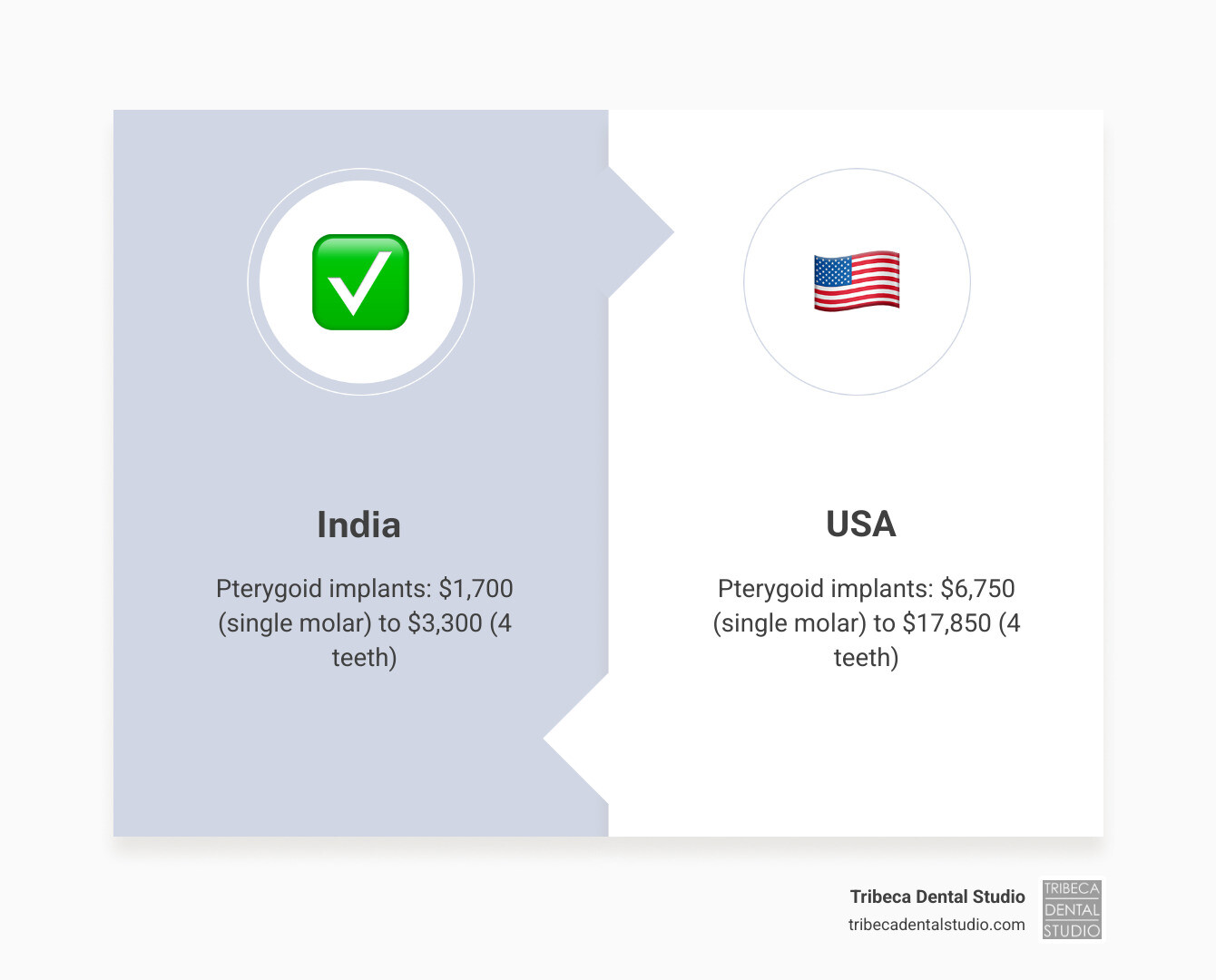
Pterygoid implants cost varies depending on where you get treated, how many teeth need replacing, and what’s included in your care package. Here’s a quick snapshot:
| Teeth Being Replaced | Cost in India | Cost in USA | Potential Savings |
|---|---|---|---|
| Single upper second molar | $1,700 | $6,750 | $5,050 |
| Two upper molars | $2,400 | $11,500 | $9,100 |
| One premolar + two molars | $2,600 | $13,100 | $10,500 |
| Two premolars + two molars | $3,300 | $17,850 | $14,550 |
Key takeaway: Patients who travel abroad for pterygoid implants can save up to 80% compared to equivalent treatment in the USA, UK, or Australia.
These numbers don’t tell the whole story, though. The real value of pterygoid implants comes from what they help you avoid — costly procedures like sinus lifts and bone grafting that can add thousands to your total bill. Before diving into that, it helps to understand what you’re actually paying for and why.
I’m Dr. Nina Izhaky, a graduate of New York University College of Dentistry and founder of Tribeca Dental Studio, where I help patients navigate complex restorative decisions — including understanding pterygoid implants cost in the context of their overall oral health. Let’s break down everything you need to know to make a confident, informed choice.
Pterygoid implants cost terminology:
Understanding Pterygoid Implants Cost
When we talk about the pterygoid implants cost, we are looking at a highly specialized solution for a very specific problem: severe bone loss in the back of the upper jaw (the posterior maxilla). For many patients in New York City, the traditional route to replacing missing molars involves a long, expensive journey of bone grafts and sinus lifts. Pterygoid implants change that math entirely.
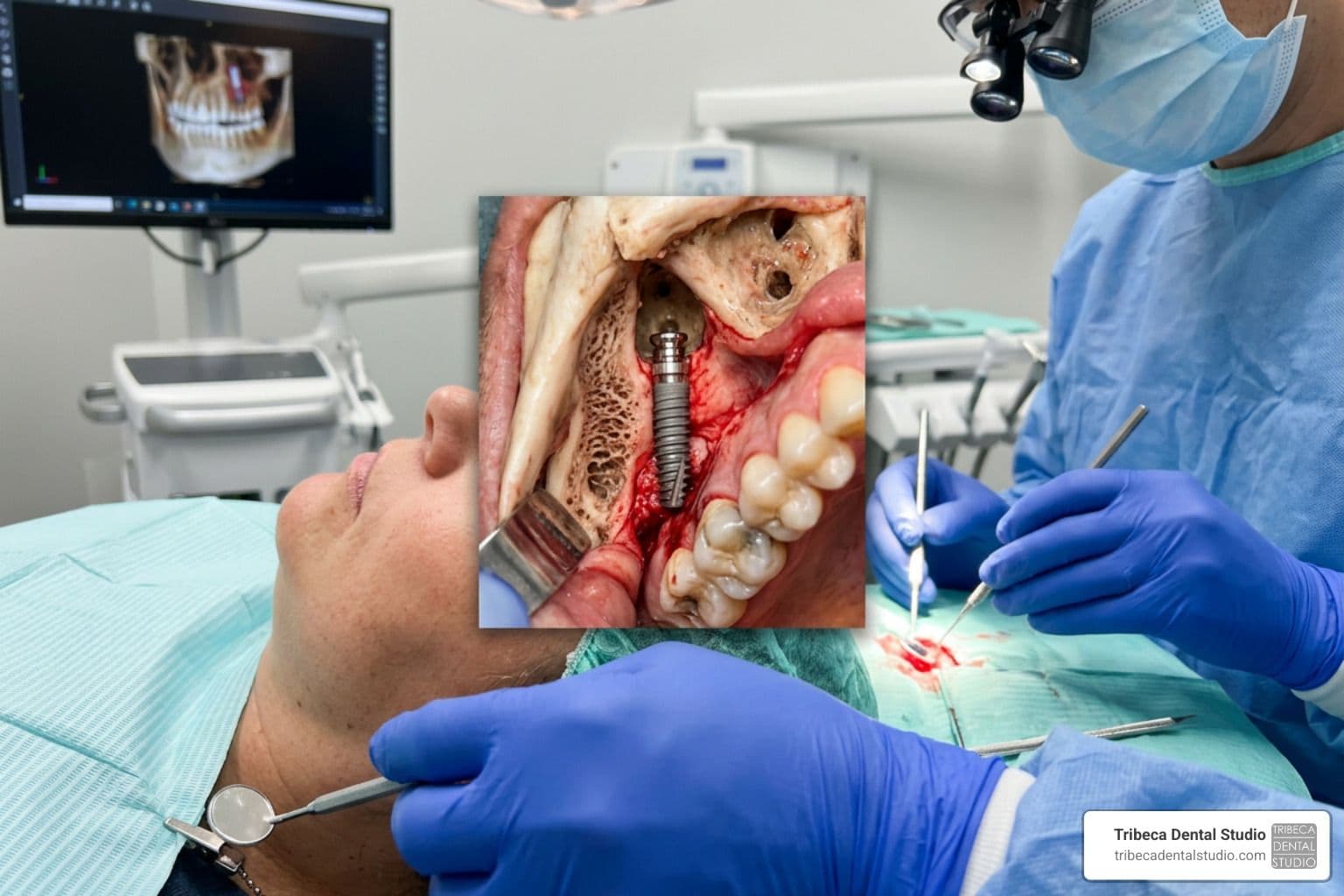
By anchoring into the pterygoid plate—a dense, stable bone structure behind the upper jaw—these implants bypass the need for additional bone volume. This means the “sticker price” of a pterygoid implant might seem higher than a standard screw at first glance, but when you look at the total treatment plan, it often emerges as the more economical choice.
In our practice, we see many patients who have been told they aren’t candidates for dental implants in New York because of bone atrophy. Understanding the dental implant cost NYC guide is essential here. While a single standard implant might cost less individually, if you need $3,000 worth of sinus grafting first, the pterygoid option suddenly looks like a bargain.
Global Variations in Pterygoid Implants Cost
It is no secret that dental tourism is a growing trend. Countries like India have become hubs for advanced implantology, offering pterygoid implants cost packages that are significantly lower than those in the USA.
Why the massive gap? It usually comes down to:
- Labor Costs: The overhead for running a clinic in Manhattan is vastly different from a clinic in Mumbai.
- Currency Exchange: Your USD goes much further in developing economies.
- Operational Expenses: Malpractice insurance and regulatory compliance costs in the US are among the highest in the world.
However, while saving $10,000 sounds tempting, patients must weigh this against the cost of travel, the lack of local follow-up care, and the difficulty of managing complications once they return home to the States. At Tribeca Dental Studio, we focus on providing that high-end, specialized care right here in NYC, ensuring you have a “dental home” for the lifetime of your implant.
Components Included in the Pterygoid Implants Cost
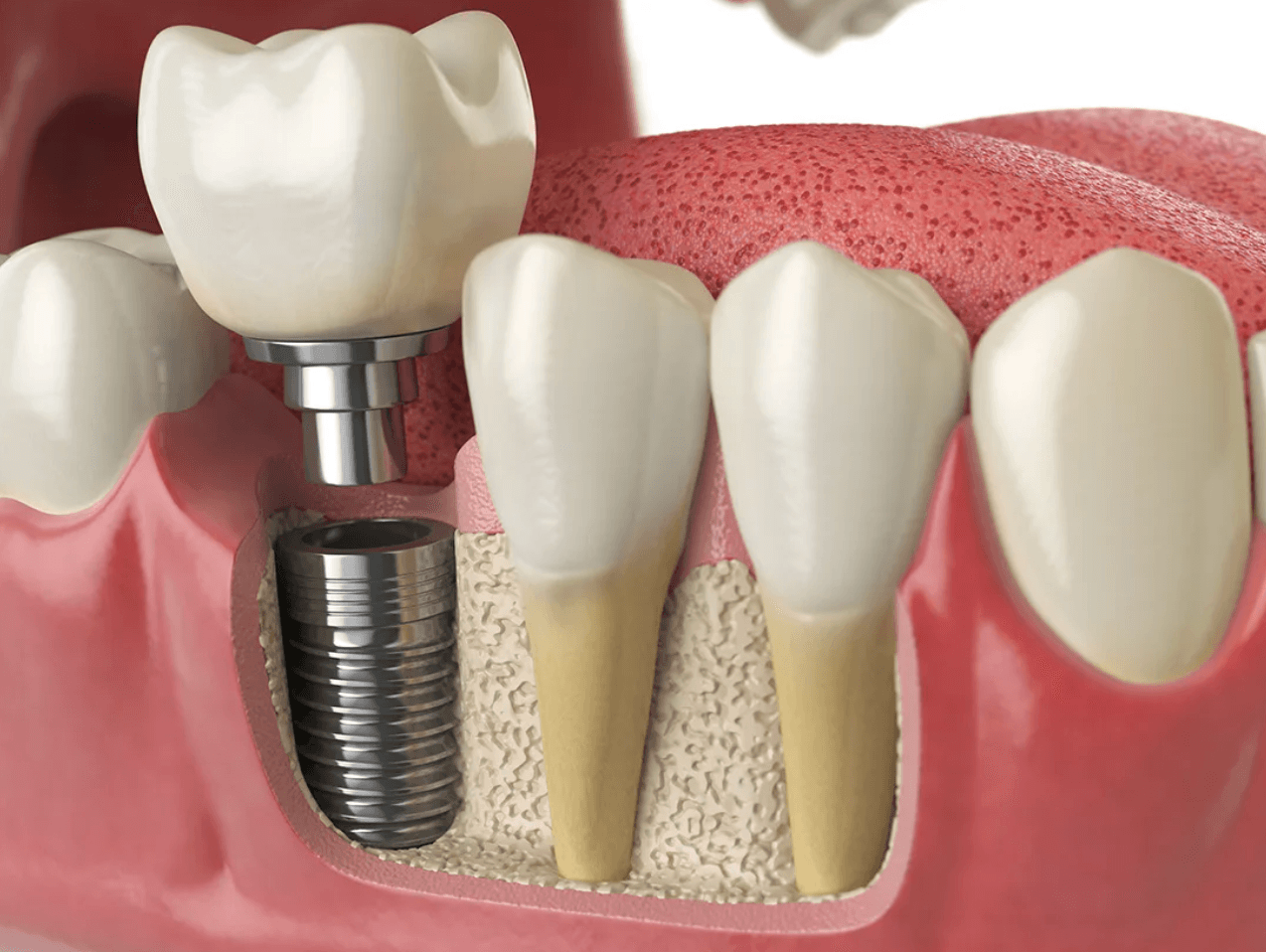
When you receive a quote for pterygoid implants cost, it isn’t just for a piece of titanium. A comprehensive price should include several vital components:
- The Titanium Post: Pterygoid implants are longer than traditional ones (often 15-22mm) to reach the stable cortical bone of the sphenoid bone.
- CBCT Imaging: High-resolution 3D scans are non-negotiable for safety. We use these to map your anatomy and avoid vital structures.
- The Abutment: This is the connector piece that joins the implant to your new tooth.
- The Final Restoration: Usually a high-quality Zirconia crown, chosen for its incredible strength and ability to withstand heavy chewing forces in the molar region.
- Sedation Fees: Because this is a more advanced surgical procedure, many patients opt for IV sedation or general anesthesia.
- Specialist Expertise: You are paying for the skill of a surgeon who knows how to navigate the complex “no-man’s-land” behind the maxillary sinus.
For a deeper look at what goes into these procedures, check out our services page for dental implants.
Pterygoid vs. Traditional and Zygomatic Implants
To understand the value, you have to understand the alternatives. We often categorize advanced implants into a “no-bone” solution hierarchy.
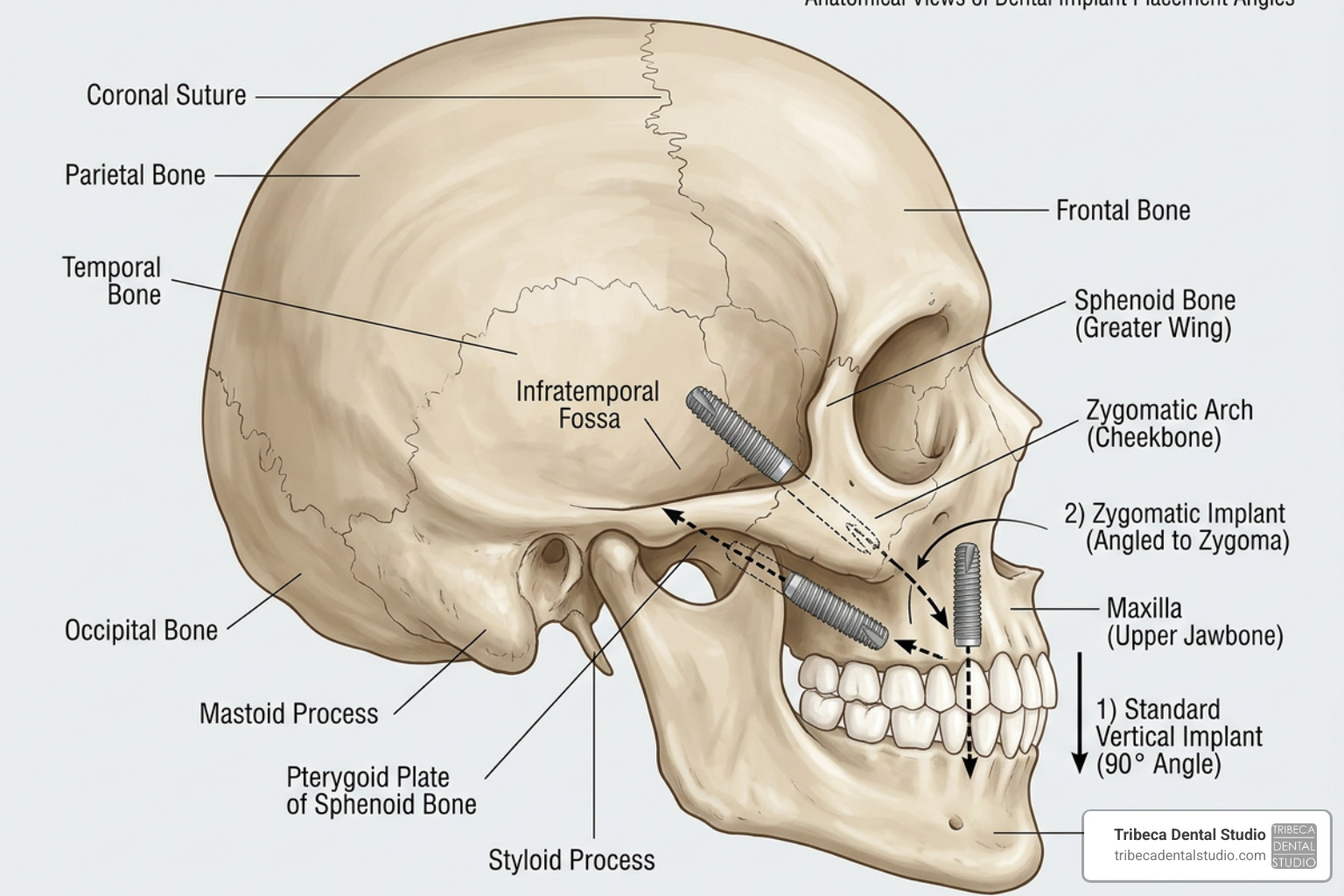
- Traditional Implants: These go straight up into the jawbone. If the bone is gone, they have nothing to hold onto.
- Zygomatic Implants: These anchor into the cheekbone (zygoma). They are fantastic for full-arch restorations but are often more invasive and expensive, typically costing $3,000 to $4,000 per implant on top of the base procedure price.
- Pterygoid Implants: These anchor at a 45-degree angle into the pterygoid plate. They are often used in conjunction with other implants to provide a “tripod” of stability for the upper teeth.
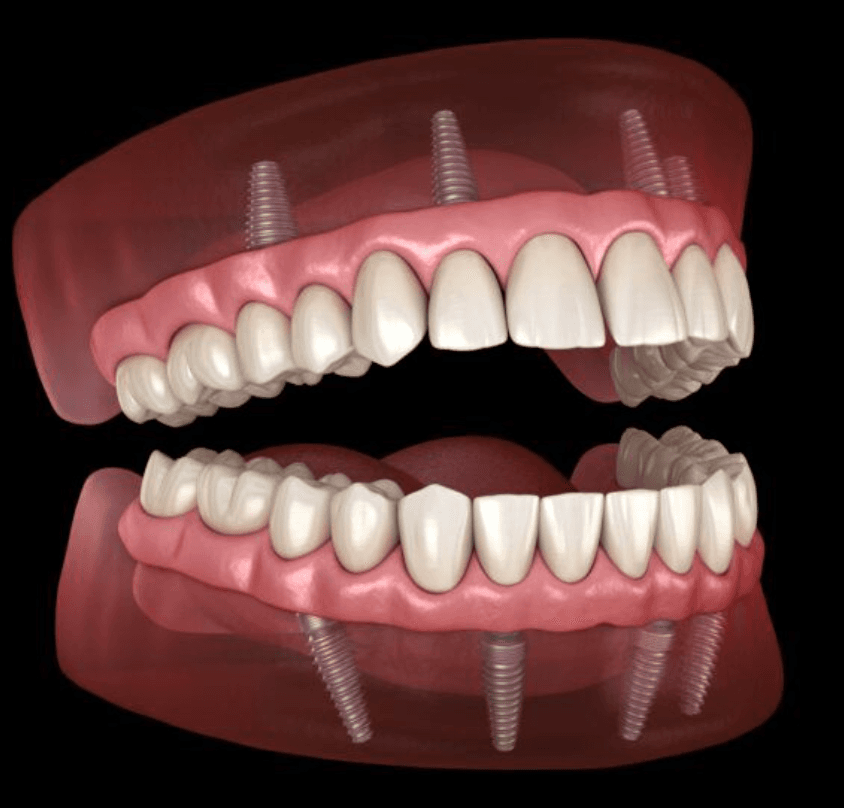
In the zygomatic vs. pterygoid guide, we explain how these two often work together. For a patient with total upper bone loss, we might perform a “Quad Zygoma” or a combination of zygomatic implants in the front and pterygoid implants in the back to support a full bridge.
Avoiding Expensive Sinus Lifts and Grafting
One of the biggest drivers of the pterygoid implants cost being “worth it” is the elimination of sinus lift dental implants NYC guide procedures.
A traditional sinus lift involves:
- Surgically “lifting” the sinus membrane.
- Packing the space with bone grafting material.
- Waiting 6 to 9 months for the bone to heal before an implant can even be placed.
This adds significant surgical fees, material costs, and—perhaps most importantly—time. Pterygoid implants allow for “immediate loading,” meaning we can often skip the grafting and get you to your final smile months sooner. By utilizing the existing dense cortical bone, we turn a year-long ordeal into a much shorter clinical timeline.
Cost Breakdown for Replacing Upper Molars
Replacing back teeth is functionally critical. Without your second molars, your front teeth take too much force, leading to wear, chips, and TMJ issues.
If we look at the specific costs for replacing these teeth in the US:
- Single Molar: A traditional approach with a sinus lift and delayed loading can reach $6,750.
- Two Molars: If both require grafting, the cost can soar to $11,500.
In contrast, using a pterygoid implant allows us to anchor into stable bone immediately. While the implant itself requires a specialist, the total bill is often lower because we aren’t paying for multiple surgeries and expensive grafting materials. If you’re wondering how much 1 tooth implant costs in a standard scenario, you’ll see that the complexity of the back of the mouth always adds a premium—but pterygoid tech keeps that premium manageable.
Factors Influencing the Total Procedure Price
No two mouths are the same, which is why we can’t give a single flat rate for everyone. Several factors will nudge your pterygoid implants cost up or down.
- Number of Teeth: Are we replacing one missing molar or an entire upper arch? A full-arch restoration using All-on-4 dental implants that incorporates pterygoids will have a different price point than a single-tooth replacement.
- Surgeon Expertise: This is not a “general dentist” procedure. It requires a deep understanding of maxillofacial anatomy. You are paying for a specialist who can safely navigate near the palatine canals and the pterygoid plexus.
- Material Quality: We use premium titanium and zirconia. Cheaper materials exist, but they don’t have the same track record for osseointegration (fusing with the bone).
- Oral Health Status: If you have active gum disease, we need to treat that first. You wouldn’t build a house on a swamp; we won’t place an implant in infected tissue.
- Technology Used: We utilize guided dental implant surgery and 3D modeling to ensure precision. This technology carries a cost but drastically reduces the risk of failure.
For those concerned about the investment, we offer various insurance and financing options to help break the total cost into manageable monthly payments.
Long-Term Value and Durability
When you look at the pterygoid implants cost, you have to view it over a lifetime. Unlike dentures, which need relining every few years and replacement every decade, pterygoid implants are designed to be a permanent solution.
The statistics are incredibly reassuring:
- 99.9% survival rate for pterygoid implants over a 3-year period.
- 97.7% prosthesis success rate, meaning the teeth attached to the implants stay functional and beautiful.
Because pterygoid implants anchor into cortical bone—which is much denser and more resistant to resorption than the “spongy” bone of the jaw—they are incredibly stable. This stability is essential for successful osseointegration, which is why many specialists offer a lifetime warranty on the titanium post itself.
While the initial cost is higher than a removable bridge, the maintenance costs are virtually zero—just the same brushing, flossing, and professional cleanings you’d give your natural teeth. Our dental implant post-care guide covers everything you need to do to protect your investment for the next 40+ years.
Frequently Asked Questions about Pterygoid Implants Cost
Are pterygoid implants more expensive than traditional implants?
On a per-unit basis, yes. The hardware is more specialized, and the surgical skill required is higher. However, when you factor in the total treatment—specifically the fact that you can often avoid $2,000–$5,000 in bone grafting and sinus lifts—the total pterygoid implants cost is often comparable to, or even cheaper than, the traditional “graft-and-wait” approach.
Does insurance cover the pterygoid implants cost?
Most dental insurance plans view implants as “major restorative” work and may cover 20% to 50% of the cost, up to your annual maximum (which is often $1,500–$2,500). Because pterygoid implants are often a medical necessity for patients with severe bone loss who cannot wear traditional dentures, we can sometimes work with your provider to emphasize the functional necessity. We always recommend you be picky when finding your insurance policy to ensure you get the best possible coverage for advanced procedures.
How much can I save by choosing pterygoid implants over sinus lifts?
Direct savings can range from $3,000 to $6,000 per side of the mouth. Beyond the surgical fees, you are also saving “time-cost.” A sinus lift adds about 6-9 months to your treatment. If you are missing teeth, that’s another half-year of compromised chewing and potential bone loss in other areas. Pterygoid implants often allow for “teeth in a day” or “teeth in 3 days” protocols, which has an intangible value that’s hard to put a price on. For more on the alternative, see what is sinus augmentation?.
Conclusion
At Tribeca Dental Studio, we believe that everyone deserves a functional, confident smile, regardless of how much bone loss they’ve experienced. Under the leadership of Dr. Nina Izhaky, our team provides a personalized approach where we treat you like family, not just a line item on a schedule.
While the pterygoid implants cost is a significant investment, it is an investment in your long-term health, your ability to enjoy your favorite foods, and your self-esteem. We combine world-class expertise with the welcoming atmosphere of our Tribeca office to ensure your journey to a new smile is as smooth as possible.
Ready to see if you’re a candidate? Restore your smile with Zygomatic and Pterygoid Implants by scheduling a consultation with us today. Let’s build a plan that fits your life and your budget.