The Dark Side of Pterygoid Implants: Disadvantages and Risks
April 1, 2026
When Pterygoid Implants Go Wrong: What You Need to Know
Pterygoid implants complications are real, and if you’re considering this procedure, you deserve a straight answer before reading further.
The most common pterygoid implants complications include:
- Surgical risks: hemorrhage, trismus (limited jaw opening), and post-operative pain
- Anatomical risks: implant displacement into the pterygoid fossa, sinus membrane perforation, and sinusitis
- Nerve-related risks: transient hypoesthesia (temporary numbness) of the palatine nerve
- Failure risks: early osseointegration failure, especially in the first year after placement
- Prosthetic challenges: angulation difficulties, limited surgical access, and space constraints near the wisdom tooth area
Most of these complications are manageable when the procedure is performed by an experienced clinician with proper imaging and planning. But they are not trivial — and they matter more in this procedure than in most standard implant placements.
Pterygoid implants are placed deep in the posterior upper jaw, anchoring into the dense cortical bone at the junction of the palatine bone and the pterygoid process of the sphenoid bone. They were first described by Tulasne in 1989 as a way to restore the back of the upper jaw without bone grafting or sinus lifts.
That’s a genuine advantage. But the same anatomy that makes them powerful also makes them unforgiving.
The region is difficult to access, sits close to critical nerves and blood vessels, and demands a level of surgical precision that goes well beyond routine implant placement. Studies show a 10-year cumulative survival rate of around 92.5% for pterygoid implants — solid, but lower than the 96.9% reported for maxillary tuberosity implants, and most failures concentrate in the first year.
Understanding both the promise and the risks is essential before committing to this treatment.
I’m Dr. Nina Izhaky, a graduate of New York University College of Dentistry and founder of Tribeca Dental Studio, where I stay current with the latest advances in complex implant dentistry — including pterygoid implants complications and how to prevent them. In this guide, I’ll walk you through everything you need to know to make a confident, informed decision.
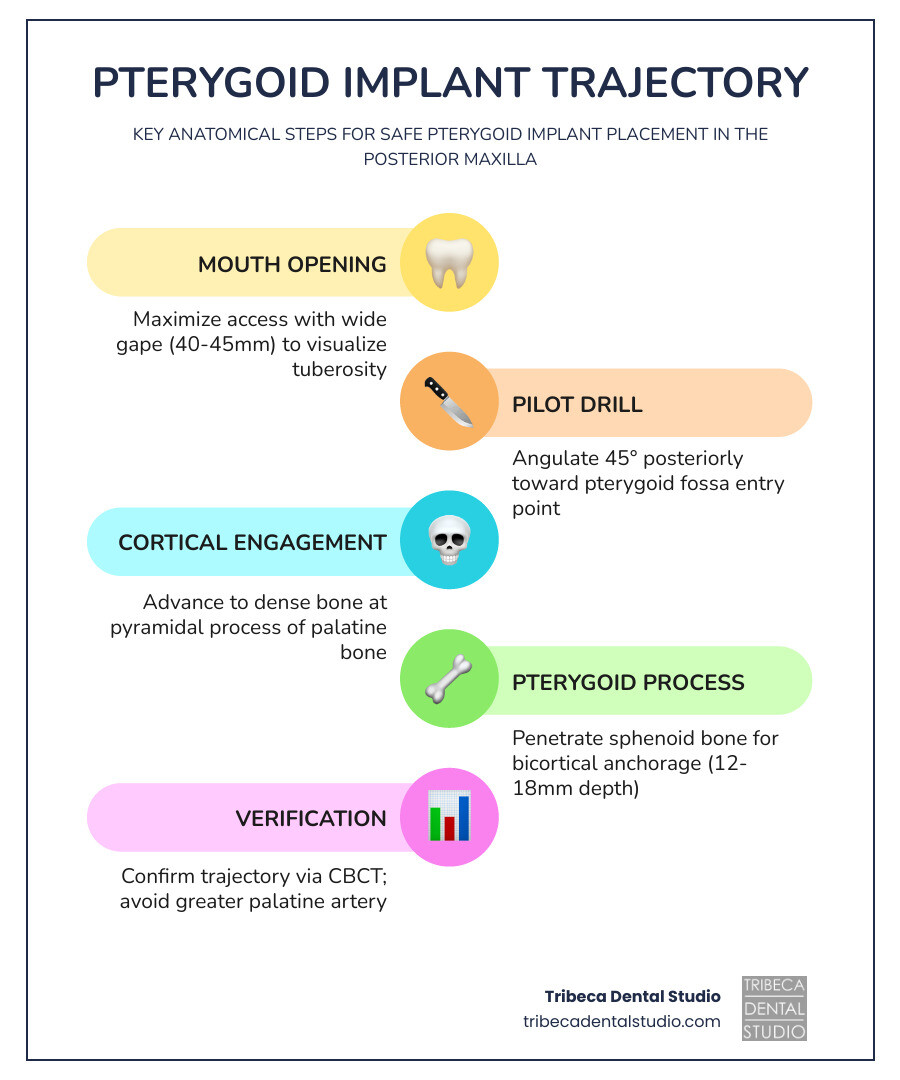
Basic pterygoid implants complications terms:
Understanding Pterygoid Implants and Their Role in Modern Dentistry
In our Tribeca office, we often see patients who have been told they simply don’t have enough bone for traditional implants. This usually happens in the posterior maxilla (the back of the upper jaw), where the bone is naturally softer and the maxillary sinus often expands as we age or lose teeth.
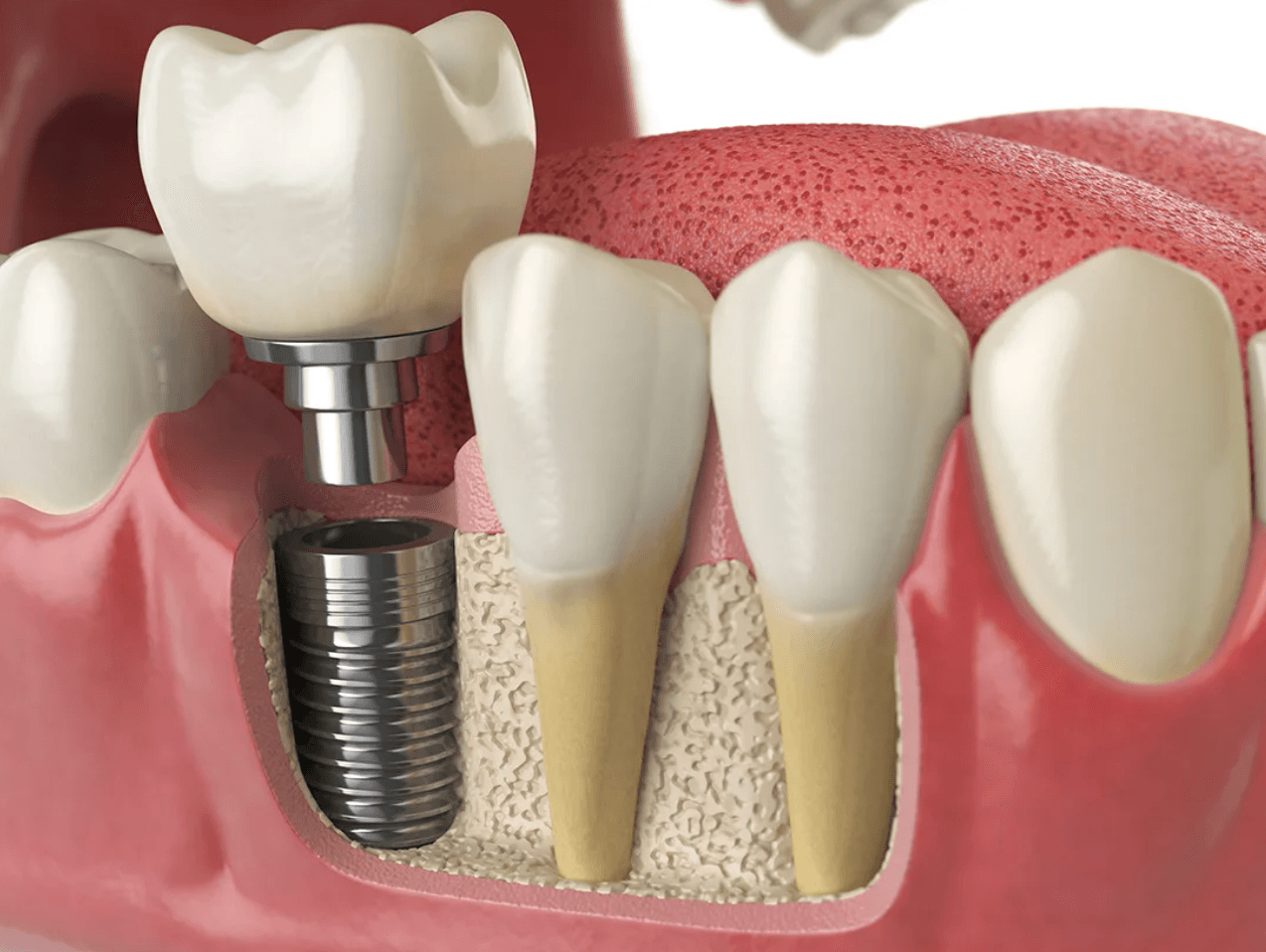
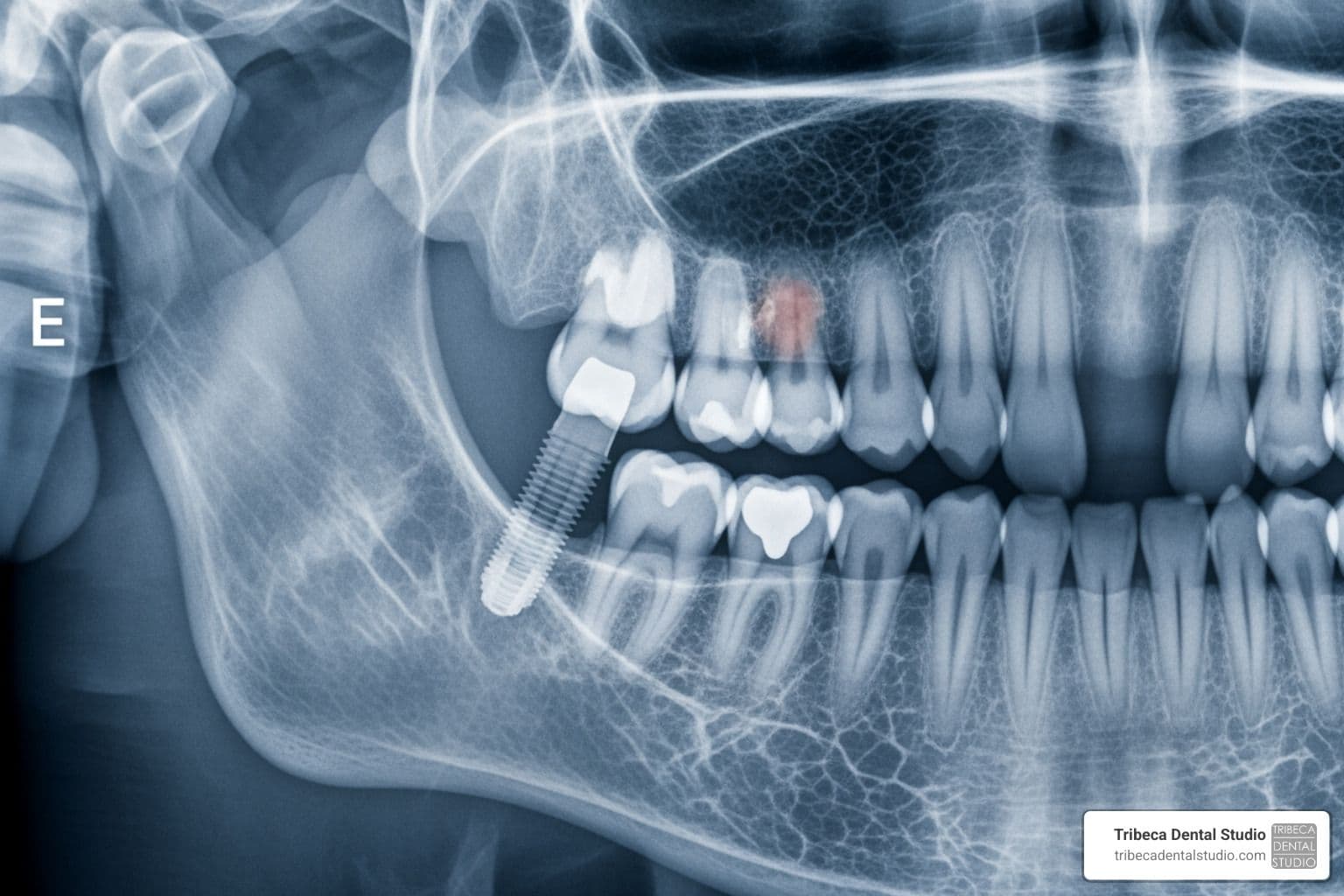
This is where pterygoid dental implants come into play. Unlike standard implants that sit vertically in the alveolar bone, pterygoid implants are tilted at an angle (usually 45 to 70 degrees) to bypass the sinus and anchor into the sphenoid bone. Specifically, they engage the “pterygomaxillary buttress,” a sturdy meeting point of the maxillary tuberosity, the pyramidal process of the palatine bone, and the pterygoid process of the sphenoid bone.
How They Differ from Tuberosity and Zygomatic Implants
It is easy to get these confused, but the distinction is vital for understanding potential pterygoid implants complications.
- Tuberosity Implants: These stay within the maxillary tuberosity. While useful, the bone here is often Type IV—the least dense in the mouth.
- Zygomatic Implants: These are much longer (up to 55mm) and anchor into the cheekbone.
- Pterygoid Implants: These pass through the tuberosity to reach the sphenoid bone. Scientific research on pterygoid outcomes highlights that while they are shorter than zygomatic implants (typically 15-20mm), they offer similar “remote anchorage” benefits.
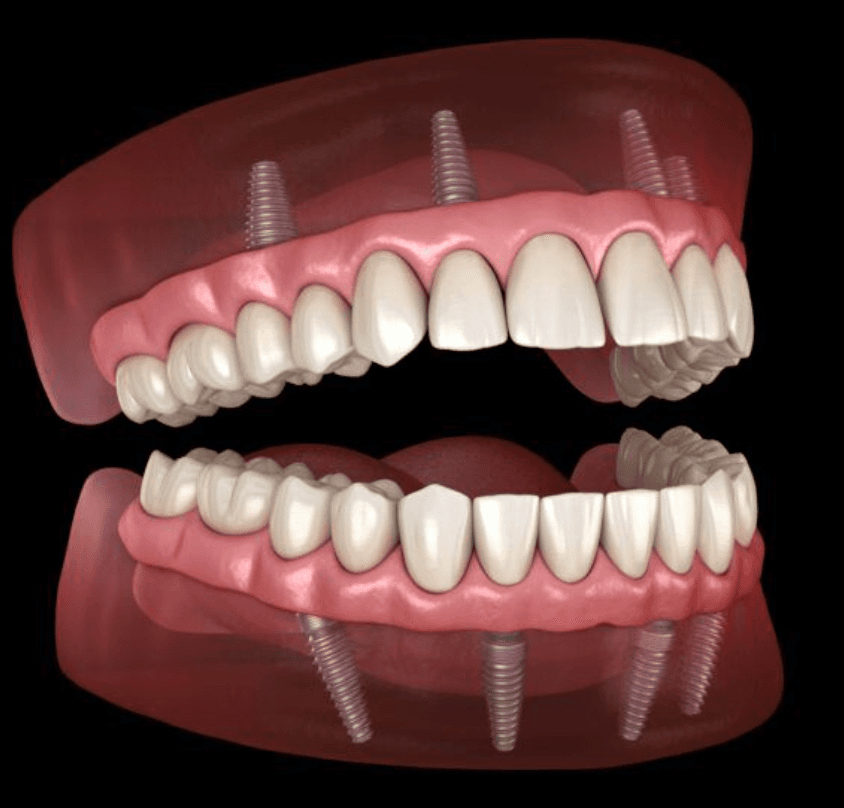
By utilizing “Bedrossian Zone III” (the most posterior region of the maxilla), we can provide a fixed bridge without the need for extensive sinus lifts or bone grafts. However, because we are working so far back in the mouth, the “dark side” of this procedure involves navigating a complex web of anatomy.
Primary Surgical Pterygoid Implants Complications
When we talk about the “surgical” phase, we are referring to the actual day of the procedure. Because the pterygoid region is “blind”—meaning the surgeon cannot see the entire path of the drill—the risk profile is higher than a standard front-tooth implant.
Hemorrhage and the Palatine Artery
The biggest concern during surgery is bleeding. The pterygoid region is highly vascularized. If the implant or the drill strays too far from the intended path, it can nick the greater palatine artery or the pterygoid venous plexus. While manageable by an expert, significant hemorrhage in the back of the throat is something we take very seriously.
Trismus and Post-Operative Pain
Trismus is a fancy word for “lockjaw” or limited mouth opening. Because the pterygoid muscles are right next to the surgical site, they can become inflamed. Patients might find it difficult to open wide for a few days or even weeks. This is one of the more common, albeit temporary, pterygoid implants complications.
Nerve Hypoesthesia
There is a nerve called the palatine nerve that runs through this area. If the surgical site gets too close, you might experience transient hypoesthesia—a “pins and needles” feeling or numbness in the roof of your mouth. According to a Systematic review of surgical risks, this occurs in about 1.36% of similar remote-anchorage cases.
Displacement and Sinus Perforation
In rare, worst-case scenarios, if the bone is extremely soft and the surgeon lacks experience, the implant can actually be “pushed” into the pterygoid fossa—a deep space behind the jaw. Additionally, while the goal is to avoid the sinus, a slight miscalculation in angle can lead to a sinus membrane perforation, potentially leading to chronic sinusitis. We always ask: is dental implant safe guide? The answer is yes, but only when the surgeon respects these anatomical boundaries.
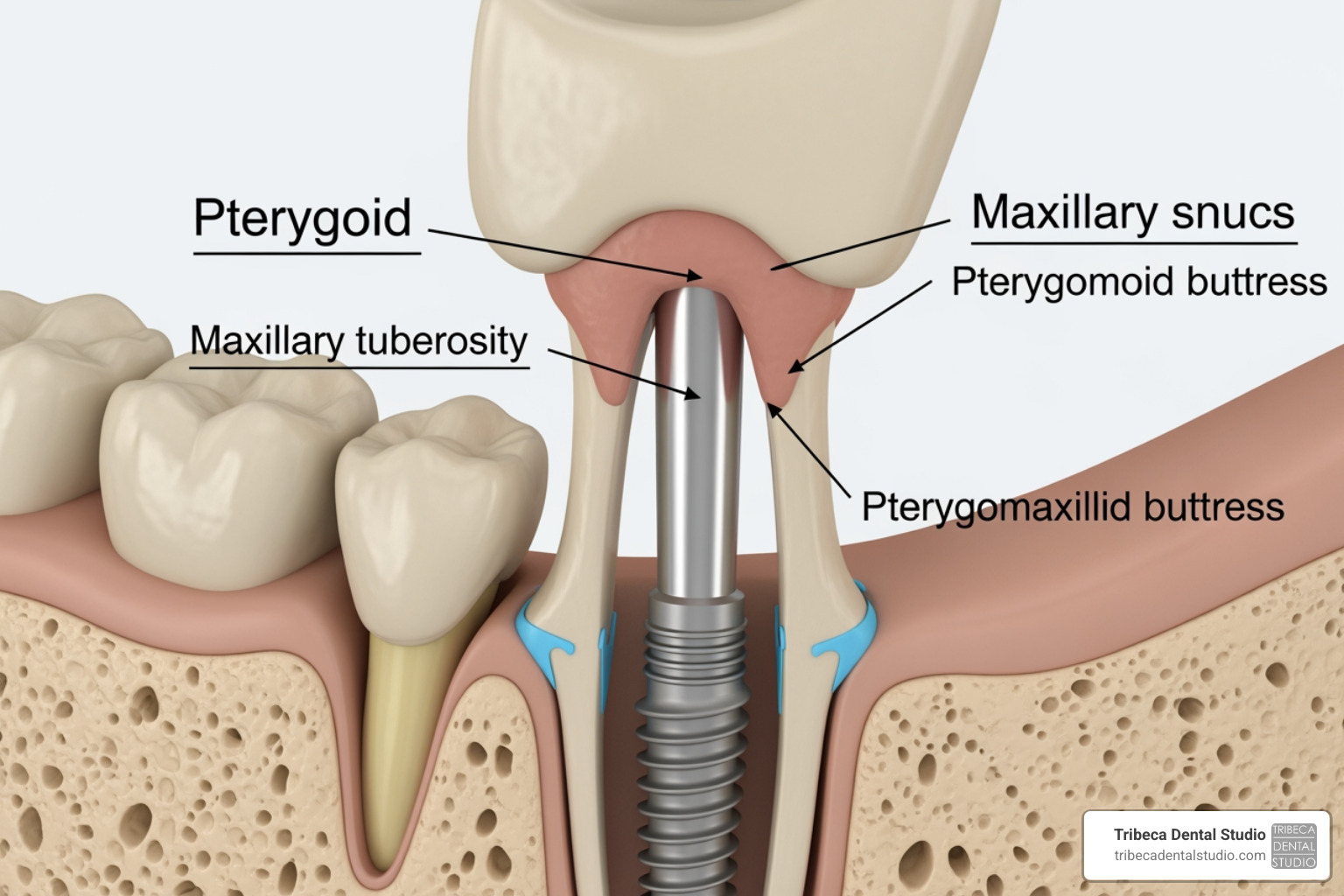
Long-Term Risks and Prosthetic Challenges
Even if the surgery goes perfectly, the “long-term” phase brings its own set of pterygoid implants complications. An implant is only as good as the tooth (prosthesis) that sits on top of it.
Osseointegration Failure
The survival rate of pterygoid implants is generally high (around 92-95%), but they do fail more often than standard implants in dense bone. Most of these failures occur within the first year. If the implant doesn’t “fuse” with the bone properly, it must be removed. Using modern micro-roughened surfaces has helped push survival rates closer to 98% in some studies, but it is never a 100% guarantee.
The Challenge of Angulation
Because the implant is placed at a steep angle (sometimes 45 degrees or more), it doesn’t “point” straight down like a normal tooth. This requires us to use “multi-unit abutments”—special connectors that correct the angle so the bridge can sit flat. If the angulation is too extreme, it can make cleaning the bridge difficult, leading to plaque buildup and “peri-implantitis” (gum disease around the implant).
Distal Cantilevers
One of the main reasons we use pterygoid implants is to avoid a “cantilever”—a part of a bridge that hangs off the end without support. While pterygoid implants eliminate this problem, they put a lot of stress on the back of the jaw. If you are a heavy “bruxer” (someone who grinds their teeth), that extra force can lead to prosthetic breakage or bone loss over time. This is why following a dental implant post care complete guide is non-negotiable.
| Feature | Pterygoid Implants | Zygomatic Implants |
|---|---|---|
| Survival Rate (10-yr) | ~92.5% | ~94-96% |
| Primary Risk | Hemorrhage / Trismus | Sinusitis (3.9%) |
| Anatomy | Sphenoid Bone | Malar (Cheek) Bone |
| Failure Timing | Mostly 1st Year | Early or Late |
| Surgical Access | Very Limited | Moderate |
Factors That Influence Pterygoid Implants Complications
Not every patient is a candidate for this procedure. At Tribeca Dental Studio, we spend a significant amount of time screening for “risk factors” that might turn a success into a complication.
Anatomical Limitations and Pterygoid Implants Complications
The first thing we check is your mouth opening. If you can’t open your mouth wide enough, we physically cannot get the long drills required for pterygoid placement into the back of your mouth.
We also look at the “bone corridor.” We use advanced CBCT (3D X-ray) imaging to map out the pyramidal process and the sphenoid bone. If the bone is too thin (less than 6mm), the risk of the implant failing to achieve “primary stability” (tightness) is too high. This is a key part of mastering pterygoid implant placement an anatomical guide.
Patient Factors and Pterygoid Implants Complications
Your body’s ability to heal is just as important as the surgeon’s skill.
- Smoking: This is a major red flag. Smoking constricts blood vessels and is a leading cause of early implant failure.
- Diabetes: Uncontrolled blood sugar can prevent the bone from fusing to the implant.
- Oral Hygiene: If you have active gum disease in other parts of your mouth, the bacteria can migrate to the new implant site.
- Systemic Health: The ACP Position Statement on Pterygoid Implants notes that while these are a predictable alternative to sinus lifts, patients with reduced healing capacity must be managed with extreme caution.
Our services dental implants always begin with a deep dive into your medical history to ensure we aren’t setting you up for a preventable complication.
Strategies to Minimize Risks and Ensure Success
We don’t want the “dark side” to scare you away from a life-changing smile. We simply want you to know how we mitigate these risks at Tribeca Dental Studio.
Bicortical Anchorage
The secret to a successful pterygoid implant is “bicortical anchorage.” This means the implant is anchored in two layers of hard, cortical bone. This provides enough “bite” for the implant that we can often perform immediate loading—meaning you get your temporary teeth the same day as surgery.
IV Sedation and Comfort
Because the placement is deep in the jaw and requires a steady hand, we often recommend IV sedation. This keeps you perfectly still and relaxed, which significantly reduces the risk of accidental movement during the delicate drilling process.
Advanced Navigation and Guides
We use the latest technology to take the “blind” out of the procedure. By using 3D-printed surgical guides or dynamic navigation, we can ensure the implant stays exactly within the bone corridor, miles away from the palatine artery or the pterygoid fossa. This is especially important for dental implants for severe bone loss in tribeca zygomatic bone grafting solutions.
Anatomical Palpation
Even with high-tech guides, there is no substitute for a surgeon’s “feel.” We palpate the “pterygoid hamulus”—a small hook-shaped bone in the back of your mouth—to verify our landmarks before we ever start the procedure.
Frequently Asked Questions about Pterygoid Risks
What is the reported survival rate of pterygoid implants?
The cumulative survival rate (CSR) over 10 years is approximately 92.5%. However, modern studies focusing on micro-roughened (not smooth) implant surfaces have shown even better short-term results, often exceeding 98% over three years. The key is surviving that first year; if the implant integrates successfully during the first 12 months, it tends to be very stable long-term.
How do complication rates compare to sinus lift procedures?
Sinus lifts are very predictable but come with a “time cost.” You often have to wait 6 to 9 months for the graft to heal before you get teeth. Pterygoid implants allow for “graftless” rehabilitation and immediate teeth. However, the surgical risk (like bleeding) is slightly higher with pterygoids, whereas the infection risk (sinusitis) is the primary concern with sinus lifts. Pterygoid implants are often seen as a way to simplify the overall treatment plan by avoiding multiple surgeries.
What are the absolute contraindications for pterygoid placement?
We will generally not perform this procedure if a patient has:
- Severe Trismus: If you cannot open your mouth wide enough for the instruments.
- Impacted Molars: If a wisdom tooth is stuck exactly where the implant needs to go.
- Absent Tuberosity: If previous trauma or surgery has removed the “entry point” bone.
- Active Sinus Infection: We must clear any existing sinusitis before working near the pterygoid plates.
Conclusion
At Tribeca Dental Studio, we believe that every patient deserves a personalized approach. We don’t believe in “one size fits all” dentistry. While pterygoid implants complications are a factor we must respect, these implants remain a tool for helping patients with severe bone loss regain their confidence and ability to eat the foods they love.
Dr. Nina Izhaky and our expert team combine years of experience with the most advanced diagnostics available in Manhattan to ensure your safety. Whether you are interested in zygomatic implants at tribeca dental studio or want to explore our graftless pterygoid solutions, we treat you like family from the moment you walk through our doors.
Don’t let bone loss be the end of your story. Schedule a consultation for advanced maxillary rehabilitation today, and let’s discuss how we can safely and effectively restore your smile.