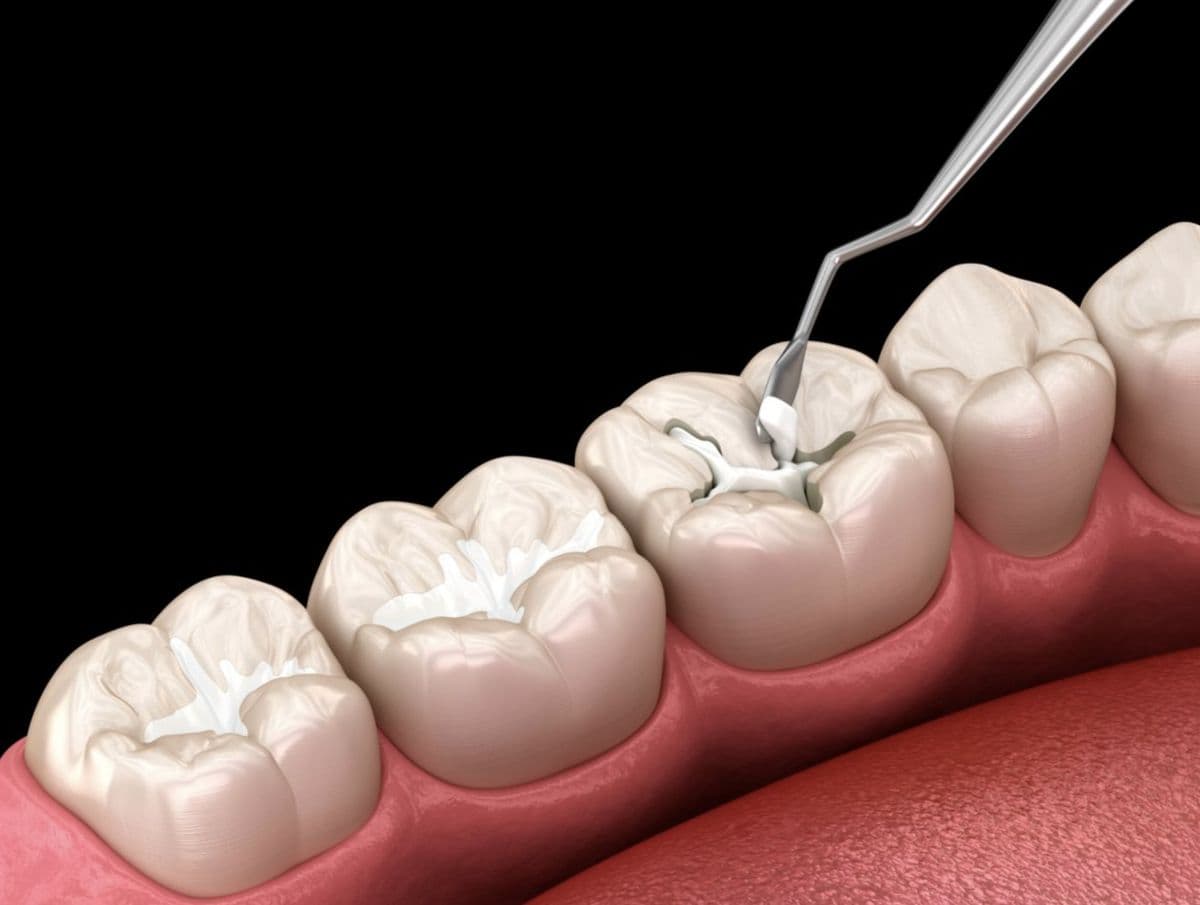
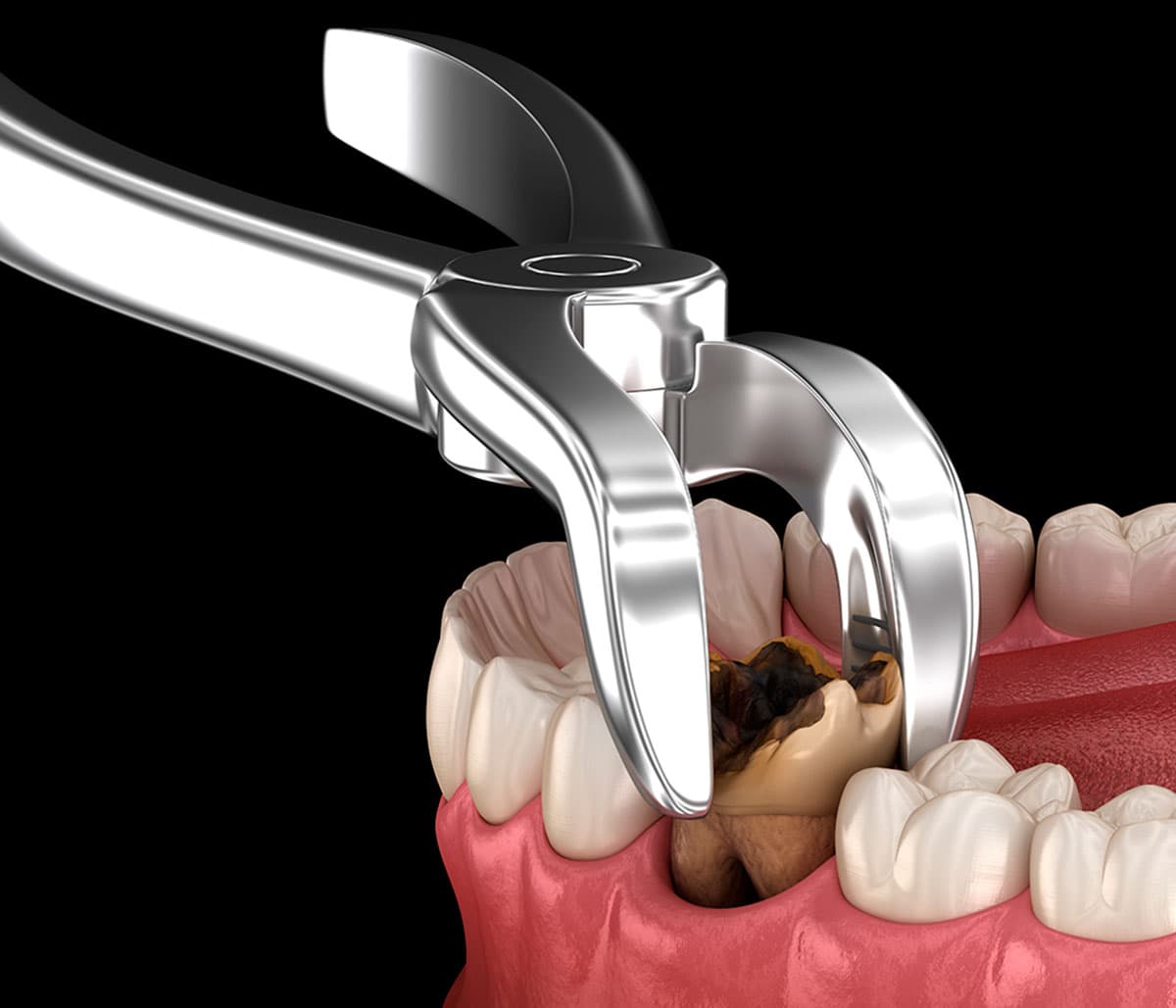
The Great Fill-Up: Choosing the Best Material for Your Smile
May 28, 2026
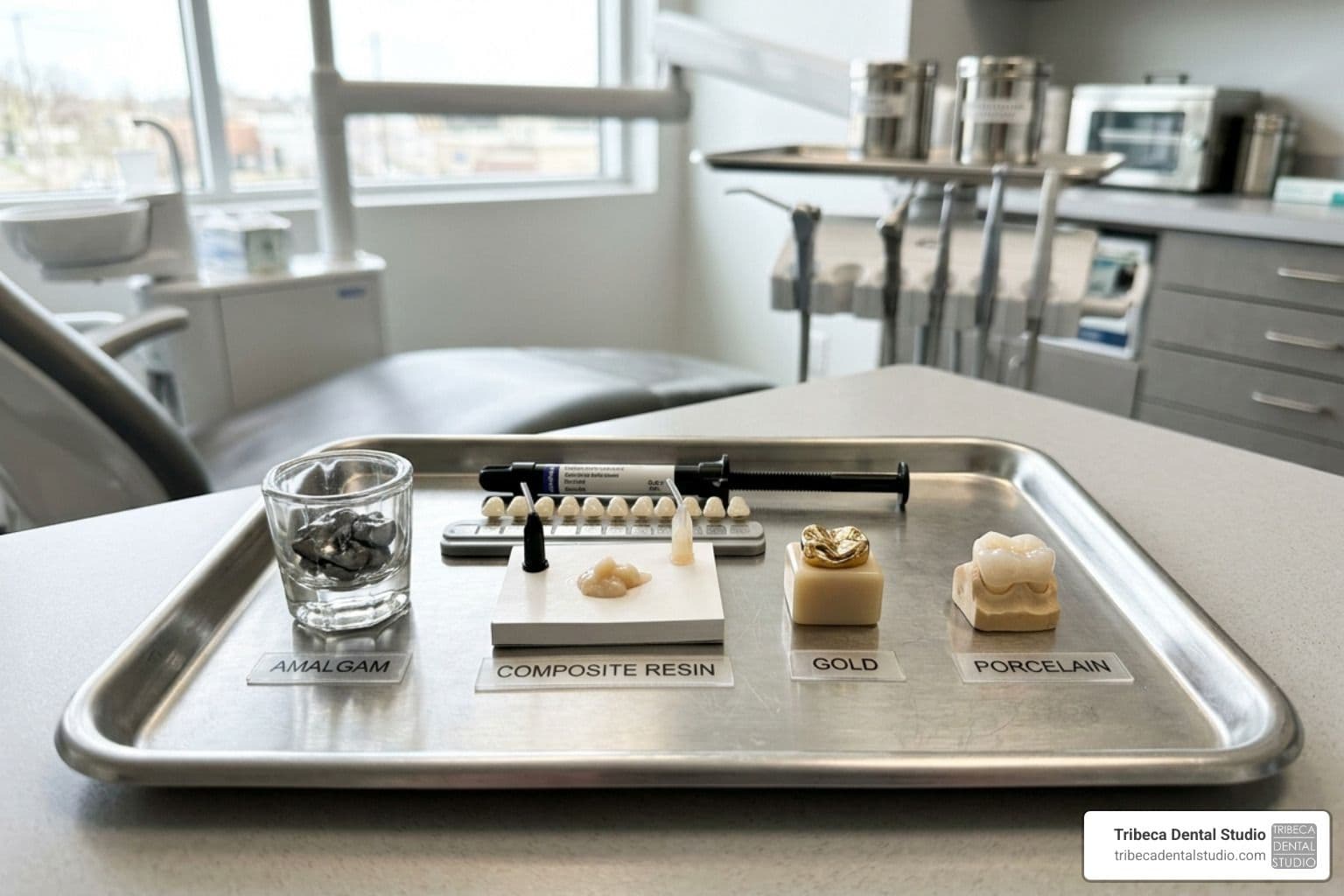
Why Your Choice of Dental Filling Material Matters More Than You Think
Cavities are incredibly common. In fact, 90% of adults over 20 have had at least one. And right now, 1 in 4 people between the ages of 20 and 64 has an untreated cavity. That means most of us will face a filling decision at some point — probably more than once.
The problem? Most people don’t realize how many choices they actually have. There’s no single “best” filling material. The right one depends on where the cavity is, how large it is, your budget, your health history, and how you feel about the way your smile looks.
This guide breaks down every major option in plain language — so you can walk into your next appointment informed and confident.
I’m Dr. Nina Izhaky, a graduate of New York University College of Dentistry and founder of Tribeca Dental Studio, where I’ve helped countless patients navigate dental filling options using only modern, mercury-free materials in a fully digital practice. My goal here is to give you the same clear, personalized guidance I offer every patient who sits in my chair.
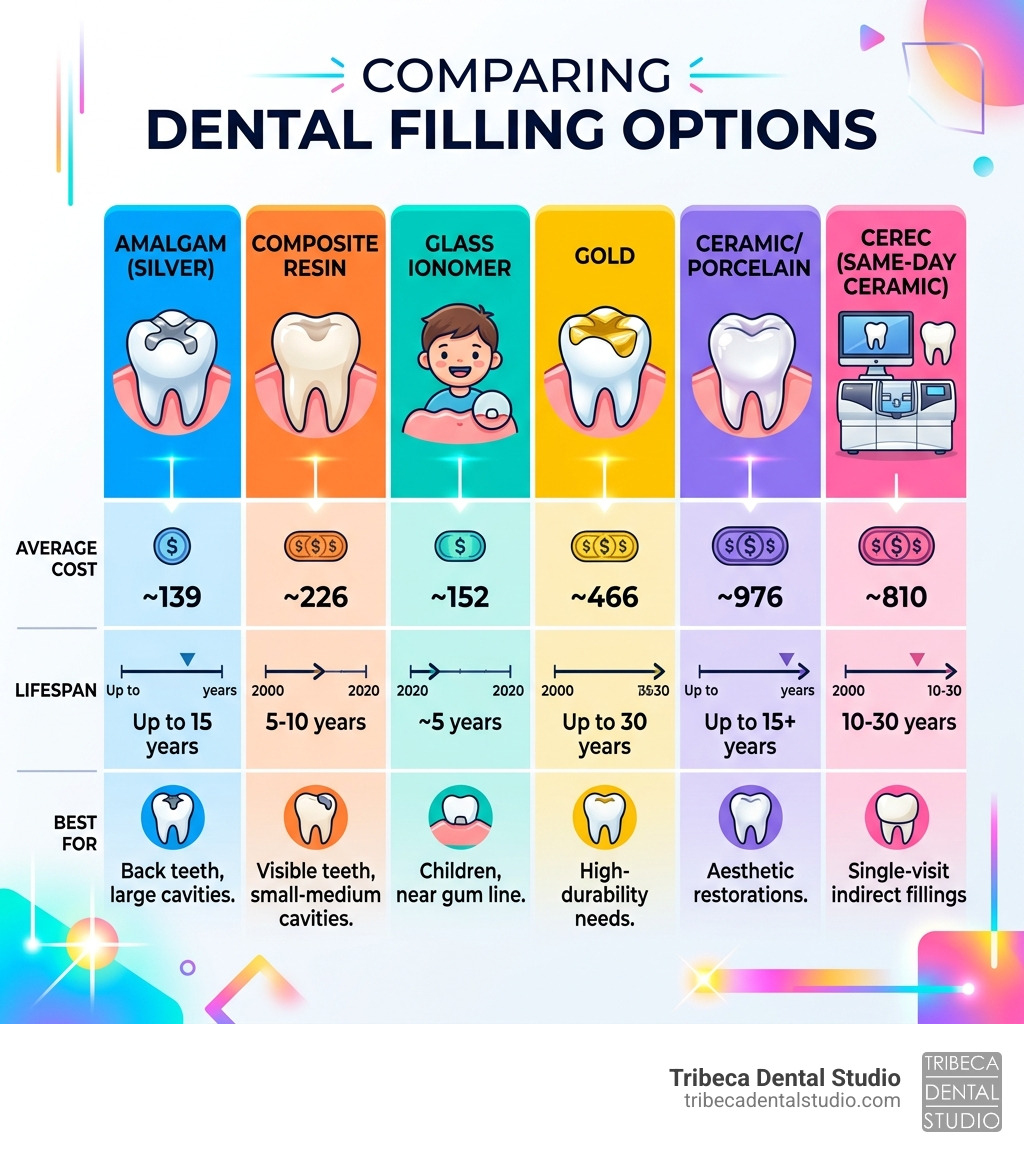
Easy Dental filling options word list:
Understanding Your Dental Filling Options
When we talk about dental filling options, we are looking at restorative dentistry’s way of hitting the “undo” button on tooth decay. A filling is essentially a way to replace missing tooth structure that has been lost to a cavity, a chip, or general wear and tear.
Think of your tooth enamel as a fortress. It is the hardest substance in your body, but it isn’t invincible. When bacteria in your mouth feast on sugars and starches, they produce acid. This acid is like a tiny jackhammer, slowly chipping away at the minerals in your enamel. If this process isn’t stopped, a hole forms — that’s your cavity.
According to the NIDCR, while enamel can sometimes repair itself using minerals from your saliva and fluoride, once a full-blown cavity forms, you need professional help. That’s where we come in. At Tribeca Dental Studio, we believe in a personalized approach to cavity repair because every smile in Manhattan is unique.
Why You Might Need a Filling
It’s not always a painful toothache that signals the need for a filling. In fact, by the time a tooth hurts, the decay might have already reached the pulp, potentially requiring a root canal instead of a simple filling. We look for several signs that it’s time for a restoration:
- Tooth Decay: The most common culprit. Bacteria-laden plaque creates holes that need to be cleaned and sealed.
- Chipped or Cracked Teeth: Even if there is no decay, a physical break can expose the sensitive inner layers of the tooth.
- Worn-down Teeth: Habits like nail-biting or grinding (bruxism) can wear away enamel over time, requiring a “fill-up” to restore the tooth’s shape.
- Sensitivity: If you find yourself wincing at a cold scoop of gelato in Tribeca, it might be because decay has thinned your enamel.
Direct vs. Indirect Restorations
One of the first things we’ll discuss is whether you need a direct or an indirect restoration.
- Direct Fillings: These are the “classic” fillings. We prepare the tooth, place the material (like composite resin or amalgam) directly into the cavity, and harden it right then and there. This is typically a single-visit procedure.
- Indirect Fillings: These are used when the damage is more extensive but doesn’t quite require a full crown. These include inlays (which fit inside the bumps of your tooth) and onlays (which cover one or more of those bumps, or cusps). Traditionally, these require two visits because they are custom-made in a lab, though modern tech like CEREC is changing that. You can learn more about when a crown might follow a filling here.
A Deep Dive into Dental Filling Materials
Choosing the right material is like choosing the right fabric for a suit — you want it to look good, fit well, and last a long time. The FDA regulates these materials to ensure they are safe for use in your mouth, but each has its own personality.
Composite Resin: The Aesthetic Dental Filling Options
Composite resin is the “superstar” of modern dentistry. It’s made of a mixture of plastic resin and finely powdered glass or silica.
The Pros:
- Invisible: We can match the color of the resin exactly to your natural tooth. It’s the go-to choice for front teeth or any visible part of your smile.
- Chemical Bonding: Unlike metal fillings that just sit in a hole, composite resin actually bonds to the tooth structure, providing extra support.
- Conservative: Because it bonds so well, we often don’t have to remove as much healthy tooth structure during preparation.
The Cons:
- Longevity: They generally last about 5 to 10 years, which is shorter than metal options.
- Cost: They are more expensive than amalgam, usually costing about double.
At Tribeca Dental Studio, we specialize in composite filling materials because we know our NYC patients value both health and aesthetics.
Dental Amalgam: The Traditional Workhorse
You probably know these as “silver fillings.” They’ve been used for over 150 years. Amalgam is a mixture of liquid mercury and a powdered alloy of silver, tin, and copper.
The Pros:
- Toughness: These things are incredibly durable. They can withstand the heavy pressure of chewing in the back of the mouth for 10 to 15 years.
- Price: They are the most affordable dental filling options available.
The Cons:
- Aesthetics: They are dark and very noticeable.
- Tooth Structure: They require more drilling to create a “pocket” for the filling to sit in, as they don’t bond to the tooth.
- Expansion/Contraction: Metal reacts to temperature. Over years of hot coffee and cold water, this can cause the tooth to crack.
There is also ongoing debate about the safety of mercury in amalgam, which we will cover in the safety section below.
Glass Ionomer: The Fluoride-Releasing Option
Glass ionomer is a tooth-colored material made of silicate glass powder. It’s unique because it actually releases fluoride over time.
This makes it a fantastic choice for:
- Children: Whose teeth are still developing and need extra protection.
- Gum Line Cavities: Areas that are hard to keep dry during the procedure.
- Temporary Fillings: To protect a tooth while a more permanent solution is being made.
However, they are not very strong. They typically only last about 5 years and aren’t suited for the biting surfaces of adult molars.
Gold and Ceramic: Premium Dental Filling Options
If you want the “Rolls Royce” of fillings, you’re looking at gold or ceramic.
- Gold Inlays/Onlays: These are incredibly biocompatible and can last 30 years or more. They don’t corrode and are strong enough to handle any bite. The downside? They are very expensive and require at least two visits.
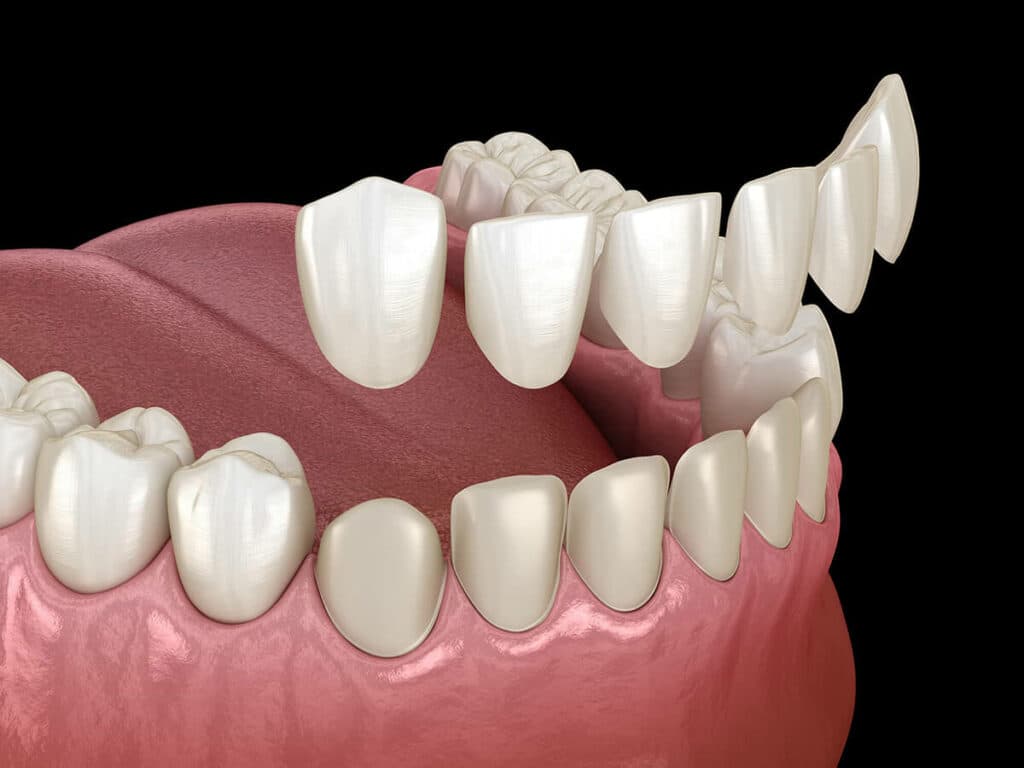
- Ceramic (Porcelain): These are the ultimate aesthetic choice. They are more resistant to staining than composite resin and can last over 15 years.
- CEREC Technology: At our Manhattan practice, we use CEREC (Chairside Economical Restoration of Esthetic Ceramics) to create high-quality ceramic fillings in a single visit. No messy impressions, no temporary fillings — just a beautiful, durable restoration in about two hours. Check out our tooth-colored restoration options to see what’s possible.

Safety and the Amalgam Debate
The safety of silver amalgam fillings is a frequent topic of conversation in our Tribeca office. Amalgam contains about 50% elemental mercury. While the ADA and FDA have historically stated these are safe for adults and children over six, the FDA updated its recommendations in recent years.
The FDA now suggests that certain “high-risk” groups should avoid amalgam whenever possible:
- Pregnant women or those planning to become pregnant.
- Nursing mothers.
- Children (especially those under six).
- People with pre-existing neurological conditions (like MS or Alzheimer’s).
- People with impaired kidney function.
At Tribeca Dental Studio, we prioritize your long-term wellness. Because of these concerns and the superior aesthetics of modern materials, we often recommend mercury-free dental filling options.
Longevity and Maintenance
No filling lasts forever. They live in a harsh environment — a dark, wet cave where they are constantly pelted with acid and crushed by hundreds of pounds of biting pressure.
To make your filling last:
- Brush and Floss: Fillings can’t decay, but the tooth around them can. This is called “recurrent decay.”
- Avoid Hard Foods: Don’t chew ice or hard candy, which can crack even the strongest ceramic or gold.
- Wear a Mouthguard: If you grind your teeth at night, a custom mouthguard is essential to protect your investment.
- Regular Checkups: We use X-rays and visual exams to spot “marginal leakage” — where the seal between the filling and tooth begins to fail.
If you suspect a problem, don’t wait. A cracked filling repair is much easier than a root canal.
The Procedure and Recovery: What to Expect
We know that “getting a filling” isn’t exactly on anyone’s NYC bucket list. However, modern techniques have made the process faster and more comfortable than ever.
During the Appointment
- Numbing: We use a local anesthetic to ensure you don’t feel a thing. If you’re nervous, we offer painless dental filling techniques to keep you relaxed.
- Preparation: We remove the decayed or damaged part of the tooth. We might use a traditional drill, air abrasion, or even a dental laser.
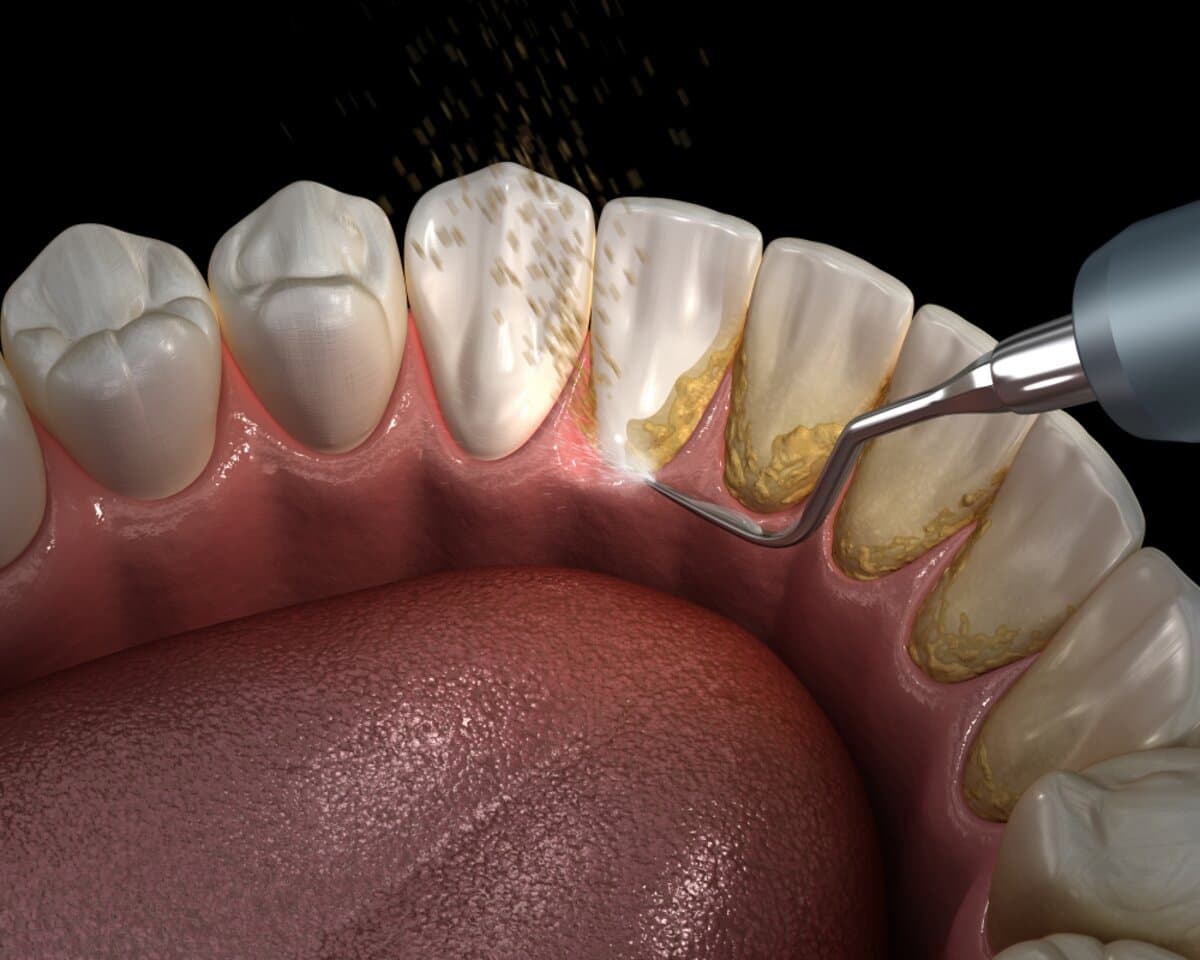
- Cleaning: The cavity is cleaned of bacteria and debris.
- Placement: We apply the material in layers. If it’s composite, we use a special blue light to “cure” (harden) each layer in seconds.
- Shaping and Polishing: We shape the filling to match the natural contours of your tooth and polish it so it feels smooth to your tongue.
- Bite Check: We’ll have you bite down on a piece of carbon paper to make sure the filling isn’t “high” and interfering with your bite.
Post-Procedure Care and Sensitivity
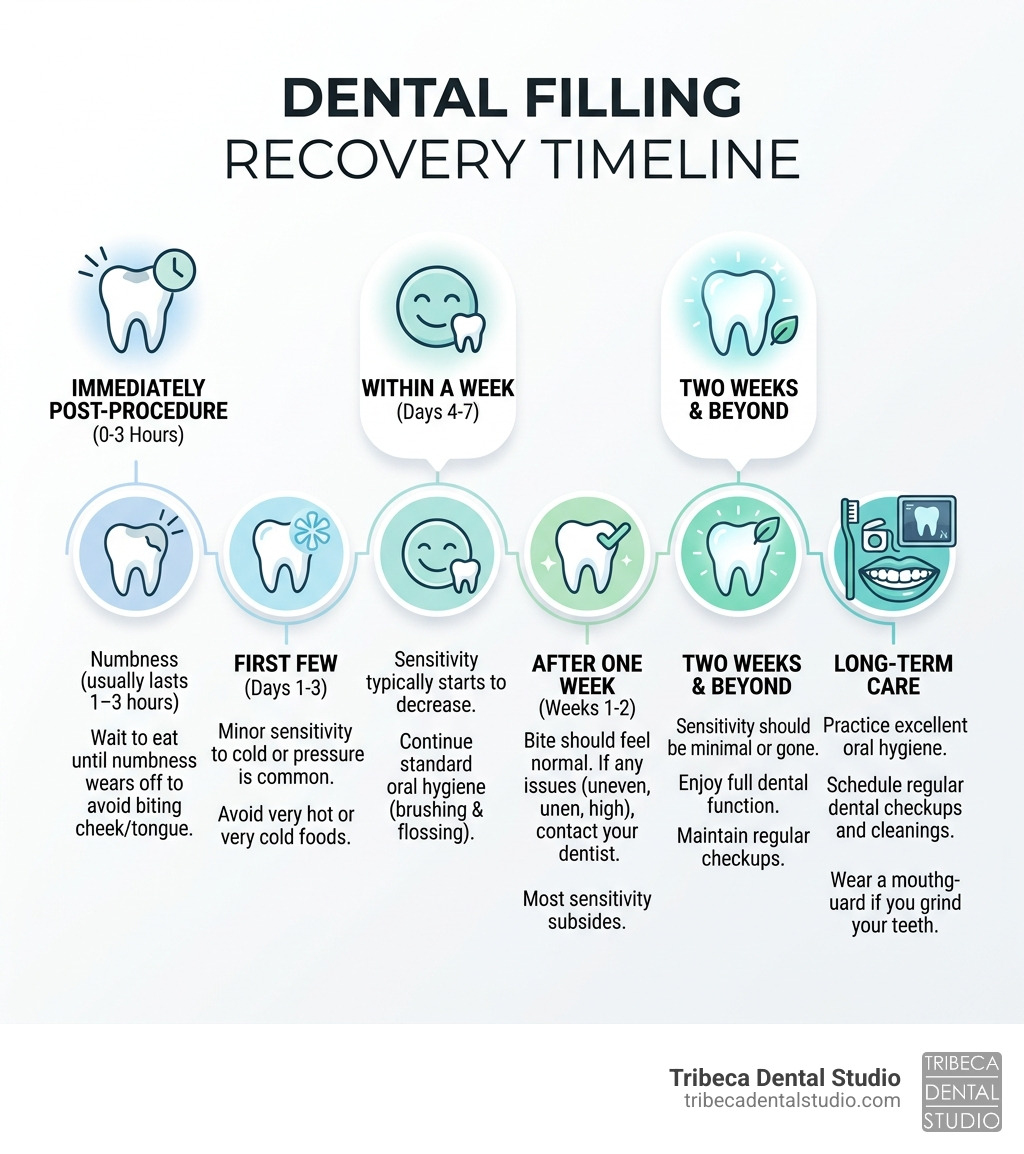
Once the numbness wears off (usually in 1–3 hours), you might feel some minor sensitivity to cold or pressure. This is normal and usually fades within a few days to two weeks.
When to call us:
- If your bite feels uneven or “high.”
- If you have sharp pain when you bite down.
- If the sensitivity doesn’t improve after two weeks.
- If you experience a “throbbing” toothache.
For more immediate concerns, see our emergency guide for when a filling goes rogue.
Frequently Asked Questions about Dental Fillings
How long do different dental filling materials last?
As a general rule:
- Amalgam: 10–15 years.
- Composite: 5–10 years.
- Gold: 20–30+ years.
- Ceramic: 10–15+ years.
- Glass Ionomer: ~5 years.
Your individual habits (like diet and hygiene) play a massive role in these numbers!
Does getting a dental filling hurt?
No! With local anesthesia, you should only feel some pressure, not pain. If you do feel a “zing,” let us know immediately so we can adjust your numbing. We pride ourselves on creating a welcoming, stress-free environment here in Tribeca.
When should I replace an old dental filling?
You should consider replacement if:
- The filling is visibly cracked or chipped.
- You feel a “gap” with your tongue.
- You have pain or sensitivity in that tooth.
- Your dentist sees signs of decay underneath the filling on an X-ray.
If you’re worried about an old restoration, read more about what to do if your filling is cracked.
Conclusion
Choosing between the various dental filling options doesn’t have to be overwhelming. Whether you prioritize the budget-friendly durability of amalgam or the seamless, high-tech beauty of a CEREC ceramic restoration, the most important step is addressing the decay before it turns into a bigger problem.
At Tribeca Dental Studio, Dr. Nina Izhaky and our entire team are dedicated to providing the Manhattan community with advanced, compassionate care. We don’t just fix teeth; we treat people. We’ll take the time to sit down with you, look at your X-rays together, and help you choose the material that fits your life and your smile perfectly.
Ready to restore your smile? Schedule your consultation for dental fillings in NYC at our Tribeca office today. We can’t wait to see you!