The Lifespan of Your Smile: When to Consider Dental Filling Replacement
June 5, 2026

Why Dental Filling Replacement Matters for Your Long-Term Oral Health
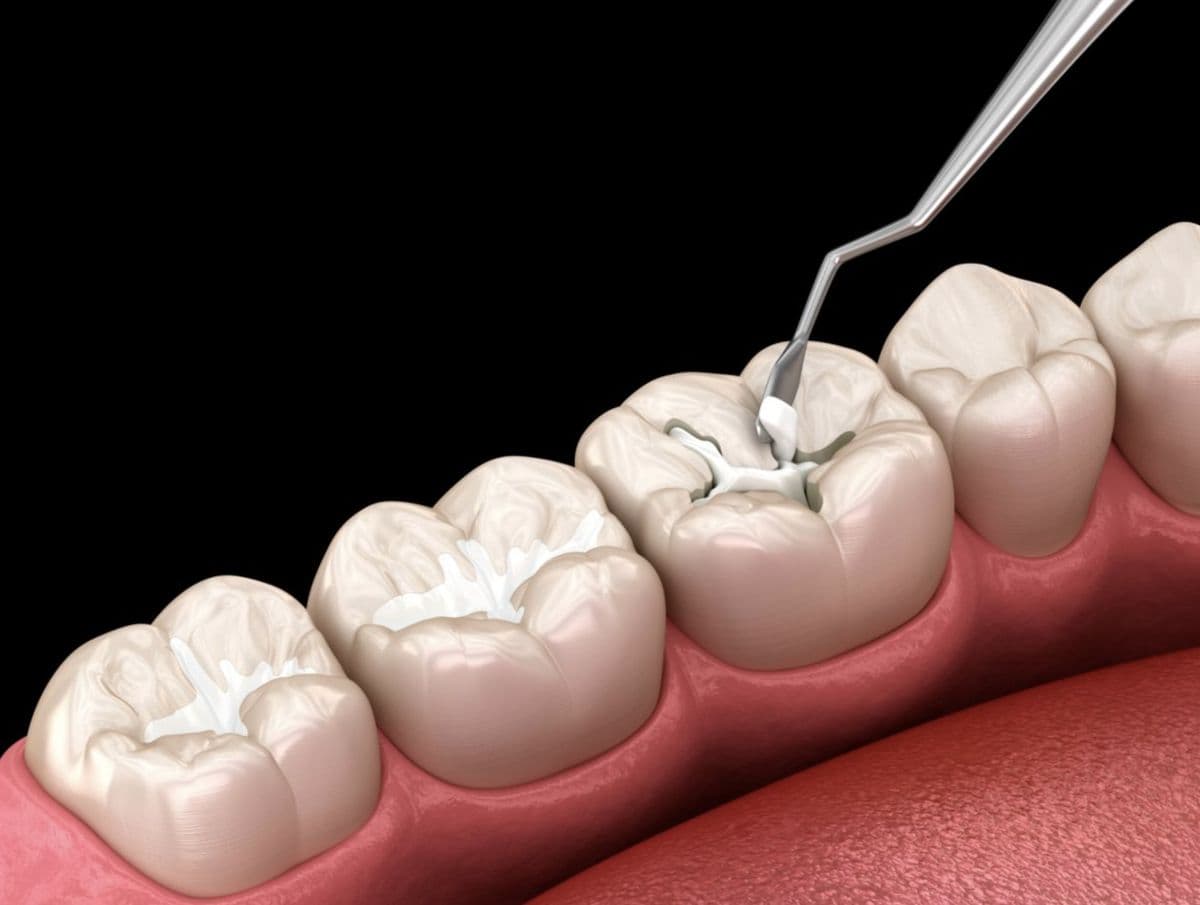
Dental filling replacement is the process of removing an old, worn, or damaged filling and placing a new one to protect the tooth from decay, pain, and further damage.
Quick answers about dental filling replacement:
- When is it needed? When a filling is cracked, worn, leaking, or has decay underneath
- How long do fillings last? 7–30 years, depending on the material
- Key warning signs: Tooth sensitivity, pain when biting, visible cracks, or food getting trapped
- What’s the process? Old filling is removed, the area is cleaned, and a new filling is placed — usually in one visit
- Cost range: ~$139 for amalgam, ~$226 for composite, ~$466 for gold
Every dental filling has a lifespan. No matter how well it was placed or how carefully you care for your teeth, the daily stress of chewing, temperature changes, and time will eventually take a toll. According to the American Dental Association, all fillings will need to be replaced at some point — the only question is when.
Waiting too long can turn a simple replacement into something far more serious, like a root canal or even tooth loss. But acting early? That keeps things simple, affordable, and comfortable.
I’m Dr. Nina Izhaky, a graduate of New York University College of Dentistry and the founder of Tribeca Dental Studio, where dental filling replacement is one of the most common restorative procedures I perform using mercury-free, tooth-colored materials. In the sections below, I’ll walk you through everything you need to know — from recognizing the signs of a failing filling to understanding your material options and what to expect during your appointment.
Related content about Dental filling replacement:
Understanding the Necessity of Dental Filling Replacement
It is helpful to think of a dental filling as a seal. Its primary job is to protect the vulnerable inner layers of your tooth from the bacteria that live in your mouth. Over time, however, that seal can fail. This is often due to the “constant assault” our teeth face from eating, drinking, and the immense pressure of clenching or grinding.
When a filling begins to pull away from the tooth, it creates a microscopic gap. This phenomenon, known as “leaking,” allows bacteria and food particles to sneak underneath the restoration. Once inside, they cause recurrent decay (a new cavity under the old filling). Because this decay is hidden, you might not feel it until it reaches the nerve.
Furthermore, fillings can lose their structural integrity. A filling that has worn down or cracked no longer supports the tooth’s walls, making the entire tooth more prone to fracturing. At Tribeca Dental Studio, we use Dental Fillings in NYC: Natural, Durable, Aesthetic Restorations at Tribeca Dental Studio to ensure your smile remains both beautiful and functionally sound. If you have ever wondered if a dental filling can be replaced, the answer is a resounding yes-and doing so proactively is one of the best ways to avoid more invasive treatments. For a broader overview of how dental restorations work, the American Dental Association’s patient education resources provide helpful background on fillings and ongoing oral health maintenance.
How Long Do Fillings Last? A Material Comparison
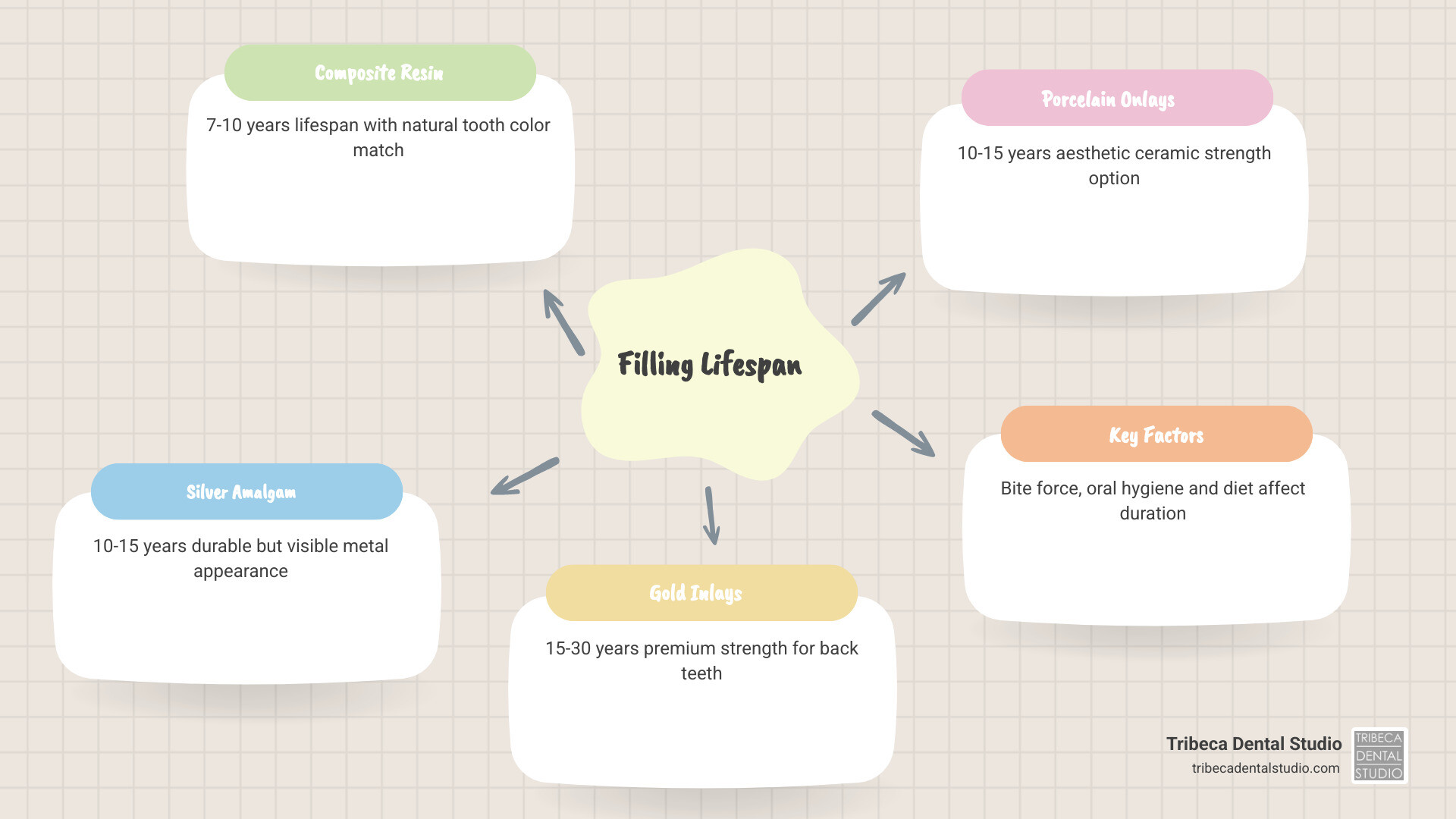
Not all fillings are created equal. The material used significantly impacts how long you can expect the restoration to last before a dental filling replacement becomes necessary. In May 2026, we are seeing a shift toward more aesthetic materials, but many patients still have older metal restorations that may be reaching the end of their functional life.
| Material Type | Average Lifespan | Estimated Cost (U.S. Avg) | Key Characteristics |
|---|---|---|---|
| Composite Resin | 7–10 Years | $226 | Tooth-colored, bonds directly to tooth |
| Silver Amalgam | 10–15+ Years | $139 | Durable, contains mercury, highly visible |
| Gold Inlays | 15–30 Years | $466 | Extremely durable, requires two visits |
| Porcelain/Ceramic | 10–20 Years | $976 | Stain-resistant, natural look, very strong |
Composite Resin
These are the “white” fillings most patients prefer today. They are made of a mixture of acrylic resin and glass-like particles. While they offer a seamless look, they typically have a shorter lifespan than metal options, averaging 7 to 10 years. For more details on pricing, see our Composite Filling Cost Guide.
Silver Amalgam
Amalgam has been the workhorse of dentistry for decades. Composed of silver, tin, copper, and mercury, these fillings are incredibly tough. However, they are prone to expanding and contracting with temperature changes, which can eventually crack the surrounding tooth.
Gold and Porcelain
These are considered “indirect” restorations. Gold inlays are the gold standard for longevity, often lasting 30 years or more. Porcelain onlays provide the best balance of aesthetics and strength, though they are more of an investment.
Common Signs You Need a Dental Filling Replacement
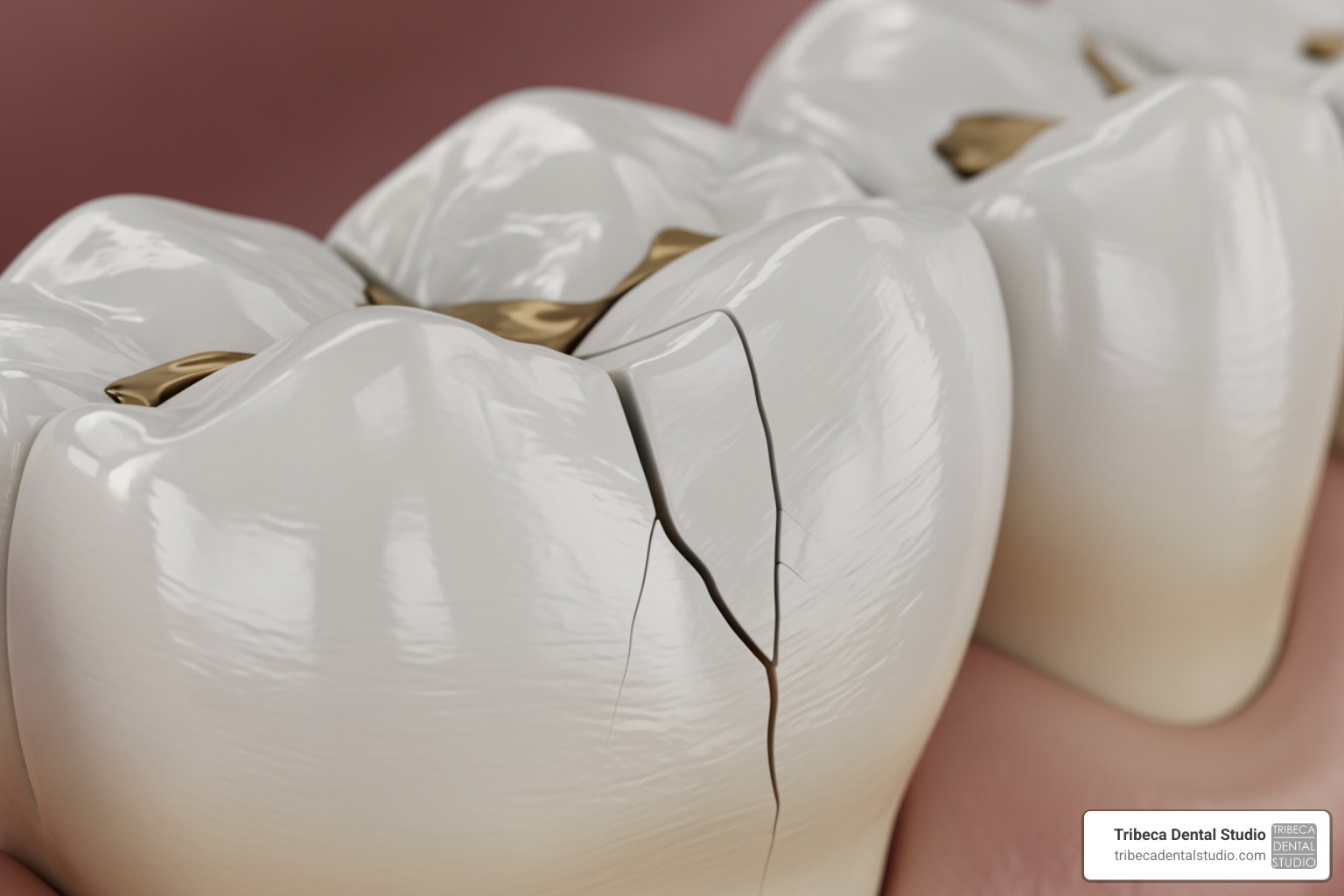
How do you know if your filling is on its way out? Sometimes the signs are obvious, but often they are subtle. Regular checkups are vital because dentists use “explorers” (those little metal hooks) and radiographs (X-rays) to find cracks or decay that you can’t see or feel.
Catching these issues early can save you from the “hidden decay” that develops under loose restorations.
Recognizing Physical Symptoms of Failure
- Temperature Sensitivity: If a sudden sip of cold water or hot coffee sends a sharp jolt through a specific tooth, the seal of your filling may be compromised.
- Pressure Sensitivity: Feeling pain when you bite down is a major red flag. This often indicates a cracked filling or a crack in the tooth itself.
- Persistent Discomfort: A dull ache that doesn’t go away suggests bacteria may have reached the pulp. We focus on providing a Painless Dental Filling experience to resolve this discomfort quickly.
Visual Indicators for Dental Filling Replacement
You might notice changes in the mirror. Look for:
- Darkening Margins: If the edges of a tooth-colored filling look dark or “leaky,” bacteria are likely getting in.
- Visible Cracks: Any visible fracture in the filling material means it is no longer protecting the tooth.
- Food Trapping: If you suddenly find that floss is shredding or food is constantly getting stuck in a spot where it didn’t before, the filling may have shifted or worn away.
- Loose Material: If you feel a piece of “grit” in your mouth while eating, it might be a piece of an old restoration. If you suspect an issue, it is important to seek professional advice on modern replacement options.
The Procedure: What to Expect During Your Appointment

If we determine that a dental filling replacement is necessary, don’t worry—the process is very similar to getting a new filling, just with a few extra steps to ensure all the old material is safely removed.
- Numbing and Preparation: We start with local anesthesia to ensure you are completely comfortable. For more on this, read Cavity Filling 101: From Numbing to a New Smile.
- Removal of Old Material: We carefully remove the failing filling. If it’s an amalgam filling, we use specific protocols to minimize mercury vapor exposure.
- Disinfection: Once the old filling is out, we inspect the tooth for any new decay. We use a chemical caries indicator to differentiate between healthy tooth structure and infected tissue.
- Placement: In some cases, if the cavity is deep, we might place Temporary Fillings: Your Short-Term Solution for Cavity Care to let the tooth settle. Usually, however, we place the permanent material immediately, curing it with a special light and polishing it to match your natural bite.
Comparing Composite and Amalgam for Dental Filling Replacement
When replacing an old filling, you have a choice of materials. At Tribeca Dental Studio, we prioritize Composite Filling Material for several reasons:
- Aesthetics: We can match the shade perfectly to your enamel.
- Bonding: Unlike amalgam, which just “sits” in the hole, composite bonds directly to the tooth, strengthening the remaining structure.
- Conservatism: Composite requires less “drilling” or removal of healthy tooth structure to stay in place.
If you are curious about the chemistry behind these choices, take What’s in Your Mouth: A Look at Common Cavity Filling Materials for a deeper dive.
When a Filling Isn’t Enough: Crowns and Other Alternatives
Sometimes, after removing an old filling, we find that the remaining tooth structure is too weak to support a new one. A general rule of thumb in dentistry is that if more than half of the tooth’s width is comprised of filling material, a filling is no longer the best option.
In these cases, we may recommend:
- Dental Crowns: A “cap” that covers the entire tooth, providing 360-degree protection. This is often the best choice after a Dental Crown After Filling is deemed necessary due to structural weakness.
- Inlays and Onlays: These are “halfway” points between a filling and a crown. They are custom-made in a lab and offer superior durability for large cavities on the chewing surfaces.
Understanding When Cavities Go Deep: Your Treatment Options helps you make an informed decision about the longevity of your restoration.
Frequently Asked Questions about Filling Replacement
How much does it cost to replace a filling in 2026?
The cost of dental filling replacement depends heavily on the material and the size of the cavity. On average, composite fillings cost around $226, while amalgams are closer to $139. However, in NYC, prices can vary based on the complexity of the case. Most dental insurance plans cover filling replacements, though they may only pay for the cost of an amalgam filling, requiring you to pay the “upgrade” difference for composite. For a full breakdown, see our Cavity Filling Cost guide.
Are there risks when replacing old silver amalgam fillings?
The primary consideration with amalgam is the presence of mercury. While the ADA and FDA deem amalgam safe for the general population, the FDA recommends avoiding it for pregnant women and high-risk groups. During replacement, there is a brief increase in mercury vapor as the filling is drilled. We use high-volume suction and specialized techniques to keep this risk to a minimum. Additionally, removing a large metal filling can sometimes reveal existing fractures in the tooth.
How can I make my new fillings last longer?
- Oral Hygiene: Brush twice daily with fluoride toothpaste and floss every single day. Bacteria love to gather at the edges of fillings.
- Nightguards: If you grind your teeth, you are putting hundreds of pounds of pressure on your fillings. A custom nightguard can double the lifespan of your restorations.
- Dietary Habits: Avoid chewing on ice, hard candies, or pens, which can chip both your teeth and your fillings.
- Regular Checkups: Seeing us every six months allows us to catch a “leaking” filling before it becomes a painful cavity.
Conclusion
Your smile is an investment, and like any investment, it requires occasional maintenance. While a dental filling replacement might seem like a chore, it is actually a powerful tool for preventing pain and preserving your natural teeth for a lifetime.
At Tribeca Dental Studio, Dr. Nina Izhaky and our dedicated team are here to provide a personalized, welcoming experience. We treat our Manhattan neighbors like family, ensuring that every restoration we place is built to last and looks completely natural. Don’t wait for a toothache to tell you a filling has failed. Schedule your consultation for a dental filling replacement in NYC today and let us help you keep your smile healthy and bright well beyond 2026.